Are Siberian Cats Suitable for Taiwan? Consider Personality, Shedding, and Allergy Myths First
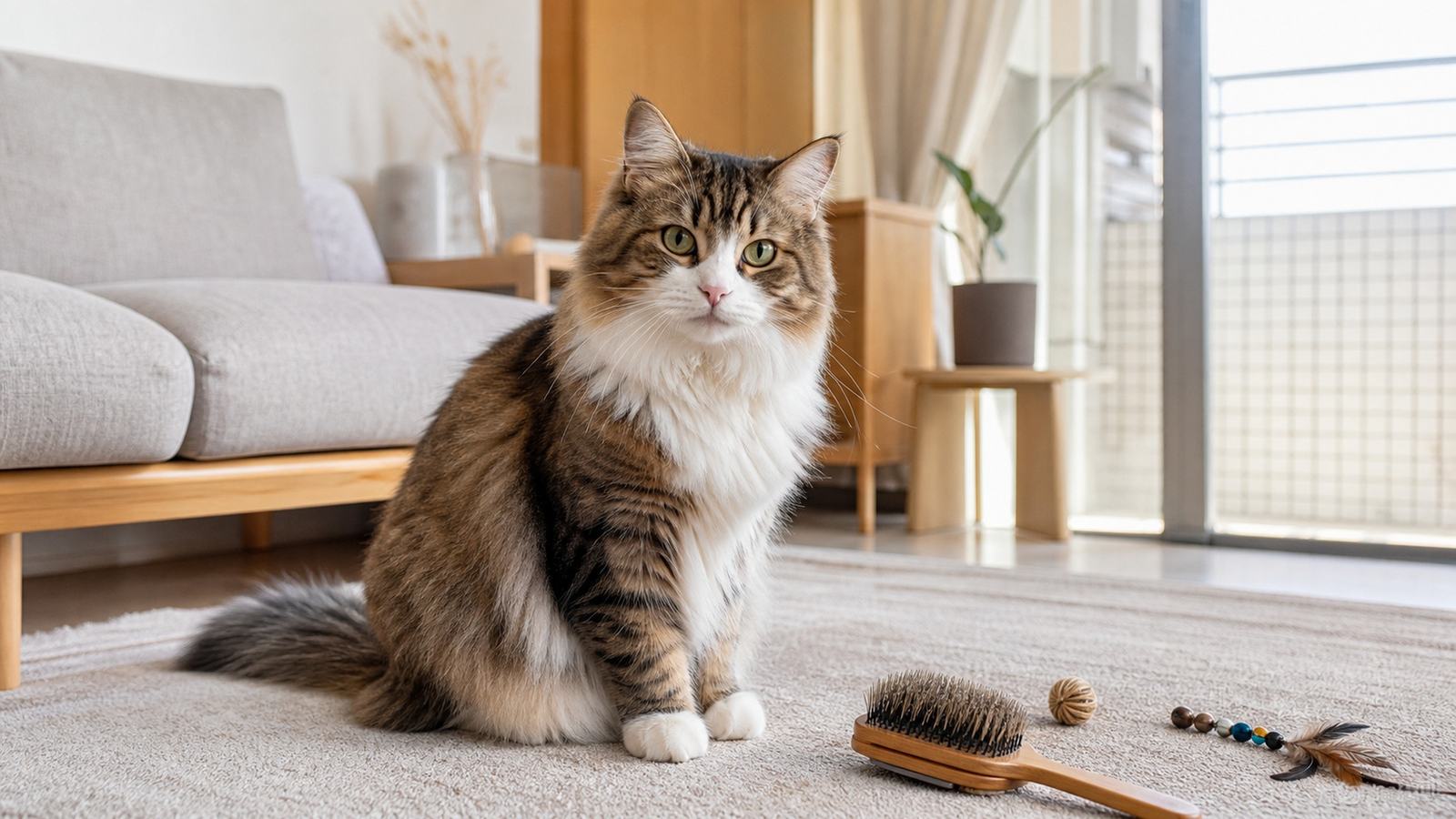
What kind of cat is a Siberian cat? First, consider their personality and interaction needs. Siberian cats originally come from cold regions, with their most striking features being thick, long fur, a sturdy build, and a bushy tail. They look substantial, but their personality is usually not aloof.
Key Takeaways
- Siberian cats originate from cold regions, characterized by thick long fur, a sturdy build, and a bushy tail. They are typically affectionate, curious, and enjoy participating in household activities.
- Siberian cats are long-haired cats and shed noticeably during molting seasons. It's recommended to brush them at least 2-3 times a week, increasing to short daily brushing during molting periods.
- Cat allergies are often linked to the Fel d 1 protein found in saliva, dander, and skin. No breed guarantees zero reaction for all allergic individuals; Siberian cats are not completely hypoallergenic.
- For small apartments, the focus isn't floor space but vertical space, hiding spots, scratching areas, and safe pathways. Daily play sessions of 15-30 minutes are essential.
- If mats are very close to the skin, avoid cutting them yourself with scissors. For severe matting, it's safer to seek professional grooming or veterinary assistance.
What Kind of Cat is a Siberian Cat? Consider Personality and Interaction Needs First
Siberian cats originally come from cold regions, with their most striking features being thick, long fur, a sturdy build, and a bushy tail. They look substantial, but their personality is usually not aloof; instead, they are often affectionate, curious, and enjoy participating in household activities. If you prefer a cat that interacts with you, this breed will require more companionship than a cat that prefers to be observed from a distance.
They are typically intelligent with good learning abilities and may enjoy following their owners around the house. This means you can't just provide food and a litter box and leave them be; you also need to schedule regular playtime, grooming, and daily observation. If no one is home for extended periods during the day, consider providing cat trees, window perches, puzzle toys, and consistent interaction times to reduce stress caused by boredom.
Are They Suitable for Small Taiwanese Apartments? Assessing Space, Activity Levels, and Playtime
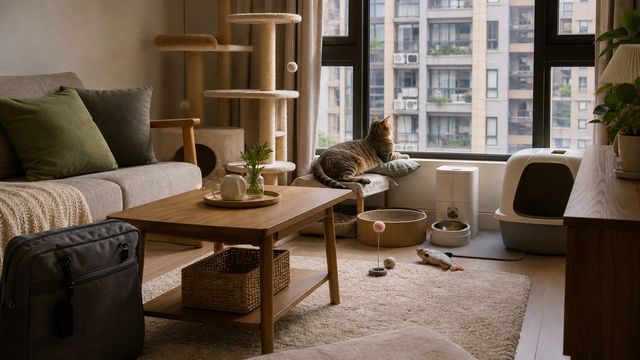
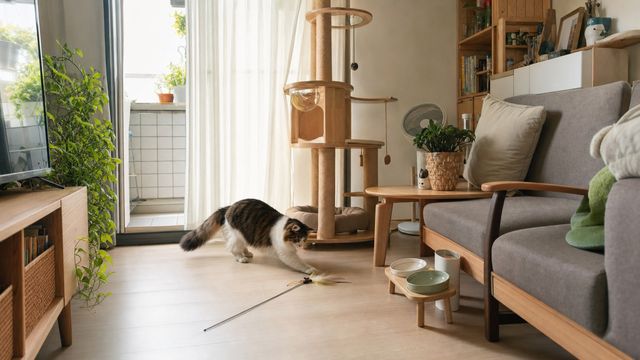
Taiwanese urban apartments are often limited in size, but a small apartment doesn't mean you can't own a Siberian cat. The key isn't the floor area but the availability of vertical space, hiding spots, scratching areas, and safe pathways. Cat trees, shelves, and window perches can extend the activity space upwards, which is especially important for medium to large cats with higher activity levels.
Before assessing, consider three things: Can you commit to 15-30 minutes of playtime daily? Is your home well-ventilated and dehumidified? Can you accept the grooming needs of a long-haired cat? Siberian cats don't necessarily need a large house, but they do require a regular routine and sufficient stimulation. If you already have other cats, ensure you have a separate space for them to adapt initially to avoid immediate conflicts.
How to Configure a Small Apartment Environment
- Vertical Space: Arrange stable cat trees or wall shelves to allow the cat to climb and observe from high places.
- Cool Resting Spots: Avoid direct sunlight in the summer and provide cooling mats or a well-ventilated corner.
- Zoned Pathways: Don't cluster the litter box, water, food, and sleeping areas all together.
What we use for this
CatGarden’s own products, shipped from Taiwan Pro Hairball Control PowderFrom CA$26.60 per boxFree shipping on multi-packs
Are Long-Haired Cats Easy to Care for in Taiwan? Focus on Shedding, Matting, and Humid Seasons
Taiwan's hot and humid summers and rainy seasons require extra effort in caring for long-haired cats. Siberian cats have dense fur, and shedding will be more noticeable during molting periods, requiring more frequent cleaning of sofas, clothes, and floors. It's recommended to brush them at least 2-3 times a week, increasing to short daily brushing during molting periods.
Matting often occurs under the arms, inner thighs, chest, and at the base of the tail – areas with more friction and often overlooked by owners. If mats are very close to the skin, avoid cutting them yourself with scissors, as it's easy to injure the skin. You can use a comb to assess the fur condition, and for severe matting, it's safer to seek professional grooming or veterinary assistance.
Key Care Points During Humid Seasons
During the rainy season and before typhoon season, when indoor humidity is high, pay special attention to the condition of the skin, ears, and litter box. Dehumidifiers, air circulators, and frequent litter changes can reduce musty odors and dampness, making long-haired cats more comfortable. Frequent bathing isn't always better; unless there's visible dirt or a veterinary recommendation, regular brushing and environmental cleaning are usually more important.
Are Siberian Cats Really Less Allergenic? Allergy Myths for Owners to Understand
Many people have heard that Siberian cats are "less allergenic," but this doesn't mean they are completely hypoallergenic or won't trigger allergies. Cat allergies are often linked to the Fel d 1 protein, found in saliva, dander, and skin, not just the fur itself. While secretion levels can vary between individuals, no breed guarantees zero reaction for all allergic individuals.
If family members have had cat allergies, it's best to arrange for direct contact before bringing a cat home to observe reactions like itchy eyes, nasal congestion, coughing, or skin irritation. You can also discuss this with an allergist before deciding on long-term ownership. Don't impulsively bring a cat home just because a breed is labeled "hypoallergenic" online; it's unfair to both the cat and the people.
Daily Practices to Reduce Allergic Triggers
- Regular Cleaning: Use air purifiers, vacuum cleaners, and washable bedding to reduce dander buildup.
- Limit Sleeping Areas: Allergic individuals can initially prevent cats from entering the bedroom, reserving a personal space.
- Consistent Grooming: Regular brushing reduces loose fur, but allergic individuals should wear a mask or have another family member assist.
Pre-Adoption Checklist: Source, Health Records, and Supplies
If you're considering a Siberian cat, the source is more important than their appearance. Ensure the breeder or adoption agency can provide health records, vaccination history, deworming records, and basic information about the parent cats. Be wary if they only emphasize pedigree, color, or low price while avoiding discussions about the living environment and health checks.
Before bringing your cat home, prepare a litter box, brushes suitable for long-haired cats, a water dispenser, a carrier, scratching posts, food, and safe cleaning supplies. Upon arrival, don't rush to hold, bathe, or introduce the cat to all family members; let them adapt to the new scents and routine in a small space first. The first week should focus on eating, drinking, elimination, energy levels, and breathing. Arrange for a veterinary check-up if necessary.
Quick Pre-Adoption Check
- Transparent Source: Clear information on the cat's age, care, and health records.
- Environment Preparation: Have a separate room, litter box, water, scratching post, and resting area.
- Budget Assessment: Include food, litter, grooming supplies, vet check-ups, vaccinations, and emergency medical costs.
- Family Consensus: Confirm allergy considerations, division of cleaning tasks, playtime schedules, and long-term care responsibilities.
FAQ
Are Siberian cats suitable for beginners?
Yes, provided beginners are willing to learn about long-haired cat care, groom regularly, and allocate sufficient interaction time. They are generally affectionate and intelligent, but their coat, activity level, and environmental management should not be taken lightly.
Will Siberian cats be too hot in Taiwan's summer?
Taiwan's summers are hot and humid, requiring attention to ventilation, dehumidification, and indoor temperature. Shaving the fur is not the sole solution, as it also protects the skin. Focus on brushing, cooling the environment, and observing the cat's condition.
Do Siberian cats shed a lot?
They are long-haired cats, and shedding is noticeable during molting seasons. Regular brushing is also necessary. If you cannot tolerate pet hair at home, require frequent vacuuming, and need to clean clothes often, reconsider before adopting.
Can people with allergies own Siberian cats?
Not necessarily. They may be more friendly to some individuals but are not a hypoallergenic breed. It's recommended to have direct contact first and observe your body's reaction. Those with a history of significant allergies should consult a doctor first.
Welcome Your Long-Haired Roommate When You're Ready
The biggest mistake when getting a cat is focusing only on appearance, only to realize later that you're unprepared for the supplies, cleaning, and care routine. If you're considering a Siberian cat, it's advisable to check all necessary items like a litter box, grooming tools, scratching post, carrier, water dispenser, and suitable cat supplies at once. CatGarden provides everyday cat supplies for Taiwanese owners, from environmental setup to cleaning and care, helping you prepare for your new family member's arrival.
Further Reading
- Should You Attend a Cat Behavior Seminar? Beginners Should Prepare Questions, Videos, and Home Environment First
- Summer Vacation Means More Time at Home, But Your Cat's Routine is Disrupted? Adjust Playtime, Feeding, and Sleep First
- Should You Seek Cat Behavior Consultation? First, Understand Which Situations Require Professional Help for Urination, Aggression, and Anxiety
Common Questions
Are Siberian cats suitable for beginners?
Yes, provided beginners are willing to learn about long-haired cat care, groom regularly, and allocate sufficient interaction time. They are generally affectionate and intelligent, but their coat, activity level, and environmental management should not be taken lightly.
Will Siberian cats be too hot in Taiwan's summer?
Taiwan's summers are hot and humid, requiring attention to ventilation, dehumidification, and indoor temperature. Shaving the fur is not the sole solution, as it also protects the skin. Focus on brushing, cooling the environment, and observing the cat's condition.
Do Siberian cats shed a lot?
They are long-haired cats, and shedding is noticeable during molting seasons. Regular brushing is also necessary. If you cannot tolerate pet hair at home, require frequent vacuuming, and need to clean clothes often, reconsider before adopting.
Can people with allergies own Siberian cats?
Not necessarily. They may be more friendly to some individuals but are not a hypoallergenic breed. It's recommended to have direct contact first and observe your body's reaction. Those with a history of significant allergies should consult a doctor first.
Are Siberian cats suitable for small Taiwanese apartments?
Small apartments don't preclude owning them; the key is having vertical space, hiding spots, scratching areas, and safe pathways. Cat trees, shelves, and window perches can extend the activity space upwards.
CatGarden offers curated supplies, cat boarding, and grooming
Book services or shop online.