Can Cats Be Kissed and Hugged? Read Their Ears, Tail, and Avoidance Signals First
Can cats be kissed and hugged? First, observe their ears, tail, and avoidance signals. Do cats really like being kissed and hugged? Consider their personality and habits. Many owners want to kiss and hug their cats, which is natural as they look soft and cute, making it easy to want to get close.

Key Takeaways
- Whether you can kiss or hug your cat depends not on the owner's desire, but on the cat's willingness at that moment. Rubbing faces, purring, and a relaxed body indicate it's okay to continue, while turning the head, backing away, or jumping off should be respected as boundaries.
- Ears pressed to the side or back, or rotating rapidly, along with a wildly swishing tail, a twitching tail tip, or a tucked tail, usually indicate the cat is stressed, anxious, or on alert, not happy.
- Low-stress interactions don't need to be long, 3 to 5 minutes is sufficient, with the key being that the cat feels free to leave. Petting can start from the top of the head, cheeks, or chin, stopping after a few strokes to observe their reaction.
- Suddenly picking them up from above, forcing interaction before or after they sleep, eat, or use the litter box, getting too close to their face, kissing their belly or paws, or hugging them tightly are common interaction pitfalls that can cause stress.
- If a normally affectionate cat suddenly becomes resistant to touch, hisses, or attacks, it could be due to pain, itchy skin, oral discomfort, joint issues, or urinary problems. If they hide for extended periods, groom excessively, urinate inappropriately, have a decreased appetite, or cry frequently at night, consult a veterinarian as soon as possible.
Can Cats Be Kissed and Hugged? Read Their Ears, Tail, and Avoidance Signals First
Do Cats Really Like Being Kissed and Hugged? Consider Their Personality and Habits
Many owners want to kiss and hug their cats, which is natural as they look soft and cute, making it easy to want to get close. However, cats' acceptance of physical affection varies greatly. Some cats are accustomed to being petted and held from a young age and will actively seek it out, while others prefer to stay nearby and dislike face-to-face contact or being held still.
Determining if you can kiss your cat isn't about how much the owner wants to, but whether the cat is willing at that moment. If they actively rub their face against you, purr, and have a relaxed body, it usually means the interaction can continue. If they turn their head, back away, or jump off, you must respect their boundaries. This is especially true for newly adopted cats, adult rescues, or cats that are naturally more timid, who require time to build trust.
What we use for this
CatGarden’s own products, shipped from Taiwan Quick-Dry Pet TowelFrom CA$49.35 per pieceFree shipping on multi-packs
Ears, Tail, and Stiff Body: How to Recognize Common Rejection Signals
When cats reject interaction, their ears often reveal the first clues. Ears pressed to the side or back, or constantly rotating rapidly, may indicate they are stressed or impatient. If you force a kiss on a cat in this state, they might tolerate it initially, but will then express their discomfort by swatting, biting, or running away.
The tail is also a crucial indicator. A wildly swishing tail, a rapidly twitching tail tip, or a tucked tail usually don't mean "very happy"; instead, they signify rising stress or alertness. If accompanied by a stiff body, dilated pupils, a lowered back, or flattened whiskers, you should immediately stop approaching.
A Cat Avoiding You Doesn't Mean They Don't Love You
Some owners might feel that if a cat doesn't allow kisses or hugs, it's not affectionate. This isn't necessarily true. A cat's way of showing affection might be sleeping near you, touching you with their tail, slow blinking, or coming for pets at a specific time. Understanding these signals is more important for building a stable relationship than pursuing kisses.
What Kind of Affectionate Actions Cause Stress? Common Pitfalls for New Owners
The most common pitfall is suddenly picking up a cat from above or forcing interaction when they are about to sleep, eat, or use the litter box. Cats value predictability, and being suddenly restricted in their movement makes them feel trapped. In smaller urban homes, if a cat lacks high places, hiding spots, or quiet corners, stress can accumulate more easily.
Another common situation is getting too close to their face, kissing their belly or paws, or hugging them tightly. While this might seem affectionate to humans, it can feel like being restrained to a cat, especially since their belly and paws are sensitive areas. If you have children, teach them to let the cat sniff their hand first, then gently pet the side of their head or chin, and not to chase the cat.
Don't Mistake "Tolerance" for "Enjoyment"
Some cats don't immediately resist; they simply remain still, but their bodies are actually tense. If they don't purr, knead, or relax when held, or if they constantly look towards the exit, it's not suitable for continued interaction. Cat kisses should ideally be initiated by the cat approaching you, rather than you unilaterally holding them for compliance.
Want to Get Closer to Your Cat? Try These Low-Stress Interaction Methods
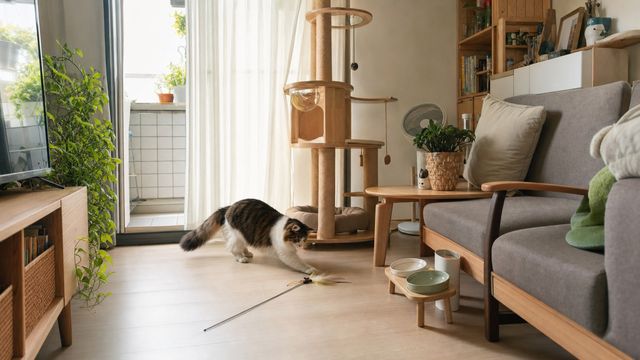
To build a bond with your cat, start with low-stress interactions. Slow blinking, sitting nearby, or short play sessions with a wand toy are usually more readily accepted than direct face kisses. Each interaction doesn't need to be long; 3 to 5 minutes is enough, with the key being that the cat feels free to leave.
If your cat is willing to approach, start by petting areas they generally accept, like the top of their head, cheeks, or chin. Stop after a few strokes and observe if they lean in again. This is better than continuously petting them until they become impatient. When cats know they can choose the duration of interaction, they are more likely to approach you willingly.
Use the Environment and Supplies to Increase Security
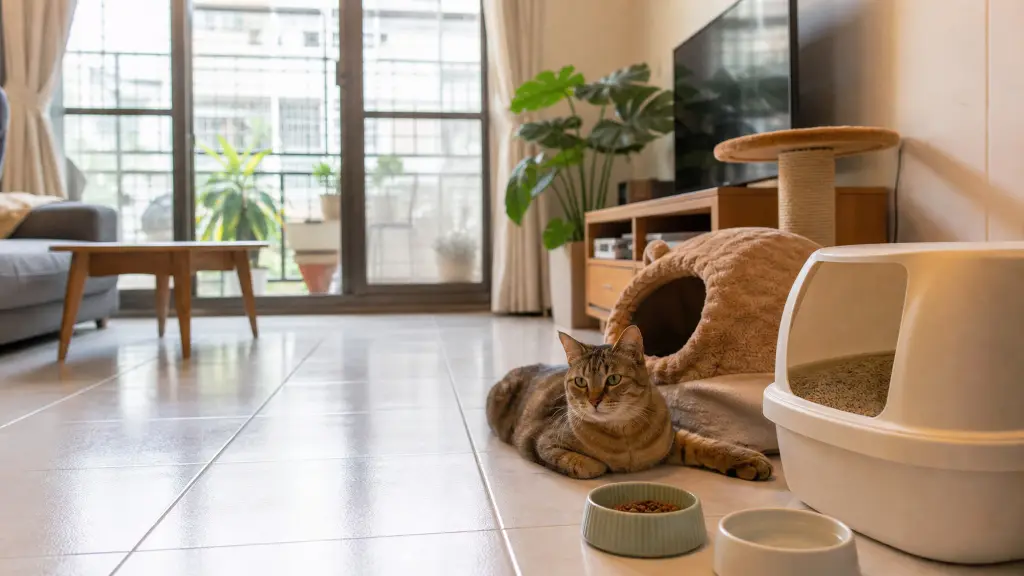
Taiwan's summers are humid and hot, and the rainy season can be muggy. If a cat isn't sleeping well, has skin discomfort, or the litter box smells, it can affect their mood. A clean litter box, a stable water source, a comfortable bed, and a place to hide will help them relax. When the living environment is stable, kisses and hugs are more likely to become interactions your cat willingly participates in.
When to Pause Interactions and Observe for Health or Stress Issues
If a normally affectionate cat suddenly becomes resistant to touch, won't let you hold them, or even hisses or attacks when you approach, don't just dismiss it as a bad mood. Pain, itchy skin, oral discomfort, joint problems, or urinary stress can all make a cat resistant to touch. In such cases, observe their appetite, water intake, urination, activity level, and grooming habits.
If your cat hides for extended periods, grooms excessively, urinates inappropriately, has a decreased appetite, or cries frequently at night, consult a veterinarian as soon as possible. Intimate interactions should be based on the cat being physically comfortable and psychologically secure. When they express stress through their behavior, stopping is more important than continuing to demand kisses.
- Immediate Pause: Hissing, growling, swatting, biting, rapid tail wagging.
- Continuous Observation: Increased hiding, decreased appetite, changes in elimination habits.
- Environmental Adjustment: Add hiding spots, high places, clean litter boxes, and quiet resting areas.
FAQ
Can Cats Be Kissed on the Mouth?
Direct kissing on the mouth is not recommended. Both human and cat mouths have their own bacteria, and kissing can increase hygiene risks and easily cause stress to the cat. If you want to express affection, try slow blinking, gently petting their cheeks, or playing with them.
If My Cat Lets Me Kiss Its Head, Does That Mean It Likes It?
If their body is relaxed, ears are natural, and they aren't trying to get away, it usually means they can accept it. However, it's still recommended to keep it brief, kiss once, and then stop, allowing the cat to retain its choice. If they are still willing to approach after each interaction, that's a better sign.
My Cat Doesn't Like Being Held, How Can I Train It?
Don't rush to pick them up. Start by petting their chin, cheeks, or briefly touching their body. Pair each successful interaction with a treat or praise, and gradually increase the duration of contact. If the cat consistently resists, respect their personality and their dislike of being held.
Are Kittens More Likely to Get Used to Kisses and Hugs?
Kittens generally have a higher adaptability, but this doesn't mean you can kiss or hug them carelessly. Establishing gentle, predictable interactions from a young age is more important than forcing them to accept intimate actions. If they shy away or struggle, let go immediately.
Let Affection Start with Comfortable Daily Life
Whether a cat is willing to approach often relates to how secure they feel in their daily life. A dry and easy-to-clean litter box, a stable water supply, an appropriate scratching post, a comfortable sleeping bed, and safe hiding spaces can all reduce stress and make interactions more natural.
To prevent "kisses" from becoming a tug-of-war, start by respecting your cat's preferred pace of life. CatGarden offers a variety of practical cat supplies suitable for Taiwanese homes and daily care needs, allowing you to build a secure and lasting bond with your cat through lower-stress methods.
Further Reading
- How to Adjust a Cat's Routine? Beginners Start with Feeding, Play, and Wind-Down
- New Cat Home: 7-Day Observation Chart - Eating, Litter Box, and Body Language
- Is an FIV+ Cat Suitable for Adoption? Consider Cohabitation Risks, Isolation, and Daily Care
Frequently Asked Questions
Can Cats Be Kissed on the Mouth?
Direct kissing on the mouth is not recommended because both human and cat mouths have their own bacteria, which can increase hygiene risks and easily cause stress to the cat. If you want to express affection, try slow blinking, gently petting their cheeks, or playing with them.
If My Cat Lets Me Kiss Its Head, Does That Mean It Likes It?
If their body is relaxed, ears are natural, and they aren't trying to get away, it usually means they can accept it. However, it's recommended to keep it brief, kiss once, and then stop, allowing the cat to retain its choice; if they are still willing to approach after the interaction, that's a good sign.
My Cat Doesn't Like Being Held, How Can I Train It?
Don't rush to pick them up. Start by petting their chin, cheeks, or briefly touching their body. Pair each successful interaction with a treat or praise and gradually increase the duration; if they consistently resist, respect their personality and their dislike of being held.
Are Kittens More Likely to Get Used to Kisses and Hugs?
Kittens generally have a higher adaptability, but this doesn't mean you can kiss or hug them carelessly. Establishing gentle, predictable interactions from a young age is more important than forcing them; if they shy away or struggle, let go immediately.
Does My Cat Avoiding Me Mean It Doesn't Love Me?
Not necessarily. A cat's way of showing affection might be sleeping near you, touching you with their tail, slow blinking, or coming for pets at a specific time. Understanding these signals is more important for building a stable relationship than pursuing kisses.
CatGarden offers curated supplies, cat boarding, and grooming
Book services or shop online.