Is It Okay to Adopt a Cat with FIV? Understanding Co-habitation Risks, Isolation, and Daily Care
Is it okay to adopt a cat with FIV? Learn about co-habitation risks, isolation, and daily care. What is an FIV-positive cat? First, distinguish FIV from common colds. An FIV-positive cat is typically infected with Feline Immunodeficiency Virus (FIV). FIV affects the immune system...
Key Takeaways
- An FIV-positive cat is infected with Feline Immunodeficiency Virus (FIV). FIV is not transmissible to humans or dogs, and infection doesn't mean the cat will get sick immediately.
- The most common transmission risk for FIV is deep bite wounds, especially from fights between unneutered male cats, not through airborne particles, shared bowls, or brief contact.
- FIV-positive cats can live with other cats, provided there are no intense fights. The risk of transmission through sleeping together, scent-marking, or sharing spaces is much lower than from deep bites.
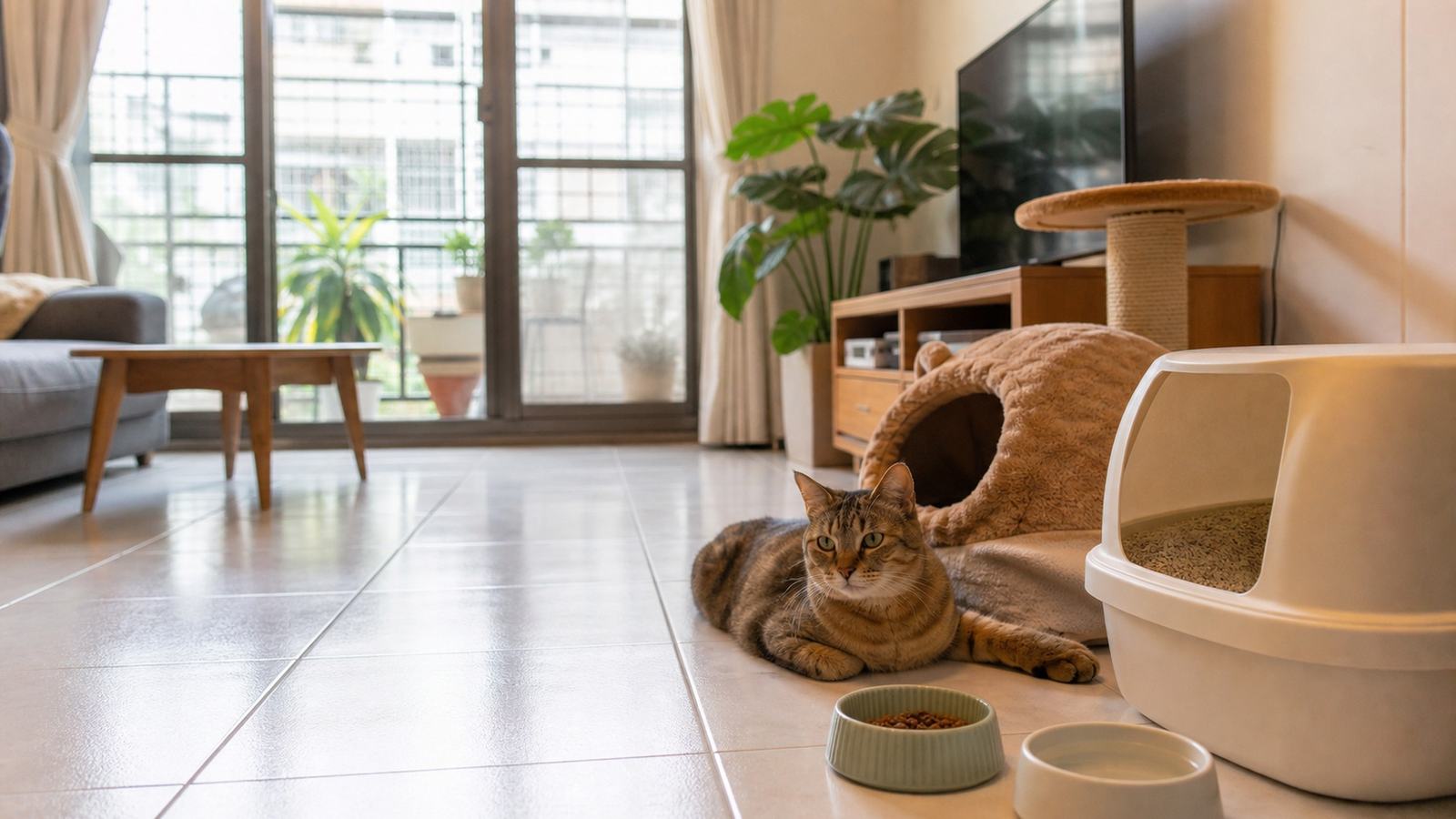
- For multi-cat households, it's recommended to have at least one more litter box than the number of cats, placed in different locations, ensuring each cat has adequate access to litter boxes, water bowls, food bowls, hiding spots, and elevated perches.
- FIV-positive cats should undergo regular health check-ups, focusing on oral health, weight, skin, lymph nodes, and chronic inflammation. This is typically at least annually, or more frequently for older cats or those with chronic conditions.
Is It Okay to Adopt a Cat with FIV? Understanding Co-habitation Risks, Isolation, and Daily Care
What is an FIV-Positive Cat? Distinguishing FIV from Common Cold Transmission
An FIV-positive cat typically refers to a cat infected with Feline Immunodeficiency Virus (FIV). FIV affects the immune system but doesn't necessarily mean the cat will get sick immediately, nor is it transmissible to humans or dogs. Many FIV-infected cats can still live regular, comfortable lives with proper care.
Unlike common cat colds, feline herpesvirus, or calicivirus, FIV is not primarily spread through the air, shared food bowls, or brief contact. The most common transmission risk is through deep bite wounds, especially those sustained during fights between unneutered male cats. Therefore, when assessing adoption, the focus shouldn't be fear of FIV itself, but rather the cat's personality, the dynamics among existing pets, and the care conditions you can provide.
Can FIV-Positive Cats Live with Other Cats? Assessing Fights, Bites, and Resource Allocation
FIV-positive cats are not entirely incompatible with living with other cats, but this is contingent on the existing cats not engaging in intense fights. If interactions are limited to sleeping together, mutual scent-marking, or sharing spaces, the transmission risk is generally much lower than from deep bites. The real concerns are chasing, dominance struggles, resource competition, and chronic stress.
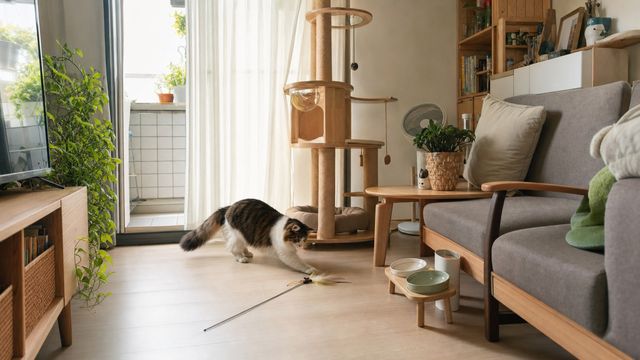
Multi-cat households must first ensure that every cat has sufficient resources, including litter boxes, water bowls, food bowls, hiding spots, and elevated perches. In the limited space of typical urban homes in Taiwan, utilizing vertical space, separate feeding areas, and multiple resting spots is crucial for reducing conflict. If your resident cats are naturally sensitive or prone to fighting, you need to be more cautious in your assessment before adopting.
Pre-Co-habitation Checks
It's advisable to have all resident cats and the new cat undergo basic health check-ups and discuss their FIV, FeLV, vaccination, and parasite status with your veterinarian. If either cat is currently experiencing stomatitis, has external injuries, a fever, or poor appetite, it's best to postpone co-habitation. Once their health is stable, introduce them gradually.
What Questions Should You Ask Before Adopting an FIV-Positive Cat? Confirming Tests, Medical History, and Personality
Before adoption, inquire about the testing methods used, the date of the test, and whether follow-up tests were conducted. For kittens or recently rescued cats, test results may require interpretation based on age and time. If you only know the result was "positive," it's best to request more comprehensive medical records from the foster or shelter.
Also, understand if the cat has a history of frequent colds, stomatitis, skin infections, diarrhea, or weight loss. This information will help you estimate future care frequency and medical budget. It's not meant to disqualify the cat, but to make your preparation more realistic. The key to caring for an FIV-positive cat is early detection of minor issues to prevent them from becoming major problems.
Personality Matters More Than a Label
If you already have cats at home, personality assessment is crucial. Stable, affectionate cats with minimal conflict are generally more suitable for co-habitation than those who are easily stressed or prone to aggression. Before adoption, ask if the cat guards food, is fearful of other cats or people, or tends to bite other cats, as these traits will influence how you arrange their integration.
How to Arrange the First Week with an FIV-Positive Cat? Isolation, Litter Boxes, and Stress Observation
During the first week at home, it's recommended to confine the cat to a separate room or quiet corner. This isolation isn't because they are dangerous, but to give the cat time to adapt to the new smells, sounds, routines, and environment. Ensure the room is equipped with a litter box, food bowl, water bowl, hiding spot, scratching post, and a soft bedding area.
Key observations include appetite, water intake, urination and defecation, breathing sounds, eye and nasal discharge, and overall demeanor. Taiwan's humid summers require good ventilation and appropriate dehumidification to prevent the buildup of litter box odors and mustiness. If the cat consistently refuses to eat, is short of breath, has a fever, or hides to the point of complete withdrawal, contact your veterinarian promptly.
How to Introduce Resident Cats During Isolation
You can start by swapping blankets or toys to familiarize the cats with each other's scents. Then, feed them on opposite sides of a closed door, helping them associate each other's scent with positive experiences. Avoid forcing them to meet on the first day; a single negative encounter can make future co-habitation more challenging.
Daily Care Essentials: Diet, Environmental Hygiene, Regular Check-ups, and Supplies
The focus of daily care for an FIV-positive cat is maintaining a stable immune system and minimizing infection opportunities. For diet, choose high-quality, palatable main food, avoiding long-term reliance on treats or unbalanced nutrition. If the cat has stomatitis, swollen gums, or difficulty chewing, consult your veterinarian for dental care assessment or food texture adjustments.
Environmental cleaning doesn't require harsh disinfection, but litter boxes, food bowls, and water bowls should be cleaned regularly. During humid seasons, use a dehumidifier to reduce mold, odors, and skin issues. For multi-cat households, it's recommended to have at least one more litter box than the number of cats, placed in different locations, to prevent any single cat from being blocked from using the facilities.
Regular health check-ups are vital, especially for monitoring oral health, weight, skin condition, lymph nodes, and signs of chronic inflammation. Discuss the frequency of follow-up visits with a veterinarian experienced in feline medicine; typically, at least annually, or more frequently for older cats or those with chronic conditions. Having reliable cat litter, easy-to-clean bowls, comfortable bedding, and stress-relieving toys will make care more manageable.
FAQ
Can FIV be transmitted to humans?
No. FIV is a feline virus and is not transmissible to humans or dogs. Maintain normal hygiene practices when caring for the cat; there's no need to treat the cat as a source of danger.
Can FIV-positive cats absolutely not share litter boxes with healthy cats?
The primary risk of FIV is not sharing litter boxes, but deep bite wounds. However, for multi-cat households, it's still recommended to provide enough litter boxes to reduce competition for toilet access and stress. With adequate resources, cats are less likely to experience conflict due to stress.
Do FIV-positive cats need to be on medication continuously after adoption?
Not necessarily. Many FIV-infected cats do not require daily medication during their stable phase but need regular monitoring and health check-ups. Medication is only prescribed by a veterinarian based on the situation if stomatitis, infections, or other illnesses arise.
Is it suitable for first-time cat owners to adopt an FIV-positive cat?
Yes, but you must be prepared for regular health check-ups, monitoring for physical changes, and providing a stable environment. For single-cat households, with a stable routine, and a willingness to learn about care, it can actually be very suitable. It's recommended to discuss the specific situation with the foster parent and veterinarian before adoption.
Ending CTA
Adopting an FIV-positive cat is primarily about understanding the risks clearly and preparing your home accordingly. From suitable cat litter and clean food bowls to stress-relieving scratching posts, a stable diet, and daily cleaning supplies, each item impacts the cat's sense of security at home. If you are preparing the environment for a new family member, visit CatGarden to select practical cat supplies. Ensure you have the litter box, cleaning supplies, food, and resting areas ready to help your cat start their new life with peace of mind.
Further Reading
- Is a Mixed-Breed Cat Suitable for Beginners? Assess Personality, Health, and Adaptation Period Before Adoption
- How Many Litter Boxes Are Enough? Consider Cat Numbers, Placement, and Urination Risks
- Is a Norwegian Forest Cat Suitable for Taiwan? Beginners Should Consider Space, Shedding, and Climbing Needs
Frequently Asked Questions
Can FIV be transmitted to humans?
No. FIV is a feline virus and is not transmissible to humans or dogs. Maintain normal hygiene practices when caring for the cat.
Can FIV-positive cats absolutely not share litter boxes with healthy cats?
The primary risk of FIV is not sharing litter boxes, but deep bite wounds. However, for multi-cat households, it's still recommended to provide enough litter boxes to reduce conflicts arising from competition for toilet access and stress.
Do FIV-positive cats need to be on medication continuously after adoption?
Not necessarily. Many FIV-infected cats do not require daily medication during their stable phase but need regular monitoring and health check-ups. Medication is only prescribed by a veterinarian based on the situation if stomatitis, infections, or other illnesses arise.
Is it suitable for first-time cat owners to adopt an FIV-positive cat?
Yes, but you must be prepared for regular health check-ups, monitoring for physical changes, and providing a stable environment. For single-cat households, with a stable routine, and a willingness to learn about care, it can actually be very suitable.
How to arrange the first week with an FIV-positive cat?
It's recommended to confine the cat to a separate room or quiet corner to help them adapt to the new environment. Equip the room with a litter box, food bowl, water bowl, hiding spot, scratching post, and bedding. Monitor their appetite, elimination, breathing, and overall demeanor.
CatGarden offers curated supplies, cat boarding, and grooming
Book services or shop online.