Are Mixed-Breed Cats Suitable for First-Time Owners? Consider Personality, Health, and Acclimation Period Before Adoption
Are mixed-breed cats suitable for first-time owners? Before adopting, consider their personality, health, and acclimation period. What is a mixed-breed cat? The biggest difference from purebred cats. Mixed-breed cats usually refer to cats without a clear single breed lineage, often called mixed-breed cats, domestic cats, or those from rescue backgrounds.
Key Takeaways
- The main difference between mixed-breed cats and purebred cats isn't ease of care, but greater individual variation. It's crucial to assess their actual interaction, age, life experience, and health status, rather than deciding solely based on coat color or cuteness.
- For beginners, a stable adult cat can sometimes be easier to assess than a kitten, as their routines, appetite, and personality are more predictable. Kittens, on the other hand, are energetic and require more companionship and training.
- Before adoption, confirm their health records, including whether they've received internal and external parasite treatment, if they've been spayed/neutered, vaccination history, FIV/FeLV screening results, and any recent issues like diarrhea, sneezing, skin fungus, or appetite changes.
- During the first week at home, it's not recommended to let the cat explore the entire house immediately. It's best to prepare a quiet room or enclosure with food, water, a litter box, a sleeping area, and hiding spots. Bringing a familiar blanket or toy can help build a sense of security.
- The litter box should be at least 1.5 times the cat's body length. Open or semi-open litter boxes are generally more suitable for cats newly arrived in a home, and should be placed in a quiet, easily accessible location away from washing machines, doorways, or food bowls.
Are Mixed-Breed Cats Suitable for First-Time Owners? Consider Personality, Health, and Acclimation Period Before Adoption
What is a Mixed-Breed Cat? The Biggest Difference from Purebred Cats
Mixed-breed cats typically refer to cats without a clear single breed lineage. They are often called domestic cats, moggies, or cats from rescue backgrounds. They may come from shelters, foster homes, street rescues, or be from accidental litters awaiting adoption. Their appearances vary greatly, with common patterns including tabby, tortoiseshell, black, orange, and white with patches.
Compared to purebred cats, the biggest difference with mixed-breed cats isn't "ease of care," but rather greater individual variation. Purebred cats often have more consistent appearances and certain personality tendencies due to breeding goals, though each cat is still unique. Mixed-breed cats require more assessment based on actual interaction, age, life experience, and health status. Beginners should not decide solely based on coat color or cuteness, but rather on whether the cat is a good fit for their lifestyle.
Are Mixed-Breed Cats Suitable for Beginners? Assess Personality Stability and Daily Routine First
Mixed-breed cats can be very suitable for beginners, but the key is whether their personality and daily rhythm match yours. If they have spent time in a foster environment, the foster parent or volunteer can usually observe if they are affectionate, shy, playful, can be held, or get easily stressed. This information is more practical than simply knowing "if it's a kitten," as kittens are energetic and require more companionship and training.
For beginners, adult cats are sometimes more stable than kittens, with more predictable routines, appetites, and personalities. If you live in a typical small apartment common in Taiwan, it's recommended to prioritize cats that can be left alone, are not overly sensitive to noise, and are already litter-trained. If no one is home for long periods during the day, ensure the cat can accept regular playtime rather than requiring constant attention.
Personality Indicators for Beginners to Observe
- Willingness to approach proactively or accept brief petting.
- Reaction to unfamiliar noises: do they hide briefly and recover, or remain stressed for a long time?
- Normal eating, drinking, and litter box usage.
- Any obvious aggression or excessive fear when interacting with other cats or people.
What to Ask Before Adoption? Health, Spay/Neuter, Vaccinations, and Interaction Records
Asking about health records before adoption can significantly reduce post-adoption anxiety. It's recommended to confirm if they've received internal and external parasite treatment, if they've been spayed/neutered, their vaccination schedule, FIV/FeLV screening results, and any recent issues like diarrhea, sneezing, skin fungus, or appetite changes. This isn't about being picky, but about estimating care costs and planning veterinary visits.
If adopting a mixed-breed cat from a foster or shelter, inquire about their interaction history. Have they lived with other cats, are they afraid of children, can they tolerate nail trimming, do they vocalize excessively at night, and what are their food and litter preferences? Understanding their previous living habits will help prevent stress-related behaviors due to environmental changes at home.
Recommended Questions Before Adoption
- Current age, weight, appetite, and bowel movement stability.
- Whether they are spayed/neutered, and when it's suitable to schedule if not.
- Availability of dates for vaccination and deworming records.
- Usual type of litter, kibble, or wet food used.
- Any long-term health issues requiring monitoring.
How to Arrange the First Week at Home? Isolation Space, Scent, and Litter Box Location
When a mixed-breed cat first arrives at a new home, it's not advisable to let them explore the entire house immediately. For the first week, it's best to prepare a quiet room or enclosure with food, water, a litter box, a sleeping area, and hiding spots. Taiwan's summers are humid and hot, so ensure good ventilation but avoid direct air conditioning. Also, pay attention to dehumidifiers, electrical cords, and window safety.
Cats rely on scent to build security. When they first arrive home, bring a familiar small blanket, sleeping mat, or toy. Avoid holding them frequently for the first few days, and don't stare at them constantly; let them decide when to explore. The litter box should be placed in a quiet, easily accessible location, away from washing machines, doorways, or food bowls.
First Week Acclimation Plan
- Days 1-2: Confine to a safe small space, observe eating, drinking, and litter box use.
- Days 3-5: Engage in short play sessions with a wand toy, without forcing contact.
- Days 6-7: If stable, gradually open up more areas.
- If you already have cats, isolate the new cat first, then slowly exchange scents.
What Supplies Should Beginners Prepare First? Avoid Mistakes and Help Your Cat Feel Secure Faster
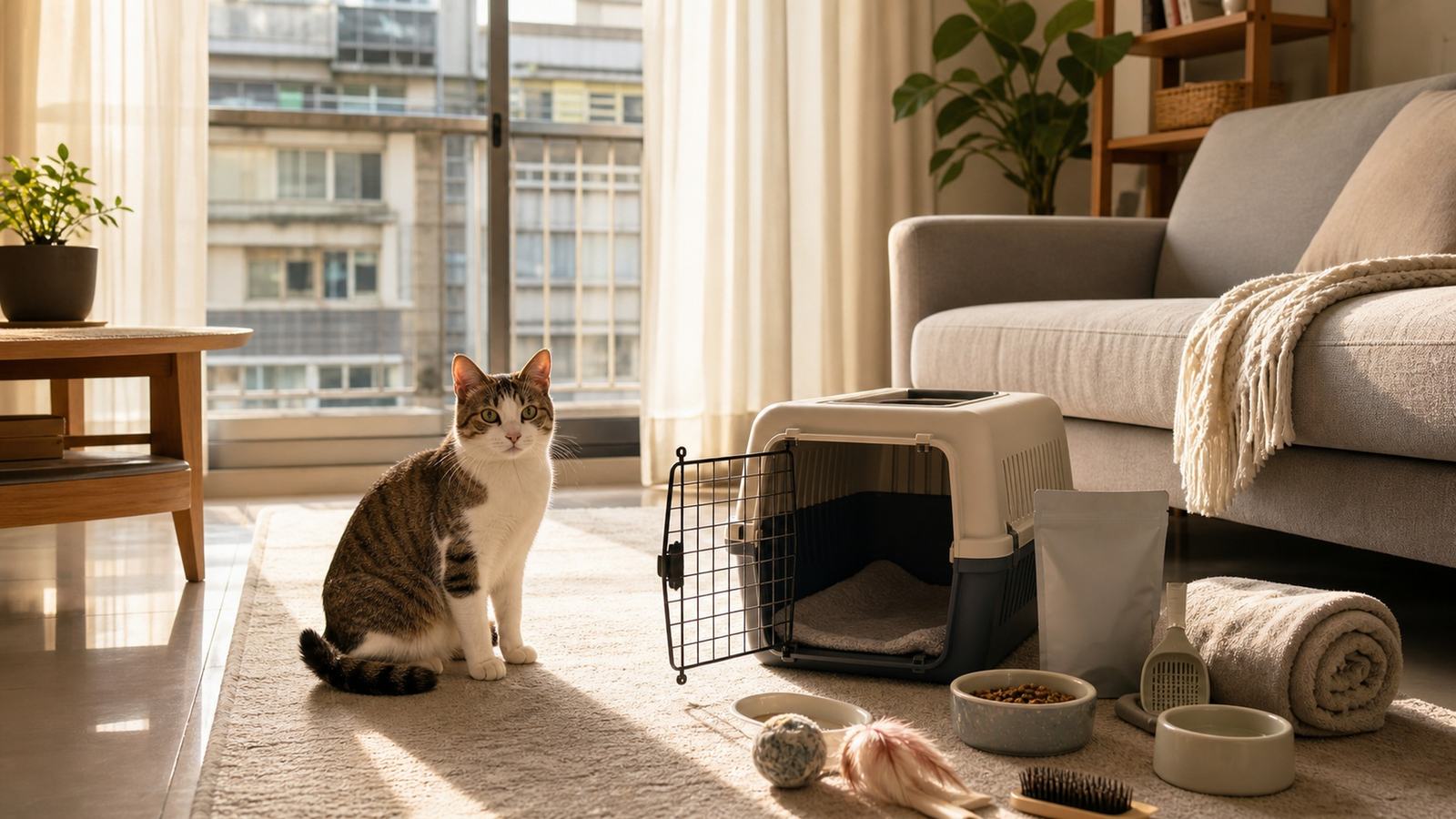
Beginners often buy too much initially, but it's truly important to get the basic supplies right. Before adopting a mixed-breed cat, it's recommended to prepare a sturdy carrier, litter box, litter, food and water bowls, main food, scratching post, hiding bed, and wand toy. Supplies don't have to be expensive, but their size, placement, and safety should meet the cat's needs.
The litter box should be at least 1.5 times the cat's body length. Open or semi-open litter boxes are generally more suitable for cats newly arrived in a home. Food bowls can be shallow and made of easy-to-clean material. Keep water and food bowls separate to encourage drinking. If you live in a small urban apartment, vertical space is crucial; use window perches, scratching posts, or shelves to give your cat places to observe and rest.
Priority Supply Checklist
- Carrier: Essential for adoption transport and vet visits. Choose a sturdy, easy-to-clean model.
- Litter Box and Litter: Start with the type of litter they are used to; gradually switch later once they are settled.
- Main Food and Water Bowls: Avoid frequent food changes initially to prevent digestive upset.
- Scratching Post and Toys: Provide outlets for scratching and expending energy, reducing furniture scratching.
- Hiding Space: Cardboard boxes, beds, or curtained corners can help reduce stress.
FAQ
Are mixed-breed cats healthier than purebred cats?
Not necessarily. Mixed-breed genetics may distribute the risk of certain inherited diseases more widely, but they can still develop issues like stomatitis, kidney problems, skin conditions, gastrointestinal issues, or infections. Reviewing their health records before adoption and scheduling a veterinary check-up upon arrival is more reliable than judging based on breed alone.
Are kittens or adult cats more suitable for beginners?
If it's your first time owning a cat, a stable adult cat is usually easier to assess and manage their routine. Kittens are cute but highly active, requiring more time for play, training, and safety supervision. The choice should depend on your available time, budget, and living environment.
Is it normal for a newly adopted cat not to eat?
It's common for them to be nervous, hide, or eat less for a short period. However, if they haven't eaten almost anything for over 24 hours, or if accompanied by vomiting, diarrhea, or lethargy, consult a veterinarian immediately. Using familiar food and litter during the initial adjustment period can reduce stress.
Can I adopt another cat if I already have one?
Yes, but direct introductions are not recommended initially. The new cat should be isolated first to confirm their health and normal elimination. Then, gradually introduce them through scent exchange, feeding through a barrier, and short supervised meetings. Each cat's pace of accepting a new companion varies, and the process may take several weeks.
Do mixed-breed cats require a lot of supplies?
You don't need to buy everything at once. A safe carrier, litter box, litter, main food, water bowl, scratching post, toys, and a hiding spot are sufficient to start. Once they are settled, you can add items like cat trees, water fountains, or different types of beds based on their preferences.
Conclusion: Understand Them First, Then Prepare a Safe Home
Adopting a mixed-breed cat isn't like drawing a blind box; it's about finding a family member who fits your lifestyle through observation, inquiry, and preparation. Beginners don't need to buy everything at once. Prioritizing safe spaces, food, water, litter, and rest areas will help the cat settle down faster. If you're preparing to welcome a cat, CatGarden also offers a curated selection of cat supplies suitable for Taiwanese homes, from litter boxes and carriers to scratching posts and daily care items. You can choose gradually based on beginner needs, reducing mistakes and making your cat's first day home more secure.
Further Reading
- How Many Litter Boxes Are Enough? Consider Cat Numbers, Placement, and Urination Risks
- Are Norwegian Forest Cats Suitable for Taiwan? Beginners Should Consider Space, Shedding, and Climbing Needs
- Are Devon Rex Cats Suitable for Beginners? Assess Their Affection Level, Sensitivity to Cold, and Daily Care
Frequently Asked Questions
Are mixed-breed cats healthier than purebred cats?
Not necessarily. Mixed-breed genetics may distribute the risk of certain inherited diseases more widely, but they can still develop issues like stomatitis, kidney problems, skin conditions, gastrointestinal issues, or infections. Reviewing their health records and scheduling a veterinary check-up is more reliable than judging based on breed alone.
Are kittens or adult cats more suitable for beginners?
If it's your first time owning a cat, a stable adult cat is usually easier to assess and manage their routine. Kittens are highly active, requiring more time for play, training, and safety supervision. The choice should depend on your available time, budget, and living environment.
Is it normal for a newly adopted cat not to eat?
It's common for them to be nervous, hide, or eat less for a short period. However, if they haven't eaten almost anything for over 24 hours, or if accompanied by vomiting, diarrhea, or lethargy, consult a veterinarian immediately. Using familiar food and litter during the initial adjustment period can reduce stress.
Can I adopt another cat if I already have one?
Yes, but direct introductions are not recommended initially. The new cat should be isolated first to confirm their health and normal elimination. Then, gradually introduce them through scent exchange, feeding through a barrier, and short supervised meetings; the process may take several weeks.
Do mixed-breed cats require a lot of supplies?
You don't need to buy everything at once. A safe carrier, litter box, litter, main food, water bowl, scratching post, toys, and a hiding spot are sufficient to start. Once they are settled, you can add items like cat trees, water fountains, or different types of beds based on their preferences.
CatGarden offers curated supplies, cat boarding, and grooming
Book services or shop online.