Are Devon Rex Cats Suitable for First-Time Owners? Consider Their Affection, Cold Sensitivity, and Daily Care
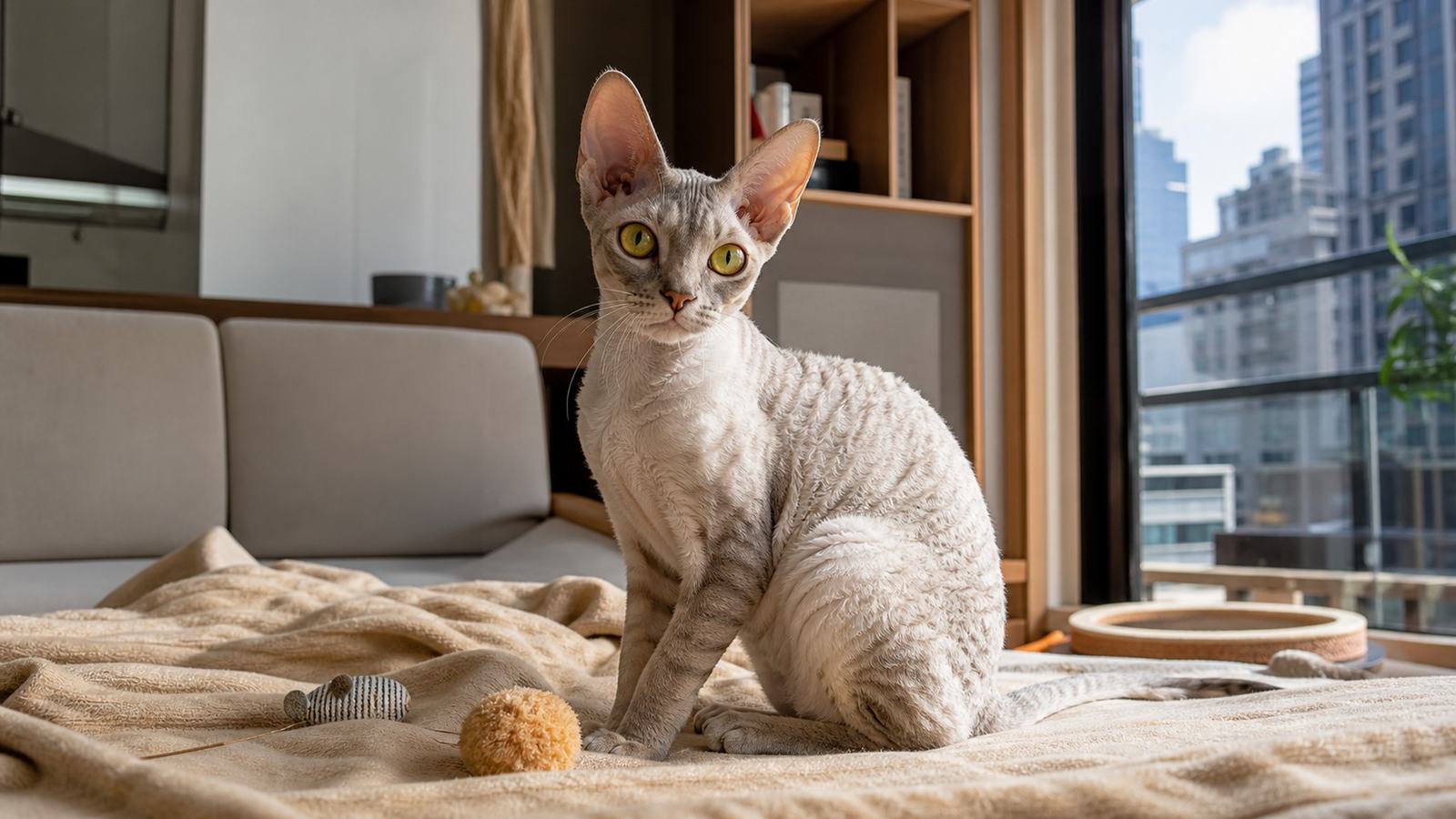
Why do people say they can't go back after owning a Devon Rex? Devon Rex cats are often described as little elves, with large ears, short curly fur, and expressive faces. What fascinates people most is not their rarity, but their strong interactive nature and their tendency to actively seek closeness.
Key Takeaways
- Devon Rex cats have large ears, short curly fur, and expressive faces. Their defining characteristic is their strong interactive nature and tendency to be affectionate and follow their owners from the living room to the bathroom.
- Devon Rex cats can be beginner-friendly, provided owners are willing to spend time with them. Those with long work hours, frequent business trips, or who can't play much may find their cats becoming bored, anxious, or overly attention-seeking.
- Devon Rex cats have thin fur and are less insulated than they appear. Taiwan's damp, cold weather or air-conditioned rooms can make them uncomfortable. When cold, they often burrow under blankets, seek warmth near appliances, or snuggle close to people.
- Devon Rex cats generally shed less, but some individuals have more noticeable skin oil secretion. Their ears, chin, paw pads, and skin folds require regular checks. Bathing frequency should be adjusted based on veterinary advice and skin condition.
- When acquiring a Devon Rex, the source is more important than the price. Confirm age, vaccination, deworming, parental health information, and purchase or adoption documents. Be wary if rarity, low price, or quick handover are emphasized without care records.
Why Do People Say They Can't Go Back After Owning a Devon Rex?
Devon Rex cats are often described as little elves, with large ears, short curly fur, and expressive faces. What fascinates people most is not their rarity, but their strong interactive nature. They actively approach their owners, observe household activities, and often want to participate in human life. Many people who own a Devon Rex for the first time feel that their cat is not just "living in the house," but more like a little companion they live with every day.
They are typically very curious and energetic, enjoying climbing high places and playing with feather wands. They might also follow their humans from the living room to the bathroom. This affectionate trait is adorable, but it also means they may not be suited for long periods of neglect. If you prefer quiet, independent cats with low interaction needs, a Devon Rex might require more companionship than you expect.
Are Devon Rex Cats Suitable for Beginners? Consider Your Routine and Companionship Time
Devon Rex cats can be a beginner-friendly breed, but only if the owner is willing to spend time understanding their needs. They are generally affectionate, learn quickly, and are more willing to interact with people, making it not too difficult to build a bond for first-time cat owners. However, being affectionate doesn't mean they are easy to care for; they are quite sensitive to companionship, environmental changes, and daily routines.
If you have long work hours, travel frequently, or don't have the energy to play with your cat after returning home, they may exhibit boredom, anxiety, or excessive attention-seeking behaviors. Small urban apartments in Taiwan often lack space, making it even more crucial to supplement their activity levels with vertical spaces, cat trees, and dedicated playtime. Beginners considering a Devon Rex should honestly assess their own lifestyle rather than being swayed solely by their cute appearance.
Ideal Owner Profile
- Can schedule dedicated interaction time daily, such as playtime, grooming, or simply being present.
- Willing to monitor their skin, ears, appetite, and weight changes.
- Can accept a cat that is clingy, follows them around, and wants to participate in daily activities.
- Can provide a warm environment, cat trees, hiding spots, and safe toys at home.
Cold Sensitivity, Skin Oils, and Low Shedding: Daily Care Beyond Appearance
Many assume that short, curly fur means easy care, but Devon Rex cats have thin coats and are less insulated than they appear. Taiwan's summers are humid and hot, and while winters aren't extremely cold, the damp chill is noticeable. Northern regions, the rainy season, or air-conditioned rooms can cause discomfort. When cold, Devon Rex cats often burrow under blankets, seek warmth near appliances, or snuggle close to people.
They generally shed less, making them somewhat more friendly for cleaning routines, but this doesn't mean they don't require cleaning. Some individuals have more noticeable skin oil secretion, requiring regular checks of their ears, chin, paw pads, and skin folds. Bathing frequency should not be based solely on internet advice but adjusted according to veterinary recommendations, skin condition, and living environment.
Daily Care Focus
When caring for a Devon Rex, the focus should be on "consistent observation" rather than excessive cleaning. If their ears frequently have dark discharge, or their skin shows redness or itching, consult a veterinarian first to determine the cause, rather than frequently using cleaning solutions yourself. Taiwan's high humidity means cat beds, blankets, and sleeping pads should also be kept dry to prevent skin issues.
If your home is air-conditioned for extended periods, consider providing warm beds, light blankets, or washable sleeping pads so the cat can choose a comfortable spot. In winter, add soft bedding, but avoid heating devices with difficult-to-control temperatures or exposed wires. When choosing supplies, safety, ease of cleaning, and material stability are more important than cute aesthetics.
Health, Source, and Cost Considerations Before Acquisition
When seeking a Devon Rex cat, the source is more important than the price. Before acquiring one, confirm the cat's age, vaccination records, deworming history, parental health information, and whether clear purchase or adoption documents are available. If the seller emphasizes rarity, low price, or quick handover without providing basic care records, be highly suspicious.
Common health concerns discussed for Devon Rex cats include skin issues, gastrointestinal problems, dental health, musculoskeletal issues, and genetic disease risks, though individual variations are significant. Potential owners shouldn't be deterred, but rather inquire thoroughly before acquisition and budget for regular check-ups and potential emergency medical expenses. Veterinary care is accessible in Taiwan, but costs can accumulate, especially during kittenhood, dietary changes, or recurring skin problems.
Questions to Ask Beforehand
- What food or wet food does the cat currently eat? Has it experienced soft stools, picky eating, or allergies?
- Are vaccinations, microchip, deworming, and health checks complete?
- Do the parent cats have health screenings or known medical histories?
- If health issues arise after bringing the cat home, does the seller offer reasonable assistance?
Home Preparation: Supplies, Warmth, and Interaction Environment Check
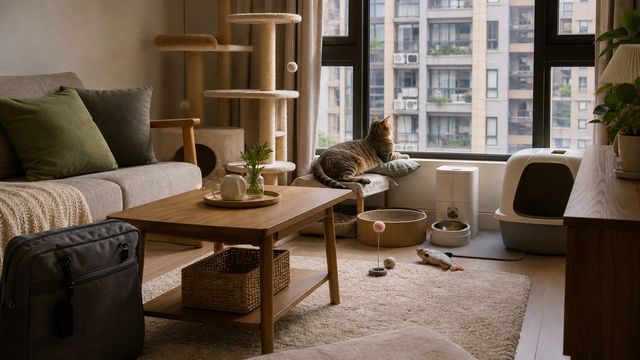
Before welcoming a Devon Rex home, plan their eating, sleeping, litter box, and activity areas. It's recommended to place the litter box in a quiet, well-ventilated, and easily accessible location, away from food and water bowls. If you live in a studio or small apartment, utilize cat trees, shelves, and window perches to increase vertical living space.
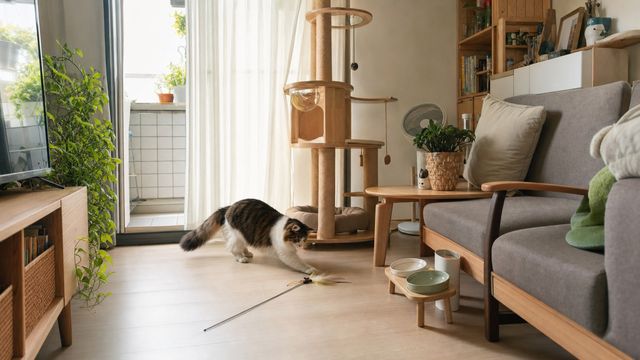
The interaction environment is also crucial, as they don't just need toys but also human engagement. Feather wands, puzzle toys, replaceable scratching boards, and safe hiding spots can help them expend energy. Short, frequent interaction sessions daily are usually more suitable for a Devon Rex's lifestyle than one long session on the weekend.
Pre-Arrival Supply Checklist
- Feeding Supplies: Stable food bowls, a water fountain or large-mouthed water bowl, their usual staple food.
- Cleaning Supplies: Litter box, cat litter, odor-control cleaning products, washable sleeping pads.
- Warmth Supplies: Cat bed, light blankets, soft resting areas for air-conditioned rooms.
- Interaction Supplies: Feather wand, scratching board, cat tree, puzzle feeder toys.
The most common oversight for new owners is "not buying too much at once." Cats have preferences for materials, litter texture, bowl height, and sleeping spots. Start with basic, safe, and adjustable items, then gradually add more based on their habits once they settle in. This not only saves money but also reduces the chance of buying unsuitable items.
FAQ
Are Devon Rex Cats Really That Affectionate?
Most Devon Rex cats tend to be people-oriented, enjoying following their owners, sleeping nearby, or participating in household activities. However, each cat's personality differs; kitten socialization, upbringing environment, and owner interaction styles all influence their level of affection. If you desire a completely independent cat, they might not be the most low-maintenance choice.
Devon Rex Cats Shed Little, Are They Suitable for Allergic Individuals?
They generally shed less, but cat allergies are not solely caused by fur; they can also be related to dander and saliva proteins. Therefore, it cannot be guaranteed they are suitable for everyone with allergies. It's recommended to have direct contact before acquisition and observe for sneezing, itchy eyes, or skin discomfort.
Do Devon Rex Cats Need Frequent Baths?
Not necessarily frequent baths; frequency should be adjusted based on skin oiliness, living environment, and veterinary advice. Over-bathing can lead to dry or irritated skin. Regular cleaning of ears, chin, paw pads, and sleeping areas is a good starting point.
Do They Need to Wear Clothes in Taiwan's Winter?
Some Devon Rex cats may require extra warmth in damp, cold weather or air-conditioned rooms, but not all are suited to wearing clothes. If clothing causes stiffness, reluctance to move, chewing, or anxiety, switch to blankets, cat beds, and warm resting areas. The key to warmth is allowing the cat to choose freely, not forcing a specific method.
What is the Most Important Thing for a New Owner to Prepare for a Devon Rex?
Besides basic supplies, the most crucial preparations are time, budget, and observational skills. They need interaction and owners who pay attention to their skin, weight, appetite, and energy levels. Establishing a consistent routine will make things easier for both the new owner and the cat.
Conclusion: Prepare Your Life First, Then Welcome Your Adorable, Clingy Kitten
The charm of the Devon Rex lies in their affectionate, intelligent, and highly interactive nature. However, these qualities also mean they require stable companionship, a warm environment, and attentive care. Before deciding to bring one home, ensure your lifestyle, budget, home space, and supplies are ready. This is more important than acting on impulse. If you are preparing a litter box, sleeping pad, warming supplies, scratching board, or interactive toys, CatGarden also offers a curated selection of cat supplies suitable for Taiwanese homes, allowing you to start with everyday essentials and create a more comfortable and safe living environment for your new family member.
Further Reading
- What to Do When Your Cat Wakes You Up Early Every Morning? Check if They're Hungry, Bored, or Have Developed a Routine
- What Questions to Ask When Adopting a Cat? New Owners Should Prepare Questions, Observe Interactions, and Set Up a Home Isolation Space
- Are Siberian Cats Suitable for Taiwan? Consider Personality, Shedding, and Allergy Myths
Frequently Asked Questions
Are Devon Rex Cats Really That Affectionate?
Most Devon Rex cats tend to be people-oriented, enjoying following their owners, sleeping nearby, or participating in household activities. However, each cat's personality differs; kitten socialization, upbringing environment, and owner interaction styles all influence their level of affection.
Devon Rex Cats Shed Little, Are They Suitable for Allergic Individuals?
They generally shed less, but cat allergies are not solely caused by fur; they can also be related to dander and saliva proteins. Therefore, it cannot be guaranteed they are suitable for everyone with allergies. It's recommended to have direct contact before acquisition and observe for sneezing, itchy eyes, or skin discomfort.
Do Devon Rex Cats Need Frequent Baths?
Not necessarily frequent baths; frequency should be adjusted based on skin oiliness, living environment, and veterinary advice. Over-bathing can lead to dry or irritated skin. Regular cleaning of ears, chin, paw pads, and sleeping areas is a good starting point.
Do They Need to Wear Clothes in Taiwan's Winter?
Some Devon Rex cats may require extra warmth in damp, cold weather or air-conditioned rooms, but not all are suited to wearing clothes. If clothing causes stiffness, reluctance to move, chewing, or anxiety, switch to blankets, cat beds, and warm resting areas, allowing the cat to choose freely.
What is the Most Important Thing for a New Owner to Prepare for a Devon Rex?
Besides basic supplies, the most crucial preparations are time, budget, and observational skills, paying attention to their skin, weight, appetite, and energy levels. Establishing a consistent routine will make things easier for both the new owner and the cat.
CatGarden offers curated supplies, cat boarding, and grooming
Book services or shop online.