What to Ask When Meeting Cats at an Adoption Event: A Beginner's Checklist for Questions, Interaction, and a Quarantine Space
What should you ask when meeting cats at an adoption event? Beginners should prepare questions, observe interactions, and set up a quarantine space at home. An adoption event isn't about picking by looks; first, determine which personality suits you. Many first-time attendees are drawn to a cat's coloring, eyes, or photos.
Key Takeaways
- When choosing a cat at an adoption event, their personality, habits, sociability, and your home environment are more important than their looks for long-term compatibility.
- The focus during observation isn't on a cat's perfect behavior, but on how quickly they recover from stress when interacting with people, sounds, and activities. Signs of stress include flattened ears, a rapidly flicking tail, hissing, growling, or a stiff body, all indicating a need for distance.
- Essential information to ask the foster parent includes the cat's age, origin, current diet and litter type, spay/neuter status, vaccination and deworming history, microchip status, and any history of illnesses like panleukopenia, ringworm, ear mites, gastrointestinal issues, respiratory problems, as well as FIV and FeLV test results.
- Before bringing a new cat home, prepare a quarantine space with basic supplies: litter box, litter, food and water bowls, a hiding spot, scratching post, bedding, and a carrier. Place the litter box away from food and water bowls.
- It's generally recommended to observe a new cat for 7 to 14 days after arrival. This period may be longer if you have existing cats. During quarantine, monitor their eating, drinking, elimination, energy levels, and any signs of contagious symptoms.
What to Ask When Meeting Cats at an Adoption Event: A Beginner's Checklist for Questions, Interaction, and a Quarantine Space
Adoption Events Aren't About Picking by Looks: First, Determine Which Personality Suits You
It's natural for many first-time attendees at adoption events to be drawn to a cat's coloring, eyes, or photos. However, this shouldn't be the sole deciding factor. What truly influences your future relationship with a cat are its personality, habits, sociability, and your current home environment. Especially in common urban settings with smaller living spaces in Taiwan, a cat's need for activity space and its tolerance for noise and human traffic are more critical than its appearance.
Before you go, consider your lifestyle: Are you home most of the time, or are you out during the day? Do you have children, elders, or other pets (cats or dogs) at home? If you desire a very affectionate cat that will sleep with you or be cuddled, understand that not every cat is suited for this type of interaction. The goal of an adoption event isn't to "pick the cutest one," but to find a pairing where both you and the cat experience less stress.
Write Down Your Expectations to Avoid Impulsive Decisions
It's advisable to list your acceptable and unacceptable conditions beforehand. For example: Can you care for a kitten? Can you handle a shy cat? Do you have the capacity for chronic illness care? Kittens are lively and cute but require more attention, play, and safety checks. Adult cats have more stable personalities, making them easier to assess for suitability for beginners. If you live in a humid environment, also consider litter type, ventilation, dehumidification, and cleaning frequency.
When you see a cat you like at the event, don't rush to say, "I want this one." Consider its reactions, the information provided by the foster parent, and your own household conditions together. Adoption is a long-term commitment, not just a same-day process. The sooner you adjust your expectations to be realistic, the lower the risk of rehoming or failed integration later on.
What to Observe When Meeting Cats at the Event: Reactions to Hiding, Approaching, Petting, and Play
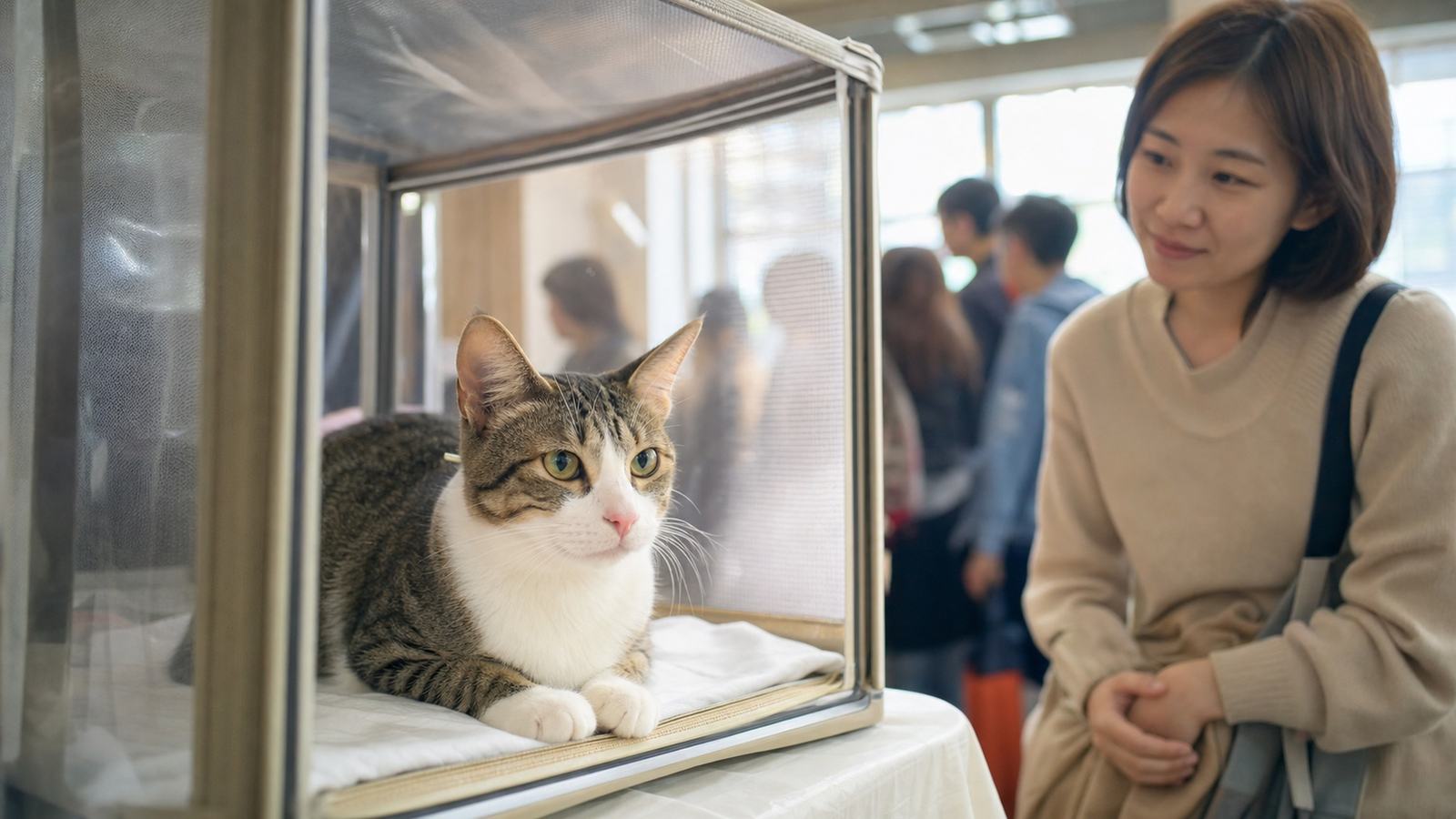
At an adoption event, cats may be nervous due to the unfamiliar environment, sounds, and crowds. Therefore, don't just look for immediate affection. Some cats that appear quiet in their carriers might actually be scared, while others that meow constantly might just be stressed. The key observation isn't about perfect behavior, but how quickly they recover from stress when interacting with people, sounds, and activities.
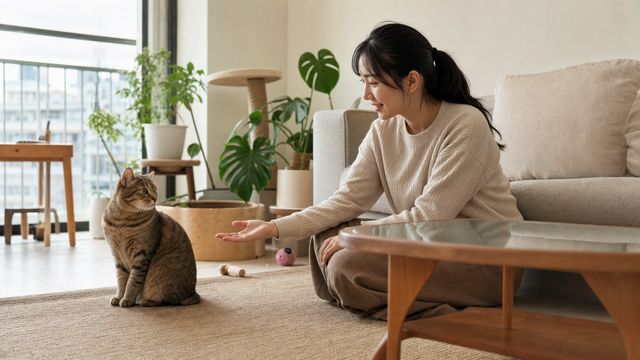
You can start by standing nearby and observing if they hide in a corner, if they make eye contact, if they sniff your hand, or if they react to a wand toy. If the foster parent allows interaction, let the cat sniff your hand before reaching out; avoid petting the head directly or picking them up immediately. A cat that approaches, lightly touches, plays briefly, and then retreats is assessing the environment. An adoption event performance is only a reference; it's best to combine it with the foster parent's daily observations for a better judgment.
Observe Reactions to Petting, Holding, and Play, Paying Attention to Boundaries
If a cat moves away after being petted once, it doesn't necessarily mean it's not affectionate; it might just be too noisy or unfamiliar with the situation. Instead, pay attention to clear stress signals like flattened ears, a rapidly flicking tail, hissing, growling, or a stiff body. These signals aren't bad temperaments but are the cat's way of saying, "I need space." Respecting boundaries is crucial for building trust in the future.
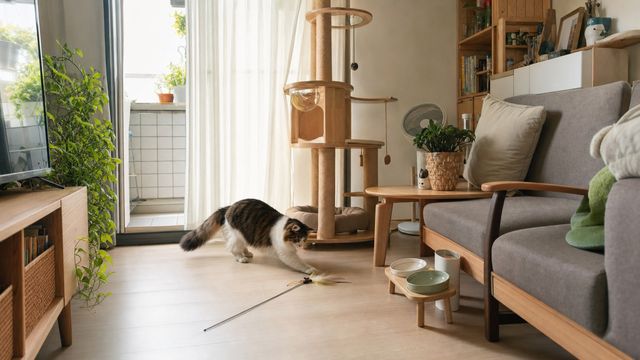
Play responses are also very informative. A cat willing to chase a wand toy usually has the energy for exploration and interaction. A cat that remains completely still might be stressed, tired, or simply naturally calm. If you already have cats at home, inquire about their experience living with other felines. Don't base your decision solely on "Can I pet them?"; the true beginning is the sense of security they feel at home.
Questions You Must Ask the Foster Parent: Age, Spay/Neuter, Vaccinations, Medical History, and Socialization Records
One of the most important tasks at an adoption event is to get clear answers to your questions. You can start by asking the cat's approximate age, origin, current diet, type of litter used, and whether basic health checks have been performed. Age influences care needs; kittens require small, frequent meals and environmental safety, while adult cats' care depends on the stability of their past living habits.
Next, confirm their spay/neuter status, vaccination and deworming history, and microchip status. If not yet spayed/neutered, ask about the planned schedule, who will cover the costs, and if there's a preferred veterinary clinic. For vaccinations, confirm the dates and types administered, and keep the records. These aren't meant to inconvenience the foster parent but to inform you about the necessary follow-up care.
Ask Specific Questions About Medical History and Socialization
Regarding medical history, ask: Have they had panleukopenia, ringworm, ear mites, gastrointestinal issues, or respiratory symptoms? Have they been tested for Feline Immunodeficiency Virus (FIV) or Feline Leukemia Virus (FeLV)? A cat having been sick doesn't mean it's unadoptable, but you need to know if follow-up, isolation, or extra budget is required. Taiwan's rainy season and humid summers mean skin issues, fungal infections, and environmental hygiene cannot be overlooked.
Socialization records are also crucial. For example, are they shy, can they coexist with other cats, do they bite or scratch, do they urinate inappropriately, or vocalize excessively? Ask the foster parent to describe their usual behavior in the foster home or shelter environment, not just their demeanor on the day of the event. Adoption events have limited time, but the more specific your questions, the less likely you are to discover incompatibility after they come home. If the foster parent is willing to honestly discuss both the pros and cons, it's usually a good sign.
Prepare a Quarantine Space Before They Come Home: Litter Box, Bowls, Hiding Spot, and Carrier
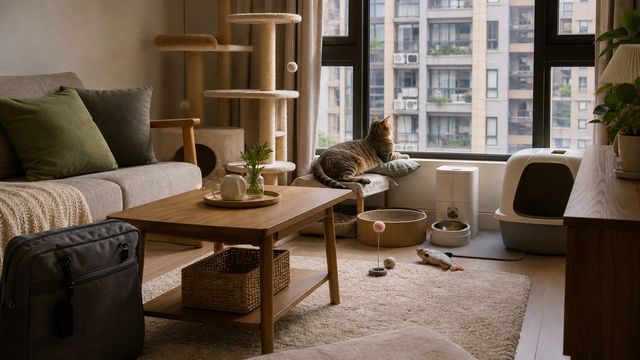
Don't wait until the cat is at your doorstep to find a litter box and food. Before a new cat arrives home, it's best to prepare a quiet, closable, and easy-to-clean quarantine space, such as a study, guest room, or a well-ventilated small room. Quarantine isn't a punishment; it's about allowing the cat to build a sense of security in a small area and making it easier for you to monitor their appetite, elimination, and energy levels.
Basic supplies include a litter box, litter, food bowls, water bowls, a hiding spot, a scratching post, bedding, and a carrier. Place the litter box in an easily accessible location but not right next to the food bowls. Water bowls can be placed a bit further from the food. Hiding spots can be created with cardboard boxes or cat beds, giving them a place to retreat. When they first arrive from the adoption event, avoid having the whole family take turns petting them; let them explore on their own first.
During Quarantine, Observe Eating, Drinking, Elimination, and Stress
Hiding is a common reaction for cats in the first few days at a new home. You need to observe if they are eating, drinking, using the litter box, and if they have persistent diarrhea, vomiting, sneezing, or decreased energy. If they refuse to eat for more than a day or show obvious abnormalities, it's recommended to consult a veterinarian promptly. Beginners should not self-medicate or use home remedies.
If you already have cats at home, quarantine is even more critical. New cats and resident cats need to gradually adapt through scent exchange, observation through the door gap, and short introductions. It's not advisable to put them together immediately upon arrival. Keep the carrier in the room; it will be useful for future vet visits or emergencies. The more prepared you are, the less chaotic the first week after the adoption event will be.
When Should You Hold Off on Bringing Them Home? Risk Assessment Before Impulsive Adoption
If you're simply moved by a cute face that day but haven't discussed it with your family, aren't sure if your landlord allows pets, or haven't prepared the necessary supplies, it's best to wait. Adoption is not an emotional outlet for rescue; it's a commitment to care that can last over a decade. Renters, in particular, must confirm their lease agreement and roommates' attitudes to avoid conflicts after the cat arrives.
Also, assess your time and budget. Daily expenses include food, litter, regular deworming, vaccinations, check-ups, and unexpected medical costs. If your work or life is undergoing major changes, such as moving, long-term business trips, or an unconfirmed family allergy, it's also advisable to postpone. You can attend adoption events multiple times; there's no need to make "taking them home today" your only success metric.
If Information is Unclear, Ask for More Details or a Second Meeting
If the adoption information is sparse, such as unknown age, incomplete health records, or vague personality descriptions, you can ask the foster parent to provide more details. Responsible foster parents usually want adopters to think carefully, not just to facilitate a quick adoption. If the cat has special needs, such as extreme shyness, a chronic illness, or requires a single-cat household, you must be certain you can truly handle it.
Some organizations arrange home visits, require adoption agreements, or conduct follow-ups. These procedures are in place to protect the cat and the adopter. You can view them as a process for both parties to confirm suitability. Adoption events offer opportunities for connection, but the real focus is on stable long-term care. Making a decision slowly is usually more responsible than an impulsive adoption.
FAQ
Do I need to bring a carrier to my first adoption event?
It's recommended to bring one, but it doesn't mean you have to take a cat home that day. A carrier provides a safe way to transport the cat once the adoption process is complete. If you haven't prepared a quarantine space, it's best not to take a cat home from the event.
Is a cat that seems very fearful at an adoption event suitable for a beginner?
It depends on the degree of fear and your patience. Shy cats aren't necessarily unsuitable for beginners, but they require a stable environment, low-stimulation interactions, and a longer adaptation period. If you expect quick affection, cuddling, and sleeping together, you may need to reconsider.
Is it essential to ask about health checks before adopting?
It's highly recommended. At a minimum, confirm deworming, vaccinations, spay/neuter status, medical history, and recent appetite and energy levels. If complete records aren't available, you can also ask if a veterinary check-up can be arranged beforehand. Knowing the situation clearly will help you plan subsequent care.
How long should a new cat be quarantined at home?
Generally, at least 7 to 14 days of observation are recommended. This period may be longer if you have existing cats. During quarantine, monitor their eating, drinking, elimination, energy levels, and any signs of contagious symptoms. Once the new cat is stable, gradually introduce scent exchange and short meetings.
Can I visit an adoption event just to look and not adopt that day?
Yes, and it's highly recommended for beginners to visit a few times. Through on-site interactions, you can understand different cats' personalities and become familiar with the adoption process and the questions you need to prepare. Not rushing the decision makes it easier to find a suitable cat.
Before Adopting, Prepare Your Cat Supplies
Bringing a cat home from an adoption event will be much smoother during the first week of adjustment if you have already prepared a litter box, litter, food bowls, water bowls, a carrier, a scratching post, and a hiding spot. CatGarden offers a selection of cat supplies suitable for Taiwanese home environments, allowing you to get everything you need, from daily essentials to supplies for a new cat's quarantine space, all in one place. Preparing the basic necessities before welcoming your cat home provides peace of mind for both beginners and the cat.
Further Reading
- Is the Siberian Cat Suitable for Taiwan? Understanding Personality, Shedding, and Allergy Myths
- Should You Attend a Cat Behavior Seminar? Beginners Should Prepare Questions, Videos, and Home Environment Info
- Summer Vacation Means More Time at Home: What to Do If Your Cat's Routine is Disrupted? Adjust Playtime, Feeding, and Sleep First
Frequently Asked Questions
Do I need to bring a carrier to my first adoption event?
It's recommended to bring one, but it doesn't mean you have to take a cat home that day. A carrier provides a safe way to transport the cat once the adoption process is complete. If you haven't prepared a quarantine space, it's best not to take a cat home from the event.
Is a cat that seems very fearful at an adoption event suitable for a beginner?
It depends on the degree of fear and your patience. Shy cats aren't necessarily unsuitable for beginners, but they require a stable environment, low-stimulation interactions, and a longer adaptation period. If you expect quick affection, cuddling, and sleeping together, you may need to reconsider.
Is it essential to ask about health checks before adopting?
It's highly recommended. At a minimum, confirm deworming, vaccinations, spay/neuter status, medical history, and recent appetite and energy levels. If complete records aren't available, you can also ask if a veterinary check-up can be arranged beforehand.
How long should a new cat be quarantined at home?
Generally, at least 7 to 14 days of observation are recommended. This period may be longer if you have existing cats. During quarantine, monitor their eating, drinking, elimination, energy levels, and any signs of contagious symptoms. Once the new cat is stable, gradually introduce scent exchange and short meetings.
Can I visit an adoption event just to look and not adopt that day?
Yes, and it's highly recommended for beginners to visit a few times. Through on-site interactions, you can understand different cats' personalities and become familiar with the adoption process and the questions you need to prepare. Not rushing the decision makes it easier to find a suitable cat.
CatGarden offers curated supplies, cat boarding, and grooming
Book services or shop online.