Should You Attend a Cat Behavior Seminar? New Owners Should Prepare Questions, Videos, and Home Environment First
Cat behavior seminars are suitable for owners who are just starting out with cats, recently adopted foster cats, or are experiencing mild behavioral issues at home. This includes situations like cats suddenly meowing more, being anxious in new environments, or interacting less with family members.
Key Takeaways
- Cat behavior seminars are suitable for owners who are just starting out with cats, recently adopted foster cats, or are experiencing mild behavioral issues at home. The key is to learn how to observe your cat more accurately.
- Before attending a seminar, it's recommended to prepare three types of information: short videos (of natural situations like inappropriate urination, biting, hiding, or nighttime vocalization), a timeline (start date of the problem, moving, changing litter or food, new family members), and your home setup (litter box quantity and location, food and water bowls, climbing structures, and hiding spots).
- If inappropriate urination is accompanied by frequent urination, small urine volume, blood in urine, or constant trips to the litter box, consult a veterinarian first, rather than relying solely on a seminar. Biting that causes bleeding, unprovoked aggression, or prolonged hiding where the cat stops eating and drinking also require professional help from a veterinarian or behaviorist.
- When making adjustments at home after attending a seminar, don't change everything at once. It's recommended to start with the litter box (quantity, entrance accessibility, quiet and well-ventilated location) and avoid concentrating litter boxes for multi-cat households in the same area.
- Playtime should be short and consistent daily, using a wand toy to simulate chasing, pouncing, and successfully catching prey, followed by a meal or treat. This is more effective than scolding, confining, or reasoning with the cat.
Who Should Attend a Cat Behavior Seminar? Consider the Type of Problem First
Cat behavior seminars are very suitable for owners who are just starting out with cats, recently adopted foster cats, or are experiencing mild behavioral issues at home. Examples include cats suddenly meowing more, being anxious in new environments, or interacting less with family members. These problems usually require understanding the cat's stress sources and living needs first. The value of a seminar is not just in getting answers, but in learning to observe your cat more accurately.
If you often find yourself thinking, "Is it doing this on purpose?" or "Does it not love me anymore?", then attending a cat behavior seminar is highly recommended. Many cat behaviors are actually related to the environment, resource allocation, feeling unwell, or their daily routine, and not necessarily a sign of a bad personality. Establishing the right mindset first will make subsequent adjustments, veterinary visits, or behavior consultations more efficient.
Prepare 3 Types of Information Before Attending: Videos, Timeline, Home Setup
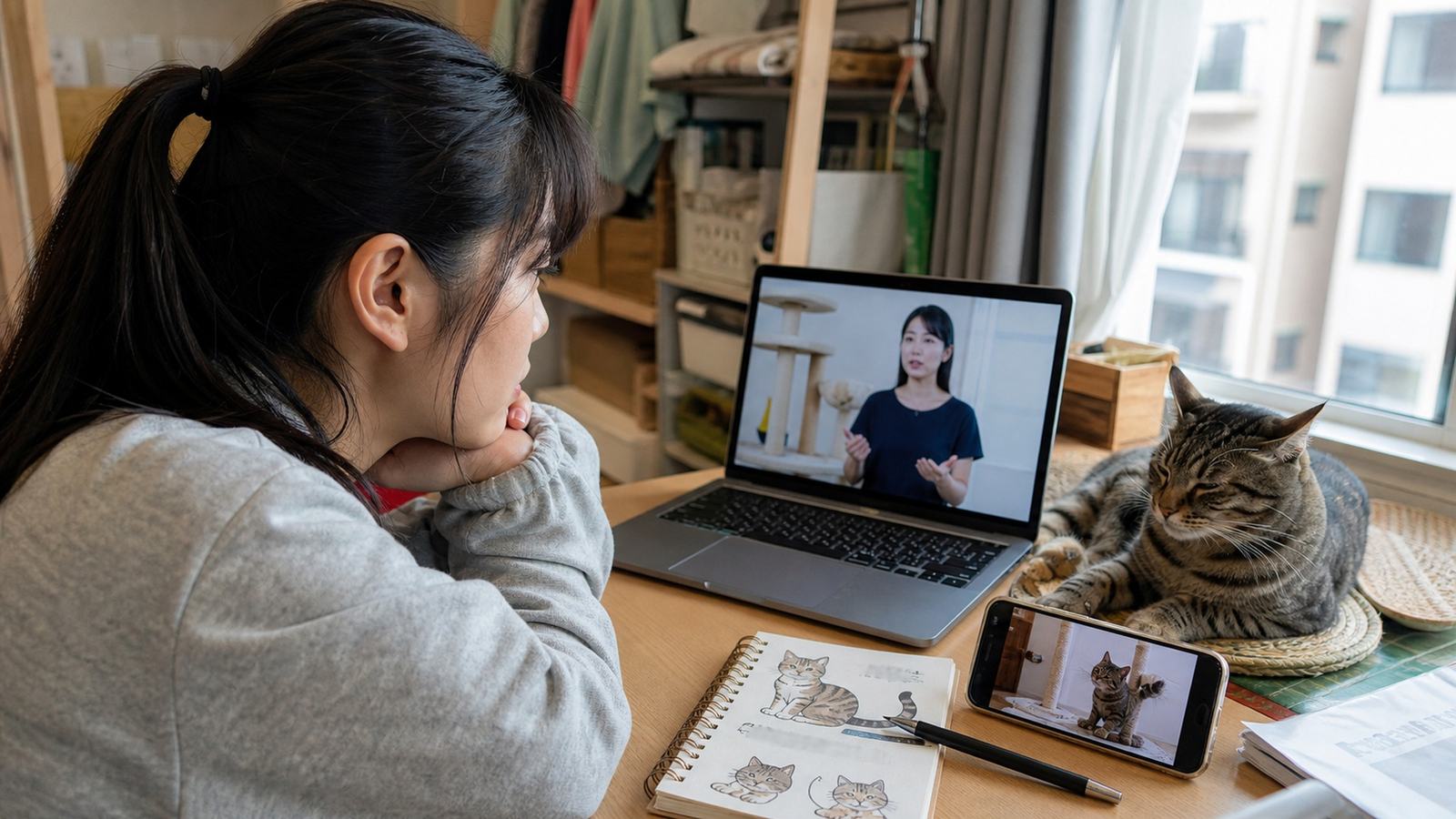
Before attending a seminar, it's recommended to prepare several short videos rather than just describing the situation in words. Videos can capture cats during episodes of inappropriate urination, biting incidents, their hiding spots, or nighttime vocalizations. When filming, do not intentionally provoke the cat; just record natural occurrences. This information will help you ask more precise questions after the seminar.
The second type of information is a timeline, such as when the problem started, whether the family moved, changed litter or food, or if new cats or family members arrived. Common issues in small urban homes in Taiwan include limited space for cats, but frequent changes in human routines, noise levels, and humidity. The third is your home setup, including the number of litter boxes, their locations, the placement of food and water bowls, and the availability of climbing structures and hiding spots. These provide more concrete clues than simply saying, "It's acting strange."
Inappropriate Urination, Biting, Hiding, Nighttime Vocalization: Which Problems Can Be Addressed with a Seminar?
If your cat occasionally urinates inappropriately and does not show signs of frequent urination, blood in urine, or painful vocalizations, attending a cat behavior seminar and then checking the number of litter boxes, cleaning frequency, and placement will usually be helpful. Many households place litter boxes next to washing machines, in hallways, or in damp corners. The cat might not be misbehaving but rather avoiding using the toilet in a high-stress area. Especially during the rainy season and hot summers, the odor of the litter can intensify, affecting usage.
Biting and nighttime vocalization also depend on the severity. Kittens or young cats often mistake human hands and feet for prey due to unspent energy. These issues can be addressed by adjusting playtime, establishing a consistent routine, and stopping the use of hands for play. For hiding, consider if it's a period of adjustment to a new environment. If the cat is still eating, drinking, and using the litter box, and simply needs a safe corner, you can often learn better ways to provide companionship from a seminar.
When Not to Rely Solely on Seminars: Consult a Veterinarian or Behaviorist First
Some situations are not recommended to be resolved solely through cat behavior seminars, especially those that occur suddenly, change rapidly, or are accompanied by obvious physical symptoms. If inappropriate urination is accompanied by frequent urination, small urine volume, blood in urine, or constant trips to the litter box, you should consult a veterinarian first. Cats have a high pain tolerance, and discomfort in the urinary tract, kidneys, digestive system, or joints can manifest as behavioral changes.
If biting causes bleeding, aggression occurs without warning, or the cat hides for extended periods, refusing to eat or drink, it's not advisable to try resolving it yourself after just attending a seminar. In multi-cat households, if chasing, blocking doors, or resource guarding occurs, more in-depth behavior consultation and environmental assessment are usually needed. Seminars can help you determine the direction, but for high-risk or long-term problems, it's essential to involve a veterinarian and a professional behavior consultant.
What to Do After Attending a Seminar? Start Adjustments with Litter Boxes, Hiding Spots, and Playtime
After attending a cat behavior seminar, avoid changing everything in your home at once, as this might make your cat more anxious. You can start with the litter box, ensuring there are enough, the entrance is accessible, and the location is quiet and well-ventilated. For multi-cat households, it's especially important to avoid concentrating all litter boxes in one area, as this may not be perceived as multiple options by the cats.
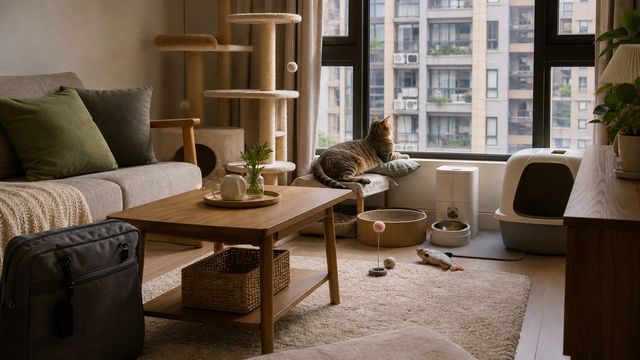
Next, check hiding spots and vertical space. Many apartments in Taiwan are small, but you can use climbing trees, shelves, and window perches to give cats places to observe their surroundings. For playtime, it's recommended to have short, consistent sessions daily, using a wand toy to simulate chasing, pouncing, and successfully catching prey, followed by a meal or treat. This is much more effective than simply scolding, confining, or trying to reason with the cat.
FAQ
Q1: Do I need to attend a cat behavior seminar as a first-time cat owner?
As a new owner, attending at least one seminar is highly recommended. Cat behavior seminars can help you understand litter box usage, hiding needs, security, playtime, and stress signals, preventing you from misinterpreting your cat's behavior from a human perspective. The earlier you establish correct concepts, the fewer detours you'll take later.
Q2: My cat urinates inappropriately. Will a seminar help?
Yes, but only after ruling out medical issues. If your cat shows signs of frequent urination, blood in urine, inability to urinate, or pain, consult a veterinarian first. If health checks reveal no significant abnormalities, then adjusting litter box habits, environmental stress, and resource allocation based on seminar content can be effective.
Q3: Does cat biting always require behavior consultation?
Not necessarily. If it's a kitten playing too roughly or biting feet at specific times, it can often be improved through adjusted playtime, stopping hand-play, and increasing exercise. However, if the aggression suddenly worsens, occurs without warning, or causes significant injury, seeking help from a veterinarian and a behavior professional is recommended.
Q4: How long will it take to see improvement after attending a seminar?
Mild issues may show changes within one to two weeks, such as reduced vocalization or increased willingness to be active. More persistent stress or multi-cat conflicts usually require several weeks to months. The key is to adjust only one or two items at a time and continuously observe the cat's response.
Q5: Can cat behavior be improved even in a small home?
Yes. A small home doesn't mean it's unsuitable for cats; the key is adequate pathways, vertical space, and quiet corners. Placing litter boxes correctly, adding places to climb, and having consistent playtime are usually more important than simply buying many products.
Conclusion
A cat behavior seminar is not a magic solution that resolves all problems at once. Instead, it empowers owners to understand their cats, organize clues, and know when to make adjustments themselves and when to seek help. If you are preparing to go out, move, or want your cat to live more stably at home, you can also check their daily care routines. Cat Garden offers cat boarding, grooming, and cat product selection in Taiwan, assisting owners in arranging more secure accommodation, grooming, and lifestyle products based on the cat's personality and care needs.
Further Reading
- Summer Vacation at Home: What to Do When Your Cat's Routine is Disrupted? Adjust Playtime, Feeding, and Sleep First
- Cat Behavior Consultation: When Do You Need Professional Help for Inappropriate Urination, Aggression, and Anxiety?
- How Do a Cat's Five Senses Affect Daily Life? Check Stress Levels Through Scent, Sound, and Touch Boundaries First
Frequently Asked Questions
Do I need to attend a cat behavior seminar as a first-time cat owner?
As a new owner, attending at least one seminar is highly recommended. Seminars can help you understand litter box usage, hiding needs, security, playtime, and stress signals, preventing you from misinterpreting your cat's behavior from a human perspective. The earlier you establish correct concepts, the fewer detours you'll take later.
My cat urinates inappropriately. Will a seminar help?
Yes, but only after ruling out medical issues. If your cat shows signs of frequent urination, blood in urine, inability to urinate, or pain, consult a veterinarian first. If health checks reveal no significant abnormalities, then adjusting litter box habits, environmental stress, and resource allocation based on seminar content can be effective.
Does cat biting always require behavior consultation?
Not necessarily. If it's a kitten playing too roughly or biting feet at specific times, it can often be improved through adjusted playtime, stopping hand-play, and increasing exercise. However, if the aggression suddenly worsens, occurs without warning, or causes significant injury, seeking help from a veterinarian and a behavior professional is recommended.
How long will it take to see improvement after attending a seminar?
Mild issues may show changes within one to two weeks, such as reduced vocalization or increased willingness to be active. More persistent stress or multi-cat conflicts usually require several weeks to months. The key is to adjust only one or two items at a time and continuously observe.
Can cat behavior be improved even in a small home?
Yes. A small home doesn't mean it's unsuitable for cats; the key is adequate pathways, vertical space, and quiet corners. Placing litter boxes correctly, adding places to climb, and having consistent playtime are usually more important than simply buying many products.
CatGarden offers curated supplies, cat boarding, and grooming
Book services or shop online.