How Do Your Cat's Five Senses Affect Daily Life? Start by Checking Stress Levels Through Scent, Sound, and Touch Boundaries
Why do a cat's five senses affect their mood and behavior? Cats don't just react to their environment based on "personality"; the scents, sounds, textures, light, and tastes they receive daily all influence their sense of security. For owners, understanding a cat's senses isn't about thinking of them as fragile, but about recognizing why they suddenly hide or don't want to be petted.
Key Takeaways
- The scents, sounds, textures, light, and tastes a cat receives daily affect their sense of security. Many seemingly stubborn behaviors are actually reminders that a certain stimulus in the home is too intense.
- Frequent hiding under the bed, excessive grooming, decreased appetite, hissing at people, or suddenly avoiding the litter box can all be related to environmental stimuli. If these persist, it's still recommended to consult a veterinarian to rule out pain or urinary issues.
- In most home environments, scent, hearing, and touch are the senses most easily overlooked by owners and most directly impact a cat's emotions. It's recommended to start by checking these three.
- Do not place litter boxes next to washing machines, dryers, stereos, or doorways. It's also not recommended to place food and water bowls right next to the litter box, as mixed scents can affect their willingness to use them.
- When organizing the environment, it's best to adjust only one item at a time and observe for a few days before judging the effect. If you change the litter, cleaning products, furniture, and add appliances all at once, it's difficult to know which stimulus is causing stress.
Why Do a Cat's Five Senses Affect Their Emotions and Behavior?
Cats don't just react to their environment based on "personality"; the scents, sounds, textures, light, and tastes they receive daily all influence their sense of security. For owners, understanding a cat's five senses isn't about thinking of them as fragile, but about recognizing why they suddenly hide, don't want to be petted, or are particularly sensitive to certain areas. Many seemingly stubborn behaviors are actually reminders that a certain stimulus in the home is too intense.
The common urban apartments, humid seasons, and frequent use of dehumidifiers and cleaning products in Taiwan can make a cat's sensory burden more apparent. When space is limited, sounds easily reflect, and odors don't dissipate quickly, cats need places to retreat, hide, and choose their distance even more. Checking scent, sound, and touch boundaries first is usually more effective than rushing to correct behavior.
Observe Stress Signals First
If a cat starts frequently hiding under the bed, grooms excessively, has a decreased appetite, hisses at people, or suddenly avoids the litter box, it could be related to environmental stimuli. These situations aren't necessarily illnesses, but if they persist, it's still recommended to consult a veterinarian to rule out pain or urinary issues. In daily care, owners can simultaneously check if they've recently changed air fresheners, cleaning products, furniture, cat litter, or the placement of appliances.
Scent: How Fragrances, Cleaning Products, and Strange Smells Make Cats Nervous
A cat's sense of smell is very keen; for them, scent is more than just "how it smells," it's environmental information. When strong fragrances, essential oils, or air fresheners suddenly appear in the home, or the smell of cleaning products lingers after mopping, cats may feel their familiar scents are being masked. This is also why some cats become more alert or unwilling to approach certain rooms after a major house cleaning.
Taiwan's plum rain season and humid summers mean many households use deodorizing, mold-removing, or disinfecting products more frequently. However, "clean" doesn't mean stronger smells are better. For cats, strong odors can create stress and even make them reluctant to approach their food bowls, water bowls, or litter boxes. When using cleaning products, it's recommended to choose ones with lighter scents suitable for pet households, and ensure the floor is completely dry and the room is well-ventilated before allowing the cat to roam.
Strange Smells Also Need Buffer Zones
New cat beds, carriers, furniture, guests' bags, or even the scents owners bring home from cat cafes or veterinary clinics can make cats uneasy. Don't rush to shove new items in front of your cat; place them in a corner of the living room and let them approach and sniff them on their own. For new cat litter or products, it's also recommended to mix them gradually and replace them step-by-step, giving the cat's five senses time to adapt.
What we use for this
CatGarden’s own products, shipped from Taiwan Premium CatnipFrom CA$36.65 per jarFree shipping on multi-packs
Hearing: How to Adjust Sounds of Water, Thunder, Construction, and Appliance Noise
Cats have sensitive hearing and are particularly prone to being alerted by sudden, sharp, or low-frequency vibrating sounds. Things like the sound of bathwater, hair dryers, vacuum cleaners, dehumidifiers, dryers, or chairs being dragged upstairs might be background noise to humans, but can be a source of stress for cats. Especially in densely populated residential areas like New Taipei City or Taipei, renovation construction, road work, and neighborly noises are hard to avoid completely.
When faced with uncontrollable noise, the key isn't to expect the cat to "just get used to it," but to provide options for retreat. During thunderstorms or construction, you can move the cat's familiar blankets, beds, and water bowls to a quieter room and close the curtains to reduce light and shadow changes. If you need to use a vacuum cleaner or hair dryer, first ensure the cat has a way to leave; don't confine them in the same high-noise space.
Reduce Sudden Sounds with Stable Noise
Some cats can tolerate low-volume, stable white noise or everyday background sounds, such as a fan or an air purifier on a low setting. These sounds can sometimes reduce the impact of sudden external noises, but the volume shouldn't be too high, and the machine shouldn't be placed next to the litter box or sleeping area. When observing a cat's five senses, the most important thing is to see if they are relaxed, not just if they are running away.
Touch: Check for Consent Signals Before Petting, Don't Force Hugs or Petting
Many cats aren't unfriendly; they just dislike being suddenly petted, picked up, or having their movement restricted. Touching has boundaries for cats. Willingness to approach you doesn't necessarily mean they want their belly rubbed or to be held right now. If owners ignore these signals, cats may first flick their tails, turn their heads, flatten their ears, and finally express their refusal by biting or scratching.
A better approach is to let the cat initiate contact first, then extend a finger for them to sniff. If they rub their cheeks against you, relax their body, and hold their tail naturally upright, it usually means they are more willing to interact. When petting, start from the sides of the head, chin, and cheeks, keep it brief, and stop when they move away. This builds trust better than pushing them until they become impatient.
Avoid Turning Intimacy into Stress
Forcing hugs, chasing to pet, or flipping a cat onto its back often makes the cat feel like it has no choice. If you have children or visitors, explain beforehand not to reach out and grab the cat directly; let the cat decide whether to approach. Respecting touch boundaries is an easily overlooked but crucial aspect of caring for a cat's five senses that directly impacts your relationship.
Incorporate Sensory Needs into Your Home: Hiding Spots, High Places, Litter Boxes, and Setup
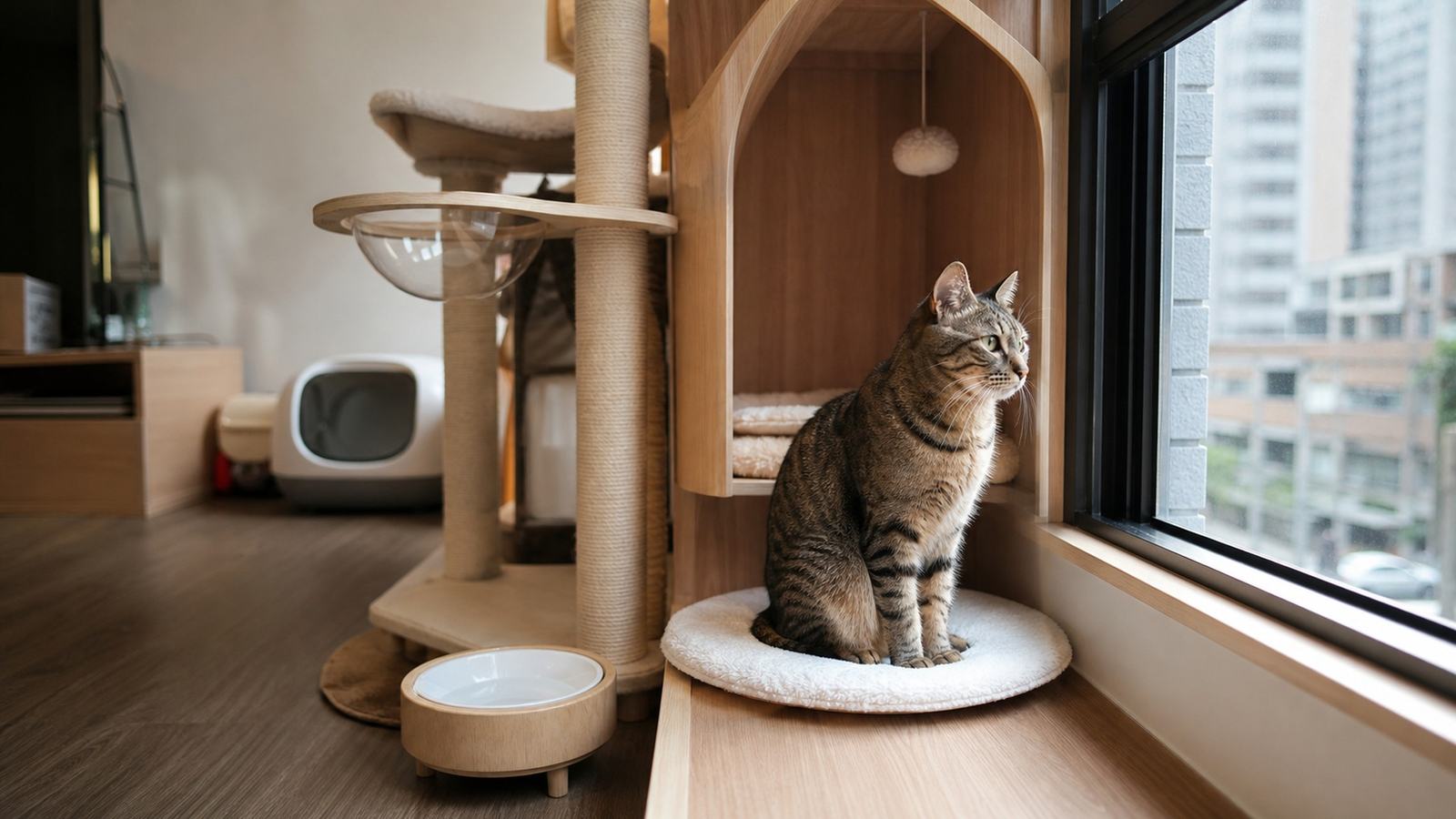
A truly cat-friendly home isn't just about buying all the cat supplies; it's about providing choices amidst various sensory stimuli. They need quiet places to hide and high places to observe the household's movements; they need a scent-stable sleeping area and a litter box location that isn't disturbed. Especially in small apartments, it's important to utilize vertical space, allowing cats to move upwards rather than sharing the same routes on the ground with humans.
Do not place litter boxes next to washing machines, dryers, stereos, or doorways, as noise and foot traffic can make cats uneasy. It's also not recommended to place food and water bowls right next to the litter box, as mixed scents can affect their willingness to use them. If you have multiple cats, resource distribution should be spread out to prevent one cat from guarding a pathway, making the other anxious even to drink water or use the litter box.
Practical Checklist
- Scent: Are air fresheners, cleaning products, cat litter, or deodorizers too strong? Was there adequate ventilation after use?
- Sound: Are the litter box, sleeping area, or food bowls located near appliances, doorways, construction windows, or sources of high-frequency noise?
- Touch: Do you wait for consent signals before petting? Do you stop interacting when the cat moves away?
- Movement: Are there hiding spots, high places, quiet corners, and unobstructed escape routes in the home?
- Supplies: Are the litter box, scratching posts, sleeping pads, and carriers placed in locations the cat is willing to use?
When organizing the environment, adjust only one item at a time and observe for a few days before judging the effect. If you change the litter, cleaning products, move furniture, and add new appliances all at once, it's difficult to know which stimulus is causing stress. Using a cat's five senses as a daily check tool will be easier than waiting until behavioral problems become severe.
FAQ
Which of a Cat's Five Senses Most Easily Affects Stress?
In most home environments, scent, hearing, and touch are the senses most easily overlooked by owners and most directly impact a cat's emotions. Strong odors, sudden noises, and being forced to hug or pet can cause cats to accumulate stress. It's recommended to start by checking these three, then consider light, taste, and overall movement.
Can a Cat Suddenly Avoiding the Litter Box Be Related to Their Senses?
It's possible. For example, if the litter smells too strong, there's appliance noise near the box, or they are frequently disturbed while using it, it can affect their willingness to use it. However, urinary issues are also common. If there is frequent urination, blood in the urine, or prolonged squatting without urination, seek veterinary care promptly. Environmental adjustments and veterinary checks can be done concurrently.
Can I Use Air Fresheners or Essential Oils at Home?
It is not recommended for households with cats to use strong fragrances or diffusers for extended periods. Essential oils should be used with particular caution, as cats metabolize differently than humans, and certain components can be burdensome. If you need to eliminate odors, prioritize cleaning the litter box, ventilation, humidity control, and managing trash sources over masking smells with fragrances.
If a Cat Doesn't Like Being Held, Does It Mean They Aren't Affectionate?
Not necessarily. Many cats enjoy coming close, rubbing against you, or sleeping with you but dislike being picked up and having their movement restricted. Respecting their touch boundaries can actually make them more willing to initiate interaction. Affection doesn't have to be expressed through hugs; consistent companionship and predictable interactions are also important.
How Can I Tell if a Cat is Willing to Be Petted?
First, let the cat approach you. Then, extend a finger for them to sniff. If they rub their cheeks against you, relax their body, and hold their tail naturally upright, it usually means they are more willing to interact. When petting, start from the sides of the head, chin, and cheeks. Stop when they move away.
Adjust Supplies Based on Your Cat's Sensory Experience
Caring for a cat's five senses is essentially about turning your home into a living space where they can relax more easily and have more choices. From low-odor cat litter, quiet and easily accessible litter boxes, to stable scratching posts and sleeping areas where they can hide and rest, the setup of supplies affects a cat's daily sense of security. When choosing cat supplies, don't just look at their appearance; also consider whether the scent, sound, material, and placement are suitable for your cat. CatGarden offers a variety of daily cat supplies that can help owners reduce stress and improve their cat's home comfort starting from everyday details.
Further Reading
- Is a Cat Behavior Course Necessary? Beginners Should First Understand Problem Types, Self-Learning Boundaries, and Home Adjustments
- Is It Better for New Cat Owners to Get a Kitten or an Adult Cat? Consider Spaying/Neutering, Routine, and Adaptation Costs First
- Is the Bengal Cat Suitable for Beginners? Consider Activity Level, Legal Sources, and Home Environment First
Common Questions
Which of a Cat's Five Senses Most Easily Affects Stress?
In most home environments, scent, hearing, and touch are the senses most easily overlooked by owners and most directly impact a cat's emotions. Strong odors, sudden noises, and being forced to hug or pet can cause cats to accumulate stress. It's recommended to start by checking these three.
Can a Cat Suddenly Avoiding the Litter Box Be Related to Their Senses?
It's possible. For example, if the litter smells too strong, there's appliance noise near the box, or they are frequently disturbed while using it, it can affect their willingness to use it. However, urinary issues are also common. If there is frequent urination, blood in the urine, or prolonged squatting without urination, seek veterinary care promptly.
Can I Use Air Fresheners or Essential Oils at Home?
It is not recommended for households with cats to use strong fragrances or diffusers for extended periods. Essential oils should be used with particular caution, as cats metabolize differently than humans, and certain components can be burdensome. If you need to eliminate odors, prioritize cleaning the litter box, ventilation, humidity control, and managing trash sources.
If a Cat Doesn't Like Being Held, Does It Mean They Aren't Affectionate?
Not necessarily. Many cats enjoy coming close, rubbing against you, or sleeping with you but dislike being picked up and having their movement restricted. Respecting their touch boundaries can actually make them more willing to initiate interaction. Consistent companionship and predictable interactions are also important.
How Can I Tell if a Cat is Willing to Be Petted?
First, let the cat approach you. Then, extend a finger for them to sniff. If they rub their cheeks against you, relax their body, and hold their tail naturally upright, it usually means they are more willing to interact. When petting, start from the sides of the head, chin, and cheeks. Stop when they move away.
CatGarden offers curated supplies, cat boarding, and grooming
Book services or shop online.