Are Bengal Cats Suitable for First-Time Owners? Consider Activity Level, Legal Sources, and Home Environment First
What kind of cat is a Bengal? Don't just look at the markings first. Many people are initially attracted to Bengals because of their spots or marbled patterns, resembling small wild felines. The "Bengal cat" commonly referred to by Taiwanese owners is usually the domestic breed Bengal, not the protected wild leopard cat native to Taiwan.
Key Takeaways
- The "Bengal cat" commonly referred to by Taiwanese owners is usually the domestic breed Bengal cat, not the protected wild leopard cat (leopardus bengalensis) native to Taiwan. They are entirely different.
- Common traits of Bengal cats include curiosity, intelligence, and a love for exploration. They have high energy levels and are not a low-interaction breed; they require consistent interaction and environmental enrichment.
- Legal sourcing involves more than just verbal assurances; it includes a basic contract, microchip information, vaccination records, deworming records, and veterinary check-up details. Kittens should not be separated from their mothers too early, as this can affect socialization, immunity, and behavioral stability.
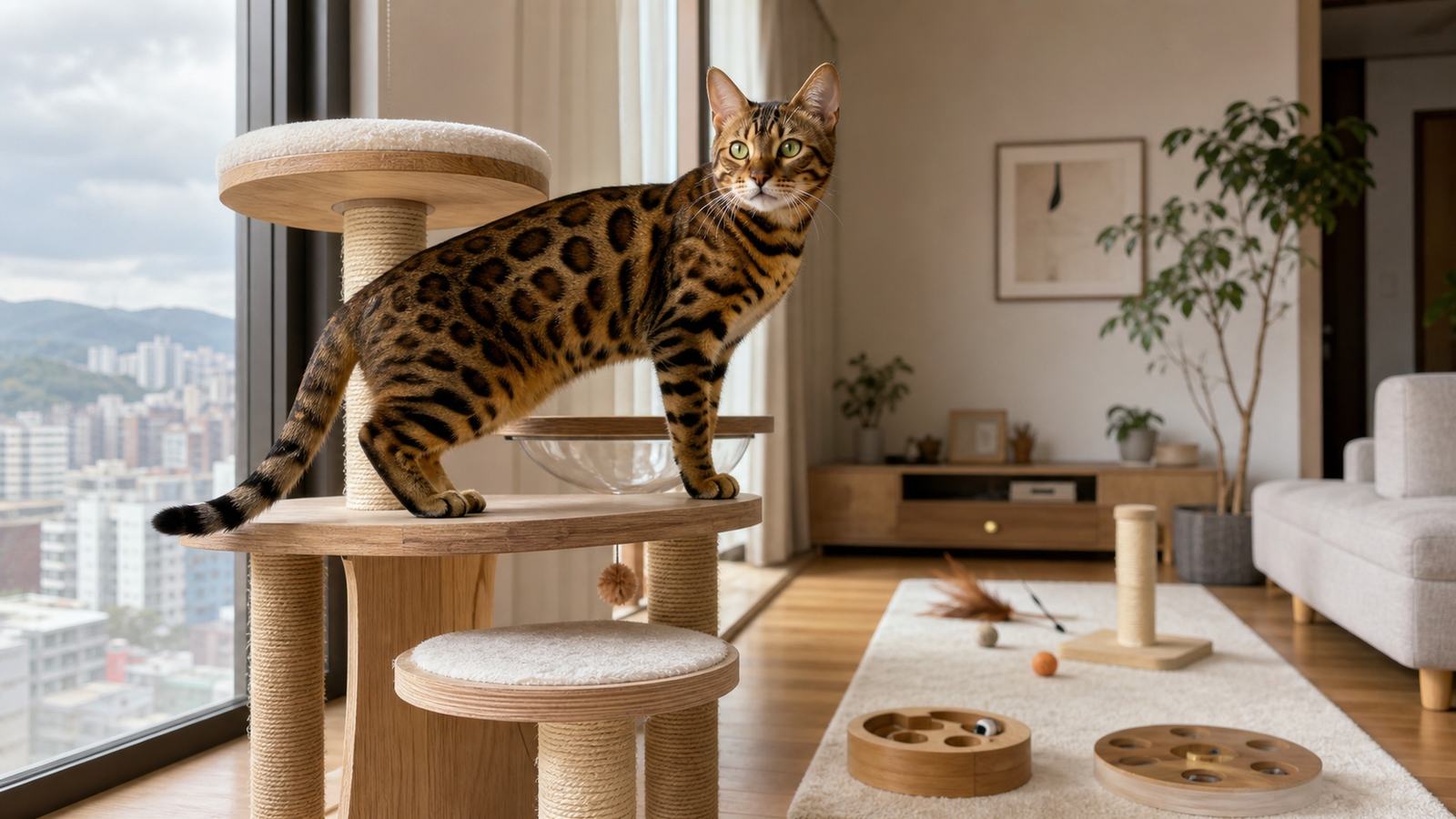
- Owning a Bengal cat in a small Taiwanese home doesn't necessarily require a large space, but it does need pathways for climbing, running, and observing, such as cat trees, shelves, window perches, and sturdy scratching posts.
- If a Bengal cat's behavior suddenly changes (e.g., excessive vocalization, inappropriate urination, increased aggression), it's recommended to first take them to a veterinarian to rule out any physical discomfort. Once their health is confirmed, then adjust their routine and environment.
What Kind of Cat is a Bengal? Don't Just Look at the Markings
Many people are initially attracted to Bengal cats because of their spots or marbled patterns, which resemble those of small wild felines. The "Bengal cat" commonly referred to by Taiwanese owners is usually the domestic breed Bengal cat, not the protected wild leopard cat native to Taiwan. They are entirely different, and the first step before considering owning one is to ensure you understand you're looking at a domestic cat breed, not a wild animal.
While Bengal cats have striking appearances, their personalities often have a more pronounced presence. They are commonly curious, intelligent, and love to explore, being sensitive to sounds, moving objects, and even open doors and cabinets. This means that owning a Bengal cat cannot simply end with "feeding them and cleaning their litter box"; they require more interaction, environmental changes, and daily energy expenditure.
Bengals Are Not Quiet, Decorative Cats
If your idea of a cat is one that sleeps all day and occasionally seeks affection, a Bengal cat might make you reconsider the meaning of "cat activity level." They are likely to jump to high places, chase toys, patrol every corner of the house, and may show particular interest in faucets, window screens, or drawers. For new owners, this isn't a reason not to get one, but rather to understand that they are not a low-interaction breed.
Are Bengal Cats Suitable for New Owners? Assess Activity Level, Vocalization, and Interaction Needs First
Bengal cats aren't necessarily unsuitable for new owners, but they are unsuitable for completely unprepared ones. The most common disconnect in owning a Bengal cat is when owners underestimate their energy and desire to explore. If you have a small living space, work long hours, and lack the energy to play with them upon returning home, a Bengal cat might express their boredom through destructive behavior, excessive vocalization, or disrupting your sleep.
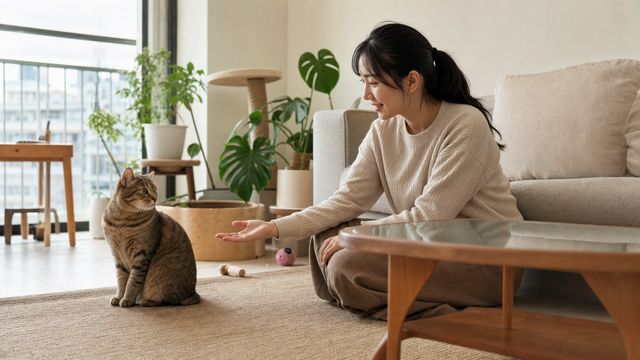
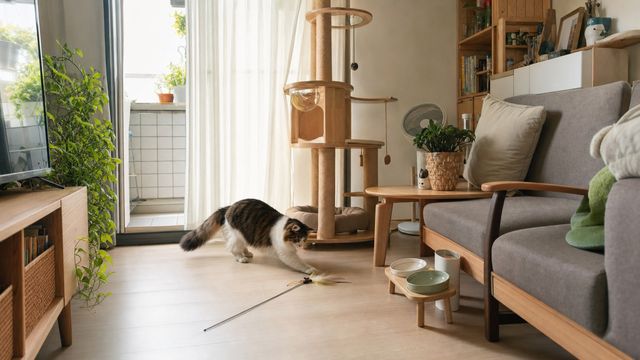
They typically require dedicated interaction time, not just tossing a ball for them to play with alone. Wand toys, chase games, scent games, and climbing routes can all help them expend energy. If you are willing to make playing with them a part of your daily care routine, owning a Bengal cat will be smoother, and you'll be more likely to build a stable relationship.
Ask Yourself Three Questions First
- Can you dedicate at least two play sessions daily? Bengal cats usually need rhythmic energy expenditure and are not suited to prolonged self-entertainment.
- Can you accept more noticeable vocalizations? Some Bengal cats will vocalize to demand interaction, ask for doors to be opened, request food, or respond to environmental changes.
- Can you make environmental adjustments at home? High places, cat trees, window observation spots, and secure storage will all impact their quality of life.
If this is your first time owning a cat, it's advisable not to decide solely based on "liking their markings." A more practical approach is to first assess your daily routine, budget, rental restrictions, and whether your family can accept a lively cat. New owners can own Bengal cats, but it requires more proactive learning and preparation than typically imagined.
Before Getting a Bengal Cat, How to Confirm Legal Sourcing and Health Records
To be a responsible Bengal cat owner in Taiwan, you must first clarify the source. Please ensure that the seller is providing a domestic breed Bengal cat, not any wild animal or an individual of unknown origin. If a seller deliberately markets them as "very wild," "like a leopard cat," or "special source," be extra vigilant.
Legal sourcing is more than just a verbal guarantee; it includes a basic contract, microchip information, vaccination records, deworming records, and veterinary check-up details. Kittens should not be separated from their mothers too early, as this can affect socialization, immunity, and behavioral stability. If the seller refuses to provide health records or urges you to quickly transfer money and take the kitten, it's best to walk away.
When Checking the Source, You Can Examine These Documents
- Identity and Contract: Confirm the purchase or adoption contract, owner responsibilities, and procedures for returns or health disputes.
- Health Records: Vaccinations, deworming, veterinary check-ups, and any information regarding genetic diseases.
- Living Environment: Observe if the kittens are clean and energetic, and if the mother and littermates interact naturally.
- Breed Description: Avoid sellers who confuse the names of Bengal cats, leopard cats, or other wild animals.
Taiwanese owners should also be aware of regulations related to animal protection and wildlife conservation. Do not purchase, own, or claim to possess protected wild animals. If you have doubts, you can inquire with the local animal protection office or a veterinarian for confirmation. The starting point for owning a Bengal cat should be transparency, legality, and health, not just low cost or rarity.
Owning a Bengal Cat in a Small Taiwanese Home: What Environmental Preparations Are Needed
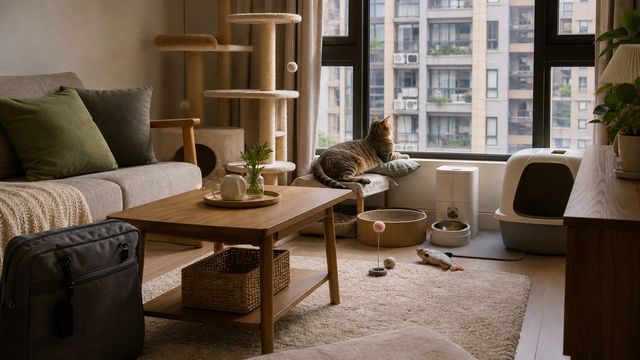
Many urban areas in Taiwan have small homes, making vertical space utilization even more crucial when space is limited. Bengal cats don't necessarily need a large floor area, but they do need pathways for climbing, running, and observing. Cat trees, shelves, window perches, and sturdy scratching posts allow them to expend their energy in appropriate locations.
Taiwan's summers are humid, with distinct rainy seasons, so special attention must be paid to litter boxes and storage. Litter boxes should be placed in well-ventilated, non-stuffy areas to prevent moisture from intensifying odors or degrading litter quality. If you have a dehumidifier or air purifier, ensure the cords are safely secured to prevent curious Bengal cats from chewing or pulling on them.
Essential Setup for Small Homes
- Vertical Pathways: Cat trees, wall shelves, and window observation points allow cats to survey their environment.
- Sturdy Scratching Areas: Both vertical scratching posts and flat scratching pads can be provided to reduce the likelihood of scratching furniture.
- Safe Storage: Keep cleaning supplies, cords, rubber bands, and small items out of reach.
- Sufficient Litter Boxes: For multi-cat households, it's recommended to increase the number of litter boxes and maintain dryness and cleanliness.
If you live in areas like Banqiao, New Taipei City, or other densely populated districts, window and balcony safety cannot be compromised. Ensure window screens are secure, and it's best to avoid letting cats access balconies unsupervised. Bengal cats have excellent jumping abilities and may sprint suddenly when they see birds, insects, or traffic. Prevention is more important than regret.
Already Own a Bengal Cat That's Too Active? Recommendations for Daily Energy Expenditure and Supplies
If your Bengal cat is exhibiting behaviors like midnight zoomies, frequent meowing, biting hands and feet, or rummaging through things, don't rush to label them as "bad." Often, this is due to unspent energy, a monotonous environment, or inconsistent interaction. The key to owning a Bengal cat is channeling their intelligence and physical energy into acceptable activities.
It's recommended to schedule dedicated play sessions daily, especially before dinner and before bedtime. Wand toys should mimic prey movement, not just be dangled in front of them, and they should have a successful "catch" at the end. Pairing playtime with feeding and rest can help establish a more stable daily rhythm.
Supplies Can Be Paired Like This
- Wand Toys and Replacement Heads: Rotate different materials to maintain novelty.
- Puzzle Toys: Toys that dispense treats, rolling ball puzzles, and snuffle mats are suitable for mental stimulation.
- Large Scratching Post: It should be tall enough for stretching and have a stable base.
- Tunnels and Cat Trees: Increase routes for running, hiding, and jumping.
- Durable Litter Mats: Active cats tend to track litter more when entering and exiting the litter box, so cleaning supplies need to keep up.
If there's a sudden change in behavior, such as excessive vocalization, inappropriate urination, or increased aggression, it's recommended to first take them to a veterinarian to rule out any physical discomfort. Once their health is confirmed, then gradually adjust their routine, environment, interactions, and stressors. Good Bengal cat ownership isn't about making the cat quiet, but about providing them with outlets to express their natural behaviors.
FAQ
Are Bengal cats suitable for first-time cat owners?
Yes, but only if the new owner is willing to do their research and invest time in playing with and enriching the environment for the cat. Bengal cats are generally more active than many domestic cats and have more obvious interaction needs. If you have a busy work schedule, travel frequently, or are unwilling to adjust your home layout, it's advisable to reconsider carefully.
Are Bengal cats noisy?
Each cat's personality differs, but some Bengal cats are indeed more vocal in expressing their needs. They might meow because they want to play, eat, have a door opened, or feel bored. A stable routine, sufficient energy expenditure, and reducing boredom are usually more effective than simply trying to silence them.
Can you own Bengal cats in Taiwan?
If referring to legally sourced Bengal cats, they are typically domestic breeds. However, if it involves leopard cats or other wild animals, they are not subjects that ordinary owners can arbitrarily possess. Before purchasing or adopting, be sure to confirm the source, records, and breed description. If you encounter vague statements, it's recommended to first consult a veterinarian or the local authorities.
Can you own a Bengal cat in a studio apartment?
It's not entirely impossible, but you'll need to compensate for their activity needs through vertical space and daily interaction. At a minimum, you'll need a sturdy cat tree, scratching areas, window observation spots, and secure storage. If the space is already very crowded and you can't play with them daily, a Bengal cat may accumulate stress and exhibit destructive behaviors.
What if a Bengal cat bites too much?
First, avoid playing with them using your hands or feet, as this can lead them to perceive humans as prey. Instead, use wand toys, kicker toys, and chase games, and redirect their attention before they bite. If biting is accompanied by pain, distress, or a sudden change in temperament, consult a veterinarian.
Starting Bengal Cat Ownership Prepared Will Make Life Much Easier
Bengal cats are beautiful, intelligent, and have distinct personalities. They are suitable for owners who are willing to interact, maintain their environment, and commit long-term. Confirming the legal source, health records, and home setup before starting will save more trouble than fixing problems later. If you are preparing to buy a cat tree, litter box, wand toy, scratching board, or daily cleaning supplies, you can start by choosing cat products suitable for Taiwanese homes, ensuring your Bengal cat has things to play with and scratch, and making your home easier to keep clean and safe.
Further Reading
- Do Cats Need to Be Walked? A Guide to Home Enrichment for Indoor Cats in Taiwan
- What If My Cat Doesn't Use the Scratching Post? Check Placement, Material, and Timing
- What to Do If My Cat Hides When Guests Visit? Prepare a Safe Room, Scents, and Boundaries
Frequently Asked Questions
Are Bengal cats suitable for first-time cat owners?
Yes, but only if the new owner is willing to do their research and invest time in playing with and enriching the environment for the cat. If you have a busy work schedule, travel frequently, or are unwilling to adjust your home layout, it's advisable to reconsider carefully.
Are Bengal cats noisy?
Each cat's personality differs, but some Bengal cats are indeed more vocal in expressing their needs, possibly meowing because they want to play, eat, have a door opened, or feel bored. A stable routine, sufficient energy expenditure, and reducing boredom are usually more effective than simply trying to silence them.
Can you own Bengal cats in Taiwan?
If referring to legally sourced Bengal cats, they are typically domestic breeds. However, if it involves leopard cats or other wild animals, they are not subjects that ordinary owners can arbitrarily possess. Before purchasing or adopting, be sure to confirm the source, records, and breed description.
Can you own a Bengal cat in a studio apartment?
It's not entirely impossible, but you'll need to compensate for their activity needs through vertical space and daily interaction. At a minimum, you'll need a sturdy cat tree, scratching areas, window observation spots, and secure storage. If the space is already very crowded and you can't play with them daily, a Bengal cat may accumulate stress and exhibit destructive behaviors.
What if a Bengal cat bites too much?
First, avoid playing with them using your hands or feet, as this can lead them to perceive humans as prey. Instead, use wand toys, kicker toys, and chase games, and redirect their attention before they bite. If biting is accompanied by pain, distress, or a sudden change in temperament, consult a veterinarian.
CatGarden offers curated supplies, cat boarding, and grooming
Book services or shop online.