What to Do When Your Cat Ignores the Scratching Post? Check Location, Material, and Introduction Timing First
Your cat isn't using the scratching post? Don't rush to scold them – they might not be intentionally misbehaving. Scratching is a natural feline behavior for stretching, claw maintenance, and scent marking.
Key Takeaways
- Cats often ignore scratching posts not because they're being naughty, but because the post's material, location, angle, or stability doesn't meet their current needs.
- Scratch mark locations indicate different needs: sofas and mattresses are often chosen for being easy to grip and stable, while door frames and hallways might be for territory marking and emotional regulation.
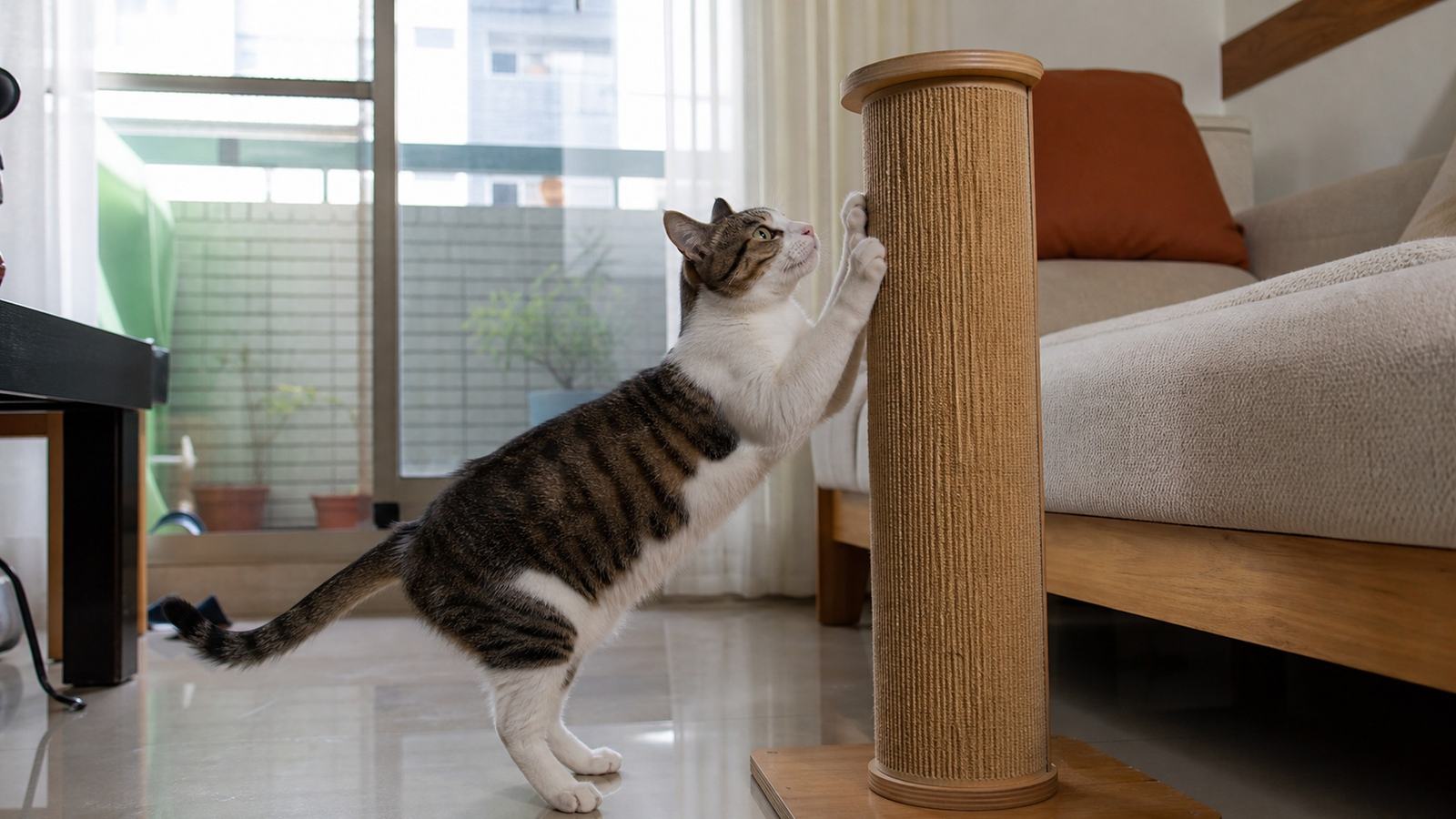
- Vertical scratching posts should be tall enough for a cat to stretch comfortably, and stability is more important than appearance; a wobbly post will quickly be abandoned.
- For single-cat households, it's recommended to have at least two to three scratching posts placed near where the cat stretches after waking, in the living area, and near furniture they've previously scratched.
- If a cat suddenly scratches furniture excessively or stops using their post, pay attention to environmental changes like moving, new family members, or construction, and observe for signs of hiding or decreased appetite, which could indicate health issues.
Your Cat Isn't Using the Scratching Post? Don't Rush to Scold: They Might Not Be Intentionally Misbehaving
Cats scratching sofas, mattresses, or door frames often lead owners to believe they're being destructive. However, scratching and claw maintenance are natural feline behaviors. Cats need to stretch, sharpen their claws, and leave their scent to mark their territory. When a cat ignores its scratching post, it's usually not because it's "misbehaving," but rather because the post doesn't meet its current needs.
For cats, scratching isn't just about nail care; it's also an emotional outlet. Especially in small urban homes in Taiwan, furniture, hallways, and doorways are often the most accessible spots. If the only scratching post is tucked away in a corner, it's very common for the cat not to use it.
First, Look at Where the Scratch Marks Are: Sofas, Doorways, and Mattresses Indicate Different Needs
To solve the problem, don't immediately categorize all scratch marks as destruction. When a cat scratches the armrest of a sofa, it's often because it's stable, easy to apply pressure, and located in a central area where the family spends time. The cat might simply want to leave its scent in a frequently visited spot and stretch its shoulders and back.
If scratch marks are concentrated on door frames, hallways, or near windows, it might be related to territorial feelings, external noises, or stress from entry/exit points. In apartment buildings, with sounds of neighbors' footsteps or elevator noises, cats might scratch door frames to self-soothe. In such cases, placing a scratching post in a living room corner usually won't be very effective.
Sofas and Mattresses: Often Chosen for Being "Easy to Grip and Stable"
Sofa fabrics and mattress edges typically offer resistance, providing a satisfying feedback when scratched. If the existing scratching post is too small, too light, or slides when the cat steps on it, they will naturally opt for more stable furniture. In this situation, adjustments to material and stability are needed, not just prohibition.
Doorways and Hallways: Possibly for "Territory Marking"
Doorways, entrances, and hallways are areas with frequent scent exchange. Cats scratching in these places sometimes do so to assert a sense of security. You can place vertical or inclined scratching posts near these areas to provide a legitimate alternative. Once the location is right, subsequent guidance will be effective.
How to Choose a Scratching Post? Material, Angle, Height, and Stability Are Key
There are many materials for scratching posts on the market, commonly including corrugated cardboard, sisal rope, sisal fabric, wood, or carpet. Not every cat likes the same texture; some cats love the tearing sensation of cardboard, while others prefer the rough resistance of sisal rope. If your cat completely avoids the post, try changing the material before buying the same type repeatedly.
The angle is also important. Some cats like to scratch while lying down horizontally, while others prefer to stand and stretch their bodies. If your cat usually scratches the sides of the sofa or door frames, it likely prefers a vertical post. If they often scratch carpets, bedsheets, or the edges of cardboard boxes, a horizontal or inclined post will be closer to their habit.
Height Should Allow Full Stretching
If a vertical scratching post is too short, the cat cannot fully extend its front limbs and back, leading to a decreased willingness to use it. The ideal height should allow the cat to stretch its body comfortably when standing. Larger or longer cats require even taller and more stable models.
Stability is More Important Than Appearance
Many cute-looking scratching posts are visually appealing, but if they wobble when used, cats will quickly abandon them. Scratching posts can be leaned against a wall, weighed down by furniture, or chosen in models with heavier bases. Stability, safety, and resistance are the key factors for a cat to repeatedly use a scratching post.
How to Guide Your Cat to Use the Scratching Post? Gradually Build Habits with Scent, Location, and Rewards
To guide your cat to use the scratching post, the first step is to place it near "where they already want to scratch." Don't immediately put it in a tidy corner that you find aesthetically pleasing, as the cat might not make a special trip to use it. Once they've established a habit, you can gradually move the post to a more convenient location within your home's traffic flow.
You can increase its attractiveness using catnip, silvervine, or familiar scents from their blankets, but don't force their paws onto the post. A forced experience can create negative associations with the scratching post. When they approach, sniff, or use it, immediately reward them with treats, praise, or interactive play. This is much more effective than scolding.
Make Areas You Don't Want Them to Scratch Less Appealing
If the sofa has become a fixed scratching spot, you can temporarily reduce its tactile feedback using anti-scratch tape, blankets, or furniture protectors. Simultaneously, place new alternative scratching posts nearby to offer better choices. Simply preventing them from scratching without providing alternatives will usually just lead them to scratch somewhere else.
Incorporate Toys to Make the Scratching Post Part of Their Routine
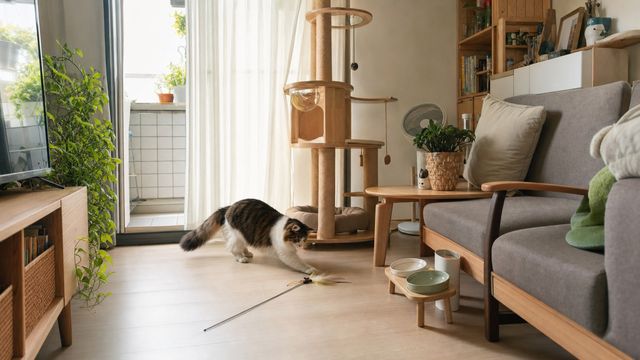
Use a feather wand daily to guide them past the scratching post. Allow them to naturally encounter the post while chasing, jumping, or pausing. After playing, cats often stretch, which is the perfect time to encourage scratching. Making the scratching post part of their play route is more natural than commanding them to use it.
When Should You Re-evaluate Environmental Stress or Health Issues?
If your cat suddenly starts scratching furniture excessively, or if they previously used a scratching post but suddenly stopped, pay attention to recent environmental changes. Events like moving, new furniture, new family members, nearby construction, or changes in household routines can increase a cat's stress levels. Increased scratching can sometimes be their way of trying to make the environment feel familiar again.
Also, observe for other behavioral changes, such as hiding, decreased appetite, excessive grooming, inappropriate urination, increased aggression, or reluctance to have their paws touched. If you suspect pain in their nails, paws, or joints, consult a veterinarian. While scratching post issues can often be resolved with environmental improvements, health factors cannot be entirely overlooked.
Multi-Cat Households Need to Consider Resource Allocation
In multi-cat households, if there's only one scratching post, it's easy for one cat to monopolize it, leading another cat to scratch furniture instead. It's recommended to place scratching posts in different areas, especially near sleeping spots, windows, the living area, and where traffic routes intersect. With sufficient resources, cats are less likely to express stress by scratching furniture.
Humid Seasons Can Also Affect Usage Willingness
Taiwan's rainy season and high humidity in summer can alter the texture and scent of cardboard scratching posts if they become damp. Cats might suddenly stop using them or turn to drier furniture surfaces. Regular replacement and ensuring good ventilation are more practical than blaming the cat.
FAQ
If My Cat Completely Ignores the Scratching Post, Does It Mean They Don't Need One?
No. Cats still have a need to scratch, but the current material, location, angle, or stability might not suit their preferences. It's recommended to infer their needs from the actual locations of their scratch marks and then provide alternatives with similar textures and postures.
Can I Hold My Cat's Paws and Teach Them on the Scratching Post?
It's not recommended. Many cats dislike having their paws controlled forcefully and may develop resistance to the scratching post. A better approach is to use toys, scents, and rewards to encourage them to approach and build positive experiences on their own.
How Many Scratching Posts Are Enough?
For a single-cat household, it's recommended to have at least two to three, placed near where they stretch after waking, in the living area, and near furniture they've previously scratched. For multi-cat households, more are needed to prevent one cat from monopolizing resources.
My Cat Keeps Scratching the Sofa; Will Trimming Their Nails Help?
Regular nail trimming can reduce the extent of furniture damage but cannot replace the need for scratching. Cats still require suitable scratching posts for stretching, claw maintenance, and scent marking. Nail trimming combined with environmental guidance provides a more complete solution.
How Often Should Scratching Posts Be Replaced?
If a scratching post is severely worn, damp, has an odor, or if the cat clearly stops using it, it's time for replacement. Cardboard scratching posts may require more frequent checks during humid seasons. If the cat is very fond of an old scratching post, you can place the new and old ones side-by-side for a period to reduce adaptation stress.
Conclusion
When your cat ignores the scratching post, checking the location, material, angle, height, and stability step-by-step is usually more effective than scolding. They aren't intentionally defying you; they are expressing their needs in their own way. Choosing the right scratching post and providing appropriate guidance can reduce stress for both the furniture and the cat.
If you want to help your cat reorganize their living environment, start with everyday items. Cat Garden's curated selection of cat products is suitable for Taiwanese home environments, including scratching posts, beds, toys, cleaning supplies, and grooming accessories, allowing even small spaces to be organized into safe activity routes for your cat. Start with products they will actually use and gradually build a more comfortable living rhythm.
Further Reading
- What to Do When Your Cat Hides When Guests Visit? Prepare a Safe Room, Scents, and Interaction Boundaries
- Is It Normal for Your Cat to Chatter at the Window? Look for Hunting Instincts, Frustration, and Window Safety
- Can You Touch Your Kitten's Ears and Paws Daily? Start with 3-Minute Desensitization Exercises to Build Trust
Frequently Asked Questions
If My Cat Completely Ignores the Scratching Post, Does It Mean They Don't Need One?
No. Cats still have a need to scratch, but the current material, location, angle, or stability might not suit their preferences. It's recommended to infer their needs from the actual locations of their scratch marks and then provide alternatives with similar textures and postures.
Can I Hold My Cat's Paws and Teach Them on the Scratching Post?
It's not recommended. Many cats dislike having their paws controlled forcefully and may develop resistance to the scratching post. A better approach is to use toys, scents, and rewards to encourage them to approach and build positive experiences on their own.
How Many Scratching Posts Are Enough?
For a single-cat household, it's recommended to have at least two to three, placed near where they stretch after waking, in the living area, and near furniture they've previously scratched; for multi-cat households, more are needed to prevent one cat from monopolizing resources.
My Cat Keeps Scratching the Sofa; Will Trimming Their Nails Help?
Regular nail trimming can reduce the extent of furniture damage but cannot replace the need for scratching. Cats still require suitable scratching posts for stretching, claw maintenance, and scent marking. Nail trimming combined with environmental guidance provides a more complete solution.
How Often Should Scratching Posts Be Replaced?
If a scratching post is severely worn, damp, has an odor, or if the cat clearly stops using it, it's time for replacement. Cardboard scratching posts may require more frequent checks during humid seasons. If the cat is very fond of an old scratching post, you can place the new and old ones side-by-side for a period to reduce adaptation stress.
CatGarden offers curated supplies, cat boarding, and grooming
Book services or shop online.