Can Kittens' Ears and Paws Be Touched Daily? Build Trust with 3-Minute Desensitization Practice First
Why do kittens' ears and paws need early desensitization? Kittens' ears and paws can be touched daily, provided it's for a short duration, with gentle pressure, and only when the cat is willing. The ears, paw pads, and nail beds are sensitive areas for cats, and if they aren't accustomed to being handled from a young age, they may become anxious later on.
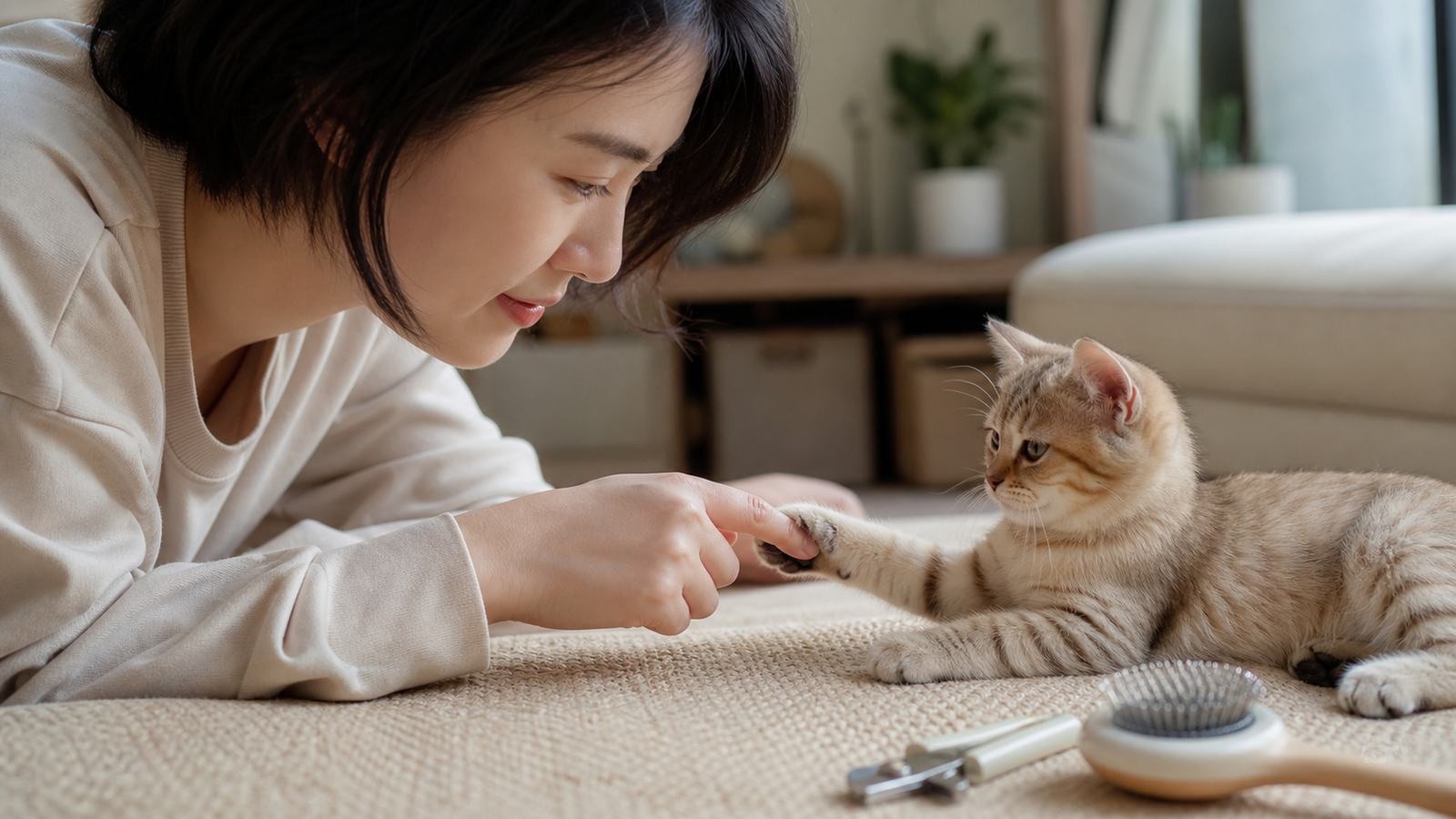
Key Takeaways
- Kittens' ears and paws can be touched daily, but only for short periods, with gentle pressure, and when the cat is willing. Aim for a maximum of 3 minutes, or just 30 seconds if the cat isn't in the mood.
- The 3-minute daily desensitization practice is divided into three stages: The first minute involves touching safe areas like the cheeks, chin, and shoulders while offering treats. The second minute focuses on lightly touching the base of the ear and the front paws, with each touch lasting only 1-2 seconds. The third minute concludes with rewards or a short game.
- Immediately stop if the kitten exhibits signs of stress such as rapid tail flicking, flattened ears, stiff body, growling, hissing, attempting to bite, or trying to escape forcefully. This indicates their stress level has exceeded their tolerance.
- The core of kitten desensitization is associating touch with positive experiences (treats, praise, short play sessions) to build trust and security, not to train the cat for obedience.
- Five common mistakes beginners make include: touching or trimming nails while the kitten is asleep, forcibly holding a paw that's been withdrawn, trying to handle ears, nails, and fur all at once, only giving treats when handling the body, and ignoring the kitten's subtle body language.
Why Do Kittens' Ears and Paws Need Early Desensitization?
Kittens' ears and paws can be touched daily, but only under specific conditions: "short duration, gentle pressure, and only when the cat is willing." The ears, paw pads, and the area around the nails are very sensitive parts of a cat's body. If they aren't accustomed to being handled from a young age, they may become anxious when it's time for nail trims, baths, ear cleaning, or vet visits, often leading to struggling. Early desensitization for kittens isn't about forcing them to endure discomfort; it's about helping them gradually understand that a touch doesn't necessarily mean something unpleasant is about to happen.
In many urban homes in Taiwan, living spaces are limited, and cats have restricted areas to roam. When their nails grow too long, they are more likely to snag on sofas, scratching posts, curtains, or their owner's clothing. During the humid rainy season and summer, ears and paws can accumulate moisture and dirt more easily, making brief daily checks reassuring. Successful kitten desensitization often leads to much smoother subsequent care and reduces stress for both the owner and the cat.
Desensitization Isn't About Training Obedience; It's About Building Trust
Many novice owners mistakenly view "getting a cat used to being touched" as training for obedience. However, cats prioritize feeling secure. When a cat allows you to touch its ears or paws, it signifies that they trust you won't suddenly grab them, restrain them, or cause them pain. The core of kitten desensitization is associating touch with positive experiences, such as treats, praise, or short play sessions, making the interaction acceptable to the cat.
Practicing daily doesn't mean completing the entire routine every day. Initially, it might just be a brief touch on the shoulder followed by a touch on the front paw, and that's considered a success. As long as the kitten isn't frightened and doesn't retreat to the point of avoiding you, that interaction has value in building trust.
What we use for this
CatGarden’s own products, shipped from Taiwan Quick-Dry Pet TowelFrom CA$49.35 per pieceFree shipping on multi-packs
Which Reactions Indicate Mild Nervousness, and Which Require Stopping?
It's common for kittens to show a little nervousness when their ears or paws are touched. They might retract their paws, turn their ears slightly to the side, flick their tail gently, or stare at your hand. These reactions indicate they are assessing the situation. At this point, you can slow down and revert to touching areas they find more acceptable, like their chin, shoulders, or back.
However, if the kitten starts flicking its tail rapidly, flattening its ears noticeably, stiffening its body, growling, hissing, attempting to bite, or trying to escape forcefully, you must stop immediately. This isn't a sign of a "bad temper"; it means their stress level has exceeded their capacity to cope. Forcing the issue will only make future desensitization sessions more difficult and might even cause the kitten to hide at the sight of nail clippers or a towel.
Use "Take a Step Back" Instead of "Just Endure It"
The most crucial aspect of desensitization is judging whether the kitten can maintain a recoverable state during the process. If they retract their paw slightly but are still willing to accept a treat or remain nearby, you can proceed by reducing the difficulty. If they refuse to eat, won't look at you, and only want to escape, it means you've done too much for the day.
A better approach is to break down the practice into smaller steps. If today you can only touch the top of the paw, don't try to flip the paw pad yet. If today you can only touch the outside of the ear, don't try to lift it to look inside yet. Kitten desensitization isn't a race to see who progresses fastest; it's about ensuring the kitten is willing to participate next time.
How to Do the 3-Minute Daily Desensitization Practice
Just 3 minutes a day is sufficient, and for kittens, short, frequent sessions are more effective than one long one. It's recommended to practice when the kitten is well-fed, has played, and is in a calm state. Avoid starting when they are deeply asleep, have just been startled, or are in a hyperactive mood. Prepare some of their favorite treats to make the practice a relaxed little ritual.
The first minute is for "safe touches." Start with areas the kitten normally enjoys being petted, such as the cheeks, chin, shoulders, or back. After a few pets, offer a treat to reinforce that your hand approaching brings good things. Don't rush to touch the ears and paws during this phase; focus on establishing a comfortable atmosphere first.
Minute 2: Just Touch the Ears and Paws Briefly
In the second minute, you can begin lightly touching the sensitive areas. For the ears, gently touch the outside of the ear base with your finger; don't try to open the ear or insert anything into the ear canal right away. For the paws, you can start by touching the outside of the front leg, then the top of the paw, and finally, briefly lift the paw pad.
Each action should only last 1-2 seconds. Release immediately after the touch and offer a reward. If the kitten voluntarily pulls its paw away, let it go and don't chase after it. This "touch and release" rhythm makes kitten desensitization easier to succeed with.
Minute 3: End with Rewards, Don't Aim for Perfection
The third minute doesn't necessarily need to increase the difficulty. You can return to petting the kitten in a way it enjoys or engage in a short game. A positive ending is crucial because the kitten will remember its final sensations. If the session ends with being restrained for nail trimming or struggling to escape, the kitten will be more defensive next time.
It's advisable for owners to set very small goals. For example, today you might touch both front paws, tomorrow a hind paw, and the day after, glance at the outside of an ear. Progress in kitten desensitization is rarely linear; some days they might be more receptive, while other days they might be more sensitive, and both are normal. Consistency, short durations, and predictability are key.
How to Transition to Nail Trimming, Baths, and Vet Visits
Once your kitten is comfortable with you briefly holding its paws, you can start transitioning to nail trimming. Don't attempt to trim all four paws the first time you bring out the nail clippers. Let the kitten sniff the clippers, hear the sound of them opening and closing, and then offer a treat. It's okay to trim just 1-2 nails each session; the goal is to make the experience quick and positive.
Similar preparations can be made at home before baths or grooming sessions. Get your kitten accustomed to being touched with a towel, gently brushed, and having its paws held briefly. These steps can significantly reduce stress during actual grooming. In Taiwan's humid climate, some long-haired cats or those prone to matting require more regular grooming. Practicing these steps in advance is much gentler than dealing with mats when they've already formed.
For desensitization before vet visits, you can incorporate practice with a carrier. Keep the carrier accessible in the house, place a soft mat or treats inside, and don't only bring it out for vaccinations or check-ups. If your kitten is already accustomed to having its ears, paws, and body briefly examined, it will be more cooperative during vet assessments.
5 Common Mistakes Beginners Make
The first mistake is secretly touching or trimming the kitten's nails while it's asleep. While this might seem effective in the short term, the kitten may become distrustful of your hands if startled awake. The second mistake is forcibly holding a paw that the kitten has withdrawn. This teaches the kitten that avoidance is futile, potentially escalating to biting or hissing.
The third mistake is trying to clean the ears, trim all the nails, and groom the fur all in one session. For a kitten, these are high-stimulus events and should be practiced separately. The fourth mistake is only giving treats when you're about to handle the cat's body, without establishing positive interactions otherwise. The kitten will quickly learn that treats are often followed by stressful handling.
The fifth mistake is ignoring the kitten's body language. Kittens don't always start by yelling or attacking; many warning signs are subtle. These can include suddenly stopping licking a treat, dilated pupils, a lowered body posture, or rapid tail movements. Recognizing these signals and being willing to stop promptly is the key to long-term success in kitten desensitization.
FAQ
Q1: Can kittens' ears and paws really be touched daily?
Yes, but only for short, low-intensity practice sessions. Aim for a maximum of 3 minutes, or just 30 seconds if the kitten isn't in the mood. The goal isn't frequent touching, but rather ensuring each interaction is safe and predictable.
Q2: How long does kitten desensitization take to be effective?
The timeline varies for each cat. Some kittens become comfortable with paw handling within a few days, while others may take several weeks. If the kitten has had negative experiences with rough nail trims, baths, or vet visits, it might take longer. As long as the kitten is willing to stay and accept treats, it's considered good progress.
Q3: My kitten keeps biting my hands; does this mean desensitization isn't possible?
It doesn't mean it's impossible, but you need to lower the difficulty. Avoid directly touching paws or ears for now. Try using a feather wand to expend energy first, then start with less sensitive areas like the shoulders and back. If the biting becomes more forceful or is accompanied by hissing, stop the practice for the day.
Q4: Is it essential to desensitize kittens before trimming their nails?
It is strongly recommended. Trimming nails without prior desensitization can lead the kitten to associate nail clippers with restraint, pain, and fear. Getting them accustomed to having their paws touched, nails extended, and hearing the sound of clippers will make the actual trimming process smoother.
Q5: If my cat absolutely refuses to be touched, should I seek help from a professional groomer?
If your cat exhibits intense struggling, biting, severe matting, excessively long nails, or signs of ear discomfort, it's advisable to assess whether veterinary or professional grooming assistance is needed. Professionals can use more experienced techniques to shorten handling time and can also provide owners with tailored advice for continued practice at home.
Start Daily Care with Trust
Successful kitten desensitization leads to fewer struggles and more peace of mind during nail trims, brushing, baths, and vet visits. If your cat is already resisting having its paws or ears touched, or dislikes grooming, don't try to fix everything at once. Start by rebuilding trust with 3 minutes of practice each day. Cat Garden offers cat grooming services that prioritize the cat's comfort, suitable for cats needing baths, brushing, nail trims, or mat removal. We can also provide owners with care advice tailored to their cat's personality for smoother at-home handling.
Further Reading
- Does Your Cat See You as a Safe Base? Understanding Trust Through Hiding, Approaching, and Seeking Help
- Can You Trust Online Cat Care Advice? 5 Questions for New Owners to Assess Risks
- Bought Many Cat Toys But Still Bored? Check Playtime, Methods, and Endings First
Common Questions
Can kittens' ears and paws really be touched daily?
Yes, but only for short, low-intensity practice sessions. Aim for a maximum of 3 minutes, or just 30 seconds if the kitten isn't in the mood. The goal isn't frequent touching, but rather ensuring each interaction is safe and predictable.
How long does kitten desensitization take to be effective?
The timeline varies for each cat. Some kittens become comfortable with paw handling within a few days, while others may take several weeks. If the kitten has had negative experiences with rough nail trims, baths, or vet visits, it might take longer. As long as the kitten is willing to stay and accept treats, it's considered good progress.
My kitten keeps biting my hands; does this mean desensitization isn't possible?
It doesn't mean it's impossible, but you need to lower the difficulty. Avoid directly touching paws or ears for now. Try using a feather wand to expend energy first, then start with less sensitive areas like the shoulders and back. If the biting becomes more forceful or is accompanied by hissing, stop the practice for the day.
Is it essential to desensitize kittens before trimming their nails?
It is strongly recommended. Trimming nails without prior desensitization can lead the kitten to associate nail clippers with restraint, pain, and fear. Getting them accustomed to having their paws touched, nails extended, and hearing the sound of clippers will make the actual trimming process smoother.
If my cat absolutely refuses to be touched, should I seek help from a professional groomer?
If your cat exhibits intense struggling, biting, severe matting, excessively long nails, or signs of ear discomfort, it's advisable to assess whether veterinary or professional grooming assistance is needed. Professionals can use more experienced techniques to shorten handling time and can also provide owners with tailored advice for continued practice at home.
CatGarden offers curated supplies, cat boarding, and grooming
Book services or shop online.