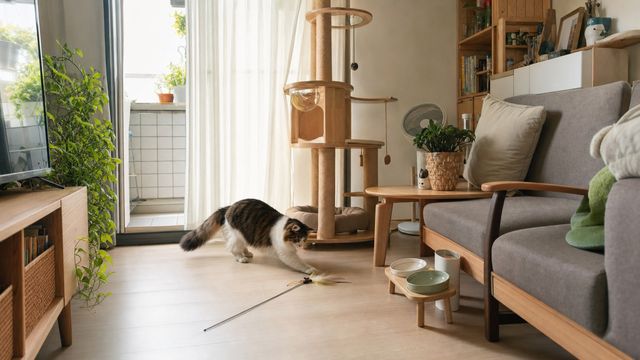
Does Your Cat See You as a Safe Base? Understanding Trust Through Hiding, Approaching, and Seeking Help
Does your cat see you as a safe base? Understanding trust through hiding, approaching, and seeking help. A cat trusting you doesn't necessarily mean they'll be clingy all the time. Many owners assume that a cat's trust is shown by following them around all day, demanding cuddles, or insisting on sleeping nearby.
Key takeaways
- Whether a cat trusts you isn't just about how cuddly it is: If a cat is willing to be in the same room, approach or leave on its own terms, it might have already put you on its safety list.
- A 'safe base' refers to a person, scent, or space a cat uses to confirm its sense of security when encountering uncertain situations; if it returns to your vicinity after hiding, observes your reactions, or chooses to stay in a place with your scent, it reflects trust more than usual affection.
- 5 daily signs of a cat's trust include: Willingness to come out and be active after a brief hiding period, approaching but not necessarily touching, relaxing and sleeping in your sight, seeking your help when facing problems, and relaxed body language (tail held naturally upright, slow blinks, relaxed whiskers, unarched back).
- 4 interaction habits that most easily damage a cat's trust for beginners are: Forcing hugs, chasing a hiding cat, playing with hands, and punitive discipline (loud scolding, spraying water, hitting the cage, or pinning the cat).
- Building a sense of security requires adjusting the environment, scents, and routines simultaneously: Prepare resting spots and hiding places at various heights, keep litter boxes, food bowls, and water bowls separate, retain a couple of fabric items with the original scent after changing beds or moving, and feed, scoop litter, and play with a wand toy at fixed times daily.
Does Your Cat See You as a Safe Base? Understanding Trust Through Hiding, Approaching, and Seeking Help
A Cat Trusting You Doesn't Necessarily Mean They'll Be Clingy
Many owners assume that a cat's trust is shown by following them around all day, demanding cuddles, or insisting on sleeping nearby. In reality, cats are animals that value personal space. If they're willing to stay in the same room, approach you on their own terms, they might already consider you part of their safe circle. Especially in Taiwan's small urban homes where human-cat proximity is close, they don't need constant attention but rather the freedom to choose to approach or leave.
Judging a cat's trust shouldn't just be based on their clinginess, but also on how they react when stressed. Some cats are usually independent, but when they hear thunder, construction noise, or when unfamiliar guests arrive, they might move closer to you to observe. This is a very important signal. They don't necessarily need to burrow into your arms; being willing to consider your location a safer area indicates that trust is forming.
What is a Cat's Safe Base? First, Observe Their Choices When Stressed
A "safe base" can be understood as a person, scent, or space that a cat uses to confirm their sense of security when facing uncertain situations. When there's the sound of a vacuum cleaner, thunder outside, or guests entering the house, they might first hide, then slowly peek out to observe. If, after hiding, they return near you, watch your reaction, or choose to stay in a place with your scent, this usually reflects more about the cat's trust than their usual affectionate behavior.
Taiwan's summers are humid and the rainy season is muggy, making cats prone to stress due to changes in scent, mustiness, noise, or reduced activity space. At these times, don't rush to pick them up to "comfort" them. A better approach is to provide them with a designated hiding spot and ensure easy access to water, litter boxes, and resting areas. A safe base isn't about forcing them to depend on you, but about letting them know you won't add to their stress.
5 Daily Signals: Hiding, Approaching, Sleeping, Seeking Help, and Body Relaxation
The first signal is their method of hiding. When completely untrusting, a cat might hide in a deep, hard-to-reach spot and stay there for a long time; however, if they only briefly hide in a cardboard box, cat bed, or a high place, and are willing to come out and move around after confirming safety, it means they are regulating their stress in their own way. Owners can observe if they are willing to eat, groom, or move around their usual routes after coming out.
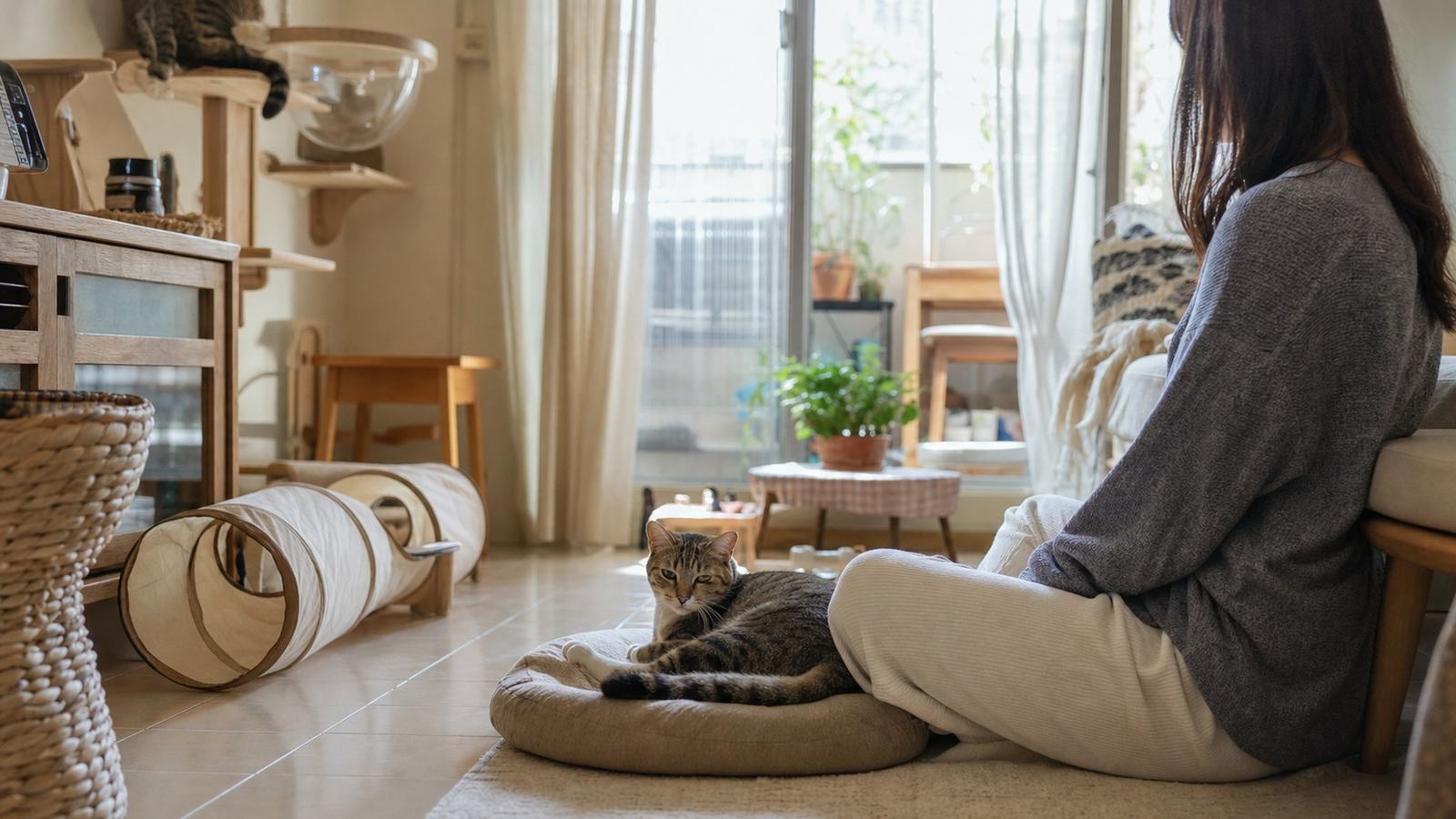
The second signal is approaching, but not necessarily touching. A cat willing to sit next to you, lie near your desk, or come out to greet you when you return home are all cumulative signs of trust. The third signal is their sleeping position. If they are willing to roll over, lie on their side, or close their eyes to rest in a place where you can see them, it means their vigilance towards the environment has decreased. Sleeping is one of the most vulnerable times for a cat, so these relaxed behaviors are very informative.
The fourth signal is seeking help. When their toy gets stuck, they want to enter a room, they feel unwell, or there's a problem with their litter box, they will use vocalizations, eye contact, lead you, or repeatedly approach you, indicating they believe you might help. The fifth signal is body relaxation, such as a naturally upright tail, slow blinks, relaxed whiskers, and an unarched back. These small details, when combined, provide a better understanding of the degree of a cat's trust than a single action.
4 Interaction Habits That New Owners Most Easily Break Trust With
The first habit is forced cuddling. Many people want to pick up their cats when they see how cute they are. However, if the cat's body is stiff, their tail is flicking rapidly, their ears are back, and you still force a cuddle, it will only associate your hands with stress. The second habit is chasing a hiding cat. Especially when a new cat arrives home, forcibly pulling them out from under the bed or sofa will make it harder for them to consider the home a safe environment.
The third habit is playing with your hands. Kittens might seem to just gently bite, but as they grow, this can develop into habits of pouncing on hands or biting feet, and can also lead to rougher interactions. The fourth habit is punitive discipline, such as yelling, spraying water, hitting their cage, or pinning them down. These actions do not help the cat understand rules; they only reduce the cat's trust, and may even cause them to hide more often or become aggressive.
How to Gradually Build a Sense of Security? Adjusting Environment, Scents, and Routine Together
Building a sense of security starts with the environment. It's best to have resting spots at different heights, cardboard boxes or cat beds for hiding, and to ensure the litter box, food bowl, and water bowl are not placed too close together. During Taiwan's humid seasons, pay special attention to clumped litter, odors, and mustiness, as an uncomfortable litter box directly affects a cat's sense of security at home. Small living spaces are fine; the key is stable pathways and resources that don't interfere with each other.
Scent is also an important factor for cats in judging safety. After changing to a new bed, washing all blankets, having guests over, or moving house, you can keep one or two items with the original scent to help them transition. A consistent routine is equally important. For example, feeding, cleaning the litter box, and playing with a wand toy around the same time each day will make their life more predictable. When a cat knows you are stable, gentle, and predictable, trust will slowly grow.
In terms of interaction, adopt an "invitation rather than demand" approach. Placing your hand low for them to sniff, responding with slow blinks, and ending playtime when they still show interest are more effective than constantly petting or calling them. If they retreat, let them retreat; if they approach, give gentle feedback. Respecting boundaries isn't about being distant, but about letting them know you understand their refusal.
FAQ
If my cat doesn't let me hold them, does that mean they don't trust me?
Not necessarily. Many cats naturally dislike being held, but they still express their comfort by approaching you, following you from room to room, slow blinking, or sleeping near you. Don't judge a cat's trust solely on whether they allow you to hold them.
Is it normal for a new cat to hide all the time?
It's very normal. New environments, sounds, scents, and pathways take time to adapt to. It's recommended to first provide them with a single room, a stable litter box, and a quiet hiding spot. As long as they are eating, drinking, and eliminating normally, you can minimize disturbances for now.
My cat has suddenly become very clingy; does this mean their trust has increased?
It might, or it could be due to stress, fear, or discomfort. If accompanied by decreased appetite, abnormal urination, excessive vocalization, or reduced activity, it's advisable to consult a veterinarian as soon as possible.
In a multi-cat household, how can I prevent them from negatively impacting each other's sense of security?
Each cat needs their own resources, including food bowls, water bowls, litter boxes, hiding spots, and resting areas. Insufficient resources can lead to competition between cats and make it harder for them to establish security with people and the environment.
Let Trust Be Stabilized Starting with Everyday Essentials
If you want your cat to feel more secure, you don't necessarily need to buy many cat supplies at once, but choose items they will actually use and that fit your home space. From odor-controlling cat litter, easy-to-clean litter boxes, cat beds for hiding, durable wand toys, to food and treats stored appropriately for Taiwan's humid climate, these are the daily foundations for building security. CatGarden's selected cat supplies are suitable for owners who want to provide detailed care and help their cats gradually relax.
Further Reading
- Decoding Your Cat's Sleeping Positions: Sleeping On You Means They Love You Super Much? Understand Your Cat's Trust Level from 5 Major Positions!
- Can You Follow Online Cat Care Advice? Newbies Should Check Risks with 5 Questions First
- Bought Lots of Cat Toys But They're Still Bored? Check Daily Playtime, Methods, and Endings First
CatGarden offers curated supplies, cat boarding, and grooming
Book services or shop online.