Is Your Cat's Chattering at the Window Normal? Look to Hunting Instincts, Anxiety, and Window Safety First
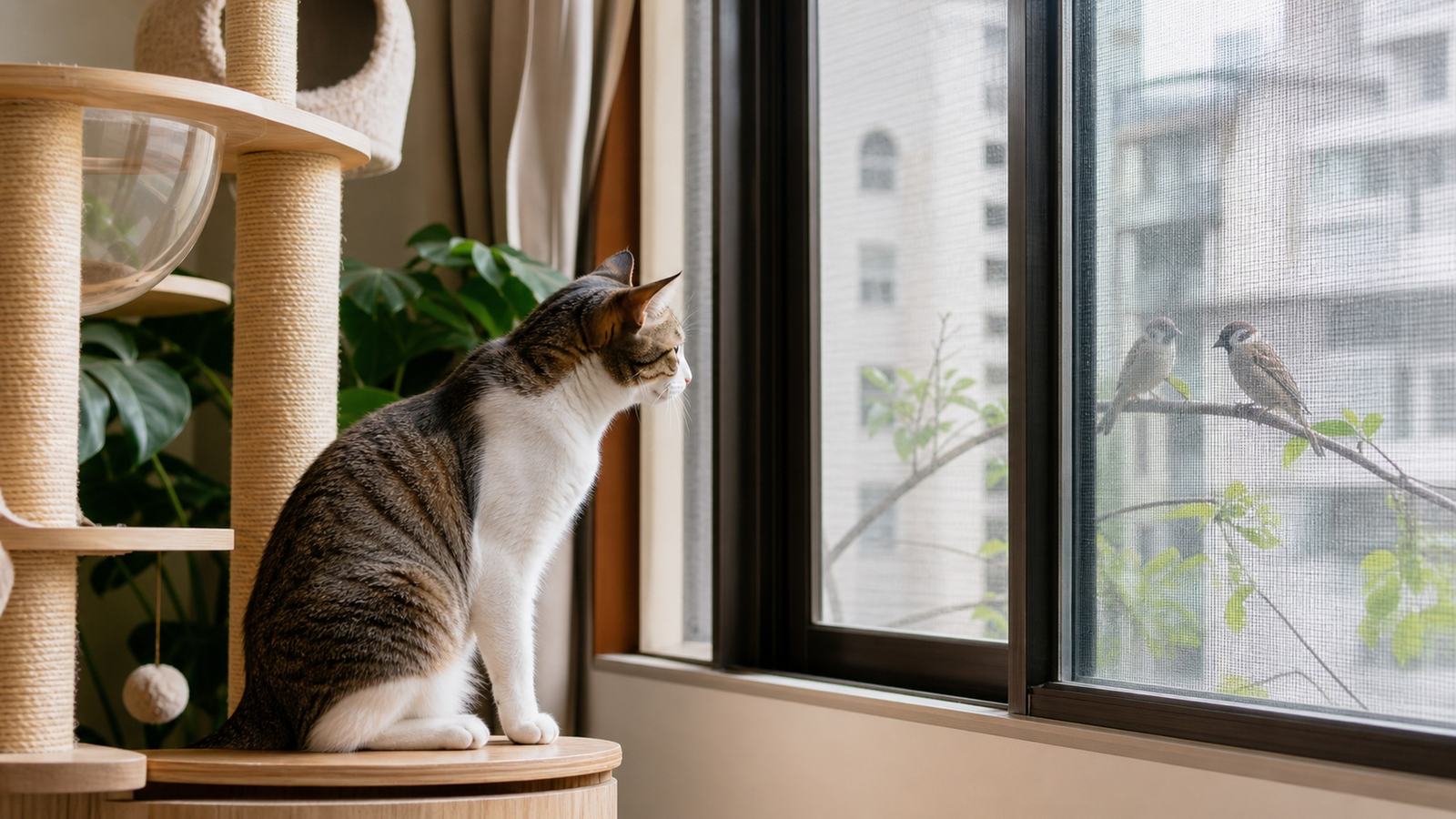
What is cat chattering? Common scenarios. You might have seen your cat crouched by the window, staring at birds, geckos, or flying insects outside, with its mouth slightly open, making short "chattering" sounds or sounds like chattering teeth. This is what many owners refer to as cat chattering.
Key Takeaways
- Cat chattering is the short "chattering" sound cats make with their mouths slightly open when they see targets outside the window like birds, geckos, or flying insects that they "want to catch but can't." It's usually related to hunting instincts and doesn't necessarily mean they are sick.
- Chattering is considered part of a hunting instinct response, where the cat's body is ready to pounce but is blocked by glass or a screen. It may also be related to simulating biting prey, emotional excitement, or frustration.
- If your cat briefly stares out the window, chatters a few times, and then can leave the window to eat, sleep, and play normally, it leans towards normal excitement. However, if the cat spends a long time by the window, chatters frequently, scratches the screen, bangs on the glass, pants, growls, or remains anxious after leaving, it's more than just excitement.
- If your cat simultaneously shows decreased appetite, hides, over-grooms, or changes litter box habits, it's recommended to consult a veterinarian or a feline behavior professional.
- For most indoor cats, several short play sessions of 5 to 15 minutes daily are more stabilizing than one long play session on the weekend or letting them stare out the window constantly.
What is Cat Chattering? Common Scenarios
You might have seen your cat crouched by the window, staring at birds, geckos, or flying insects outside, with its mouth slightly open, making short "chattering" sounds or sounds like chattering teeth. This is what many owners refer to as cat chattering. Sometimes, it's accompanied by rapid tail flicking, whiskers forward, and a lowered body posture. The sound is usually not loud, but because it's so unique, it can be worrying the first time you hear it, making you wonder if they're uncomfortable.
This sound most often occurs when cats see a target they "want to catch but can't," such as sparrows, pigeons, geckos, or small insects on the balcony, or even moving people on the building opposite. In typical urban apartments with limited window views, cats spending long periods on windowsills or by screens are more likely to accumulate excitement and frustration. In most cases, brief chattering isn't necessarily a sign of illness but is related to their hunting instincts.
Why Do Cats Chatter When Seeing Birds, Geckos, or Outdoor Activity?
Cats are natural predators. Even domestic cats that have lived indoors their whole lives will activate their tracking, stalking, and pouncing instincts when they see small, fast-moving animals. The hopping of birds outside, geckos climbing walls, or insects flying by can put them into a state of high focus. Cat chattering is often seen as part of this instinctual response, as if their body is ready to strike, but they are physically blocked by glass or a screen.
Some behavioral perspectives also suggest that chattering sounds may be related to simulating biting prey, emotional excitement, or frustration. Cats can see the target but cannot actually pursue and complete the hunting sequence, which can lead to mouth trembling, short vocalizations, or rapid tail movements. This doesn't mean they are "broken"; it's just that their senses and instincts are highly stimulated by the outdoor environment.
How to Distinguish Between Normal Excitement, Hunting Frustration, and Stress
If your cat briefly stares out the window, makes a few chattering sounds, and then can leave the window to eat, sleep, and play normally, it generally leans towards normal excitement. This type of cat chattering often occurs when specific stimuli appear, such as a bird landing on the air conditioner unit or a gecko suddenly running by. Once the stimulus disappears, the cat's emotions can gradually stabilize, so there's no need to be overly concerned.
However, it's important to pay attention if your cat spends long hours by the window every day, chatters more frequently, scratches the screen, bangs on the glass, pants, growls, or remains noticeably anxious after leaving the window. This might be more than just excitement. At this point, you should consider if they lack sufficient activity or if the outdoor stimuli are too intense with no outlet. If they also show decreased appetite, hiding, excessive grooming, or changes in litter box habits, it's advisable to consult a veterinarian or a feline behavior professional.
Key Points to Observe
- Timing: Does it only happen when seeing birds, geckos, or insects?
- Duration: Can the cat naturally calm down after the stimulus disappears?
- Physical State: Are they panting, drooling, showing aggression, or overly tense?
- Daily Changes: Are their eating, drinking, sleeping, and interaction habits different from usual?
How to Set Up a Safer Window Environment in Small Taiwanese Homes
Many families in Taiwan live in apartments, high-rises, or small homes, where the window area often serves as a place for cats to observe the outside world, sunbathe, and feel the breeze. If your cat enjoys looking out the window, the first step is to ensure that the windows, screens, and safety nets are secure, especially with older aluminum windows, outward-opening windows, or screens that can easily come loose. Don't assume your cat is stable enough to never fall; in an excited state, they might suddenly pounce towards a bird or insect.
It's recommended to design the window area as a "safe zone where they can look, stay, but not jump out." You can place sturdy cat trees, window perches, or low cabinets to give them a stable observation point, preventing them from standing on unstable cardboard boxes, clutter, or the window frame edge. During the rainy season and humid summer months, also be mindful of mold on cushions, wooden perches, and curtains to avoid prolonged exposure to damp environments.
Window Safety Checklist
- Screen Security: Ensure screens are not loose, torn, or have gaps that a cat can push open.
- High-Rise Fall Prevention: Balconies and windows should have appropriate safety barriers, not just rely on screens.
- Stable Platforms: Cat trees and window perches must be able to support weight and should not wobble or slide.
- Avoid Hazards: Do not place fragile items, cleaning agents, fragrances, or sharp objects near the window.
How to End Playtime Daily to Reduce Window-Related Anxiety
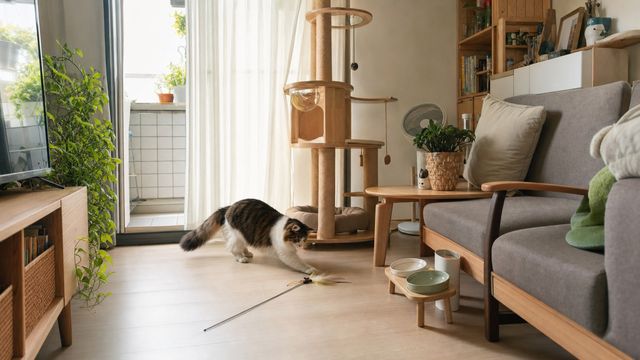
To reduce post-chattering anxiety, the key isn't to forbid your cat from looking out the window but to help them expend their hunting energy in a safer way. Schedule regular playtime sessions daily, using wand toys, feather toys, or small toys to simulate the rhythm of prey hiding, pausing, and escaping. Don't just wave the toy randomly in front of your cat; allow them the process of stalking, waiting, and pouncing to satisfy their instincts.
Playtime should have a "cool-down" period at the end, which many owners overlook. Let your cat successfully catch the toy a few times, then give them a small treat or their meal, creating a natural sequence of "successful hunt, getting the prey, resting." If they become particularly agitated after looking out the window, gently move them away from the stimulus, such as partially closing the curtains, and then use a low-intensity toy to redirect their attention, rather than immediately picking them up or scolding them.
Daily Routine for Window-Loving Cats
During the day, you can provide a safe viewing spot for environmental enrichment, without completely blocking the window. In the evening or during periods of high bird activity, if they tend to get overly excited, you can briefly adjust the curtains to reduce visual stimulation. Combined with scratching posts, scent toys, puzzle feeders, and regular playtime, this usually helps their mood stabilize after cat chattering.
If you have multiple cats, also observe if the window area becomes a place for competition or mutual stress. You can set up observation points in different rooms or at different heights to prevent one cat from monopolizing resources while another becomes anxious nearby. A good window environment not only makes the cat happy to look out but also allows them to have choices, retreat, and rest.
FAQ
Does Cat Chattering Mean They Are Sick?
In most cases, cat chattering is related to seeing prey, outdoor activity, or high excitement and doesn't necessarily mean they are sick. If the sound only occurs in specific situations and the cat's normal eating, drinking, energy levels, and elimination habits are fine, you can observe first. However, if it's accompanied by pain, drooling, abnormal breathing, decreased appetite, or significant behavioral changes, it's recommended to seek veterinary attention.
Does Constantly Staring Out the Window Cause Stress for Cats?
Not necessarily. For indoor cats, the view outside can also be a source of environmental stimulation and entertainment. The key is whether they can voluntarily leave, rest, and remain relaxed after watching. If they stare intently for long periods, chatter non-stop, scratch the window, or become irritable, you need to adjust the window stimuli and their daily activity levels.
Can I Close the Curtains Completely to Stop My Cat from Watching Birds?
It's not recommended to remove all visual stimuli completely unless the cat is already showing clear signs of stress. A better approach is to provide a safe viewing area and partially block it during periods of intense stimulation. This allows the cat to still have enjoyment in life and prevents boredom from the complete deprivation.
My Cat Chatters at Geckos, Should I Let Them Catch One?
You don't need to intentionally let your cat catch a gecko. Geckos may carry environmental contaminants, or your cat could be injured if they catch one, leading to other risks. Your home might also become chaotic. It's recommended to safely remove the gecko and then redirect their hunting excitement with a wand toy or other toys to provide an alternative outlet.
How Do I Know If My Cat Needs More Playtime?
If your cat frequently becomes anxious by the window, has bursts of energy at night, bites at your hands and feet, is overly clingy, or reacts strongly to external stimuli, it might indicate insufficient daily activity. Short, consistent interactive play sessions daily are more effective than one long session on the weekend. For most indoor cats, several short play sessions of 5 to 15 minutes daily are more stabilizing than letting them stare out the window constantly.
Closing CTA
Cat chattering at the window is usually a mix of instinct, excitement, and a bit of "can't catch" frustration. Instead of scolding them, focus on ensuring window safety, and then use wand toys, scratching posts, cat trees, puzzle feeders, and comfortable sleeping mats to help them expend their daily energy in the right places. If you want to create a safer and more comfortable window corner for your cat, you can start by choosing cat supplies suitable for Taiwanese homes.
Further Reading
- Can You Touch Your Kitten's Ears and Paws Daily? Start with 3-Minute Desensitization to Build Trust
- Does Your Cat See You as a Secure Base? Understand Trust from Hiding, Approaching, and Seeking Help
- Should You Follow Online Cat Care Advice? New Owners Should Check Risks with 5 Questions First
Frequently Asked Questions
Does Cat Chattering Mean They Are Sick?
In most cases, it's related to seeing prey, outdoor activity, or high excitement and doesn't necessarily mean they are sick. If it only occurs in specific situations and their normal eating, drinking, energy levels, and elimination habits are fine, you can observe first. However, if it's accompanied by pain, drooling, abnormal breathing, decreased appetite, or significant behavioral changes, it's recommended to seek veterinary attention.
Does Constantly Staring Out the Window Cause Stress for Cats?
Not necessarily. For indoor cats, the view outside can also be a source of environmental stimulation and entertainment. The key is whether they can voluntarily leave, rest, and remain relaxed after watching. If they stare intently for long periods, chatter non-stop, scratch the window, or become irritable, you need to adjust the stimuli and their activity levels.
Can I Close the Curtains Completely to Stop My Cat from Watching Birds?
It's not recommended to remove all visual stimuli completely unless the cat is already showing clear signs of stress. A better approach is to provide a safe viewing area and partially block it during periods of intense stimulation, allowing the cat to still have enjoyment in life.
My Cat Chatters at Geckos, Should I Let Them Catch One?
You don't need to intentionally let your cat catch a gecko, as they may carry environmental contaminants or your cat could be injured. It's recommended to safely remove the gecko and then redirect their hunting excitement with a wand toy or other toys to provide an alternative outlet.
How Do I Know If My Cat Needs More Playtime?
If your cat frequently becomes anxious by the window, has bursts of energy at night, bites at your hands and feet, is overly clingy, or reacts strongly to external stimuli, it might indicate insufficient daily activity. Short, consistent interactive play sessions daily are more effective than one long session on the weekend.
CatGarden offers curated supplies, cat boarding, and grooming
Book services or shop online.