Do Cats Need to Be Walked? Environmental Checks for Indoor Cats in Taiwan to Ensure Peace of Mind
Do cats need to be walked? Environmental checks for indoor cats in Taiwan to ensure peace of mind. Does a cat only become happy by going for walks outside? Not necessarily. Cats and dogs have different needs; most cats prioritize security, a fixed territory, and a predictable daily rhythm.
Key Takeaways
- Cats don't necessarily need to go for walks to be happy. Most cats prioritize security, a fixed territory, and a predictable daily rhythm. Home is their most familiar and secure domain.
- Common risks of walking cats in Taiwan include escape due to startling noises from traffic, discomfort from humidity during the rainy season and heat in summer affecting their paws, contact with other animals' waste and cleaning agents, and escape due to ill-fitting harnesses.
- Cats that are timid, afraid of sounds or strangers, as well as kittens, senior cats, cats with chronic illnesses, or those recently moved, spayed, or vaccinated, are not suitable for forced outdoor walks.
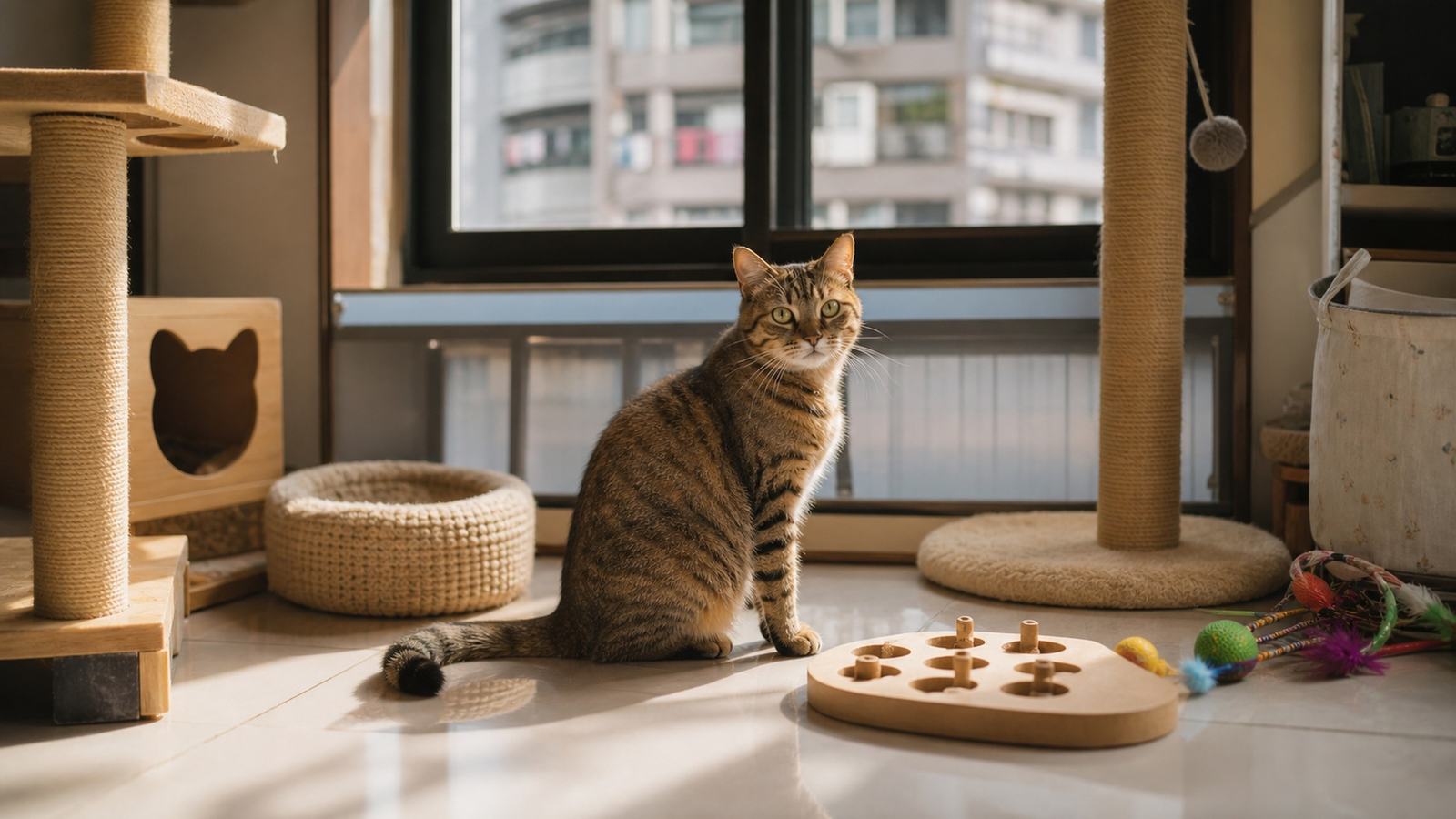
- Indoor environmental enrichment should include vertical spaces, hiding spots, hunting games, vertical and horizontal scratching posts, window perches with secure screens, and humidity management during the rainy season.
- It's recommended to schedule 2-3 short interactive play sessions daily, which better matches a cat's hunting rhythm than one long session. Let the cat "catch" the prey at the end and offer a small treat for a sense of accomplishment.
Do Cats Need to Be Walked? Environmental Checks for Indoor Cats in Taiwan to Ensure Peace of Mind
Does a Cat Only Become Happy by Going for Walks Outside?
Not necessarily. Cats and dogs have different needs; most cats prioritize security, a fixed territory, and a predictable daily rhythm. For many indoor cats in Taiwan, home is their most familiar and secure domain, and not going outside doesn't mean a lower quality of life.
What truly affects a cat's happiness is usually not whether they go outside, but whether they can hide, climb, hunt, rest, and observe their environment at home. If the indoor space offers sufficient stimulation and choices, cats can still expend energy and satisfy their curiosity. Walking a cat is not a mandatory activity, but rather an option that might suit a few cats under the right conditions.
6 Common Risks of Walking Cats in Taiwan
Taiwan's urban areas have dense traffic and sudden motorcycle noises, which can easily startle cats. Even if they are usually affectionate at home, encountering car horns, construction sounds, or approaching strangers outdoors can cause them to instantly slip out of their harnesses. One of the biggest risks of walking a cat is them escaping when frightened, and they may not always look back for their owner like dogs do.
Climate is also a factor Taiwanese owners need to pay special attention to. The damp ground during the rainy season and the hot, humid weather in summer can make cats' paws uncomfortable and increase the risk of parasites, fleas, and skin issues. If they explore community courtyards, parks, or covered walkways, they might also come into contact with other animals' waste, cleaning agents, or unknown plants.
The Most Underestimated Stress Before Going Out
Many cats don't dislike the fresh air; they dislike "being taken away from their familiar territory." Strange smells, open spaces, and the gaze of passersby can put a cat into a state of stress. They might appear to be just lying still, but they could actually be very frightened.
Another common problem is an ill-fitting harness. Cats have flexible bodies, and if the size is wrong or they haven't been trained properly, they might easily escape by backing up or rolling over. Before attempting to walk a cat for the first time, don't just focus on whether the gear looks cute; ensure they truly accept wearing it and moving around.
Which Cats Are Not Suitable for Walks? Consider Personality, Age, and Health First
If a cat is naturally timid, prone to hiding, afraid of strangers, or sensitive to sounds, it's generally not recommended to force them outdoors. Such cats, even if they seem bored at home, don't necessarily need outdoor stimulation. For them, suddenly being outside might not be exploration, but a stress test.
Kittens, senior cats, cats with chronic illnesses, or those who have recently moved, been spayed, or vaccinated are also not suitable for hurried attempts at walking. When their physical condition is unstable, going outdoors increases the possibility of infection, dehydration, or stress reactions. If a cat has heart, respiratory, joint, or immune-related issues, it's best to consult a veterinarian familiar with their medical history.
Cats More Likely to Be Suitable Usually Have These Traits
Cats that are more likely to be suitable for outdoor excursions typically have stable personalities, are curious, and don't immediately flee from new sounds or objects. They also need to be willing to accept a harness and be able to walk normally, eat treats, and play with a wand toy while wearing it indoors. These reactions are more important than breed; don't assume a cat is suited for walks just because it "looks like" one that would go out.
Even if a cat seems suitable, treat the first outdoor experience as an observation, not a formal walk. Choose a quiet location that allows for a quick retreat, away from traffic and other dogs. If the cat starts hissing, crouching low, or tucking its tail, the outing should end immediately.
Expending Energy Without Walks: Indoor Environmental Enrichment Checklist
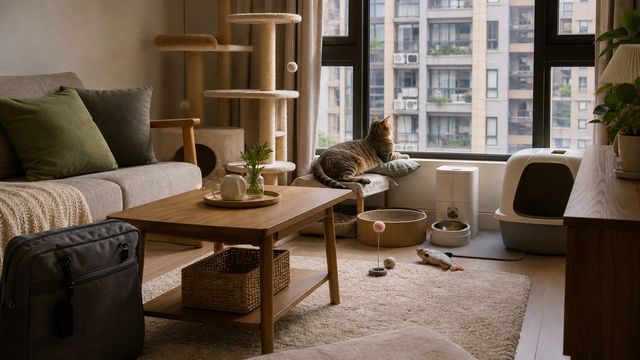
Indoor cats most need a predictable yet varied life. This might sound contradictory, but the approach is simple: a regular routine provides security, while games, scents, and vertical spaces offer stimulation. Especially in Taiwan's common small living spaces, it's crucial to utilize walls, windowsills, and different levels, rather than just tossing toys on the floor.
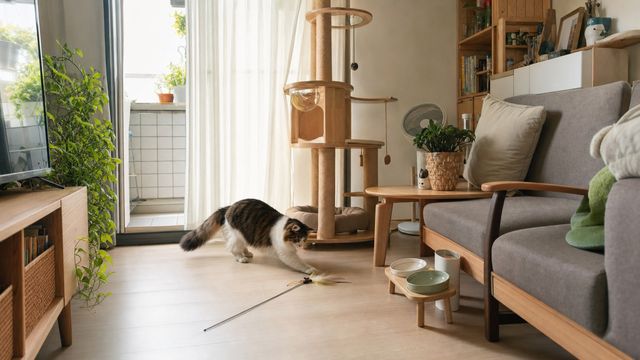
Scheduling 2-3 short interactive play sessions daily better matches a cat's hunting rhythm than one long session. A wand toy can simulate prey movement; letting the cat "catch" it at the end and offering a small treat provides a sense of accomplishment. For families that don't walk their cats, it's even more important to design the indoor environment as a territory for patrolling, hiding, and observing.
Indoor Environment Checklist
- Vertical Space: Provide cat trees, shelves, or window perches to allow cats to move upwards.
- Hiding Spots: Keep cardboard boxes, cat beds, or quiet rooms available for cats to retreat undisturbed.
- Hunting Games: Use wand toys, balls, or puzzle feeders daily to increase activity.
- Scratching Needs: Offer vertical and horizontal scratching posts to reduce scratching on sofas or door frames.
- Window Observation: Ensure window screens are secure, allowing cats to safely watch birds, street scenes, and sunbathe.
- Humidity Management: During the rainy season, pay attention to dehumidification, keeping litter boxes dry, and ensuring good ventilation for bedding to reduce odors and discomfort.
If your home space is limited, start by adjusting the "traffic flow." Create a safe route for your cat from the floor to chairs, cabinets, and windowsills; this is more practical than buying large items. For multi-cat households, food bowls, water bowls, litter boxes, and resting spots should be dispersed to avoid resource competition.
If You Really Want to Try Walking Your Cat, What Should You Prepare Beforehand?
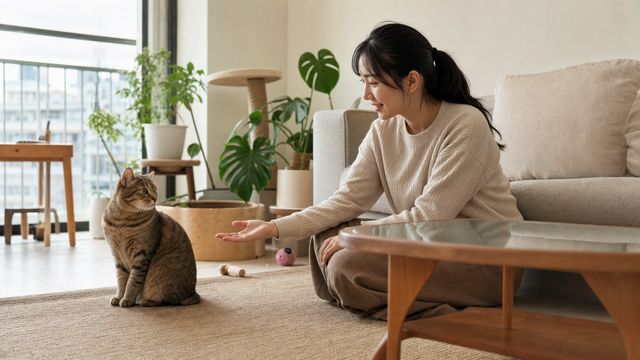
If you want to try walking your cat, the first step isn't going outside, but training at home. Let your cat sniff the harness, then put it on for short periods, pairing it with treats and play to build positive associations. Once they can walk, eat, and play normally while wearing it, gradually practice leash walking.
Before going out, ensure vaccinations, internal and external parasite prevention, and microchip or ID tag information are up-to-date. Taiwan's summers are hot; avoid midday and hot pavement, opting for cooler early mornings or evenings. For the first outing, use a carrier as a safe base, allowing the cat to decide when to come out.
Outdoor Gear and Judgment Principles
- Well-fitting H-style or vest harness: Never use a collar for leash walking; it can cause injury or escape.
- Short leash: Allows for easy control of distance; retractable leashes are not recommended initially.
- Carrier: Serves as an emergency retreat space; the cat can return immediately if frightened.
- Treats and water: Used for calming, rewarding, and preventing dehydration in hot weather.
- Observe the cat's body language: Stop immediately if the cat is crouching, hissing, pupils dilated, or trying to escape.
Remember, walking a cat is not a demonstration of training, nor is it about how far you go. What truly matters is whether the cat is relaxed, willing to explore, and can return home safely. If they don't like it, it means indoor life is more suitable for them, and there's no need to force it.
Conclusion: Make Your Home a Safe Territory for Your Cat First
Cats don't necessarily need to go outside to be happy, especially considering Taiwan's living environment, weather, and street stimuli that require careful evaluation. Instead of rushing into outdoor excursions, first check if your home offers enough space for scratching, climbing, hiding, playing, and resting. When the indoor environment is well-designed, cats can expend energy safely and maintain stable emotions.
If you're planning a more comfortable indoor life for your cat, start by adjusting everyday items. Choosing a stable cat tree, durable scratching posts, litter box accessories suitable for Taiwan's humid climate, and interactive wand toys can help even indoor cats live fulfilling lives. CatGarden has curated a variety of practical cat products suitable for owners looking to improve their home environment, increase opportunities for exercise, or prepare for outdoor training.
FAQ
Will a cat become depressed if it never goes outside?
Not necessarily. A cat's happiness primarily depends on whether it feels secure, has sufficient activity, interaction, and controllable resting spaces at home. If they have regular play sessions, window observation, scratching opportunities, and hiding choices daily, most indoor cats can live very well.
Can walking a cat help with obesity?
It's not recommended to rely on outdoor walks as the primary method for weight loss. Cat weight management should start with dietary portion control, feeding methods, and indoor activity levels, with veterinary advice if necessary. If a cat is not suited for the outdoors, forcing walks can actually cause stress.
My cat keeps meowing at the door, does it want to go out?
Not necessarily. It might simply be curious about sounds or smells outside, or the owner's coming and going. You can first satisfy its exploratory needs with a window perch, scent toys, or a safe observation area near the door, without immediately interpreting it as a need for walks.
How long should the first outdoor trip with a cat be?
The first trip should be very short, perhaps only 3 to 5 minutes at the doorstep or in a quiet corner. The focus is on observing the cat's reaction, not completing a walk. If the cat is nervous, wants to hide, or is unwilling to move, you should return home immediately.
Further Reading
- What If My Cat Doesn't Use a Scratching Post? Check Placement, Material, and Timing First
- What to Do When Your Cat Hides When Guests Visit? Prepare a Safe Room, Scents, and Interaction Boundaries First
- Is It Normal for My Cat to Chatter at the Window? Check Hunting Instincts, Frustration, and Window Safety First
Frequently Asked Questions
Does a cat only become happy by going for walks outside?
Not necessarily. What truly affects a cat's happiness is usually not whether they go outside, but whether they can hide, climb, hunt, rest, and observe their environment at home. If the indoor space offers sufficient stimulation and choices, cats can still expend energy.
Will a cat become depressed if it never goes outside?
Not necessarily. A cat's happiness primarily depends on whether it feels secure, has sufficient activity, interaction, and controllable resting spaces at home. If they have regular play sessions, window observation, scratching opportunities, and hiding choices daily, most indoor cats can live very well.
Can walking a cat help with obesity?
It's not recommended to rely on outdoor walks as the primary method for weight loss. Cat weight management should start with dietary portion control, feeding methods, and indoor activity levels, with veterinary advice if necessary; if a cat is not suited for the outdoors, forcing walks can actually cause stress.
My cat keeps meowing at the door, does it want to go out?
Not necessarily. It might simply be curious about sounds or smells outside, or the owner's coming and going. You can first satisfy its exploratory needs with a window perch, scent toys, or a safe observation area near the door, without immediately interpreting it as a need for walks.
How long should the first outdoor trip with a cat be?
The first trip should be very short, perhaps only 3 to 5 minutes at the doorstep or in a quiet corner. The focus is on observing the cat's reaction, not completing a walk. If the cat is nervous, wants to hide, or is unwilling to move, you should return home immediately.
CatGarden offers curated supplies, cat boarding, and grooming
Book services or shop online.