Is a Cat Behavior Class Necessary? New Owners Should First Understand Problem Types, Self-Learning Boundaries, and Home Adjustments
Which cat owners benefit from a cat behavior class? First, identify the type of problem you're facing. Cat behavior classes aren't just for "naughty cats"; they're more commonly for owners who have tried many methods but still don't know where the problem originates. Issues like inappropriate urination, midnight zoomies...
Key Takeaways
- Cat behavior classes are not just for "naughty cats"; they are more often for owners who have tried many methods but don't know where the problem starts. Issues like inappropriate urination, zoomies, aggression, constant meowing, or hiding can have completely different underlying causes. Categorizing the problem first is more effective than rushing to find a single solution.
- New owners often misinterpret cat behavior as human emotions, such as thinking the cat is seeking revenge or being deliberately disruptive. However, most behaviors are related to the environment, sense of security, physical condition, and resource allocation.
- Sudden inappropriate urination, frequent entering and exiting of the litter box, reduced urine output, or blood in the urine can indicate discomfort. Do not search for training methods online first; consult a veterinarian as soon as possible.
- For issues like kittens biting hands or wanting to play at night, adjust interaction methods first: avoid using hands or feet to play, use a wand toy to maintain distance, and arrange a 10-15 minute chasing and pouncing game before bedtime, followed by a small meal. If there's no improvement after two to three weeks, consider a cat behavior class or one-on-one consultation.
- When choosing a cat behavior class, look for courses that explain observation processes and emphasize identifying stress sources. Be cautious if a course constantly stresses punishment, deterrence, or making the cat "obey." Truly practical courses should empower owners to observe their cats better, not just memorize a few tricks.
Which Cat Owners Benefit from a Cat Behavior Class? First, Identify the Type of Problem You're Facing
Cat behavior classes aren't just for "naughty cats"; they are more commonly for owners who have tried many methods but still don't know where the problem originates. Issues like inappropriate urination, midnight zoomies, aggression towards family members, constant meowing, or hiding can have completely different underlying causes. Categorizing the problem first is more effective than rushing to find a single solution.
New owners are particularly prone to interpreting cat behavior through the lens of human emotions, such as believing the cat is seeking revenge, deliberately causing trouble, or being unfriendly. In reality, most behaviors are related to the environment, sense of security, physical condition, and resource allocation. If you're unsure how to observe your cat, a cat behavior class can help you establish a systematic approach to assessment, preventing you from consistently heading in the wrong direction.
What Can You Self-Teach First? From Vocalizations and Scratching to Daily Routines
If the problem isn't severe, you can start by keeping a daily log. Observe when your cat vocalizes, where it scratches or bites, and if it has bursts of energy at specific times. Record feeding, litter box cleaning, playtime, and sleep times. These records can help you determine if your cat is bored, anxious, hungry, or if its routine has been disrupted.
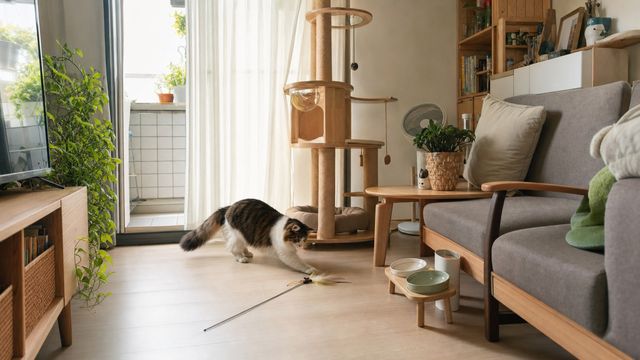
For issues like kittens biting hands, wanting to play at night, or getting agitated by birds or cars outside the window, adjusting interaction methods is often the first step. Avoid using your hands or feet to play with your cat; instead, use a wand toy to create distance. Arrange a 10-15 minute chasing and pouncing game before bedtime, followed by a small meal. If there's no improvement after two to three weeks, then consider whether a cat behavior class or one-on-one consultation is necessary.
Check These Items During Self-Study
- Is there fixed playtime every day, not just petting and cuddling?
- Is the litter box clean, in a quiet location, and is there a sufficient number?
- Are there hiding spots, climbing structures, and window perches in the home?
- Has there been a recent move, renovation, change of litter, change of food, or addition of a new family member?
Which Situations Should Not Be Dismissed as Just Behavioral Issues? First, Rule Out Pain, Urinary, and Stress Signals
Some situations that appear to be behavioral problems might actually be due to physical discomfort. The most typical signs include sudden inappropriate urination, frequent entering and exiting of the litter box, reduced urine output, or blood in the urine. For these situations, do not search for training methods online first; you should consult a veterinarian as soon as possible. During Taiwan's humid and hot seasons, water intake, litter box odor, and urinary stress are even more worth paying attention to.
Sudden aversion to being touched, increased aggression, prolonged hiding, or loss of appetite don't necessarily mean a personality change. Pain, joint discomfort, dental issues, or gastrointestinal upset can make a cat more sensitive. Good cat behavior classes often remind owners to rule out medical factors first, rather than explaining all situations as "training problems."
What Home Adjustments Should Be Made First? Litter Boxes, Hiding Spots, Vertical Space, and Playtime Rhythm
When keeping cats in small urban apartments, space may not be abundant, but the flow of movement should be clear. Do not place the litter box in a noisy, hot, or difficult-to-access location, nor should it be placed next to a washing machine or in a storage room simply for human convenience. For multi-cat households, pay more attention to resource distribution to prevent cats from being cornered along a single path.
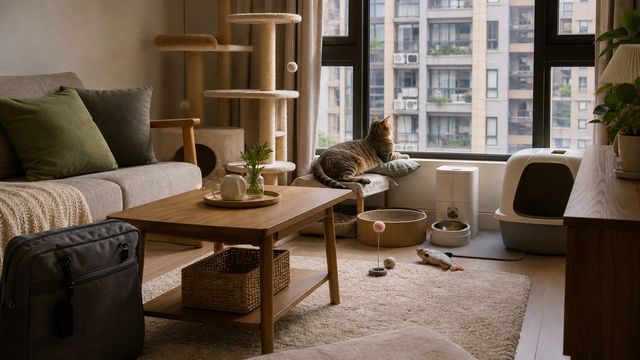
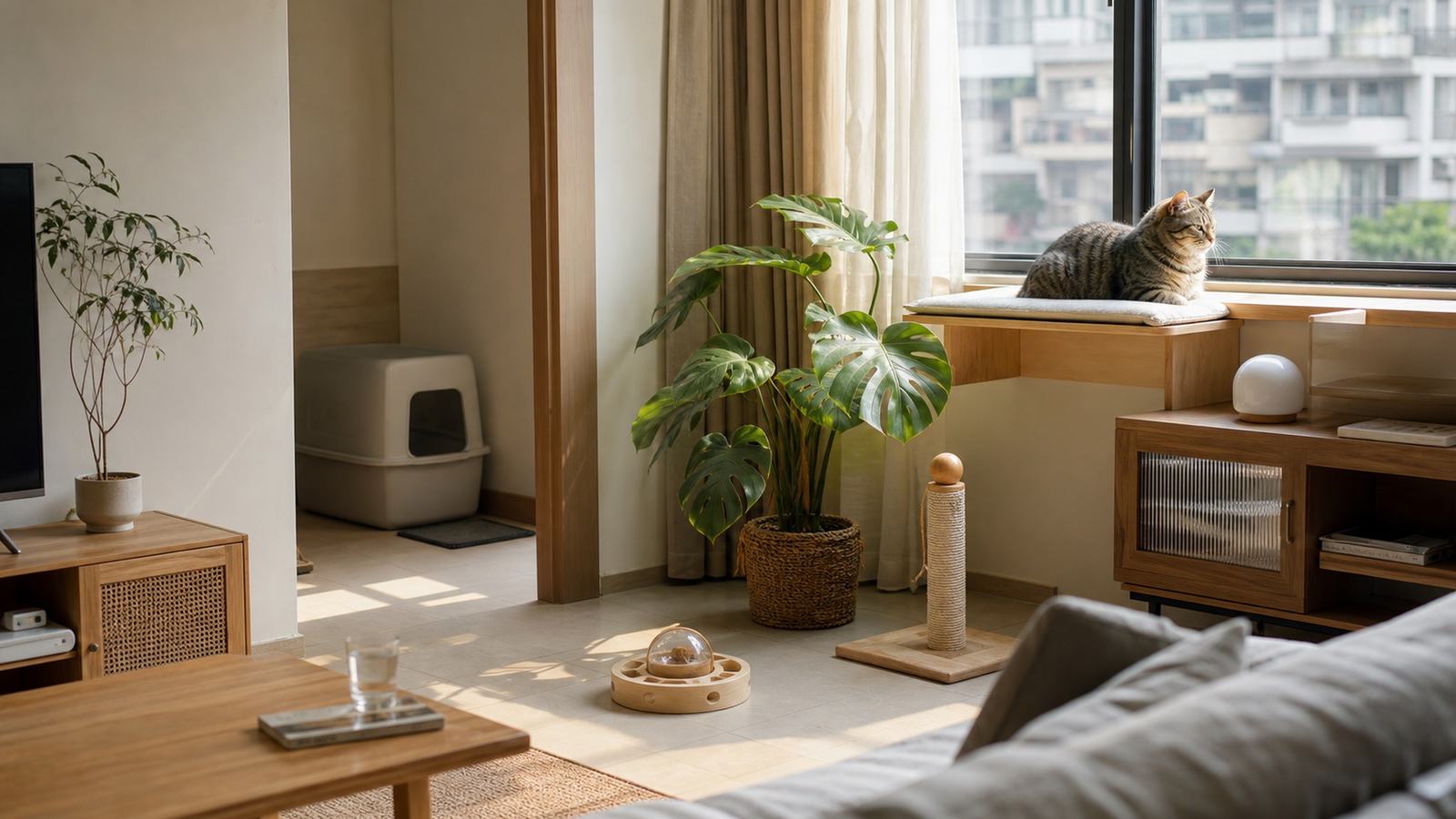
Hiding spots and vertical space are the foundation of a cat's sense of security. Cardboard boxes, enclosed beds, shelves, cat trees, and window perches all give them choices. Many cat behavior classes start by looking at environmental enrichment because if the home lacks arrangements for hiding, climbing, observing, and "hunting," relying solely on commands or prohibitions is unlikely to lead to improvement.
Playtime Rhythm is More Important Than the Number of Toys
Buying many toys doesn't mean your cat is satisfied; the key is how you play. Don't constantly wave the wand toy in your cat's face. Instead, simulate prey hiding, pausing, and escaping, allowing the cat a complete process of chasing, pouncing, and "catching." Giving a small amount of food after playtime helps them transition into a resting rhythm.
How to Choose a Cat Behavior Class or Consultation? Look at Methods, Case Studies, and Respect for Cat Stress
When choosing a cat behavior class, first see if the course explains the observation process, rather than just promising quick fixes. A good course will ask about the cat's age, health status, household members, litter box setup, routine, and recent changes, and will also focus on stress sources. If a course constantly emphasizes punishment, deterrence, or making the cat "obey," you should think twice.
You can also look at whether the instructor provides actual case studies, but don't expect every cat to have the same solution. Cats' life backgrounds, home layouts, and owners' time availability all differ, so adjustment methods will also vary. A truly practical cat behavior class should empower you to observe your cat better, not just memorize a few tricks.
FAQ
Is a Cat Behavior Class Always Necessary?
Not necessarily. If the issue is mild biting, disrupted routines, or insufficient environmental enrichment, you can start with self-study and home adjustments. However, if the problem persists, affects daily life, or involves aggression, inappropriate urination, or severe anxiety, seeking professional help is recommended.
Can a Cat Behavior Class Solve Inappropriate Urination?
It depends on the cause. Inappropriate urination can be related to litter box issues, stress, territorial disputes, or it could be a urinary tract disease. It's recommended to consult a veterinarian first to rule out medical problems, and then address the behavior through observation and environmental adjustments.
What Information Should I Prepare Before a Class?
You can prepare your cat's age, neuter status, diet, litter box location, when the problem started, and photos of your home environment. Videos are even better, as actions, sounds, and the context before and after are often more accurate than written descriptions.
Are Online Cat Behavior Classes Useful?
They can be useful, especially for discussing environmental setups, daily routines, and owner interaction methods through photos, videos, and logs. However, for medical concerns or severe aggression, it's still recommended to combine with veterinary and professional one-on-one assessments.
First, Make Your Home a More Secure Place for Your Cat
Regardless of whether you ultimately enroll in a cat behavior class, the first steps you can take are usually within your home. A clean, easily accessible litter box, a stable playtime rhythm, space to hide and climb, and supplies suitable for Taiwan's humid weather are the foundation for reducing stress.
If you are organizing your cat's living environment, you can start by checking the litter box, litter, scratching posts, sleeping areas, wand toys, and travel carriers. CatGarden offers a variety of cat supplies suitable for new owners to gradually equip themselves with daily care needs, helping your cat live more stably and reducing your guesswork.
Further Reading
- Is a Cat Behavior Class Necessary? New Owners Should First Understand Problem Types, Self-Learning Boundaries, and Home Adjustments
- Bengal Cats for Beginners: Activity Levels, Legal Sources, and Home Environment
- Do Cats Need to Be Walked? Creating a Safe Indoor Environment for Taiwanese Cats
Frequently Asked Questions
Is a Cat Behavior Class Always Necessary?
Not necessarily. If the issue is mild biting, disrupted routines, or insufficient environmental enrichment, you can start with self-study and home adjustments. However, if the problem persists, affects daily life, or involves aggression, inappropriate urination, or severe anxiety, seeking professional help is recommended.
Can a Cat Behavior Class Solve Inappropriate Urination?
It depends on the cause. Inappropriate urination can be related to litter box issues, stress, territorial disputes, or it could be a urinary tract disease. It's recommended to consult a veterinarian first to rule out medical problems, and then address the behavior through observation and environmental adjustments.
What Information Should I Prepare Before a Class?
You can prepare your cat's age, neuter status, diet, litter box location, when the problem started, and photos of your home environment. Videos are even better, as actions, sounds, and the context before and after are often more accurate than written descriptions.
Are Online Cat Behavior Classes Useful?
They can be useful, especially for discussing environmental setups, daily routines, and owner interaction methods through photos, videos, and logs. However, for medical concerns or severe aggression, it's still recommended to combine with veterinary and professional one-on-one assessments.
What Items Can I Check First During Self-Study Adjustments?
You can check if there is fixed playtime every day, if the litter box is clean, in a quiet location, and if there is a sufficient number. Also, check if there are hiding spots, climbing structures, and window perches in the home, and if there has been a recent move, renovation, change of litter, change of food, or addition of a new family member.
CatGarden offers curated supplies, cat boarding, and grooming
Book services or shop online.