Kitten or Adult Cat for First-Time Owners? Consider Spay/Neuter, Routine, and Adaptation Costs
Do first-time cat owners *have* to start with a kitten? Let's look at common misconceptions. Many beginners assume "raising them from a young age makes them more affectionate," making kittens their only option. In reality, a cat's affection is related to age, but more influenced by personality, past experiences, and...
Key Takeaways
- A cat's affection is related to age, but more influenced by personality, past experiences, and sense of security. You don't necessarily need to start with a kitten to have an affectionate cat.
- Adult cats have more stable personalities and predictable routines, making it easier to assess their compatibility with your lifestyle. Kittens' personalities can still change as they grow, requiring owners to adapt alongside them.
- Adult cats that have already undergone basic medical care, spaying/neutering, and health assessments may have more predictable initial care costs. Focus on the overall cost of care after bringing them home, not just the adoption fee.
- Spayed adult cats are less likely to exhibit behaviors related to heat cycles, such as yowling at night, spraying, or restlessness, making them more suitable for beginners living in apartments or condos.
- It's recommended to have at least one litter box per cat plus one, placed in a quiet, easily accessible location. Scratching posts are more likely to be used when placed in high-traffic areas rather than corners.
Do First-Time Cat Owners Have to Start with a Kitten? Let's Look at Common Misconceptions
Many beginners assume "raising them from a young age makes them more affectionate," making kittens their only option. In reality, a cat's affection is related to age, but more influenced by personality, past experiences, and sense of security. For first-time cat owners, understanding your own time availability, budget, and home conditions is more important than simply aiming for a kitten.
In typical urban apartments in Taiwan, a cat's routine, activity level, and noise can directly impact quality of life. Kittens are cute, but they require a lot of companionship, play, and safety management. Adult cats, on the other hand, generally have more stable personalities and their routines are easier to observe. Therefore, if you're considering adopting an adult cat, it doesn't mean you've missed the chance to "build a bond from a young age." In fact, it might be easier to choose a cat that suits you.
What's the Difference Between Kittens and Adult Cats: Routines, Destructiveness, Training, and Medical Costs
Routines and Activity Levels
Kittens are full of energy and often have sudden bursts of activity, bite hands, climb curtains, or explore dangerous corners in the early morning or late at night. If you work during the day and need rest at night, their schedule might disrupt your life. Adult cats typically have more stable activity rhythms. While they still need playtime, it's easier to establish fixed times for interaction.
An adult cat's personality is also more apparent. For example, you can tell if they are affectionate, shy, vocal, or can accept other cats. This is very practical for beginners, as you can choose a cat that fits your lifestyle. In contrast, a kitten's personality can still evolve as it grows, requiring the owner to adapt together.
Destructiveness, Training, and Medical Expenses
Kittens need to learn bite inhibition, litter box usage, scratching post habits, and household boundaries. They aren't intentionally misbehaving; they are exploring the world with their bodies. Therefore, wires, screens, and small objects need special protection. If your home space is limited, storage and traffic flow become even more important.
Medically, kittens typically incur expenses for vaccinations, deworming, check-ups, microchipping, and later, spaying/neutering. Adult cats that have already undergone basic medical care, spaying/neutering, and health assessments may have more predictable initial costs. This is why many people re-evaluate adopting an adult cat: it's not just about the adoption fee, but the overall cost of care after bringing them home.
Why Spayed Adult Cats Might Be More Beginner-Friendly
Spayed adult cats are generally less likely to exhibit behaviors related to heat cycles, such as yowling at night, spraying, or restlessness and a desire to go outside. These behaviors can be a source of stress for beginners living in apartments or condos. If a cat is already spayed, its lifestyle rhythm usually stabilizes more easily.
Of course, spaying/neutering isn't a guarantee that a cat will be "perfectly behaved"; personality, environment, and interaction methods still play a role. However, for first-time cat owners, a spayed adult cat can bypass a period of high variability and allow for easier observation of its true daily state. When choosing to adopt an adult cat, proactively ask the shelter or foster organization about their spay/neuter status, vaccination records, recent health condition, and adaptation habits.
What Supplies and Layout Should Be Prepared Before Adopting or Bringing Home an Adult Cat
Before bringing your cat home, it's best to designate a quiet room or corner where it can hide, observe, and slowly get used to the scents. Don't force hugs, photos, or have the whole family crowd around immediately upon arrival; this will make the cat more nervous. Adult cats need time to adjust to a new environment. It's common for them to eat less and hide for the first few days.
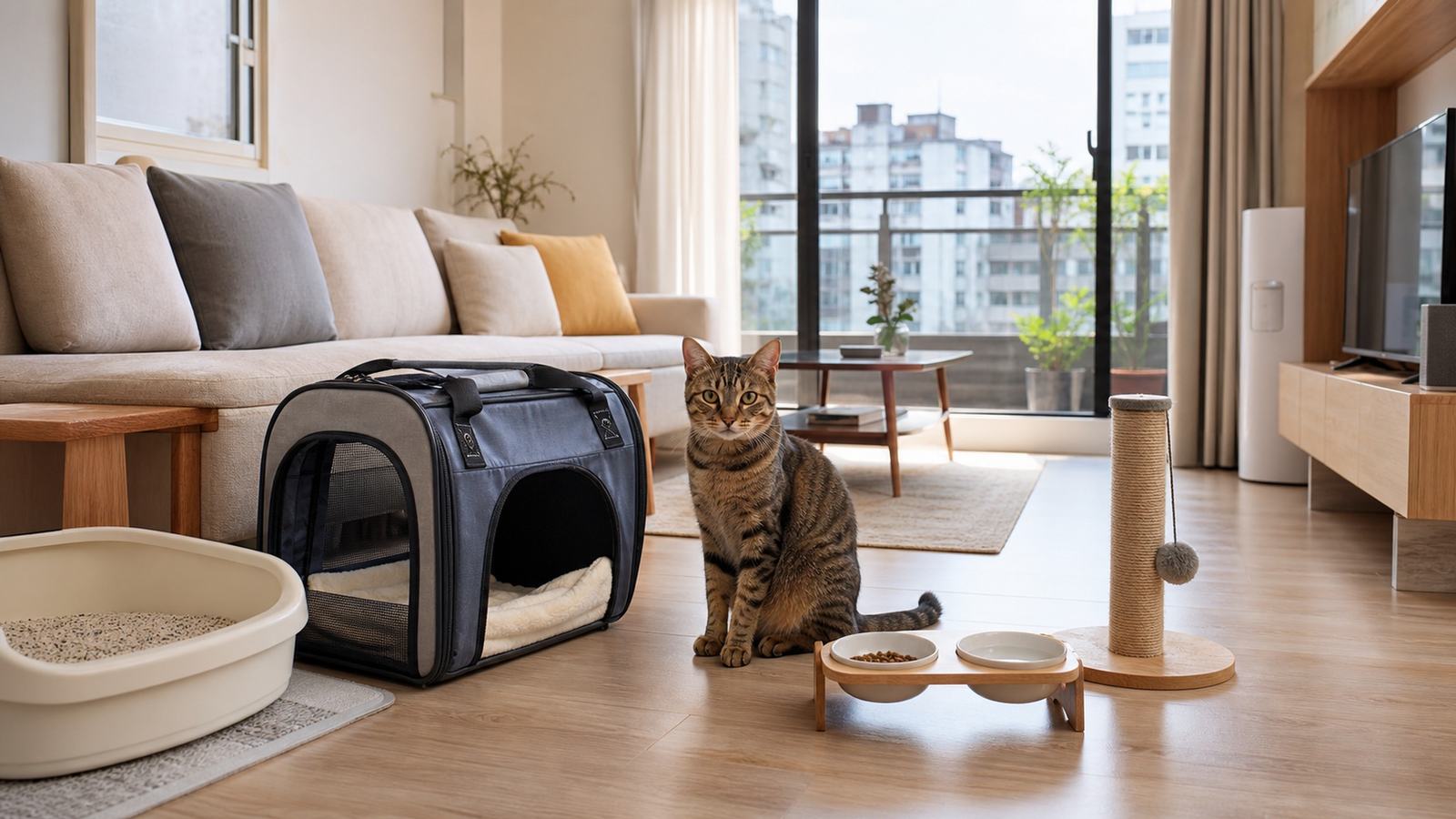
Basic supplies include a litter box, litter, food bowls, water bowls, main food, carrier, scratching post, sleeping bed, and interactive toys. Taiwan's summers are humid, and the rainy season is muggy, so consider odor control for the litter, ventilation, and cleaning frequency. If you're preparing supplies because you're adopting an adult cat, it's advisable to ask about the litter and food they were using previously and avoid changing everything at once in the initial period.
- Litter Box: Have at least one per cat plus one, placed in a quiet, easily accessible location.
- Scratching Post: Place it in a frequently used area; it's more likely to be used than if placed in a corner.
- Water: Consider a water fountain or multiple water bowls to encourage drinking.
- Safety: Check windows, balconies, electrical cords, and fragile items beforehand.
In What Situations Are Kittens Still a Good Choice? A Final Checklist Before Deciding
If you have stable time for companionship, can accept interrupted sleep, and are willing to invest effort in socialization and life skills training, a kitten can still be a good choice. Especially if someone is home during the day to supervise, or if you already have cat-raising experience, a kitten's high demands are less likely to become a source of stress. The issue isn't that kittens are bad, but their care needs are often higher than imagined.
If you have long work hours, limited living space, prefer controllable expenses, or want to know the cat's personality before deciding, adopting an adult cat is a direction worth considering. Before choosing, list your bottom lines: can you accept shedding, nighttime activity, vet bills, litter box cleaning, and the adjustment period? Clearly defining your expectations will prevent transferring stress onto the cat.
- Can you schedule dedicated playtime and cleaning time daily?
- Do you have a budget for basic medical care and emergency vet visits?
- Are your home's windows, balconies, and storage areas safe?
- Can you accept that the cat might hide, eat less, or be nervous during the adjustment period?
- Are you willing to adjust your interaction style based on the cat's personality?
FAQ
Are Adult Cats Really Recommended More for First-Time Cat Owners?
Not necessarily for everyone, but adult cats have clearer personalities and more stable routines, which greatly helps beginners assess compatibility. If you want to reduce uncertainty, adopting an adult cat is usually easier to evaluate than blindly choosing a kitten.
Are Adult Cats Less Affectionate?
Not necessarily. Many adult cats will still be cuddly, sleep with you, or approach you proactively once they feel secure in their environment and their boundaries are respected. Don't rush to pick them up; letting them approach you is usually more effective than forcing interaction.
How Long Does It Take for an Adult Cat to Adjust After Coming Home?
Some cats explore the whole house within a few days, while others may need over two weeks. The adjustment speed depends on their personality, past experiences, and stressors in the home. In the early stages, keeping their food, litter box, and routine consistent can help them feel more secure.
What Questions Should I Ask Before Adopting an Adult Cat?
It's recommended to ask about their spay/neuter status, vaccination and deworming records, eating habits, the type of litter they use, and whether they are afraid of people or other animals. If they have known illnesses or long-term care needs, confirm beforehand that you can handle them.
Is Raising a Kitten Always Cheaper?
Not necessarily. Kittens may incur initial costs for vaccinations, deworming, check-ups, spaying/neutering, and replacing supplies, and they require more care time. If you only consider the immediate cost of bringing them home, you might underestimate future expenses.
Preparing supplies before welcoming your cat will make the adjustment period much smoother. Whether you ultimately choose a kitten or adopt an adult cat, it's recommended to have a litter box, litter, main food, water supplies, scratching post, carrier, and cleaning supplies ready. CatGarden's cat supplies can be chosen based on Taiwanese home environments and daily care needs, helping you prepare the layout, cleaning, and sense of security from day one.
Further Reading
- Are Bengal Cats Suitable for Beginners? Consider Activity Level, Legal Sources, and Home Environment
- Do Cats Need to Be Walked? Ensuring Indoor Cats in Taiwan Are Safe and Happy at Home
- What If My Cat Doesn't Use the Scratching Post? Check Placement, Material, and Timing
Frequently Asked Questions
Are Adult Cats Really Recommended More for First-Time Cat Owners?
Not necessarily for everyone, but adult cats have clearer personalities and more stable routines, which greatly helps beginners assess compatibility. If you want to reduce uncertainty, adopting an adult cat is usually easier to evaluate than blindly choosing a kitten.
Are Adult Cats Less Affectionate?
Not necessarily. Many adult cats will still be cuddly, sleep with you, or approach you proactively once they feel secure in their environment and their boundaries are respected. Don't rush to pick them up; letting them approach you is usually more effective than forcing interaction.
How Long Does It Take for an Adult Cat to Adjust After Coming Home?
Some cats explore the whole house within a few days, while others may need over two weeks. The adjustment speed depends on their personality, past experiences, and stressors in the home. In the early stages, keeping their food, litter box, and routine consistent can help them feel more secure.
What Questions Should I Ask Before Adopting an Adult Cat?
It's recommended to ask about their spay/neuter status, vaccination and deworming records, eating habits, the type of litter they use, and whether they are afraid of people or other animals. If they have known illnesses or long-term care needs, confirm beforehand that you can handle them.
Is Raising a Kitten Always Cheaper?
Not necessarily. Kittens may incur initial costs for vaccinations, deworming, check-ups, spaying/neutering, and replacing supplies, and they require more care time. If you only consider the immediate cost of bringing them home, you might underestimate future expenses.
CatGarden offers curated supplies, cat boarding, and grooming
Book services or shop online.