What to Do If Your Home Isn't Suitable After Adopting a Cat? 5 Checks Before Rehoming
Don't rush to rehome: Determine if it's short-term stress or long-term unsuitability. New cat owners might suddenly feel they can't keep their cat, but it doesn't necessarily mean you're irresponsible. Many owners discover issues like shedding, litter box odor,
Key takeaways
- Before giving up on a new cat, differentiate between a short-term adjustment period and long-term inability to care: Hiding, reduced eating, hissing, or inappropriate urination after moving are often stress responses. Observe for at least 2 to 4 weeks before deciding.
- 5 checks before rehoming, in order: family consensus, allergies, budget (food, litter, parasite control, vaccinations, spaying/neutering, emergency medical, boarding), daily routine, and space/flow (litter box location, distance between food/water and litter, safe hiding spots).
- Inappropriate urination doesn't automatically mean rehoming is necessary. It could be related to urinary diseases, unsuitable litter, litter box placement, multi-cat conflict, or household stressors. Consult a vet first to rule out health issues, then adjust litter box quantity, location, and cleaning frequency.
- Safe rehoming requires preparing information on the cat's age, sex, spay/neuter status, vaccination records, health condition, personality, dietary habits, and litter preferences. Also, confirm the adopter's living environment, cat-owning experience, family consensus, and willingness to sign an adoption agreement.
- Never abandon, release, casually hand over to strangers, or leave cats in parks, night markets, campuses, or mountains. Most indoor cats lack stable foraging and danger avoidance skills and may face car accidents, diseases, attacks, or starvation outdoors.
Don't Rush to Rehome: Determine if it's Short-Term Stress or Long-Term Unsuitability
As a new cat owner, suddenly having the thought, "I don't want to keep my cat anymore," doesn't necessarily mean you're irresponsible. Many owners discover after their cat arrives home that shedding, litter box odor, nighttime activity, furniture scratching, and family objections are more challenging than anticipated. Especially in Taiwan's limited urban living spaces, coupled with humid summers, environmental management requires extra patience.
However, before deciding to rehome, first distinguish whether this is a short-term adaptation period or if your home conditions genuinely cannot accommodate the cat long-term. Cats often hide, eat less, hiss, or urinate inappropriately after moving to a new environment; these can be stress responses and don't necessarily mean they "don't suit your home." If it's just a chaotic first few weeks, adjustments to traffic flow, litter boxes, and interaction methods can often lead to improvement.
5 Checks Before Rehoming: Identify the Real Obstacles First
When you start searching for "I don't want to keep my cat anymore," don't just ask yourself if you should rehome. Instead, ask: where is the problem? Many difficulties aren't unsolvable but haven't been broken down and examined. The following 5 checks can help you determine if adjustments are needed or if it's truly unsuitable to continue keeping the cat.
First, check family consensus. Is anyone in the household strongly opposed, afraid of cats, unable to tolerate litter box odor or nighttime noise? If the caregiving responsibility falls solely on one person, stress can easily accumulate. It's recommended to clarify responsibilities for feeding, cleaning the litter box, vet visits, and purchasing supplies upfront, rather than relying on fleeting enthusiasm.
Second, check for allergies. Taiwan's humid environment can exacerbate allergies by combining dust mites, mold, and cat dander. It's advisable to see a doctor first to confirm if the allergy is to cat hair, dander, or environmental allergens. Third, check the budget, including food, litter, parasite prevention, vaccinations, spaying/neutering, emergency medical care, and boarding. If basic monthly expenses are already causing stress, honestly assess if you can afford it long-term.
Fourth, check your schedule. Cats are not entirely self-sufficient pets; they require regular feeding, litter box cleaning, monitoring of their excretions, and interaction. Fifth, check the space and traffic flow, such as whether the litter box location is too noisy, if the food bowls are too close to the toilet, and if there are safe hiding spots. If these can be adjusted, don't rush to consider "I don't want to keep my cat anymore" as the only answer.
If It's Just an Adaptation Period: Reduce Stress for Cat and Human First
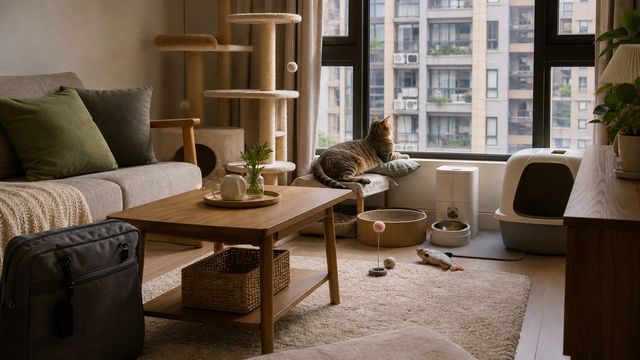
When a cat first arrives in a new home, what it needs most is a sense of security, not constant holding, watching, or teasing. You can prepare a quiet room with water, food, a litter box, a sleeping mat, and a cardboard box, allowing the cat to decide when it wants to come out and explore. For new owners, seeing the cat hide can be anxiety-inducing, but excessive disturbance can prolong the adaptation period.
The litter box is often a point of breakdown. It's recommended to provide at least a sufficiently large litter box in a well-ventilated, quiet, and easily accessible location, and clean it daily. If inappropriate urination occurs, don't scold the cat first; check for urinary issues, unsuitable litter, an insecure location, or too many stressors in the home.
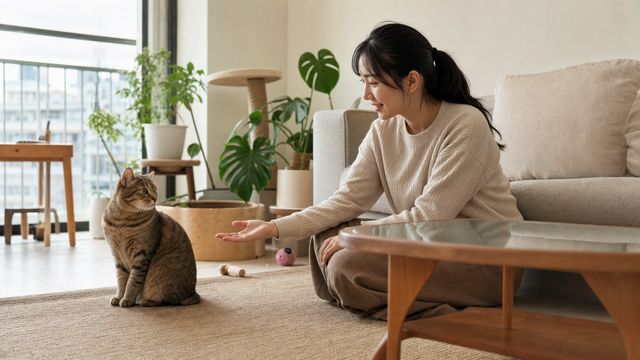
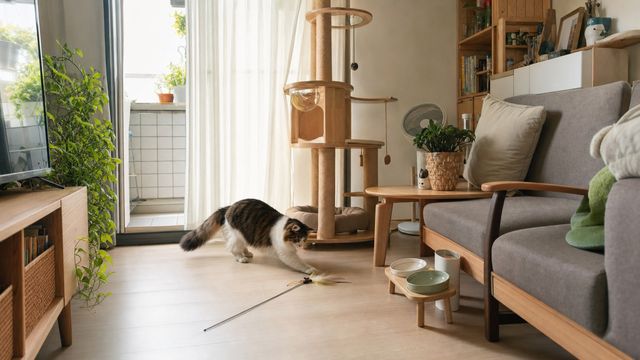
Interaction methods also need adjustment. Playing with a wand toy in short sessions daily can build trust more easily than suddenly picking them up for affection. If the cat hisses or attacks, create distance, don't tease them with your hands, and don't chase them. Much of the "I don't want to keep my cat anymore" emotion actually stems from both humans and cats not yet learning each other's boundaries.
If You Truly Cannot Keep Them: Safe Rehoming Procedures and What Not to Do
If a family member has severe allergies, rental conditions are prohibitive, long-term financial pressure is unsustainable, or the caregiver's physical and mental health is unstable, rehoming can be a responsible choice. The key is not to endure it, but to ensure a safe transition for the cat to its next family. Before making a decision, it's also recommended to consult a veterinarian, a reliable foster, or an experienced cat owner to avoid making a regrettable choice due to short-term anxiety.
Safe rehoming requires preparing clear information, including the cat's age, sex, spay/neuter status, vaccination records, health condition, personality, dietary habits, and litter preferences. When screening potential adopters, confirm their living environment, cat-owning experience, family consensus, and willingness to sign an adoption agreement. Don't overlook potential risks just because someone is willing to take the cat quickly.
Absolutely forbidden actions include abandonment, releasing the cat outdoors, casually handing them over to strangers, or leaving the cat in parks, night markets, campuses, or mountainous areas. Most indoor cats lack stable foraging and survival skills outdoors and may face car accidents, diseases, attacks, or starvation. When you feel "I don't want to keep my cat anymore," it's crucial to fulfill this final responsibility; it's the most basic protection for the cat.
How to Care for Your Cat During the Transition Period: Supplies, Temporary Housing, and Emotional Stability
Until a suitable adopter is found, transitional care is very important. Maintain regular feeding, regular litter box cleaning, and a consistent schedule. Don't frequently change food, litter, or living areas just because you're preparing to rehome. Cats are sensitive to change; the more stable the environment, the more likely they are to maintain normal eating, drinking, and elimination habits.
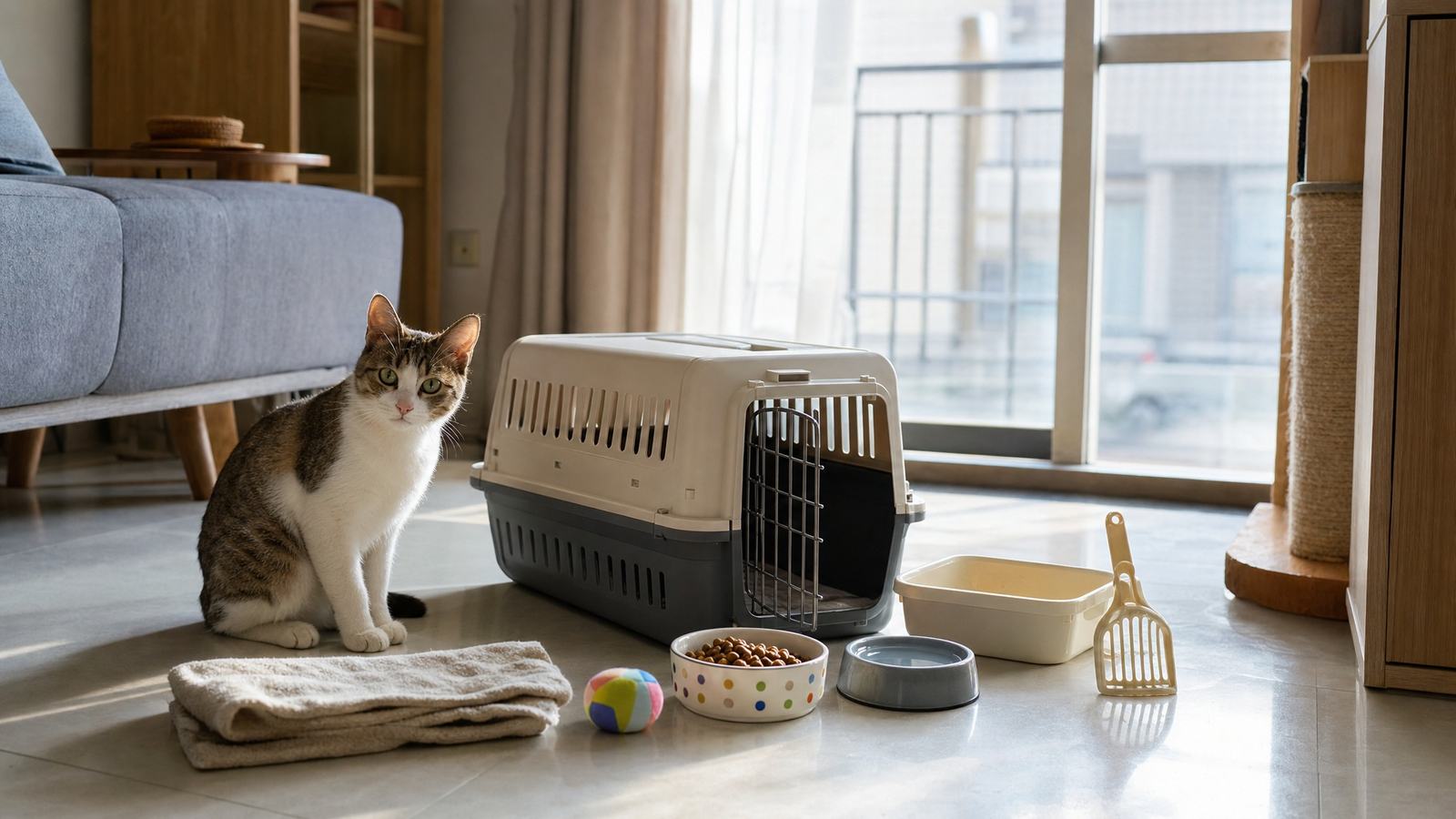
Regarding supplies, at least keep their familiar sleeping mat, blanket, toys, or scratching posts. These familiar scents can help stabilize their emotions. If you plan to transfer them to a new family, it's also recommended to bring these along so the cat doesn't completely lose its sense of familiarity. If your home genuinely cannot accommodate them temporarily, consider trusted friends or relatives, licensed foster homes, or professional cat hotels as temporary options.
When choosing temporary housing, ensure there is a private space, good ventilation and cleanliness, daily observation, cooperation for emergency veterinary care, and the ability to feed according to their original habits. Taiwan's summer humidity makes litter box cleaning, dehumidification, and air conditioning management important. Even if you've decided to rehome, please ensure they are cared for stably during the waiting period, rather than enduring new chaos daily.
CTA: Break Down the Caregiving Stress First, Then Decide Your Next Step
If you're thinking, "I don't want to keep my cat anymore," don't rush to blame yourself or make irreversible decisions. CatGarden offers temporary boarding, daily cat supplies, and care advice, suitable for owners who need a short break, are returning home for the holidays, are undergoing home renovations, or want to organize their cat's living environment first. You can start with litter boxes, scratching posts, carriers, stress-relief products, and temporary housing arrangements to give both you and your cat some buffer time before calmly assessing if rehoming is truly necessary.
FAQ
Q1: I feel regretful after only a week of owning a cat. Is this normal?
Yes, it's normal. Many new owners go through a stressful period. Cats may hide, be unsociable, or be active at night when they first arrive, and owners also need time to adapt to a new cleaning and care routine. It's recommended to observe for at least 2 to 4 weeks and try adjusting the environment and interaction methods first.
Q2: Does searching for "I don't want to keep my cat anymore" mean I'm not suitable for cat ownership?
Not necessarily. It might just mean you're experiencing stress and need more concrete solutions. First, identify if the problem lies with family, allergies, budget, schedule, or space. If one or two of these can be improved, you don't need to proceed immediately to rehoming.
Q3: If my cat urinates inappropriately, does that mean I have to rehome them?
No. Inappropriate urination can be related to urinary diseases, stress, litter box location, litter type, or multi-cat conflict. It's recommended to see a veterinarian first to rule out health issues, then adjust the number of litter boxes, their location, and cleaning frequency.
Q4: If I truly cannot continue keeping my cat, how can I rehome them safely?
Please prepare complete health and personality information, screen potential adopters, confirm their family consensus and living environment, and consider signing an adoption agreement. Do not abandon, release, or casually hand them over to strangers. The key to safe rehoming is ensuring the cat goes to a stable, responsible next family.
Further Reading
- What to Do If Your Cat Lacks a Sense of Security? Check Routine, Scents, and Hiding Routes First
- Feeling Nervous About Taking Your Cat to the Vet? Prepare Carriers, Scents, and Post-Visit Comfort First
- What to Do If Your Cat Keeps Scratching the Door and Wants to Go Out? First, Distinguish Curiosity, Heat, or Stress
CatGarden offers curated supplies, cat boarding, and grooming
Book services or shop online.