What to Do When Your Cat Gets Anxious About Vet Visits? Prepare Carriers, Scents, and Comforting Strategies for Home
Why do cats get particularly anxious about vet visits? Understand the sources of stress first. Cats are highly sensitive to environmental changes. Normally, they are in a familiar home environment where scents, sounds, and routines are within their predictable range. Once they are put into a carrier, travel, or enter a veterinary clinic...
Key takeaways
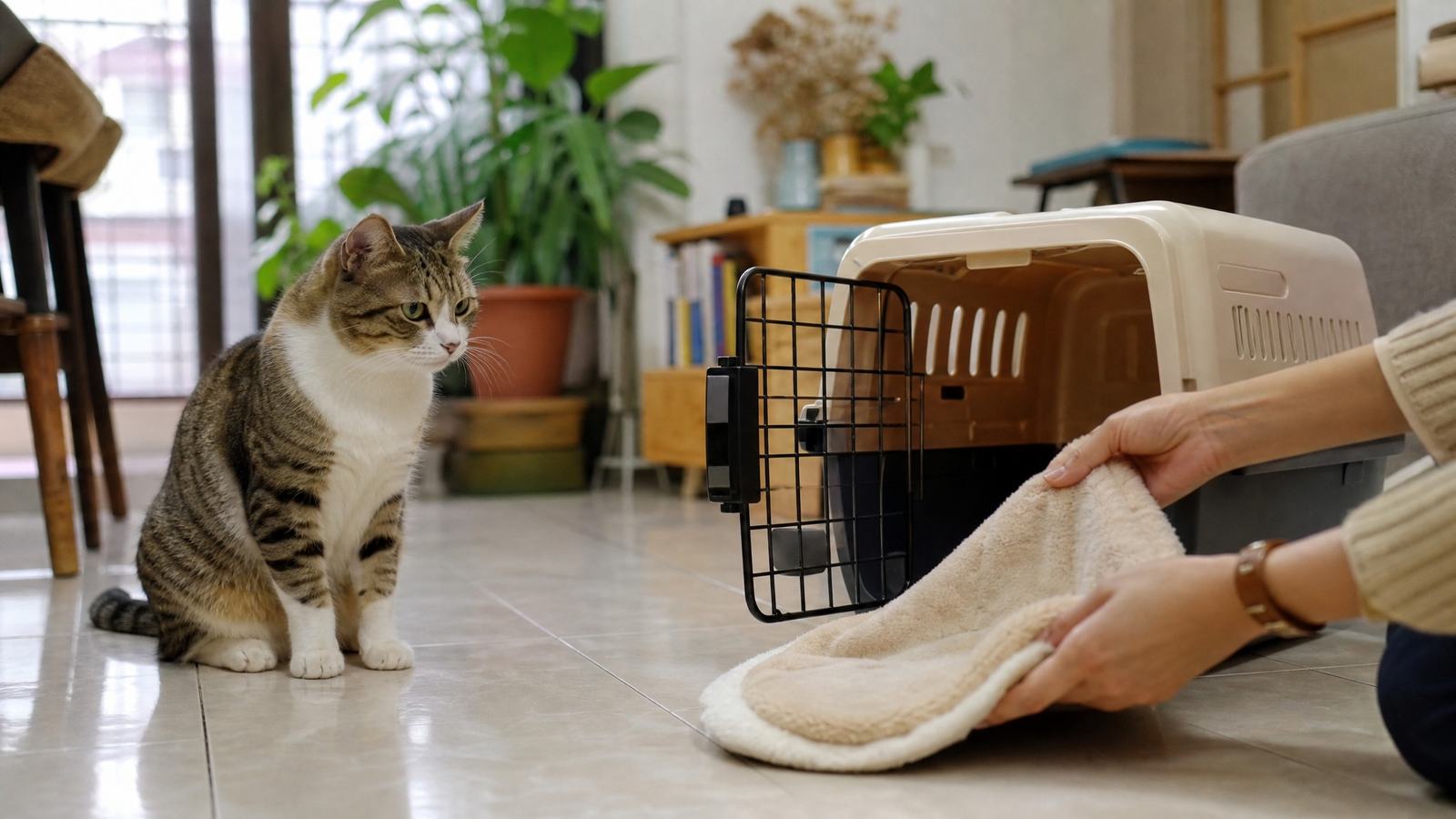
- The carrier should not be brought out only on the day of the vet visit. Place it in the living room or a corner of the room with the door open and a blanket the cat often sleeps on. Occasionally put treats or toys inside to help the cat see the carrier as a safe hiding place.
- When waiting at the veterinary clinic, place the carrier on a chair or your lap, not on the floor. Partially cover the carrier with a thin towel, leaving ventilation, to reduce stimuli from footsteps, approaching dogs, and visual contact.
- Hiding, not eating, excessive grooming, or hissing after returning home can be normal stress responses in the short term. Allow the cat to stay in a quiet room with water, a litter box, and a familiar sleeping mat. Do not rush to pick them up or constantly check their hiding spot.
- If you have other cats at home, do not let them interact immediately after the cat returns. The hospital scent may cause companions to perceive the returning cat as a stranger, leading to chasing or hissing.
- If the cat completely stops eating or drinking for over 24 hours, experiences persistent vomiting, rapid breathing, unsteady walking, a significant decline in energy, or shows wound bleeding, severe pain, inability to urinate, or repeatedly tries to urinate without success, comfort alone is not enough; contact your veterinarian as soon as possible. Delay is especially inadvisable for kittens, elderly cats, and cats with chronic illnesses.
Why Do Cats Get Particularly Anxious About Vet Visits? Understand the Sources of Stress First
Cats are highly sensitive to environmental changes. Normally, they are in a familiar home environment where scents, sounds, and routines are within their predictable range. Once they are put into a carrier, travel, or enter a veterinary clinic, they face unfamiliar scents, human voices, the sounds of other cats and dogs, and physical examination simultaneously, causing their stress levels to rise rapidly. To effectively reduce stress during vet visits, the first step isn't to force your cat to be brave, but to lessen their feeling of "loss of control."
Some cats are very affectionate at home but become withdrawn, hiss, or scratch at the clinic. This doesn't mean they've suddenly become ill-tempered; it's a fear response. Indoor cats, common in Taiwan's urban apartments, often have limited outdoor experience and are more sensitive to sounds like elevators, scooters, and traffic. If owners can break down the vet visit into stages—"before leaving, during travel, waiting, and after returning home"—cats will typically experience much less stress.
How to Prepare Before Leaving: Carriers, Familiar Scents, and Actions to Avoid
Don't just bring out the carrier on the day of the vet visit. Otherwise, your cat will quickly associate the carrier with injections and examinations. You can place the carrier in a corner of the living room or bedroom with the door open, lining it with their usual blanket. Occasionally, you can put treats or toys inside to help them view the carrier as a safe hiding spot. This is a practical foundation for reducing stress during vet visits, as less chasing before leaving means a calmer cat later.
Before leaving, prepare a towel with familiar scents and place it at the bottom of the carrier. This way, your cat can still smell home in an unfamiliar environment. If you have multiple cats, they might reject one who has been to the vet upon their return due to the clinic's scent. You can also prepare an extra cloth with a shared household scent. Taiwan's summers are humid and hot, so ensure the carrier is well-ventilated, but avoid direct drafts from air conditioners or fans.
Actions to Avoid Before Leaving
- Don't chase your cat right before leaving; this will put them in a high-stress state before the appointment.
- Don't hold your cat directly while traveling by car or motorcycle; they can easily escape if startled.
- Do not administer sedatives, supplements, or human medications without consulting your veterinarian.
- Don't stuff the carrier full of items; your cat needs space to turn around, lie down, and stand stably.
How to Minimize Stimulation During Waiting and Examination: Control Sound, Sight, and Touch
Upon arrival at the veterinary clinic, try to place the carrier on a chair or your lap, not directly on the floor. Footsteps on the floor, dogs sniffing the carrier, or the sounds of other cats will make your cat more anxious. You can partially cover the carrier with a thin towel, ensuring ventilation, while also reducing visual stimuli. This is very helpful for reducing stress during vet visits.
During the waiting period, avoid constantly opening the carrier door to comfort them, and don't let strangers interact with or reach into the carrier to pet them. Many owners, out of concern, will continuously call their cat's name or pet their head. However, for a frightened cat, excessive contact can be more stressful. A better approach is to maintain a low, slow tone of voice and slow movements, letting them stay in the carrier, and cooperating with the medical staff when necessary.
How to Cooperate During the Examination
During the examination, you can briefly inform the veterinarian about your cat's personality, such as if they tend to hiss, have escaped before, are afraid of dogs, or need to be observed in the carrier first. If the clinic has a cat-friendly waiting area or operates by appointment, it's advisable to inquire beforehand to minimize waiting time. For easily anxious cats, a faster, quieter examination process with less repeated handling usually reduces defensive reactions.
If your cat requires blood draws, X-rays, or longer examinations, you can ask if they can be wrapped in a towel, if the environmental noise can be reduced, or if the procedures can be done in stages. These actions are not spoiling them but rather ensuring smoother examinations and protecting the safety of both the medical staff and the cat. Consistent cooperation is often more effective than constant verbal reassurance.
Is It Normal for My Cat to Hide or Hiss After Returning Home? Key Points for Comfort and Observation
Many cats will hide, refuse to eat, groom excessively, hiss, or maintain distance from housemates or owners after returning home. These can all be temporary stress reactions. At this point, don't rush to pull them out, nor should you constantly lift their hiding spot to check on them. Letting the cat return to a quiet room with water, a litter box, and their familiar bedding is usually more suitable than intensive attention.
The focus of reducing stress after vet visits at home is "restoring a predictable environment." You can confine them to a separate room for a few hours. Once they are willing to come out on their own, gradually reintroduce interaction. If you have other cats at home, don't put them together immediately, as the clinic scent might cause companions to mistake them for a stranger, leading to chasing or hissing.
Points to Note During Comforting: Appetite, Elimination, and Spirit
If your cat is merely hiding but still drinking water, using the litter box, and willing to eat a little after a few hours, it's usually best to observe them first. You can offer their usual wet food or small treats, but don't force-feed them. When the cat willingly approaches you, respond with soft words and brief petting.
If your cat has just undergone surgery, anesthesia, blood draws, or injections, follow your veterinarian's instructions for post-home observation. Don't self-medicate or stop medication just because they seem scared, and don't arbitrarily remove cones or bandages. True stress reduction for vet visits involves comforting their emotions while also respecting the safety boundaries of medical care.
Which Situations Cannot Be Addressed Solely by Comforting? Warning Signs to Contact Your Vet Again
Some reactions cannot simply be attributed to "vet visit anxiety." If your cat completely stops eating or drinking for over 24 hours, experiences persistent vomiting, rapid breathing, unsteady gait, or a significant decline in energy, contact your veterinarian immediately. For kittens, elderly cats, or those with chronic illnesses, the waiting time should be even shorter, as they have lower tolerance for dehydration and loss of appetite.
Furthermore, if your cat shows signs of wound bleeding, severe pain, inability to urinate, or repeatedly enters and exits the litter box without urinating after returning home, comforting alone is not sufficient. Especially for male cats, urinary abnormalities require special attention, and delays can be risky. Owners can take photos of the symptoms, record the time and medication status, and then call the original veterinary clinic to have the doctor assess whether a follow-up visit is necessary.
Information to Prepare Before and After the Vet Visit
- Onset time, frequency, and severity of symptoms.
- Recent appetite, water intake, urination, and defecation status.
- Current diet, supplements, and medications.
- Photos of vomit, urine, feces, or wounds, if available, for the veterinarian's reference.
Having this information ready not only helps the veterinarian make a quicker diagnosis but also reduces the waiting time caused by repeated questioning. For owners, organizing the situation systematically is more helpful than simply being anxious. Before the next vet visit, you can also note down the most frightening aspects for your cat during this visit, using it as a basis for adjusting your stress reduction strategy for vet visits next time.
FAQ
Can I give my cat treats before a vet visit?
For general check-ups, a small amount of treats can help build positive associations with the carrier. However, this depends on the specific examination. If blood draws, anesthesia, imaging, or surgery are involved, follow the clinic's instructions regarding fasting. It's safer to ask clearly when booking rather than guessing on the day.
Should I use a hard-shell or soft carrier?
In most situations, a sturdy, well-ventilated hard-shell carrier with a top-opening or removable top is recommended. This facilitates veterinary examination and makes it harder for the cat to escape. Soft carriers are suitable for calmer cats, smaller breeds, and those who don't scratch or bite zippers. Regardless of the type, ensure the door latch is secure and the bottom is not collapsible.
My cat is ignoring me at home, is it angry?
It's usually not anger, but rather the cat processing stress and unfamiliar scents. Give them quiet space and avoid forcing cuddles or interaction. Once they come out voluntarily, start eating, or groom themselves, slowly resume your usual interaction rhythm.
Every vet visit is a disaster. Can I ask the vet for sedatives?
You can discuss this with your veterinarian, but do not purchase or use human medications yourself. The veterinarian will assess suitability based on your cat's age, weight, medical history, and the requirements of the current examination. Medication is only an aid; carrier training, scent preparation, and controlling waiting room stimuli remain important.
Conclusion: Turning Vet Visits into a Prepared Process
It may not be possible to completely eliminate anxiety during vet visits, but by practicing with carriers, familiarizing them with scents, providing visual barriers during waiting, and setting up a comfortable environment at home, stress can be managed to a more controllable level. To effectively reduce stress during vet visits, you can prepare a sturdy carrier, absorbent pads, comforting towels, travel cleaning supplies, and easily palatable wet food for home. If you are organizing supplies for your cat's outings and daily care, you can also visit the cat supplies section at CatGarden to select practical items suitable for the Taiwanese home environment, making the next vet visit more manageable.
Further Reading
- What to Do When Your Cat Constantly Scratches the Door Wanting to Go Out? Differentiate Curiosity, Estrus, or Stress
- New Cat Owner's Guide: Clingy vs. Independent Cat Personalities? Consider Their Schedule, Interaction Needs, and Sense of Security
- What to Do When Your Cat Gets Anxious During Thunderstorms or Rain? Prepare Hiding Spaces, Sound Desensitization, and Comforting Supplies
CatGarden offers curated supplies, cat boarding, and grooming
Book services or shop online.