New Cat Owner's Guide: Choosing Between a Cuddly or Independent Cat? Consider Their Routine, Interaction Needs, and Sense of Security First
New cat owners are often drawn to a cat's breed or appearance, but its personality, routine, and interaction needs are far more crucial for a harmonious relationship. Understanding your lifestyle and the cat's temperament is key to a successful adoption.
Key takeaways
- The key to a good relationship with your cat as a new owner isn't breed or color, but the cat's personality, routine, interaction needs, and sense of security; cats of the same breed can vary in being cuddly, shy, playful, or independent.
- You can distinguish between cuddly and independent cats by observing 5 daily signals: how they approach you, their reaction to petting, vocalization needs, separation anxiety, and play style. Don't base your conclusion on a single interaction.
- Before choosing a cat, consider answering these 6 questions: How much focused time can you dedicate daily? Can you accept a cat that doesn't like being held? Do you have a quiet, isolated space at home? Can you afford the long-term expenses? Is your daily routine stable? Can family members or roommates cooperate?
- Cuddly cats lacking stimulation all day might release stress through meowing, biting hands, or zoomies at night; independent cats are not equivalent to being ignored, they still need feeding, litter box cleaning, playtime, and emotional connection.
- When a cat first arrives at a new home, prepare a quiet room with a litter box, food, water, a sleeping area, and a hiding spot. For the first few days, let the cat decide when to come out and explore; don't rush to pull it out from its hiding place.
Why New Cat Owners Shouldn't Just Look at Breed and Color
Many people preparing to welcome a new cat are naturally drawn to breed, color, or photos at first glance. However, what truly impacts the quality of your future relationship often isn't how cute they are, but their personality, routine, interaction needs, and sense of security. Cats aren't standardized products; even within the same breed, there can be significant differences in being cuddly, shy, playful, or independent.
If you decide based solely on "I want a long-haired cat," "I like orange cats," or "I want a very affectionate cat," you might overlook whether your lifestyle can accommodate them. The most important questions for new cat owners are: How much time do I have to spend with them each day? Is my home environment quiet? Can I accept that they might need time to adapt? These questions are more relevant to real life than breed rankings.
A Cat's Personality Can Change with Its Environment
Some cats are very affectionate in their original environment but hide for days after moving to a new home. Others might be shy initially but become clingy followers once they settle in. Especially in many urban homes in Taiwan, sounds, traffic patterns, and storage methods can all affect a cat's sense of security. When choosing a cat, consider its current state and allow for an adaptation period.
Therefore, "cuddly" or "independent" shouldn't be viewed as absolute pros or cons for new cat owners. The key is whether you can provide the rhythm they need and accept them approaching you at their own pace. When expectations are more realistic, both the cat and the owner will be more relaxed.
What's the Difference Between a Cuddly Cat and an Independent Cat? Observe 5 Daily Signals First
Cuddly cats usually approach people proactively, enjoy staying in the same room, might follow you around, solicit pets, or use vocalizations to get your attention. They don't necessarily need to be held every second, but they clearly care about your presence. For new cat owners, cuddly cats offer strong interaction and a greater sense of being "needed."
Independent cats tend to value their own space more. They might be willing to stay near you but may not enjoy being held or frequently disturbed. They find their own places to sleep, play with toys independently, and are more accepting of companionship during fixed times. This doesn't mean they don't love you; it's just that their way of expressing trust is more subtle.
5 Daily Signals to Observe
- Approach Style: Do they proactively rub against you and knead, or do they observe from a safe distance?
- Reaction to Petting: Do they enjoy being petted and quickly roll over, or do they want to leave after a few strokes?
- Vocalization Needs: Do they frequently use meows to communicate, or are they mostly quiet?
- Separation Response: Do they become anxious and follow you to the door when you leave, or can they rest on their own?
- Play Style: Do they prefer high-frequency interaction, or do they play for short periods before resting?
When observing these signals, don't jump to conclusions based on a single interaction. Cats may be nervous in unfamiliar environments; cuddly cats might temporarily retreat, and independent cats might be affectionate in front of familiar people. A better approach is to ask the caregiver about their usual routine, appetite, litter box habits, and interaction preferences.
Which Interaction Style Suits Office Workers, Small Homes, and Multi-Cat Households?
If you're an office worker who is away from home for long hours during the day, you can still adopt a cuddly cat, but you'll need to prioritize the quality of companionship after work. If a cuddly cat lacks stimulation all day, it might release stress through vocalizations, biting hands, or sudden bursts of energy at night. In this case, fixed playtime, window perches, and durable cat toys will be very important.
If your schedule often involves overtime, business trips, or irregular hours, a cat with a stable personality that can entertain itself might be more suitable. The biggest pitfall for new cat owners is imagining only sweet interactions while overlooking their own lack of consistent companionship time. An independent cat doesn't mean it can be ignored; it still needs feeding, litter box cleaning, playtime, and emotional connection.
Small Homes Need Emphasis on Vertical Space and Quiet Corners
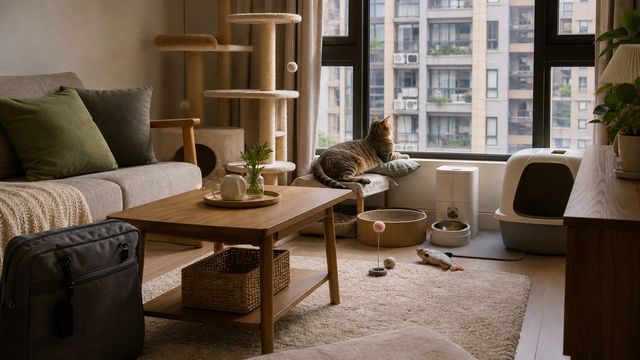
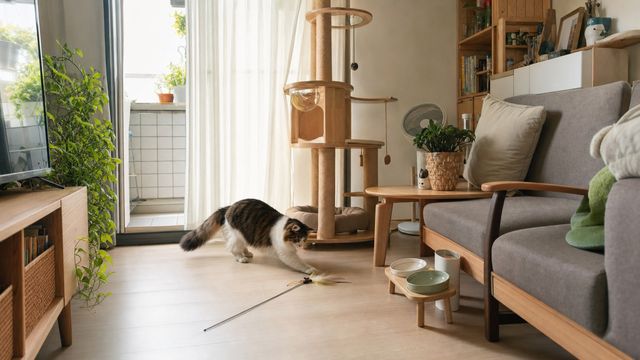
Apartment-style living is common in Taiwanese cities, and in smaller spaces, traffic flow planning is even more crucial. Cuddly cats might enjoy sharing your sofa, bedside, or desk area; independent cats need corners where they can hide, observe, and be undisturbed. Cat trees, shelves, tunnels, and enclosed sleeping nooks can all enhance a sense of security in a small home.
Multi-cat households require consideration of each cat's social boundaries. Not every cat needs feline companions, nor is a cuddly cat necessarily suited to living with other cats. If you already have cats, the new cat's personality, activity level, and resource distribution must be assessed together. It's best to place litter boxes, food bowls, water bowls, and resting spots separately.
6 Questions to Ask Yourself Before Choosing a Cat
Choosing a cat isn't just about asking "Does it like me?" but also "Is my lifestyle suitable for it?" New cat owners who honestly assess themselves beforehand can reduce future adjustment stress. You don't need to be a perfect owner, but you should know what you can consistently provide.
The following 6 questions are very practical and suitable for writing down answers before meeting a cat, adopting, or communicating with a foster parent. There are no absolute right or wrong answers; the key is not to substitute imagination for reality. The clearer you are about your conditions, the easier it will be to find a cat whose interaction rhythm matches yours.
- How much focused time can I dedicate to my cat daily? Is it 15 minutes, 30 minutes, or can it be broken into shorter sessions?
- Can I accept a cat that doesn't like being held? Many cats are affectionate but dislike being picked up; this is normal.
- Do I have a quiet isolation space at home? New cats need a safe room to adapt slowly.
- Can I afford the long-term expenses? Factor in food, litter, supplies, vet check-ups, and unexpected medical costs.
- Is my routine stable? Consistent feeding, litter scooping, and playtime help cats feel more secure.
- Can my family or roommates cooperate? Cats need consistent rules; it's not suitable for everyone to do their own thing.
If you strongly desire emotional feedback, look for a cat that is willing to approach you proactively and engage in interaction. If you prefer a quiet lifestyle, a stable, independent cat might be a better fit. The key for new cat owners isn't choosing the "best" cat, but the combination that makes "both parties comfortable." This leads to a long-lasting relationship.
After Bringing Your Cat Home, How to Build Their Sense of Security with Environment and Supplies
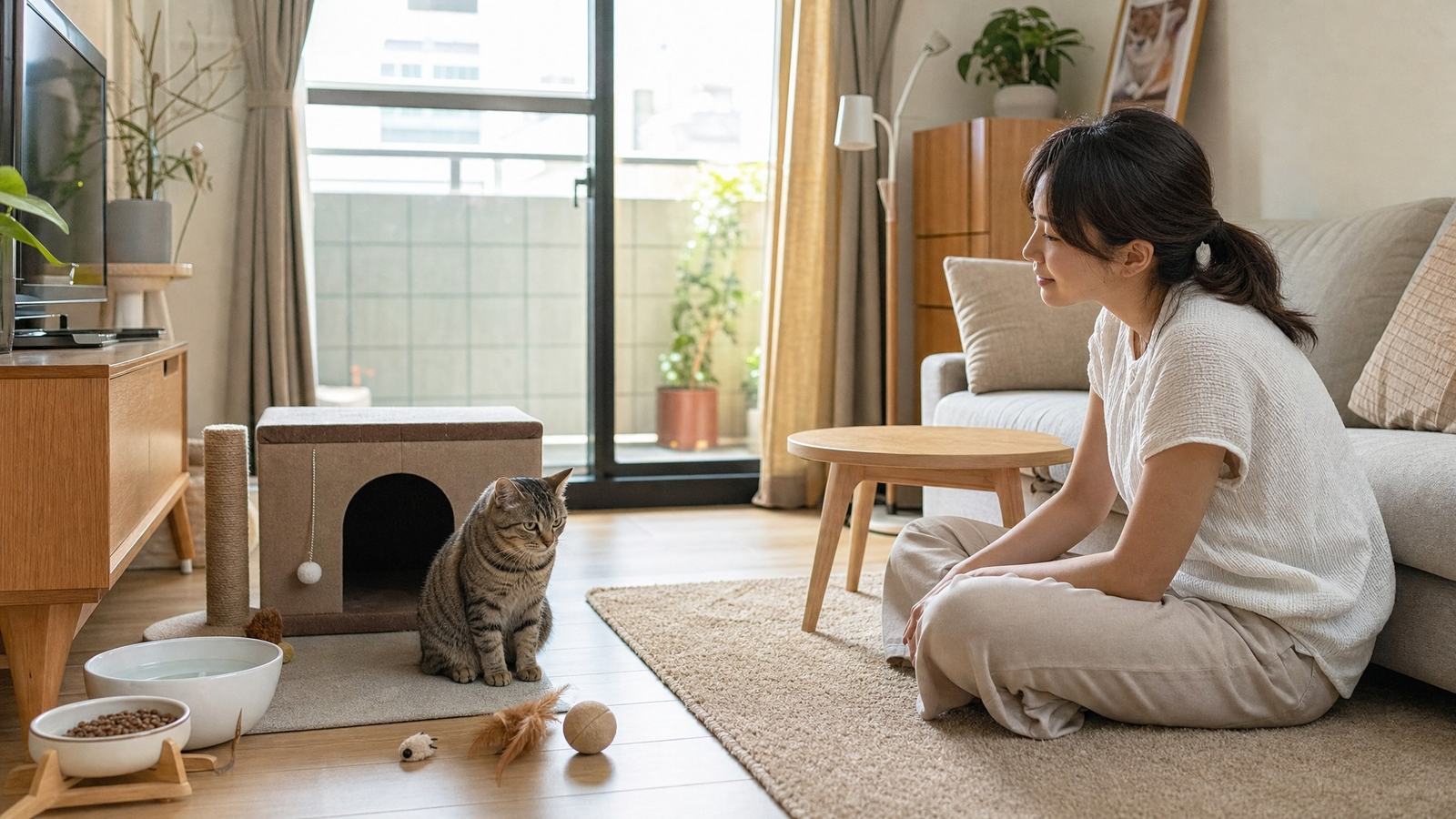
When a cat first arrives at a new home, the most important thing isn't to immediately hold them, take photos, or introduce them to the whole house. It's to let them know the place is safe. It's recommended to prepare a quiet room with a litter box, food, water, a sleeping area, and hiding spots. Let them decide whether to come out and explore on their own for the first few days; don't rush to pull them out of their hiding place.
Environmental setup directly impacts a cat's sense of security. The litter box should be in an easily accessible but quiet location. Food and water bowls should not be placed right next to the litter box, and the sleeping area should be away from doorways and high-traffic paths. Taiwan's summers are humid and hot, so pay attention to ventilation, dehumidification, and water intake to prevent moldy supplies or clumpy, unhygienic litter.
More Supplies Aren't Always Better; They Should Meet Needs
Cuddly cats might need interactive toys like feather wands, scratching posts, and resting mats that allow them to be near you. Independent cats might prefer tunnels, cat beds, high perches, and puzzle toys they can play with on their own. New cat owners can start with basic supplies and gradually adjust based on the cat's reactions, rather than buying everything at once.
Security also comes from a stable routine. Fixed feeding times, regular litter box cleaning, and short daily play sessions are more beneficial than occasional long, enthusiastic interactions. When cats know they can hide, approach, or refuse, they are more likely to build trust.
FAQ
Are cuddly or independent cats better for new cat owners?
There's no absolute answer; it depends on your routine and expectations. If you have consistent time for interaction daily, a cuddly cat will provide a strong sense of companionship. If you work long hours and prefer a quiet life, an independent but affectionate cat might be more suitable.
Do independent cats love their owners less?
No. Many independent cats simply value personal space more. They might express trust by staying in the same room, slow blinking, or sleeping near you. Don't judge their love solely by whether they let you hold them or how clingy they are.
Are cuddly cats suitable for office workers?
Yes, but you need to arrange sufficient environmental stimulation and regular playtime. Short interaction sessions before and after work, along with scratching posts, window perches, toys, and comfortable resting areas, can reduce their boredom or anxiety.
What should I do on the first day of bringing a cat home?
First, let the cat stay in a quiet, safe room with food, water, a litter box, and hiding spots. Don't rush to hold them or let many people crowd around. Let them get used to the scents, sounds, and layout at their own pace.
What essential supplies should new cat owners buy first?
Prioritize a litter box, litter, food bowls, water bowls, a carrier, a scratching post, a sleeping bed, and a feather wand. Other supplies can be purchased after observing the cat's personality, which helps avoid buying unsuitable items.
Preparing to welcome a new cat isn't just about picking one; it's about laying the foundation for your future daily life. Once you've clarified your routine, interaction needs, and home environment, you can more accurately prepare supplies like litter boxes, scratching posts, beds, toys, and carriers. CatGarden offers a variety of daily care products, suitable for Taiwanese owners to gradually configure based on small home spaces, humid seasons, and cat personalities, providing your cat with more peace of mind from day one and reducing your own stress.
Further Reading
- What to Do If Your New Cat Bites and Scratches Constantly? Distinguish Between Over-Play, Fear, or Incorrect Interaction Methods
- How to Arrange the First Week for a New Cat Owner? Prepare Supplies, Routine, and Hiding Spaces Correctly
- Think Clearly Before Getting a New Cat: Are Your Time, Budget, and Home Layout Sufficient?
CatGarden offers curated supplies, cat boarding, and grooming
Book services or shop online.