Why Is My Cat Scratching at the Door to Get Out? Understanding Curiosity, Mating Calls, or Stress
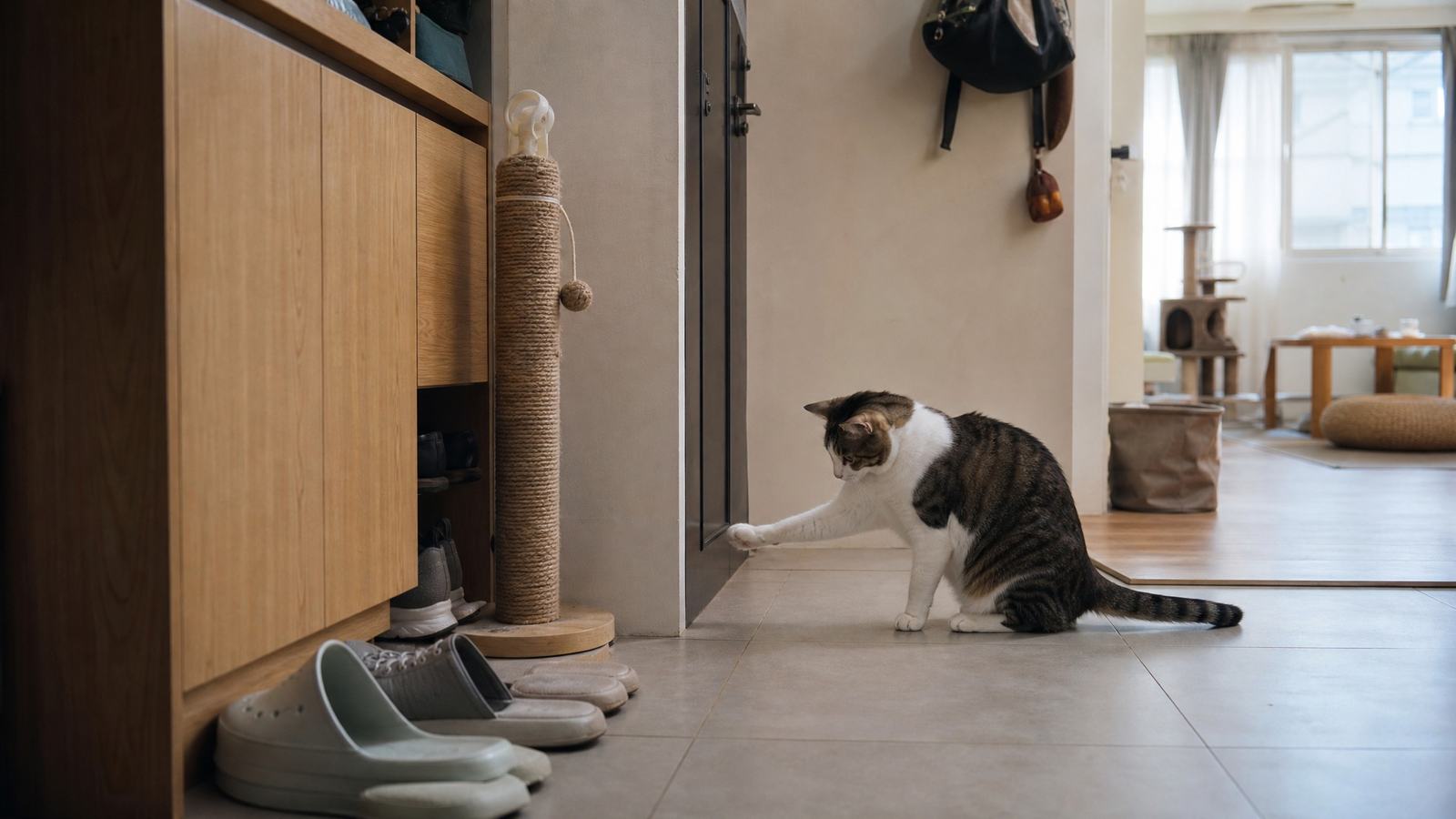
If your cat is constantly scratching at the door, the first step isn't to stop them immediately, but to observe which door they're scratching. Is it the main door, a bedroom door, the balcony door, the bathroom door, or a door near the litter box? Different locations indicate different needs and require different solutions.
Key takeaways
- The location where a cat scratches the door can indicate different needs: consistently scratching the main door is often related to curiosity about sounds, smells, or people coming and going from outside; scratching room doors usually means they want to be close to their owner or are protesting being separated; scratching balcony doors or windows requires special attention to prevent escape and falling risks.
- Scolding, banging on the door, picking the cat up, or using deterrents like spraying water or throwing objects can be interpreted by the cat as 'scratching the door gets attention,' reinforcing the behavior. This also increases anxiety and damages trust. The focus should be on reducing the motivation, not suppressing the surface behavior.
- Engaging in 10 to 15 minutes of interactive play with a wand toy before bed, allowing the cat to chase and pounce before receiving a small portion of food, mimics the hunting-then-eating cycle and can reduce nighttime activity. If door scratching frequently occurs in the early morning, it usually means daytime and pre-sleep energy expenditure was insufficient.
- Scratch guards and door protectors only reduce damage to the door surface and do not address the underlying cause. They must be combined with vertical scratching posts (which can be placed near the door), adjustments to traffic flow at the entrance, and interactive play. Otherwise, the cat may start scratching corners, sofas, or other doors.
- If a cat suddenly starts scratching the door, or if this is accompanied by decreased appetite, frequent urination, inappropriate urination, excessive grooming, hiding, or increased aggression, consult a veterinarian first to rule out pain, urinary tract, gastrointestinal, or hormonal issues. If environmental and interactive adjustments do not show improvement within two to four weeks, seek professional help from a veterinarian or cat behaviorist.
Observe Which Door Your Cat is Scratching
If your cat is constantly scratching at the door to get out, the first step isn't to stop them immediately, but to observe which door they're scratching. Is it the main door, a bedroom door, the balcony door, the bathroom door, or a door near the litter box? Different locations indicate different needs and require different solutions.
If they consistently scratch at the main door, it might be due to curiosity about outside sounds, smells, or people coming and going. If they scratch at a bedroom door, common reasons include wanting to be close to their owner, protesting being separated, or not being accustomed to being confined in a space. If the scratching occurs at a balcony or window door, pay special attention to escape and fall prevention risks.
When observing, try to note the time, frequency, and context. For example, does it happen late at night, before meals, after you get home, or when other cats are meowing outside? These clues can help you determine if it's brief curiosity or a stress response. The sooner you understand the cause, the less likely scratching will become a daily battle.
Common Reasons: Curiosity, Boredom, Mating Calls, Stress, or External Stimuli
Cats are naturally interested in the world behind doors. Especially in smaller homes, a closed door can feel like an insurmountable boundary. They might simply want to know what you're doing in a room or check for new scents outside. This type of door scratching is often accompanied by sniffing at the door crack or sitting by the door.
Boredom is also a very common reason, particularly for indoor cats who lack sufficient activity during the day and may turn to doors as an outlet at night. If your home lacks vertical space, scratching posts, or interactive toys, your cat might scratch the door to signal, "I need something to do." This isn't intentional misbehavior, but rather a way they've found to get your attention.
If your cat is not spayed or neutered, and suddenly becomes vocal, rubs against things, and tries to dash outside, door scratching might also be related to their heat cycle. During this time, cats are particularly sensitive to external scents and the sounds of other cats, especially in apartments or neighborhoods where other cats are active. This situation not only affects household peace but also increases the risk of them getting lost.
Stress should not be overlooked either. This can include moving, a new family member arriving, home renovations, a change in litter box location, or even poor sleep quality due to hot summers or humid rainy seasons. When cats feel a lack of control over their environment, they may release anxiety through scratching doors, howling, or repetitive patrolling. If the behavior suddenly appears or significantly worsens, consider both health and stress factors.
Don't Scold: Scratching Behavior Can Worsen with Intervention
Many owners' first reaction to scratched doors is to scold their cat, bang on the door, or pick the cat up. However, cats may not interpret these reactions as "I did something wrong." Instead, they might learn, "When I scratch the door, you pay attention to me." If their goal was to get attention, scolding can actually reinforce the behavior.
More troublingly, sudden loud reprimands can increase a cat's anxiety. They may not understand why you're angry, only that the area around the door has become more tense, leading them to patrol, scratch, or meow more frequently. When addressing door scratching, the focus should be on reducing the motivation, not just suppressing the surface behavior.
It's also not recommended to use methods that startle your cat, such as spraying water, throwing objects, or making loud noises. While these might be effective short-term, they can easily damage your cat's trust in you and may even lead to other stress-related behaviors. A better approach is to provide alternative options before they start scratching and make the doorway less appealing.
Home Improvement Strategies: Doorway Traffic Flow, Escape Prevention, and Alternative Activities
Start by adjusting the traffic flow around doorways, especially the main and balcony doors. You can add a secondary barrier like a pet gate or playpen inside the door, or arrange the space so the cat cannot directly rush to the exit. In many small urban homes, the entryway is very short. Make it a habit to confirm your cat's location before opening the door to receive deliveries or packages.
If your cat is always waiting at the door for you, try redirecting their attention elsewhere. Place cat trees, window perches, scratching posts, or comfortable sleeping mats a short distance away from the door to offer better choices. When they use these alternative areas, reward them with treats or praise to build positive associations.
Scheduling regular daily interaction is also crucial, especially a 10-15 minute session with a wand toy before bed. Let the cat chase and pounce, then offer a small treat to simulate the natural rhythm of hunting and eating. This helps reduce nighttime activity. If door scratching occurs frequently in the early morning hours, it usually means they haven't had enough exercise during the day or before sleep.
The door itself can also be protected, but avoid relying solely on anti-scratch stickers to solve the problem. Scratch guards, door edge protectors, or movable scratching posts can reduce furniture damage while redirecting scratching needs to appropriate locations. If your cat likes to scratch at a specific height, consider a vertical scratching post placed near the door, rather than far away, to make the transition easier.
When to Seek Veterinary or Behavioral Consultation
If your cat suddenly started scratching at the door, or if this is accompanied by decreased appetite, frequent urination, inappropriate urination, excessive grooming, hiding, or increased aggression, don't dismiss it as just a bad habit. Pain, urinary tract issues, gastrointestinal discomfort, or hormonal changes can all make a cat anxious. In such cases, it's recommended to consult a veterinarian first to rule out physical causes.
If your cat is consistently scratching or howling at the door for long periods every day, or if it's disrupting their sleep or disturbing neighbors, consider seeking help from a cat behavior consultant. Professional assistance will look at their daily routine, living space, litter box situation, diet, and interaction methods, rather than focusing on a single behavior. For multi-cat households, doorway conflicts might also be related to resource allocation.
For door scratching related to mating behavior, discuss the timing and care considerations for spaying/neutering with your veterinarian. While sterilization isn't a cure-all for every behavioral issue, it can significantly reduce risks for cats experiencing heat-related urges to go outside, vocalization, or restlessness. If your home's doors and windows lack adequate protection, delaying action is not advisable.
FAQ
Does my cat scratching the door mean they want to go for a walk?
Not necessarily. A cat scratching at the door might simply be curious, seeking attention, bored, or attracted by outside sounds and smells. Unless your cat has been trained for outdoor excursions, it's not recommended to let them out directly, to avoid risks of getting lost, injured, or infected.
My cat keeps scratching the bedroom door at night, what should I do?
First, confirm they aren't hungry, the litter box isn't dirty, or they aren't feeling unwell. If they're seeking attention, increase playtime and adjust their feeding schedule before bed. Avoid opening the door immediately when they scratch. Ensure they have enough space for activity and rest during the day.
My door is scratched by my cat, can I just put on a scratch protector?
A scratch protector can shield the door surface but won't solve the underlying reason on its own. It's best to combine it with vertical scratching posts, adjustments to doorway traffic flow, and interactive play to provide your cat with more suitable scratching outlets. Otherwise, they might start scratching corners, the sofa, or other doors.
Do neutered/spayed cats also scratch doors constantly?
Yes. Even after sterilization, cats may still scratch doors due to curiosity, boredom, stress, or environmental stimuli. If the behavior suddenly worsens, observe for any health issues or changes in their environment; don't simply attribute it to them being "naughty."
How long should I wait before seeking help for cat scratching at the door?
If there's no improvement after two to four weeks of adjusting the environment and interactions, or if the behavior is accompanied by inappropriate urination, aggression, changes in appetite, or excessive vocalization, seek advice from a veterinarian or a cat behavior professional. The sooner the cause is identified, the easier it is to prevent the behavior from becoming ingrained.
Conclusion: Understand the Cause First, Then Prepare Suitable Cat Supplies
When a cat scratches at the door, they are usually not trying to make you angry, but rather expressing their needs. Identifying whether it's curiosity, boredom, mating calls, stress, or external stimuli, and then addressing it with escape prevention, environmental enrichment, and alternative scratching options, will be more effective than scolding. To improve door scratching behavior, start with vertical scratching posts, wand toys, doorway protection, cat trees, and stress-relief products to create a safer living space for your cat that makes them less inclined to dash out the door.
Further Reading
- New Cat Owner: Clingy or Independent Cat? Consider Their Routine, Interaction Needs, and Sense of Security
- What to Do When Your Cat is Nervous During Thunderstorms or Rain? Prepare a Safe Space, Sound Desensitization, and Calming Aids
- Why Is My Cat Licking One Spot Constantly? Differentiate Between Stress, Self-Soothing, or Skin Discomfort
CatGarden offers curated supplies, cat boarding, and grooming
Book services or shop online.