What to Do When Your Cat Lacks Security? Check Their Routine, Scents, and Hiding Routes First

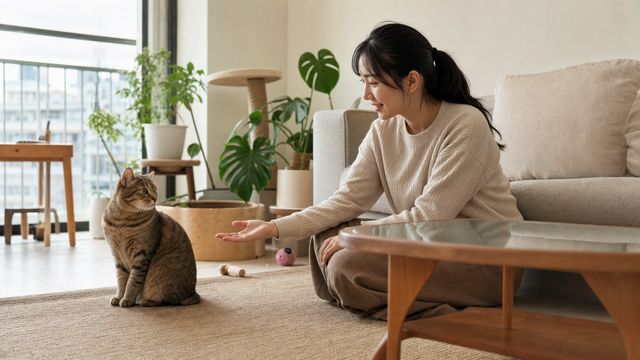
What are the common behaviors of cats lacking security? When a cat feels insecure, their most common reaction isn't "deliberately ignoring you," but rather them trying to protect themselves. They might become prone to hiding, shrink into a corner at the slightest sound, or only become active late at night when the house is quiet.
CatGarden Editorial TeamPublished 2026/06/10Updated 2026/10/06
Behavioral ScienceCat Psychology
What to Do When Your Cat Lacks Security? Check Their Routine, Scents, and Hiding Routes First

Key takeaways

  • Common signs of insecurity in cats include hiding frequently, being active only during quiet late nights, not allowing petting, inappropriate urination, excessive grooming, decreased appetite, staring at doorways, or frequent hissing. These are often self-protective behaviors, not intentional avoidance.
  • Adjusting routines can start with three things: fixed feeding times, fixed litter box cleaning times, and 10-15 minutes of daily interaction. Interaction doesn't require holding the cat; use a wand toy for chasing, pausing, and pouncing, followed by a treat or their main meal.
  • If your cat experiences multiple changes at once, such as switching food, litter, moving furniture, and having visitors, it can be overwhelming. It's recommended to introduce only one change at a time and observe the cat's reaction for 3 to 7 days before introducing another.
  • Place litter boxes and food bowls away from washing machines, hallway corners, or doorways. Also, avoid clustering food bowls, water bowls, litter boxes, and sleeping areas in one corner. Ensure cats have at least two escape routes.
  • Hiding spots are crucial for cats to manage stress. Never reach into hiding spots to pull a cat out, or use these areas for nail trimming, medication, or punishment. Doing so may cause the cat to seek even more hidden and less observable locations.

What Are Common Behaviors of Cats Lacking Security?

When a cat feels insecure, their most common reaction isn't "deliberately ignoring you," but rather them trying to protect themselves. They might become prone to hiding, shrink into a corner at the slightest sound, or only become active late at night when the house is quiet. Some cats may suddenly become averse to being petted, unwilling to approach people, or even flee at the sight of visitors, the doorbell, or a vacuum cleaner.

Some cats also express their anxiety in ways that owners find troublesome, such as inappropriate urination, excessive grooming, decreased appetite, constantly staring at the door, or frequent hissing. These behaviors don't necessarily indicate a "bad temper" but might stem from something in their environment that prevents them from relaxing. If the situation arises suddenly, or is accompanied by pain, vomiting, or lethargy, it's recommended to consult a veterinarian first to rule out any physical discomfort.

Don't Rush to Pick Them Up: Insecurity is Different from Aloofness

Many owners' first reaction when they see their cat hiding is to pick them up and comfort them, but this often makes the cat more anxious. For a cat, being forced out of their hiding spot means losing their chosen safe zone. Especially when they've just arrived in a new home, moved house, there's a new family member, or renovation work is underway, they need predictable spaces they can retreat to.

A cat's sense of security and their affection towards humans are two separate things. Some cats are naturally slow to warm up, but in a familiar environment, they still eat and drink normally, patrol their territory, and sleep in fixed spots. This isn't necessarily a problem. What truly needs attention is if they are in a prolonged state of alertness, unable to eat, use the litter box, or rest peacefully, or if they show clear signs of stress whenever someone approaches.

Check 1: Is Their Daily Routine Too Irregular?

Cats are very sensitive to routine; they use time, sounds, and human actions to predict what will happen next. If feeding times vary greatly each day, litter box cleaning is inconsistent, and there's no fixed rhythm for play and rest, a cat's sense of security can become unstable. A common situation in small urban homes in Taiwan is limited space but frequent comings and goings, making stable daily cues even more crucial for cats.

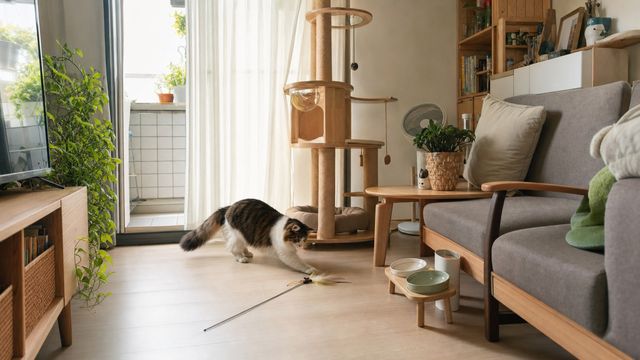
You can start by adjusting three things: fix feeding times, fix litter box cleaning times, and schedule short 10- to 15-minute interactive sessions daily. Interaction doesn't have to involve holding the cat; you can use a wand toy for them to chase, pause, and pounce, followed by a treat or their meal as a conclusion. This structured process, with a clear beginning and end, lets the cat know they can control the distance and helps build trust more easily.

Quick Tip: Don't Change Everything at Once

If your home has recently switched cat food, litter, rearranged furniture, and also had visitors, your cat might be overwhelmed by too many changes simultaneously. It's recommended to adjust only one thing at a time and observe for 3 to 7 days before assessing their reaction. For sensitive cats, a gradual approach is usually more effective than trying to do everything at once.

Check 2: Are Scents, Sounds, and Movement Paths in the House Causing Them Stress?

Cats primarily identify their environment through scent. If strong fragrances, cleaning product odors, or the scent of strangers suddenly appear in the house, they might feel their territory has been altered. Taiwan's humid summers and muggy rainy seasons often lead households to increase dehumidification, cleaning, or use air fresheners, but overly strong scents can actually irritate cats. It's advisable to avoid using heavily fragranced products in litter boxes, sleeping areas, and frequently used spaces.

Sound is also a significant factor affecting a cat's sense of security. Motorcycle noise, construction sounds, doorbells, hair dryers, and vacuum cleaners are common for cats living in apartments or small homes in Taipei and New Taipei City. Allow your cat a place to retreat when noises occur. Avoid placing litter boxes or food bowls near washing machines, at the corners of hallways, or next to doors, as these locations can make them feel stressed while eating.

Movement Paths Should Allow Cats to "Not Be Trapped"

Cats dislike being cornered with no escape route, especially when there are other cats, dogs, children, or frequent guests in the house. It's best not to cluster food bowls, water bowls, litter boxes, and sleeping areas all in one corner. Providing them with at least two escape routes is more helpful than simply buying more supplies.

Check 3: Are Hiding Spots and High Routes Sufficiently Secure?

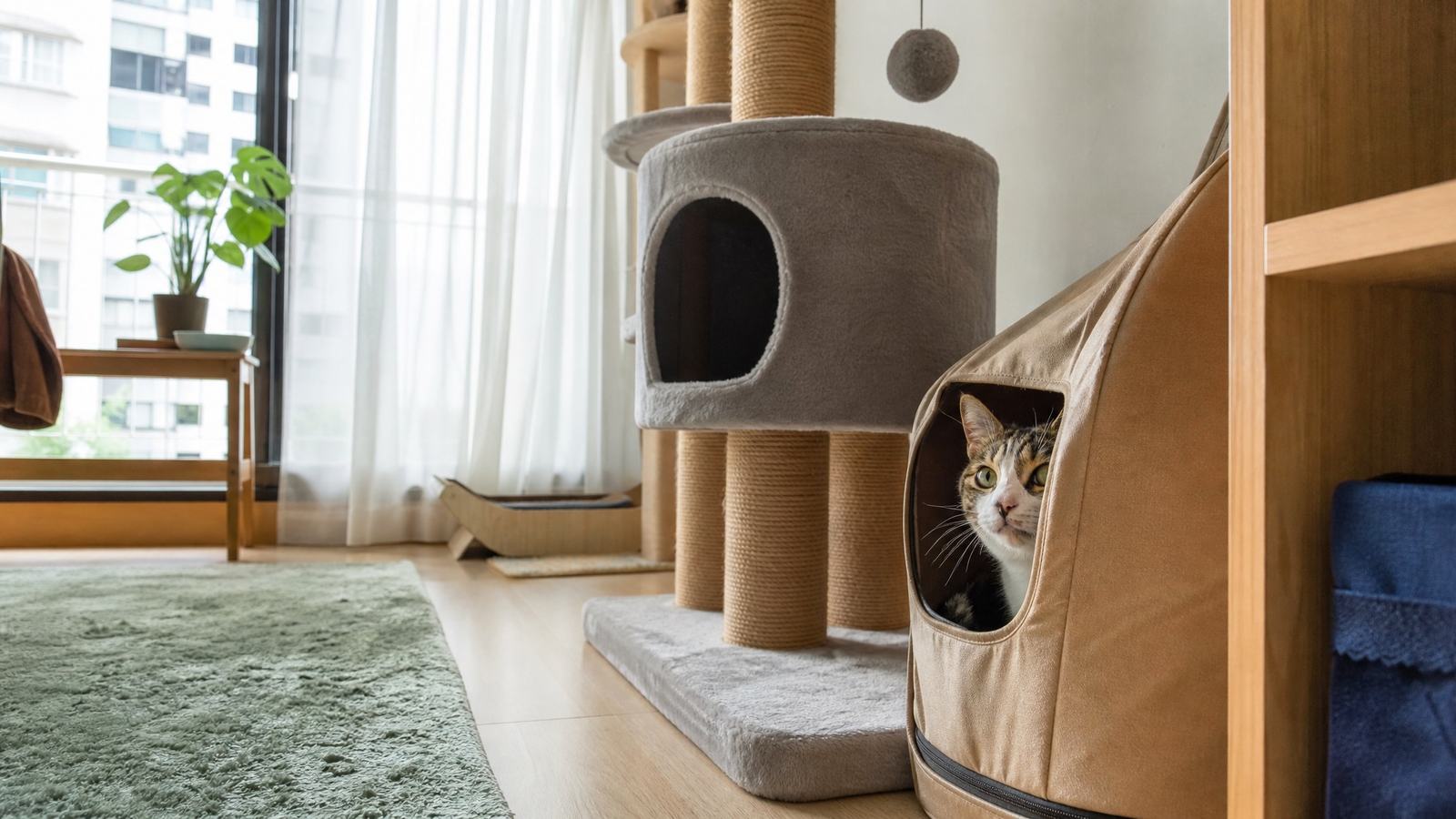
A secure cat doesn't necessarily need to be clingy all the time, but they should know where they can go when they feel stressed. Hiding spots are not a bad habit but an important resource for cats to regulate their stress. Cardboard boxes, semi-enclosed beds, spaces under cabinets, or high window perches can all become places where they observe their surroundings and regain calm.

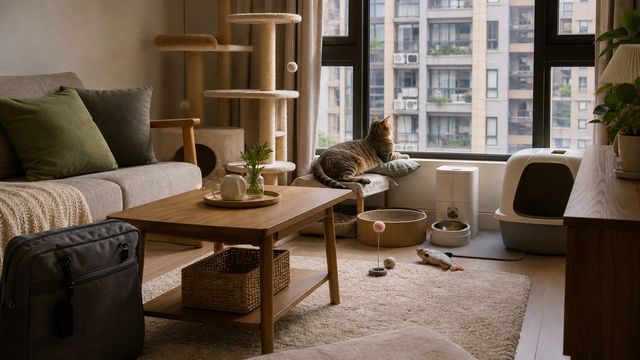
High routes are also important because cats have a better overview from elevated positions. If space allows, consider setting up cat trees, shelves, or window perches so they can move around without having to pass by people's feet. For small homes, a large cat tree isn't always necessary; the key is that the transitions between high and low levels are continuous, safe, and stable.

Don't Treat Hiding Spots as Punishment Zones

If your cat retreats to a specific hiding spot, try not to reach in and pull them out, nor should you trim their nails, administer medication, or punish them there. Once a hiding spot becomes associated with stress, the cat will seek out even more secluded and harder-to-observe locations. Preserving a few truly undisturbed places will actually help them come out and explore more quickly.

Conclusion: Security is Built Slowly Through Daily Life

Improving a cat's sense of security isn't achieved through a single cuddle, training session, or magical product. A more effective approach is to ensure they can predict their daily routine, maintain familiar scents, and know they have safe retreats. When a cat starts sleeping near you, blinking slowly, and eating and using the litter box normally, it's usually a good sign that their stress levels are decreasing.

If you're organizing your cat supplies, start by checking the placement of litter boxes, the stability of cat trees, comfortable sleeping spots, low-irritant cleaning products, and interactive toys. CatGarden offers a curated selection of cat supplies suitable for daily use in Taiwanese homes, helping you gradually complete their environment for eating, resting, hiding, and playing, allowing your cat to live more securely in their familiar home.

FAQ

My cat keeps hiding, does that mean they don't like me?

Not necessarily. Many cats hide simply because they are still observing their environment or need their personal space. As long as their eating, drinking, elimination, and overall demeanor are normal, you can give them time and avoid forcing interaction.

Can pheromones or stress-relief products be used for cats lacking security?

They can be used as an aid, but it's not recommended to rely solely on products to solve the issue. Routine, scents, sounds, movement paths, and hiding spaces remain fundamental. If your cat exhibits severe aggression, inappropriate urination, or prolonged lack of appetite, it's advisable to seek professional assessment from a veterinarian or behaviorist.

My cat is very stressed after moving house, how long will it take to adapt?

This varies greatly from cat to cat. Some may explore within days, while others may take weeks. In the initial period after moving, you can confine them to a quiet room with their familiar litter box, bedding, and items. Once they are eating and using the litter box stably, gradually open up other spaces.

My home is very small, can I still increase my cat's sense of security?

Yes. The key in small homes isn't having more things, but clear movement paths and supplies that don't interfere with each other. Utilizing vertical space, window areas, and quiet corners to provide cats with high spots, hiding places, and undisturbed resting areas can significantly improve their quality of life.

Further Reading

CatGarden offers curated supplies, cat boarding, and grooming

Book services or shop online.
Back

Blog

What to Do When Your Cat Lacks Security? Check Their Routine, Scents, and Hiding Routes First

CatGarden Editorial TeamPublished 2026/06/10Updated 2026/10/06
Behavioral ScienceCat Psychology
What to Do When Your Cat Lacks Security? Check Their Routine, Scents, and Hiding Routes First

Key takeaways

  • Common signs of insecurity in cats include hiding frequently, being active only during quiet late nights, not allowing petting, inappropriate urination, excessive grooming, decreased appetite, staring at doorways, or frequent hissing. These are often self-protective behaviors, not intentional avoidance.
  • Adjusting routines can start with three things: fixed feeding times, fixed litter box cleaning times, and 10-15 minutes of daily interaction. Interaction doesn't require holding the cat; use a wand toy for chasing, pausing, and pouncing, followed by a treat or their main meal.
  • If your cat experiences multiple changes at once, such as switching food, litter, moving furniture, and having visitors, it can be overwhelming. It's recommended to introduce only one change at a time and observe the cat's reaction for 3 to 7 days before introducing another.
  • Place litter boxes and food bowls away from washing machines, hallway corners, or doorways. Also, avoid clustering food bowls, water bowls, litter boxes, and sleeping areas in one corner. Ensure cats have at least two escape routes.
  • Hiding spots are crucial for cats to manage stress. Never reach into hiding spots to pull a cat out, or use these areas for nail trimming, medication, or punishment. Doing so may cause the cat to seek even more hidden and less observable locations.

What Are Common Behaviors of Cats Lacking Security?

When a cat feels insecure, their most common reaction isn't "deliberately ignoring you," but rather them trying to protect themselves. They might become prone to hiding, shrink into a corner at the slightest sound, or only become active late at night when the house is quiet. Some cats may suddenly become averse to being petted, unwilling to approach people, or even flee at the sight of visitors, the doorbell, or a vacuum cleaner.

Some cats also express their anxiety in ways that owners find troublesome, such as inappropriate urination, excessive grooming, decreased appetite, constantly staring at the door, or frequent hissing. These behaviors don't necessarily indicate a "bad temper" but might stem from something in their environment that prevents them from relaxing. If the situation arises suddenly, or is accompanied by pain, vomiting, or lethargy, it's recommended to consult a veterinarian first to rule out any physical discomfort.

Don't Rush to Pick Them Up: Insecurity is Different from Aloofness

Many owners' first reaction when they see their cat hiding is to pick them up and comfort them, but this often makes the cat more anxious. For a cat, being forced out of their hiding spot means losing their chosen safe zone. Especially when they've just arrived in a new home, moved house, there's a new family member, or renovation work is underway, they need predictable spaces they can retreat to.

A cat's sense of security and their affection towards humans are two separate things. Some cats are naturally slow to warm up, but in a familiar environment, they still eat and drink normally, patrol their territory, and sleep in fixed spots. This isn't necessarily a problem. What truly needs attention is if they are in a prolonged state of alertness, unable to eat, use the litter box, or rest peacefully, or if they show clear signs of stress whenever someone approaches.

Check 1: Is Their Daily Routine Too Irregular?

Cats are very sensitive to routine; they use time, sounds, and human actions to predict what will happen next. If feeding times vary greatly each day, litter box cleaning is inconsistent, and there's no fixed rhythm for play and rest, a cat's sense of security can become unstable. A common situation in small urban homes in Taiwan is limited space but frequent comings and goings, making stable daily cues even more crucial for cats.

You can start by adjusting three things: fix feeding times, fix litter box cleaning times, and schedule short 10- to 15-minute interactive sessions daily. Interaction doesn't have to involve holding the cat; you can use a wand toy for them to chase, pause, and pounce, followed by a treat or their meal as a conclusion. This structured process, with a clear beginning and end, lets the cat know they can control the distance and helps build trust more easily.

Quick Tip: Don't Change Everything at Once

If your home has recently switched cat food, litter, rearranged furniture, and also had visitors, your cat might be overwhelmed by too many changes simultaneously. It's recommended to adjust only one thing at a time and observe for 3 to 7 days before assessing their reaction. For sensitive cats, a gradual approach is usually more effective than trying to do everything at once.

Check 2: Are Scents, Sounds, and Movement Paths in the House Causing Them Stress?

Cats primarily identify their environment through scent. If strong fragrances, cleaning product odors, or the scent of strangers suddenly appear in the house, they might feel their territory has been altered. Taiwan's humid summers and muggy rainy seasons often lead households to increase dehumidification, cleaning, or use air fresheners, but overly strong scents can actually irritate cats. It's advisable to avoid using heavily fragranced products in litter boxes, sleeping areas, and frequently used spaces.

Sound is also a significant factor affecting a cat's sense of security. Motorcycle noise, construction sounds, doorbells, hair dryers, and vacuum cleaners are common for cats living in apartments or small homes in Taipei and New Taipei City. Allow your cat a place to retreat when noises occur. Avoid placing litter boxes or food bowls near washing machines, at the corners of hallways, or next to doors, as these locations can make them feel stressed while eating.

Movement Paths Should Allow Cats to "Not Be Trapped"

Cats dislike being cornered with no escape route, especially when there are other cats, dogs, children, or frequent guests in the house. It's best not to cluster food bowls, water bowls, litter boxes, and sleeping areas all in one corner. Providing them with at least two escape routes is more helpful than simply buying more supplies.

Check 3: Are Hiding Spots and High Routes Sufficiently Secure?

A secure cat doesn't necessarily need to be clingy all the time, but they should know where they can go when they feel stressed. Hiding spots are not a bad habit but an important resource for cats to regulate their stress. Cardboard boxes, semi-enclosed beds, spaces under cabinets, or high window perches can all become places where they observe their surroundings and regain calm.

High routes are also important because cats have a better overview from elevated positions. If space allows, consider setting up cat trees, shelves, or window perches so they can move around without having to pass by people's feet. For small homes, a large cat tree isn't always necessary; the key is that the transitions between high and low levels are continuous, safe, and stable.

Don't Treat Hiding Spots as Punishment Zones

If your cat retreats to a specific hiding spot, try not to reach in and pull them out, nor should you trim their nails, administer medication, or punish them there. Once a hiding spot becomes associated with stress, the cat will seek out even more secluded and harder-to-observe locations. Preserving a few truly undisturbed places will actually help them come out and explore more quickly.

Conclusion: Security is Built Slowly Through Daily Life

Improving a cat's sense of security isn't achieved through a single cuddle, training session, or magical product. A more effective approach is to ensure they can predict their daily routine, maintain familiar scents, and know they have safe retreats. When a cat starts sleeping near you, blinking slowly, and eating and using the litter box normally, it's usually a good sign that their stress levels are decreasing.

If you're organizing your cat supplies, start by checking the placement of litter boxes, the stability of cat trees, comfortable sleeping spots, low-irritant cleaning products, and interactive toys. CatGarden offers a curated selection of cat supplies suitable for daily use in Taiwanese homes, helping you gradually complete their environment for eating, resting, hiding, and playing, allowing your cat to live more securely in their familiar home.

FAQ

My cat keeps hiding, does that mean they don't like me?

Not necessarily. Many cats hide simply because they are still observing their environment or need their personal space. As long as their eating, drinking, elimination, and overall demeanor are normal, you can give them time and avoid forcing interaction.

Can pheromones or stress-relief products be used for cats lacking security?

They can be used as an aid, but it's not recommended to rely solely on products to solve the issue. Routine, scents, sounds, movement paths, and hiding spaces remain fundamental. If your cat exhibits severe aggression, inappropriate urination, or prolonged lack of appetite, it's advisable to seek professional assessment from a veterinarian or behaviorist.

My cat is very stressed after moving house, how long will it take to adapt?

This varies greatly from cat to cat. Some may explore within days, while others may take weeks. In the initial period after moving, you can confine them to a quiet room with their familiar litter box, bedding, and items. Once they are eating and using the litter box stably, gradually open up other spaces.

My home is very small, can I still increase my cat's sense of security?

Yes. The key in small homes isn't having more things, but clear movement paths and supplies that don't interfere with each other. Utilizing vertical space, window areas, and quiet corners to provide cats with high spots, hiding places, and undisturbed resting areas can significantly improve their quality of life.

Further Reading

One email a month of cat-care tips

Hand-picked care, behavior and grooming tips once a month. Subscribe and we will send you our three most-read articles right away.

Keep reading