Is It Normal for Cats to Stick Out Their Tongues or Pant? Understanding Causes from Heat to Illness and Recognizing Danger Signs
A cat occasionally sticking out a little of its tongue is usually fine, but persistent open-mouth panting requires caution. This article helps you distinguish between relaxed behavior and danger signs of heat stress, respiratory, or heart conditions.
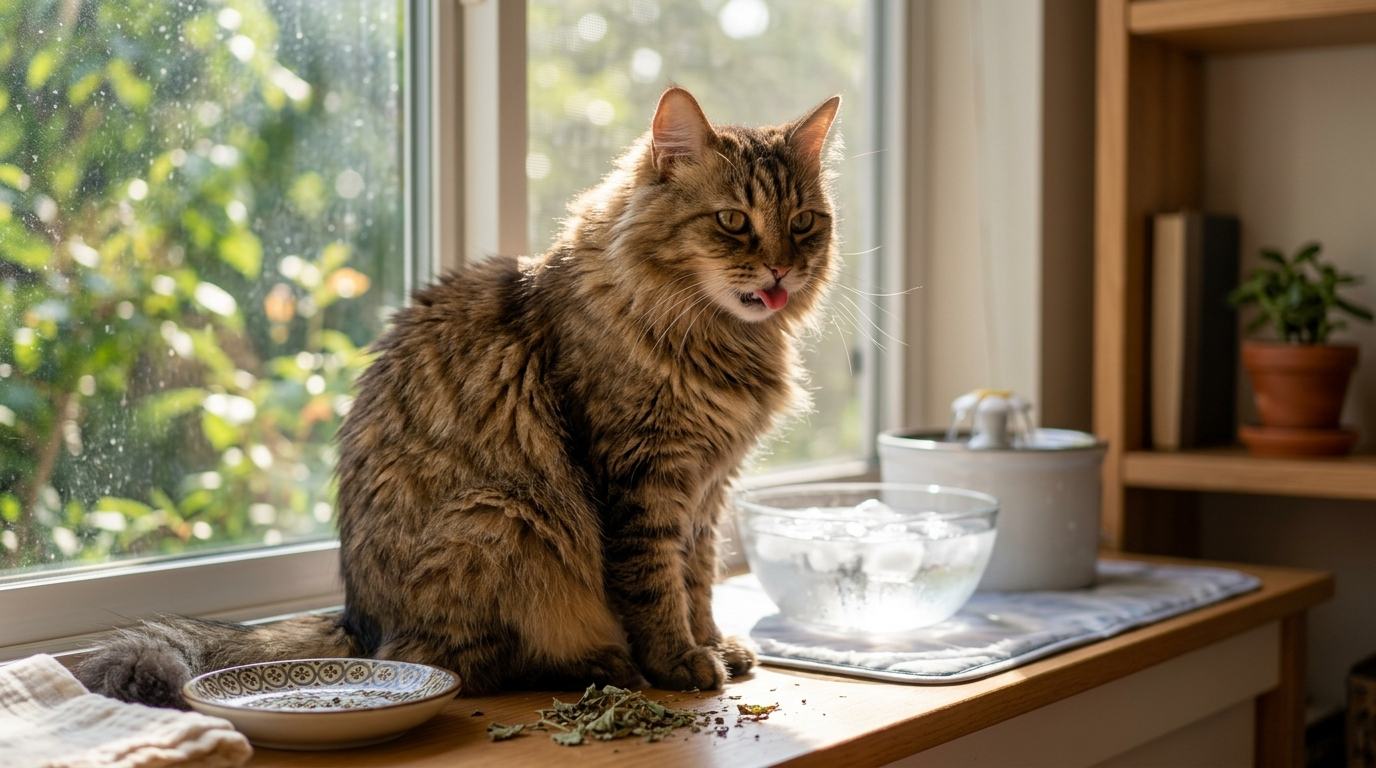
A cat occasionally sticking out a little of its tongue and forgetting to retract it is usually a sign of relaxed, zoned-out behavior and is not dangerous. However, if the cat is panting with its mouth wide open, like a dog (breathing rapidly and shallowly, with noticeable chest and abdominal movement), you need to be alert—this is highly unusual in cats and often indicates heat stress, pain, respiratory, or heart problems, requiring immediate cooling and veterinary assessment.
In this article, we'll use our frontline experience from our cat hotel to help you clearly distinguish between the various situations of "cats sticking out their tongue."
Key Takeaways
- A cat's normal resting respiratory rate is about 20–30 breaths per minute, and breathing should be quiet and through the nose; persistent open-mouth panting is abnormal.
- Relaxed tongue-sticking usually involves only a small portion of the tongue showing, accompanied by squinting eyes, and can be retracted at any time; it's a harmless behavior.
- Open-mouth breathing (panting) is a warning sign in cats, commonly seen with heat stress, after strenuous exercise, stress, or illness.
- Tongue/gums turning purple or pale, forceful abdominal breathing, or panting that doesn't subside within a few minutes are emergency-level signs and require immediate veterinary attention.
- Cats have a low tolerance for high temperatures; when the environment exceeds 30°C (86°F) and is stuffy and poorly ventilated, the risk of heatstroke and heat panting significantly increases.
First, Distinguish: Tongue Sticking vs. Open-Mouth Panting
These two actions are often confused but have entirely different meanings.
Harmless "Tongue Sticking"
We see this type of tongue-sticking daily at our facility. It typically occurs when:
- Distracted mid-grooming: A cat's tongue sticks out while grooming, and they get called away or fall asleep, leaving the tip exposed.
- Relaxed and zoned out: While lying in the sun or being petted comfortably, facial muscles relax completely, exposing a small part of the tongue, with eyes half-closed.
- Snoring or brachycephalic structure: Flat-faced breeds like Persians and Exotic Shorthairs may show their tongue more easily due to their facial structure.
- Flehmen response to strong scents: Cats briefly open their mouths and wrinkle their noses to use the vomeronasal organ to "analyze scents"; this lasts only a few seconds.
In these situations, the cat is generally relaxed, breathing steadily, and can retract its tongue at any time, so there's no need to worry. For more insights into cat relaxation signals, you can refer to What Does Your Cat's Sleeping Position Mean? Decoding Sleep Postures, Locations, and Affection and What Does Cat Licking Mean? Understanding Why Cats Lick Hands, You, and Their Love Language.
"Open-Mouth Panting" That Requires Alertness
Dogs pant with their tongues out to cool down, but cats are different—healthy cats almost never pant with their mouths open. When you see a cat with its mouth open, breathing rapidly and shallowly, this is called "panting" or open-mouth breathing, and it indicates the body is struggling to cool down or is experiencing oxygen deprivation, requiring intervention.
Common Causes of Cats Sticking Out Their Tongues and Panting
1. Brief Panting After Intense Play
Young or overweight cats might briefly pant with their mouths open after vigorous play sessions like chasing or playing with a feather wand. If the cat recovers to quiet breathing and normal energy levels within a few minutes, it's usually not a cause for concern; simply let them rest and ensure they have water. However, if they pant excessively during play or recover very slowly, their cardiopulmonary health should be monitored.
2. Heat Stress and Heatstroke (Most Common in Summer)
This is the most critical reason to be aware of during Taiwan's summers. Cats have sweat glands primarily on their paw pads, making them inefficient at dissipating heat. If the environment becomes stuffy and poorly ventilated, their body temperature can soar, leading them to pant forcefully to try and cool down.
Early signs of heatstroke include open-mouth panting, drooling, restlessness, seeking cool places to lie down, and increased heart rate. Severe cases can lead to weakness, vomiting, unsteady gait, or even collapse. Heatstroke is an emergency; if detected, immediately move the cat to a cool area, dampen their body with lukewarm (not cold) water, use a fan, and seek veterinary care promptly.
For comprehensive cooling methods and diagnosis, we recommend saving our in-depth article Are Cats Afraid of Heat? Signs of Heatstroke, Panting, and Summer Cooling Guide. During summer, don't forget to ensure your cat stays hydrated. How Much Water Does a Cat Need Daily? Dry Food, Wet Food, and Hydration Tips offers practical advice, and for hydration through food, see Can Cats Eat Watermelon? Summer Feeding Precautions, Portions, and Proper Consumption.
3. Stress and Anxiety
Under intense stress, such as during car rides, vet visits, moving, or in unfamiliar environments, some cats may pant with their mouths open briefly. This panting usually subsides once the stressor is removed and the environment becomes stable. If your cat is prone to nervousness, you might find Does Your Cat Freak Out When You Leave? Understanding Signs and Solutions for Separation Anxiety helpful.
4. Respiratory Diseases
Upper respiratory infections (cat colds), asthma, nasal congestion, or lung problems can make breathing difficult for cats, leading them to pant. During an asthma attack, a cat may crouch low, extend its neck, and use its abdomen forcefully to cough and pant, appearing quite distressed. This requires veterinary diagnosis and long-term management.
5. Heart Diseases
Heart conditions like hypertrophic cardiomyopathy (HCM) are common hidden killers in cats. They can lead to fluid buildup in the lungs, causing cats to pant while resting, even without exertion or heat, and breathe with forceful abdominal movements. This type of panting can be sudden and severe, requiring emergency care.
6. Pain or Fever
Cats experiencing pain or fever may also exhibit rapid breathing and open-mouth panting. If you suspect a fever, taking their temperature is the most accurate way to confirm—a cat's normal body temperature is around 38–39.2°C (100.4–102.6°F). For guidance on how to determine and measure this, see What to Do If Your Cat Has a Fever? Normal Temperature, How to Measure, and Danger Signs.
Danger Signs: Seek Immediate Veterinary Care for These Situations
If any of the following occur, do not wait and observe; go directly to an emergency veterinarian:
- Tongue, gums, or lips turning purple, pale, or grayish (sign of oxygen deprivation)
- Abdominal breathing: The chest moves little, but the abdomen visibly contracts and expands forcefully with each breath.
- Open-mouth panting that doesn't subside within a few minutes or continues even after resting.
- Abnormal breathing sounds, neck extended, or crouching in a position they are unwilling to lie down from.
- Accompanied by weakness, vomiting, unsteady gait, or a significantly elevated body temperature.
- Noticeable decrease in energy and appetite, hiding, and immobility.
How to Observe and Record to Help the Vet Make a Quick Diagnosis
When we encounter a panting cat at our facility, we first perform these checks, which you can also do at home:
Count Resting Respiratory Rate
When the cat is completely relaxed or asleep, count each rise and fall of the chest and abdomen as one breath. Count for 15 seconds and multiply by 4. Normal is about 20–30 breaths per minute; if resting breaths consistently exceed 40 per minute, it's elevated and warrants attention.
Check Mouth Color and Breathing Pattern
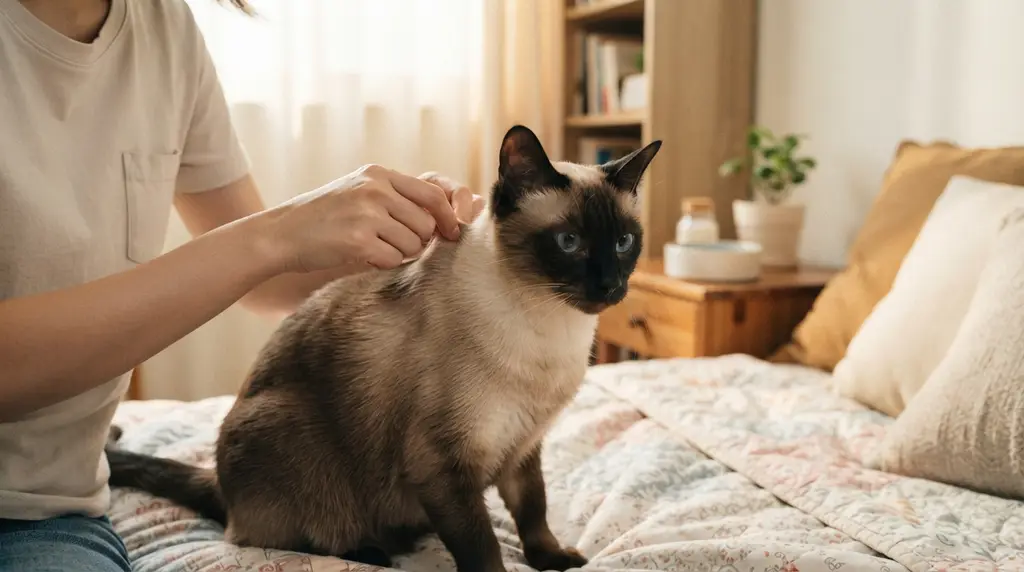
Gently lift the lips to check the gums; healthy gums are pink. Purple or pale gums indicate an emergency. Also, observe whether the cat is breathing "quietly through the nose" or "with the mouth open, using abdominal effort."
Record the Context and Take a Video
Was the panting occurring in the heat? After exercise? Or did it happen for no apparent reason? Recording a short video for the veterinarian is much more precise than a verbal description.
How to Keep Your Cat Cool at Home During Summer
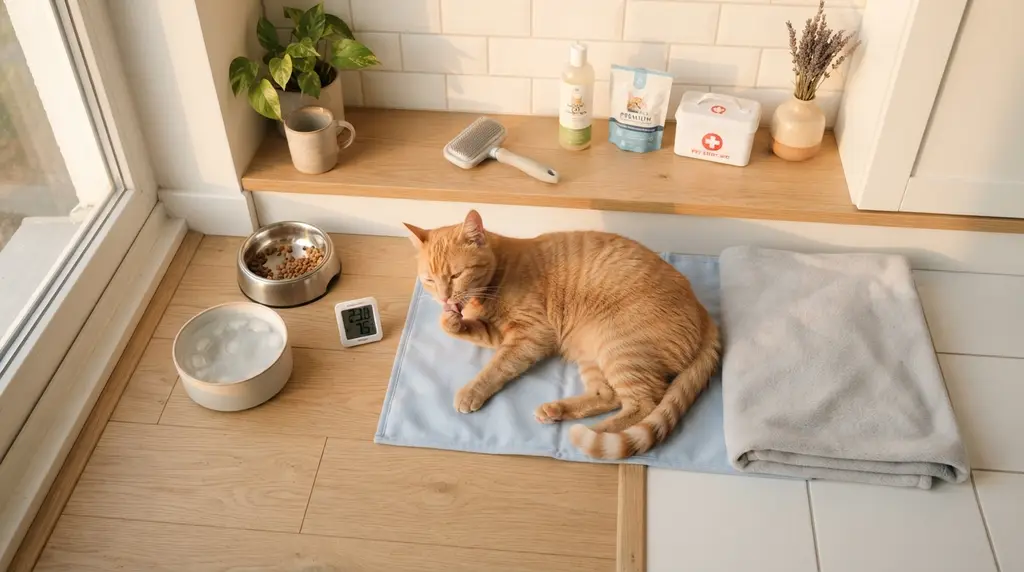
- Control Temperature and Humidity: Maintain a comfortable room temperature and ensure good ventilation. Avoid confining your cat to stuffy, poorly ventilated rooms or balconies.
- Water Availability: Place multiple water bowls around the house or use a circulating water fountain to encourage drinking.
- Cooling Spaces: Provide access to tiled floors, cooling mats, or shady spots for your cat to choose from.
- Long-Haired Cats Need Extra Care: Thick fur makes heat dissipation more challenging. Frequent brushing can help with air circulation. Refer to How to Care for Long-Haired Cats? Daily Brushing, Dealing with Matting, and When to Seek Professional Grooming. If considering a summer shave, you can book a grooming appointment for a professional assessment.
If you'll be away during the summer holidays and need to board your cat, choose a facility with independent air conditioning and monitoring. We've compiled a comprehensive checklist in What to Prepare for Your Cat's First Boarding Stay? Key Factors for Choosing a Cattery and an Essential Checklist. You're also welcome to book a boarding stay to ensure your cat stays cool and comfortable in a climate-controlled environment.
Frequently Asked Questions
Is it normal for a cat to keep its tongue slightly out and not retract it?
Mostly, yes. This is usually a sign of relaxation or a cute behavior from being distracted mid-grooming. As long as the cat's breathing is stable and their energy and appetite are normal, there's no need to worry. This is even more common in flat-faced breeds.
Is it serious if my cat pants with its mouth open after playing?
If they recover to quiet breathing and normal energy levels within a few minutes, it's usually brief panting for heat dissipation after exercise. Let them rest and have water. However, if they pant excessively during play, recover very slowly, or this happens repeatedly, it's advisable to have your veterinarian check their heart and lungs.
How can I tell if my cat is panting from heat or from illness?
Panting from heat usually occurs in a stuffy environment and will subside after moving to a cool place and rehydrating. Panting from illness often happens while resting in a cool environment and may be accompanied by forceful abdominal breathing, discolored gums, or lethargy. The latter requires immediate emergency veterinary care.
Does open-mouth breathing in cats always require a vet visit?
Unless it's brief panting after exercise or high temperatures that quickly resolves, persistent open-mouth breathing in cats should be evaluated by a veterinarian as soon as possible, especially if accompanied by abdominal breathing or a purplish tongue, which indicates an emergency.
What room temperature should I maintain to prevent my cat from panting from heat?
There's no absolute number. The key is good ventilation and avoiding stuffiness. Prevent your cat from being confined in unventilated, enclosed spaces. When the environment exceeds 30°C (86°F) and lacks ventilation, the risk of heatstroke and heat panting significantly increases.
This article was written by the CatBackyard editorial team. The content is for general care information only and cannot replace veterinary diagnosis. If your cat exhibits persistent panting or danger signs, seek immediate veterinary attention.
CatGarden offers curated supplies, cat boarding, and grooming
Book services or shop online.