Cat Separation Anxiety: Signs and Ways to Help
Excessive meowing, urinating outside the box, or overgrooming when you leave may be separation anxiety. Learn what to watch for.
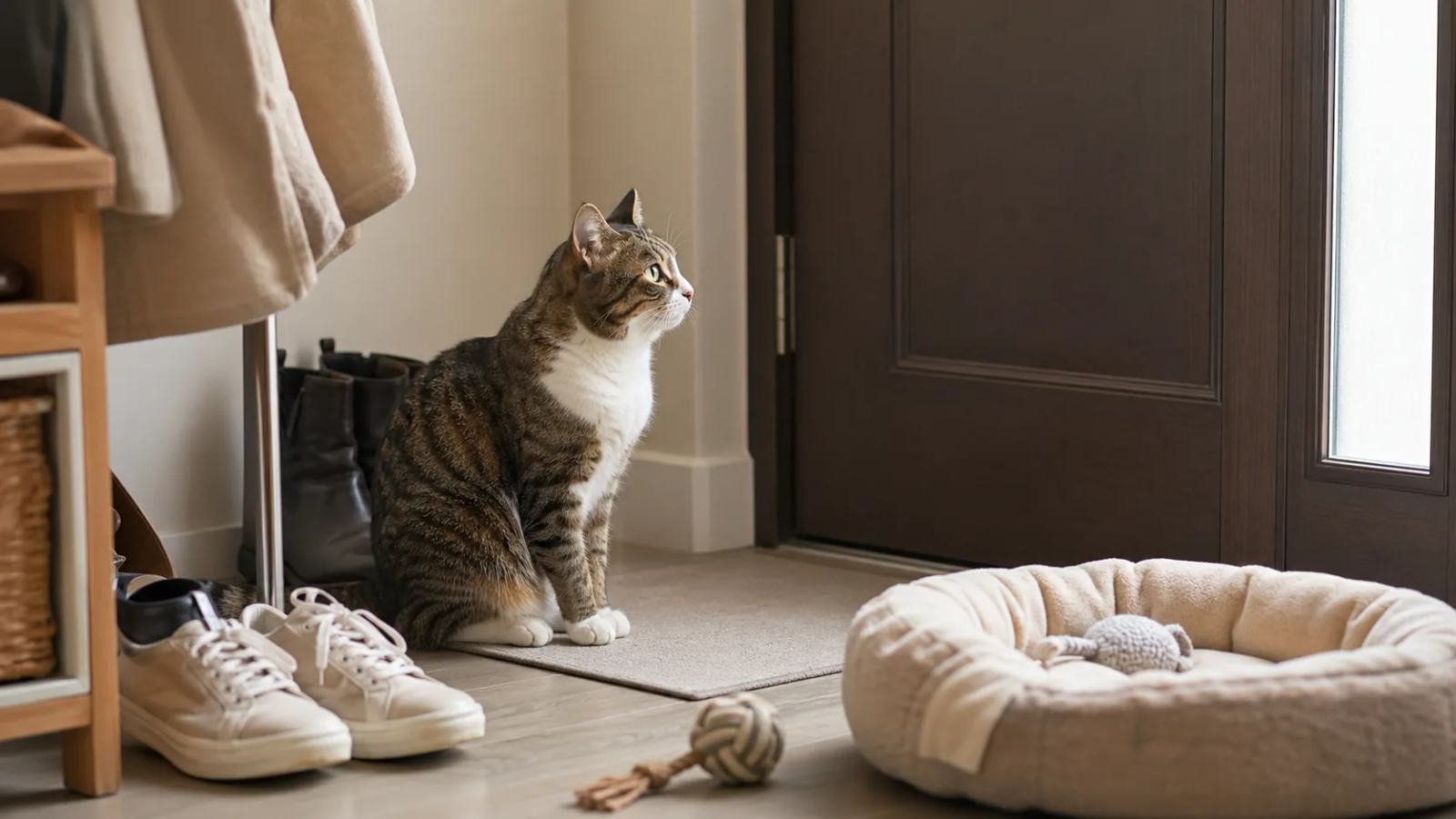
Cats can look independent, but many form strong bonds with their people. If problem behaviors appear mainly when you leave, anxiety may be involved.
Key takeaways
- Cat separation anxiety refers to an excessive stress reaction when separated from their owner or left alone at home. It's not intentional misbehavior but rather a response to distress.
- Common signs of separation anxiety include: becoming agitated and vocalizing excessively when the owner prepares to leave, howling excessively when left alone, inappropriate urination or defecation on doors or the owner's clothes/bed, excessive grooming leading to localized hair loss or skin irritation, decreased appetite, and being overly clingy or destructive upon the owner's return.
- The key to distinguishing separation anxiety from simple naughtiness lies in timing: if vocalizing, inappropriate elimination, or destructive behavior consistently occur when the owner leaves, it's more likely anxiety; random occurrences may not be.
- Causes of separation anxiety include an overly close bond with the owner lacking experience with solitude, a monotonous life lacking stimulation, environmental changes like moving or altered routines, and early weaning or insufficient socialization.
- Five home-based improvement methods include: environmental enrichment (cat trees, window perches, puzzle feeders), keeping departures and arrivals low-key without dramatic goodbyes or excessive comforting, gradually practicing solitude with short absences, leaving worn clothing for scent-based security, and maintaining a consistent feeding and playtime schedule. Most mild anxiety cases gradually improve with environmental and interaction adjustments.
Common Signs
Watch for pacing or vocalizing before you leave, loud meowing when alone, urinating on beds or clothing, overgrooming, lower appetite, or clinginess when you return. Patterns matter: repeated behaviors linked to departure are more meaningful than a one-time incident.
What Helps
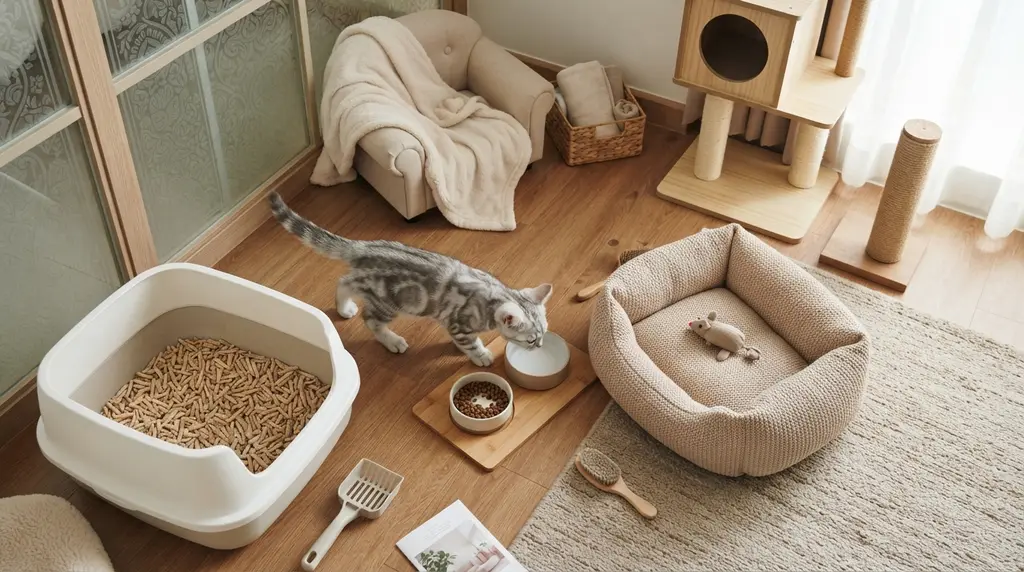
Create a richer environment with window perches, vertical space, puzzle feeders, and scheduled play. Keep departures and returns calm. Practice short absences and slowly extend the time. Leaving an item with your scent may help some cats feel safer.
When to Get Help
If there is persistent inappropriate urination, skin injury from overgrooming, refusal to eat, or no improvement, consult a veterinarian or feline behavior professional. Medical causes should be ruled out first.
What we use for this
CatGarden’s own products, shipped from Taiwan Premium CatnipFrom CA$36.65 per jarFree shipping on multi-packs
CatGarden offers curated supplies, cat boarding, and grooming
Book services or shop online.