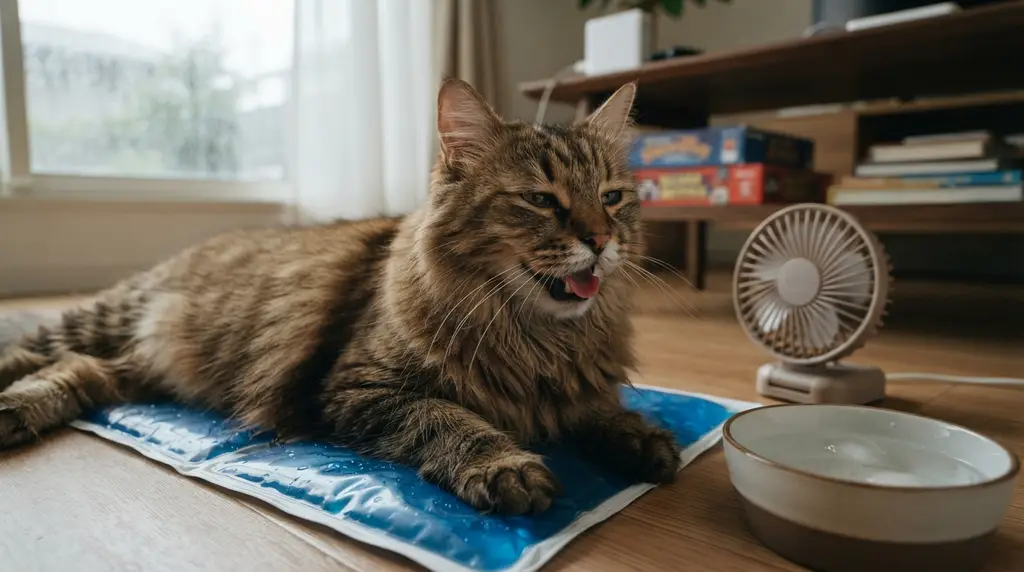
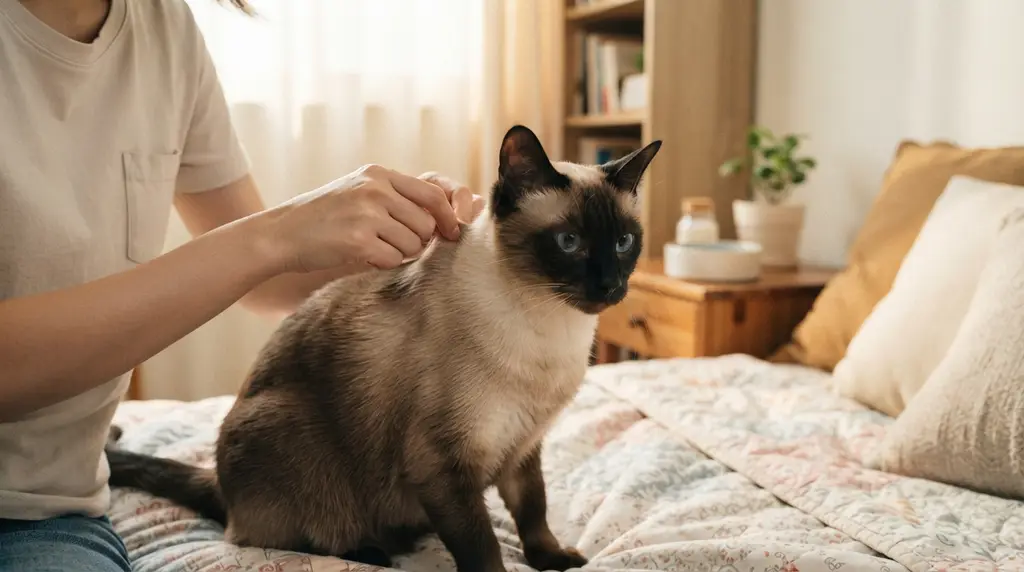
What Are the After-Effects of Heatstroke in Cats? Recovery Timeline, Home Care, and When to Return to the Vet
The most dangerous period for a cat experiencing heatstroke is not the immediate moment, but the 24 to 72 hours following emergency treatment. This article outlines the recovery timeline, 6 common after-effects, home care practices, and warning signs that require an immediate return to the emergency vet.
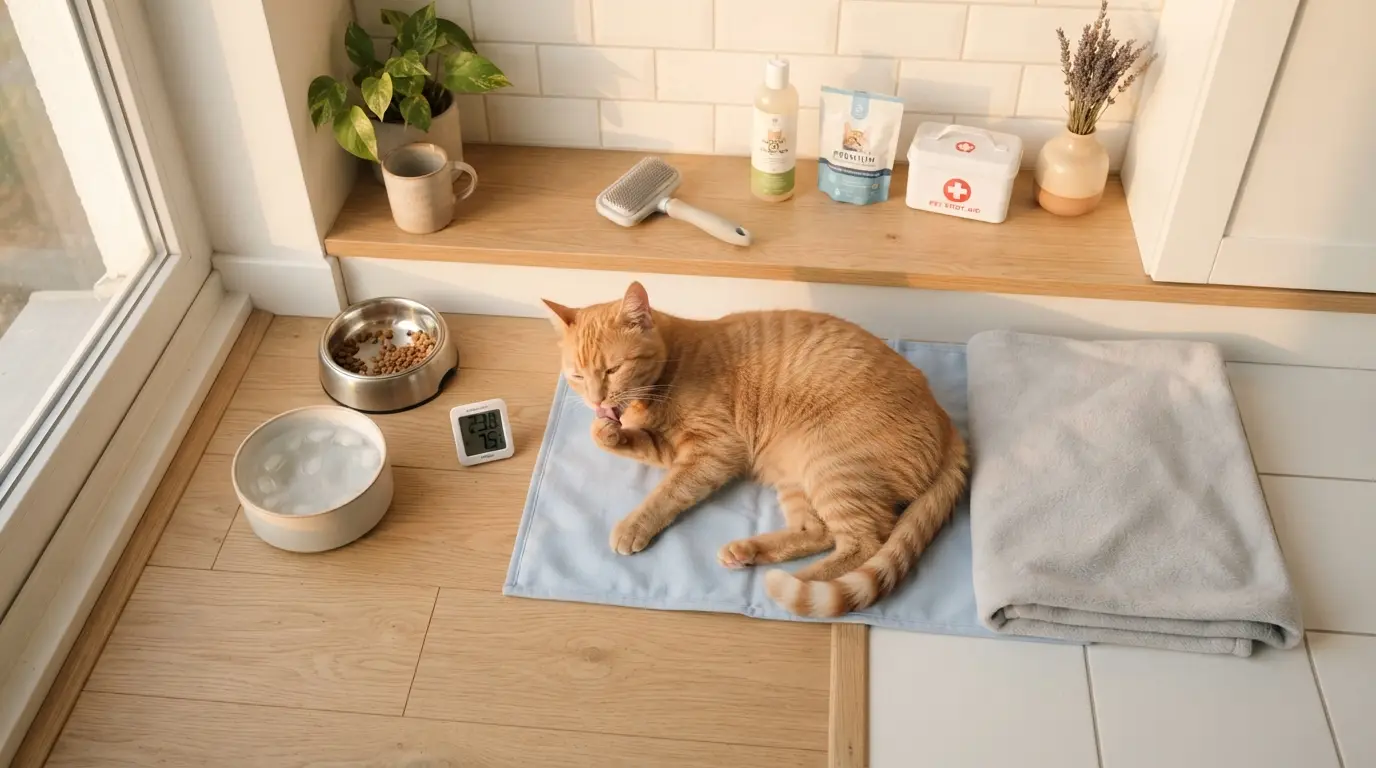
After a cat has been treated for heatstroke and their temperature has been brought down, the first 72 hours post-discharge are the true observation period: cats with mild heatstroke usually return to normal routines within 2-5 days. However, moderate to severe heat injury can lead to after-effects such as acute kidney injury, damage to the gastrointestinal lining, or neurological symptoms. Most of these after-effects of heatstroke in cats emerge 24-72 hours after emergency treatment. The three most crucial things to do at home are simple: maintain room temperature between 26-27°C, record urine output and appetite daily, and return for a follow-up blood test to check kidney function within 48-72 hours as directed by your veterinarian.
Key Takeaways
- After-effects of heatstroke in cats most commonly appear 24-72 hours post-treatment, including acute kidney injury (AKI), blood or black stools due to gastrointestinal lining sloughing, clotting abnormalities, and neurological signs like unsteadiness, seizures, or vision problems.
- Mild heatstroke (body temperature not exceeding 40.5°C, with effective cooling within 30 minutes) typically recovers in 2-5 days. Cats that exceeded 41°C or showed seizures, bloody stools, or altered consciousness may require 1-3 weeks for recovery and blood test monitoring.
- Recommended home environment during recovery: stable room temperature at 26-27°C, humidity below 60%, avoiding drastic temperature changes and direct sun exposure.
- Normal resting respiratory rate for cats is 20-30 breaths per minute. If it consistently exceeds 40 breaths per minute post-heatstroke, or if abdominal effort is noticeable, it's an emergency.
- Complete lack of urination within 24 hours, significantly reduced urine output, or dark-colored urine are critical signs of acute kidney injury and require immediate attention, not waiting until the next day.
What Exactly Is Your Cat Recovering From After Heatstroke?
Many owners assume heatstroke simply means "feeling unwell from heat, and getting better once cooled down." In reality, heatstroke is cellular-level damage: when core body temperature exceeds 41°C, proteins begin to denature, the intestinal lining barrier is compromised, and blood vessel linings are injured, potentially triggering a systemic inflammatory response and clotting disorders.
Therefore, a return to normal body temperature only signifies that the "heating has stopped," not that the organs have been repaired. This is why veterinarians sometimes encounter a perplexing situation: a cat appears to have recovered mentally after emergency treatment, only to suddenly stop urinating, start vomiting, or pass dark, soft stools the next day.
We've encountered similar situations at our cattery – a cat overheated during transport, cooled down on-site and seemed active again, but the next morning, the urine clumps in the litter box were noticeably smaller. This "time lag" is the most underestimated aspect of heatstroke and is what this article aims to address.
If you're still determining if your cat is suffering from heat-related issues, you can first read this comprehensive guide: Are Cats Sensitive to Heat? Signs of Heatstroke, Panting, and Summer Cooling Strategies. This article specifically covers the "post-veterinary visit, at-home" care.
How Long Does Heatstroke Recovery Take in Cats? Recovery Timeline
Day 0-24 Hours: Stabilization Period, Avoid Over-Stimulation
During this phase, cats are typically very weak, may hide, dislike being touched, and have a poor appetite. The focus is on reducing stimulation: quiet, cool environment, access to water, and a litter box nearby. Avoid constantly picking them up to check on them or rushing to bathe them.
- Observation: Is breathing smooth? Is gum color pink? (Pale, dark red, or purple gums require a vet visit).
- Urination: This is the most critical single indicator.
- Body Temperature: Normal is 38.1–39.2°C. If below 37.5°C, it indicates poor circulation, not successful cooling.
24-72 Hours: Peak After-Effects Period
These are the 48 hours requiring the most vigilance. Deterioration in kidney values (BUN, creatinine), gastrointestinal bleeding, and clotting abnormalities typically manifest within this window. Most veterinarians will schedule a follow-up blood test 48-72 hours later. Even if the cat appears to have recovered, the test is essential, as early kidney damage is almost undetectable externally.
Day 3-7: Appetite and Activity Return
Cats with mild heatstroke usually regain their normal eating habits, jumping, and grooming around this time. Gastrointestinal lining repair also occurs during these days; soft stools, sticky feces, or increased frequency are common transitional signs.
Week 2-3: Comprehensive Follow-up for Moderate to Severe Cases
If the cat experienced seizures, coma, a body temperature exceeding 41°C, or required hospitalization with IV fluids for more than 2 days, the recovery period typically extends to 2-3 weeks. A repeat kidney function test is necessary to ensure there's no progression towards chronic kidney disease. A small number of cats may have longer recovery periods for neurological after-effects (unsteady gait, behavioral changes), and some may not fully recover.
What Are the After-Effects of Heatstroke in Cats? 6 Systems to Monitor
1. Kidneys: Acute Kidney Injury (AKI)
This is the most common and dangerous after-effect. During heatstroke, blood flow prioritizes the heart and brain, leaving the kidneys with prolonged ischemia and dehydration, which can damage the renal tubules. Home monitoring is straightforward: count the urine clumps in the litter box. An adult cat typically urinates 2-4 times a day. If the urine clumps are significantly different in size from usual, or if there's no urination for 24 hours, return to the vet immediately.
Using clumping litter is advantageous here, as changes in urine volume are easily visible. Reminder: during recovery, do not switch litter types or litter box locations, as any environmental change can cause a cat to hold its urine. If you're unsure about your cat's hydration status, use this guide for home assessment: How to Check for Dehydration in Cats: Skin Elasticity, Oral Mucosa, and Water Intake - 3 Home Assessment Methods.
2. Gastrointestinal Tract: Mucosal Sloughing, Bloody Stools, Vomiting
High temperatures can damage the intestinal mucosal barrier. Typical signs appearing 1-2 days after returning home include vomiting, watery diarrhea, or dark, tarry stools (indicating upper gastrointestinal bleeding). Small amounts of soft stool can be monitored, but bloody stools or vomiting immediately after drinking water require a vet visit.
3. Clotting Abnormalities (DIC)
More severe heatstroke can lead to disseminated intravascular coagulation. Observable signs at home include pinpoint hemorrhages on the gums or inner ears, nosebleeds, unexplained bruising under the skin, or persistent bloody stools. This is a medical emergency.
4. Nervous System
The brain is particularly sensitive to high temperatures. After-effects can include an unsteady gait, head tilt, slowed reaction to sounds, unequal pupil sizes, apparent vision loss (bumping into furniture), or even seizures. Some cats may exhibit significant behavioral changes during recovery, becoming unusually clingy or reclusive. Report these to your veterinarian; don't dismiss them as simply being "scared."
5. Respiratory System
Heat injury can lead to lung inflammation or pulmonary edema. At home, learn to count breaths: while the cat is sleeping or resting quietly, observe the rise and fall of the chest and abdomen. One rise and fall counts as one breath. Count for 15 seconds and multiply by 4. Normal is 20-30 breaths/minute. If it exceeds 40 breaths per minute, or if there's noticeable abdominal breathing (like abdominal breathing in cats), seek immediate veterinary care. Additionally, cats may occasionally pant with their mouths open shortly after heatstroke. Refer to Panting with Mouth Open in Cats: Is it Heat or Illness? Gum Color and Breathing Rate to assess severity.
6. Liver and Muscles
Elevated liver enzymes and rhabdomyolysis (urine turning dark tea or soy sauce color) can occur. Dark-colored urine is a clear indication to return to the vet.
Post-Heatstroke Cat Care: 7 Home Care Essentials
1. Stable Environmental Temperature, Not Necessarily Colder
Maintain room temperature at 26-27°C with humidity below 60%. Avoid directing air conditioning vents directly at the cat. Cats recovering from heatstroke have impaired thermoregulation; drastic temperature fluctuations can be more burdensome. For guidance on ideal indoor temperatures in Taiwan, refer to Are Cats Sensitive to Heat? Cat Heat Tolerance and Indoor Air Conditioning Recommendations.
2. Ensure Ample, Appealing Water Access, Easily Reachable
Place water bowls in multiple locations where the cat frequently rests, away from food bowls and litter boxes. Do not force-feed water with a syringe, as weak cats can easily aspirate, leading to pneumonia. To encourage drinking, focus on food: dilute wet food with warm water to create a soupy consistency, or offer high-moisture, palatable options like Luxury Functional Cans to ensure the cat "eats and drinks."
3. Start with Small, Frequent Meals
The gastrointestinal tract is initially compromised. Avoid large meals or high-fat foods for the first feeding. Recommendation: warm wet food, about 1/3 of a normal portion, offered 4-5 times a day. Gradually return to normal portion sizes within 48 hours. If soft stools persist, consult your veterinarian about using Specialty Probiotics to help stabilize the gut. For feeding recovery schedules, refer to the feeding logic in How Long Does Gastroenteritis Take to Resolve in Cats? Timeline and Feeding Recovery Sequence, Warning Signs.
4. Limit Activity for 3-5 Days
Avoid vigorous play, outdoor excursions, or access to high perches (cats with neurological or balance issues are prone to falls). If you have multiple cats, temporarily separate those who tend to chase or play rough.
5. Create a Mobile Memo Log
Record daily: food intake (grams/cans), water consumption, number and size of urine clumps, stool consistency, respiratory rate, and energy level (1-5 scale). This log will be invaluable for your veterinarian's assessment, far more useful than a general "they seem a bit more energetic."
6. Complete All Medications and IV Fluids
Some cats appear fully recovered the day after returning home and owners may stop medication prematurely. Kidney repair requires complete fluid therapy and monitoring; do not discontinue treatment early.
7. What NOT to Do
- Do not use ice water, ice packs, or alcohol rubs for cooling: This constricts peripheral blood vessels, slowing heat dissipation and potentially causing shock.
- Do not shave the cat immediately for "cooling": Newly recovered skin is sensitive and prone to sunburn. See Does Shaving Cats in Summer Help with Cooling? Risks of Sunburn and Skin Issues for details.
- Do not bathe the cat: Wait at least 3 days after appetite and activity have normalized, and with your veterinarian's approval.
- Do not wait in hot, enclosed carriers for extended periods.
When to Return to the Emergency Vet Immediately (Do Not Wait Until Tomorrow)
- No urination within 24 hours, or urine color is dark tea/soy sauce.
- Respiratory rate exceeds 40 breaths per minute, noticeable abdominal breathing, or persistent open-mouth panting.
- Pale, purplish, or pinpoint hemorrhages on gums.
- Vomiting more than 3 times, or vomiting blood, bloody stools, or tarry black stools.
- Seizures, inability to stand, unresponsive to calls, unequal pupil sizes.
- Body temperature below 37.5°C or rising again above 39.5°C.
After Recovery: Preventing a Second Heatstroke
Cats that have experienced heatstroke once often have compromised thermoregulation and cardiopulmonary function compared to their peers. Their risk of experiencing heatstroke again is higher than that of a typical cat, especially for overweight cats, brachycephalic breeds (Persians, Himalayans, Exotic Shorthairs), senior cats over 7 years old, and those with pre-existing heart or respiratory conditions.
Here are some practical adjustments that have proven effective:
- Set air conditioning to run continuously at 27°C during summer, rather than cycling on and off, which causes temperature fluctuations.
- Check your cat's hiding spots to ensure they don't become heat traps: cardboard boxes on balconies, windowsills with direct sun exposure, enclosed litter boxes, deep closets.
- Plan for power outages: Refer to How to Cool Down Cats During Typhoon Power Outages and Air Conditioner Failures for guidance.
- Trim long-haired cats' bellies and underarms before summer, and detangle any mats. This significantly improves heat dissipation. Discuss localized grooming with us during a Grooming Appointment.
- Do not leave cats home alone relying on a single air conditioner for long trips – we frequently receive emergency calls about air conditioners tripping during power outages. Boarding your cat after their recovery period and once blood tests confirm normalcy is much safer. Please inform us of their heatstroke history upon boarding; we will arrange for them to stay in a cooler location and increase monitoring frequency.
Frequently Asked Questions
How long does heatstroke recovery take in cats?
Cats with mild heatstroke (body temperature not exceeding 40.5°C, rapid cooling) typically regain normal appetite and activity levels within 2-5 days. Moderate to severe heatstroke, or cases involving seizures, bloody stools, or hospitalization, often require 1-3 weeks for recovery, with follow-up blood tests needed at 48-72 hours and 7-14 days.
Do cats always have after-effects from heatstroke?
Not necessarily. Mild cases with timely cooling and body temperatures not exceeding 41°C often leave no significant after-effects. However, cats with excessively high temperatures, delayed cooling, or altered consciousness have a significantly higher chance of developing acute kidney injury and neurological after-effects. Some neurological symptoms may not fully resolve.
What if my cat refuses to eat after returning home from heatstroke?
First, try offering warm, wet food in small, frequent portions. Check the mouth and tongue for any sores or ulcers caused by heat injury (which would make eating painful). If the cat completely refuses food for over 24 hours, or if accompanied by vomiting or a significant decrease in energy, return to the vet. Do not attempt to force-feed.
Can I bathe or shave my cat during their heatstroke recovery?
It's recommended to wait at least 3 days after appetite and activity have returned to normal, and after your veterinarian confirms stable kidney values. Cats recovering from heatstroke have a lower tolerance for restraint and temperature fluctuations; the process of bathing and drying itself can be stressful.
Is it normal for my cat's ears to remain red and warm after heatstroke?
Red and warm ears during heatstroke are a sign of heat dissipation and should subside after cooling. If they remain persistently red and warm, or if there's scratching or odor, consider infection, allergies, or sunburn. Refer to What Causes Red and Hot Ears in Cats? Heatstroke, Infection, Sunburn for further differentiation.
The key to caring for a cat after heatstroke is to complete the entire observation period. Bringing the temperature down is only the first step. What truly determines a cat's full recovery is whether you diligently record urine output, respiration, and appetite in the following 72 hours, and whether you return for scheduled veterinary appointments. If symptoms persist or worsen, seek immediate veterinary care; do not wait and see at home.
Article by CatGarden Editorial Team
CatGarden offers curated supplies, cat boarding, and grooming
Book services or shop online.