How to Choose Cat Food Paste: A Guide to Low-Sodium, Grain-Free, and Senior Cat Treats
More and more owners are searching for "cat food paste recommendations" for intuitive reasons: cats love them, they make administering medication easier, and they can be used as interactive rewards. However, food pastes are not a staple food, and choosing the wrong ingredients or feeding too much can lead to cats ingesting excessive sodium, calories, and unnecessary additives.

More and more owners are searching for "cat food paste recommendations," and the reasons are intuitive: cats love them, they make administering medication easier, and they can be used as interactive rewards. However, food pastes are not a staple food, and choosing the wrong ingredients or feeding too much can lead to cats ingesting excessive sodium, calories, and unnecessary additives. When choosing cat food paste in 2026, the focus isn't just on whether "the cat loves it," but on the ingredients, sodium content, palatability, and the cat's current health status.
Key takeaways
- Cat meat paste is a treat or supplementary food, not a substitute for main meals (wet food or kibble). Overfeeding can reduce appetite for regular meals and worsen picky eating habits.
- When choosing cat meat paste, prioritize simple ingredients, clear labeling, and low sodium. For cats prone to allergies or with sensitive stomachs, single-protein sources are recommended.
- Grain-free meat paste is not suitable for all cats. If vomiting, soft stools, itching, or increased ear discharge occur after consumption, stop feeding immediately and keep a record.
- For senior cats with chronic conditions like kidney disease, diabetes, pancreatitis, or obesity, consult a veterinarian to assess portion sizes before feeding meat paste.
- The principle of feeding cat meat paste is that treat calories should not affect main meals. If your cat starts refusing regular meals in favor of meat paste, gradually reduce the feeding frequency.
Why Have Cat Food Pastes Become Popular Treats?
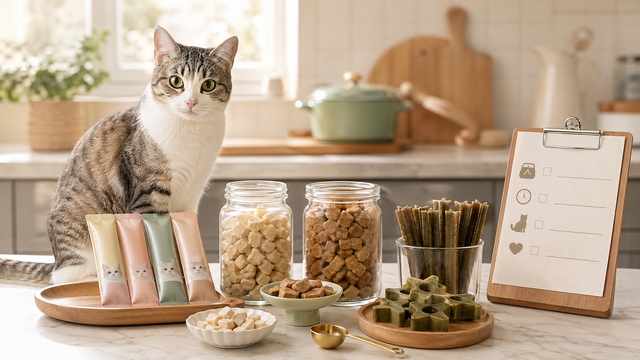
The biggest advantages of cat food pastes are their soft texture and strong aroma, making them very appealing to picky eaters, nervous cats, and senior cats. Many owners use pastes to help their cats stay hydrated, build a closer bond, or as rewards during nail trimming, grooming, or carrier training.
However, pastes are generally considered treats or supplementary foods and should not replace complete wet food, dry kibble, or veterinarian-recommended prescription diets. Feeding large amounts daily may lead to a decrease in the intake of regular meals and can make cats even pickier eaters.
What we use for this
CatGarden’s own products, shipped from Taiwan Quick-Dry Pet TowelFrom CA$49.35 per pieceFree shipping on multi-packs
Key Considerations for Choosing Cat Food Paste in 2026
1. Prioritize Sodium Content and Feeding Portions
Many owners worry about "high sodium harming kidneys," and this concern is valid, especially for households with senior cats, a history of urinary tract issues, or risks of chronic kidney disease. When choosing, prioritize products with clear labeling, that emphasize low sodium, or have no added seasonings. Treat pastes as supplementary rewards, not an unlimited daily supply.
2. Simpler Ingredients Are Better
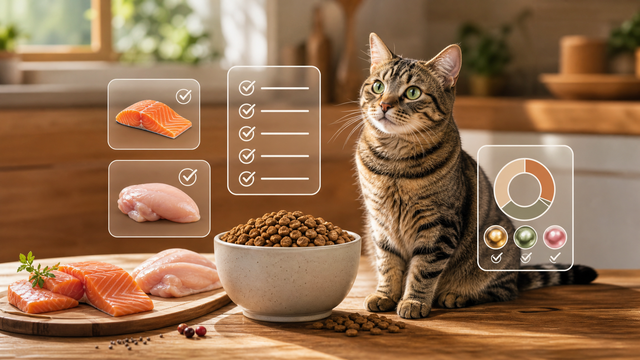
Good cat food pastes typically clearly list the main protein source, such as chicken, tuna, salmon, or duck. If the ingredient list contains too many flavorings, colorings, sugars, or artificial enhancers, it's best to avoid them. For cats prone to allergies or with sensitive stomachs, a single protein source is easier to monitor for reactions than a blend of multiple meats.
3. Grain-Free Isn't Necessarily Better
Grain-free pastes can be helpful for some sensitive cats, but not all cats need to be on a grain-free diet. What truly matters is the overall nutrition and additives. If your cat experiences vomiting, soft stools, itching, or increased ear discharge after eating a certain paste, stop feeding it and record the brand, flavor, and amount consumed.
4. Seniors Need to Consider Kidney and Dental Health
Senior cats commonly experience decreased appetite, dental discomfort, and insufficient water intake, and pastes can indeed increase their willingness to eat. However, if your cat has kidney disease, diabetes, pancreatitis, or obesity, it's best to consult your veterinarian before deciding whether to feed it daily and how much.
How to Choose Cat Food Paste for Different Situations?
- New Cat Owners: Choose products with simple ingredients, basic flavors, and complete labeling. Test with small amounts first.
- Picky Eaters: You can mix a small amount of paste into their main food, but don't let the paste become the only thing they'll eat.
- Senior Cats: Prioritize low-sodium, low-burden options, and monitor changes in water intake, urine output, and weight.
- Multi-Cat Households: Feed separately to prevent one cat from eating too much and another from getting none. This also allows you to observe individual reactions.
- Before Travel or Boarding: Choose flavors your cat has eaten before and tolerates well. Do not introduce new products under stressful circumstances.
How Many Sticks of Cat Food Paste Can a Cat Eat Per Day?
Most healthy adult cats can have pastes as occasional rewards. The actual amount depends on their weight, activity level, calorie intake from regular meals, and the product's labeling. A simple rule is: the calories from treats should not affect their main meals, and after eating a paste, they should still be able to eat their regular food for their next meal.
If your cat starts waiting only for pastes and refuses regular meals, or becomes anxious and demanding when they see a paste, it means the frequency might be too high. In this case, gradually reduce the feeding frequency and replace some treat rewards with playtime, grooming, or environmental enrichment.
5 Common Mistakes When Feeding Cat Food Paste
- Multiple Sticks Daily Without Tracking: Easy to overlook calorie and sodium intake.
- Replacing Main Meals with Paste: Can lead to nutritional imbalances.
- Increasing Portions During Illness: Decreased appetite requires finding the cause, not just relying on treats.
- Frequent Flavor Changes: Sensitive cats can develop gastrointestinal upset, and it becomes difficult to identify the source of allergies.
- Ignoring Storage Instructions: If not consumed entirely after opening, refrigerate according to product instructions and use as soon as possible.
CatGarden Reminds You: Treats Should Complement Daily Care
Pastes can be excellent interactive tools, but a cat's health ultimately depends on a stable diet, clean drinking water, appropriate activity, and stress management. If you are preparing for your cat to be boarded, bathed, or groomed, or if you are trying to address picky eating habits, it's helpful to have a record of your cat's usual brand, flavor, feeding times, and any dietary restrictions. This will make it easier for caregivers to maintain a consistent routine.
Frequently Asked Questions FAQ
Can Cat Food Paste Be Eaten Daily?
Occasional small amounts are usually fine for healthy adult cats, but unlimited daily consumption of multiple sticks is not recommended. If your cat has kidney, urinary, obesity, or chronic health issues, consult your veterinarian first.
Is Low-Sodium Cat Food Paste Always Safe?
Low sodium is an important indicator, but you still need to consider total calories, additives, protein source, and feeding frequency. Safety depends on the product's content and your cat's physical condition.
Can Kittens Eat Cat Food Paste?
Kittens have more sensitive digestive systems and should primarily be fed complete kitten food. If you want to try pastes, choose products specifically for kittens and test with small amounts.
What If My Cat Only Eats Paste and Refuses Food?
First, reduce the frequency of pastes and maintain regular meal times. Observe for any dental pain, gastrointestinal discomfort, or stress issues. If your cat refuses food for more than a day, seek veterinary attention promptly.
CatGarden | A pure cat hotel in Banqiao offering boarding and grooming services.
Further Reading
- What to Do About Picky Cat Eaters? 6 Improvement Methods and Transition Tips Every Owner Must Know in 2026
- What to Do If Your Cat Isn't Drinking Enough Water in 2026? 7 Methods to Increase Water Intake and Key Points for Urinary Tract Prevention
- How to Choose Basic Cat Supplements? From Probiotics to Lysine, Understand Ingredient Differences in 3 Minutes
If you are unsure about which type of treats are suitable for your cat, or if you want to ensure a more stable care routine before arranging boarding or grooming, feel free to consult CatGarden. We can help you organize a more reassuring care plan based on your cat's age, dietary habits, and stress responses.
→ Learn about CatGarden Pure Cat Grooming Services
FAQ
Can cats eat meat paste every day?
Occasional small amounts are usually fine for healthy adult cats, but unlimited daily consumption of multiple tubes is not recommended. For cats with kidney, urinary, obesity, or chronic health issues, consult a veterinarian first.
Is low-sodium cat meat paste always safe?
Low sodium is an important indicator, but total calories, additives, protein source, and feeding frequency should also be considered. Safety depends on the product's ingredients and the cat's individual health condition.
Can kittens eat cat meat paste?
Kittens have more sensitive digestive systems and should primarily eat complete kitten food. If you want to try feeding meat paste, choose products specifically for kittens and test with a small amount first.
What should I do if my cat only eats meat paste and refuses regular meals?
Reduce the frequency of meat paste feeding and maintain regular meal times. Observe for any signs of dental pain, gastrointestinal discomfort, or stress. If your cat refuses meals for more than a day, seek veterinary attention promptly.
CatGarden offers curated supplies, cat boarding, and grooming
Book services or shop online.