How to Choose Nutritional Supplements for Senior Cats: Liquid Formulas, Picky Eaters, and Feeding Guidelines
Why have nutritional supplements for senior cats suddenly become so popular? In recent years, many owners have started searching for senior cat nutritional supplements, especially liquid formulas, joint support, digestive aids, and appetite enhancers. The reason is simple: as cats age, their activity levels, muscle mass, water intake, and appetite may gradually change, and owners want to stabilize their condition with daily nutrition before diseases appear.
Key takeaways
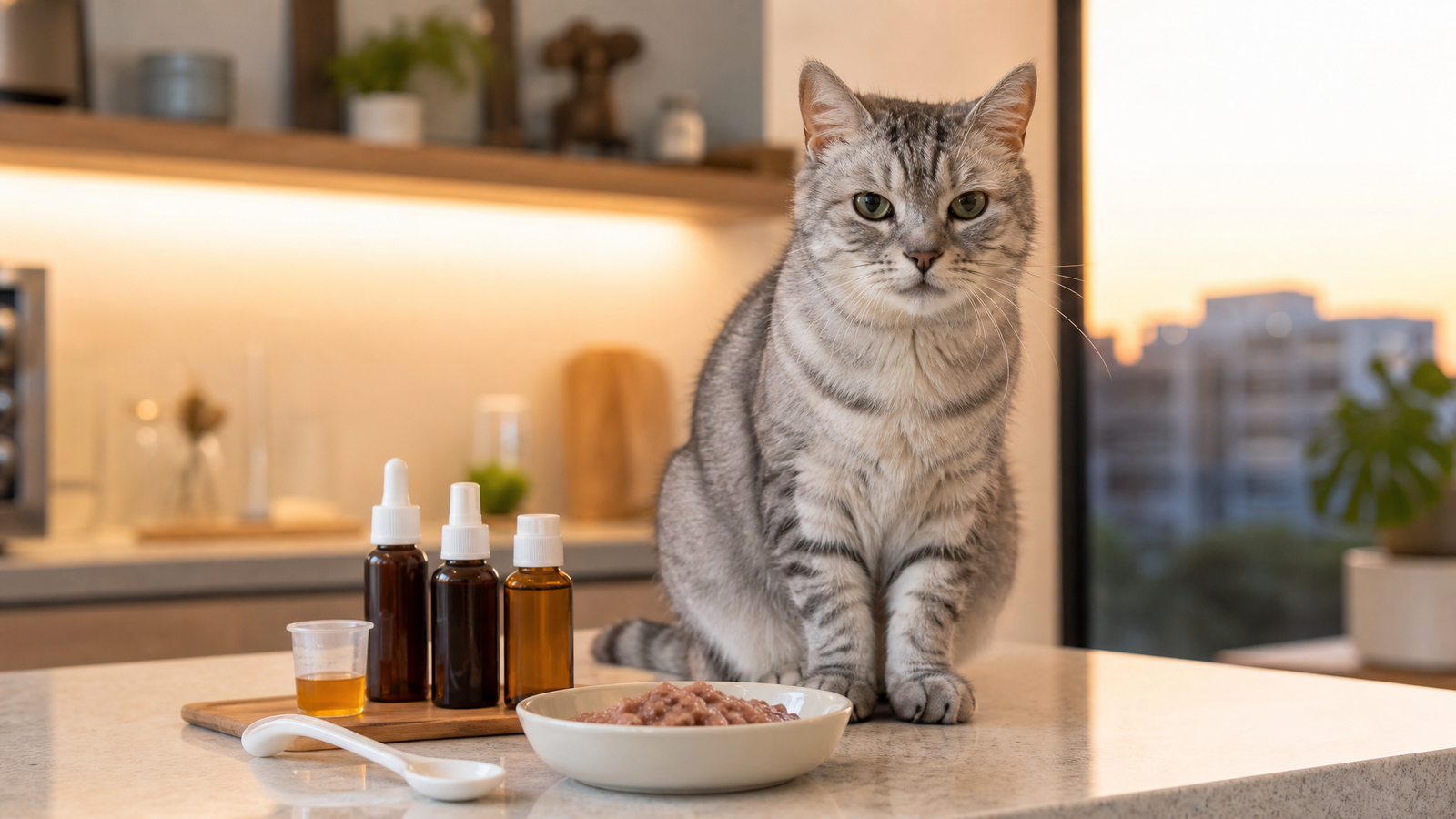
- Cats enter their senior years around age 7 and become elderly around age 11. Annual health check-ups are recommended at least once or twice a year.
- When first introducing senior cat supplements, start with 1/4 to 1/2 of the recommended dosage. Mixing in a small amount of wet food can help reduce resistance.
- To avoid over-supplementation and accurately assess effectiveness, it's recommended to introduce only one new supplement at a time and observe for 2 to 4 weeks.
- For senior cats with chronic kidney disease, diabetes, pancreatitis, heart disease, or urinary tract issues, owners should not add large amounts of supplements on their own. Consult a veterinarian first.
Why Have Nutritional Supplements for Senior Cats Suddenly Become So Popular?
In recent years, many owners have started searching for nutritional supplements for senior cats, especially liquid formulas, joint support, digestive aids, and appetite enhancers. The reason is simple: as cats enter their senior years, their activity levels, muscle mass, water intake, and appetite may gradually change. Owners hope to stabilize their condition with daily nutrition before diseases appear.
However, more supplements aren't always better, nor should you buy something just because it says "for senior cats." The most important thing is to first consider the cat's age, body condition, existing illnesses, and diet before deciding if supplementation is necessary. Cats with kidney disease, diabetes, pancreatitis, or urinary tract issues should not have supplements added without veterinary guidance.
At What Age Should You Start Paying Attention to a Senior Cat's Nutrition?
Generally, cats around 7 years old can be considered seniors, and those around 11 years old are entering their geriatric stage. However, age is just a reference; the real indicators are changes in their daily behavior. For example, weight loss, difficulty jumping to high places, a dull coat, more noticeable pickiness with food, changes in water consumption, or drier stools can all signal changes in nutritional status or overall health.
If your cat is simply getting older but remains energetic, has a good appetite, stable weight, and normal elimination, there's no urgent need to start many supplements. Conversely, if weight loss or decreased appetite is occurring, a health check-up should be scheduled first to rule out underlying diseases, and then you can discuss appropriate nutritional strategies with your veterinarian.
What we use for this
CatGarden’s own products, shipped from Taiwan Quick-Dry Pet TowelFrom CA$49.35 per pieceFree shipping on multi-packs
Which Cats Are Suitable for Liquid Nutritional Supplements?
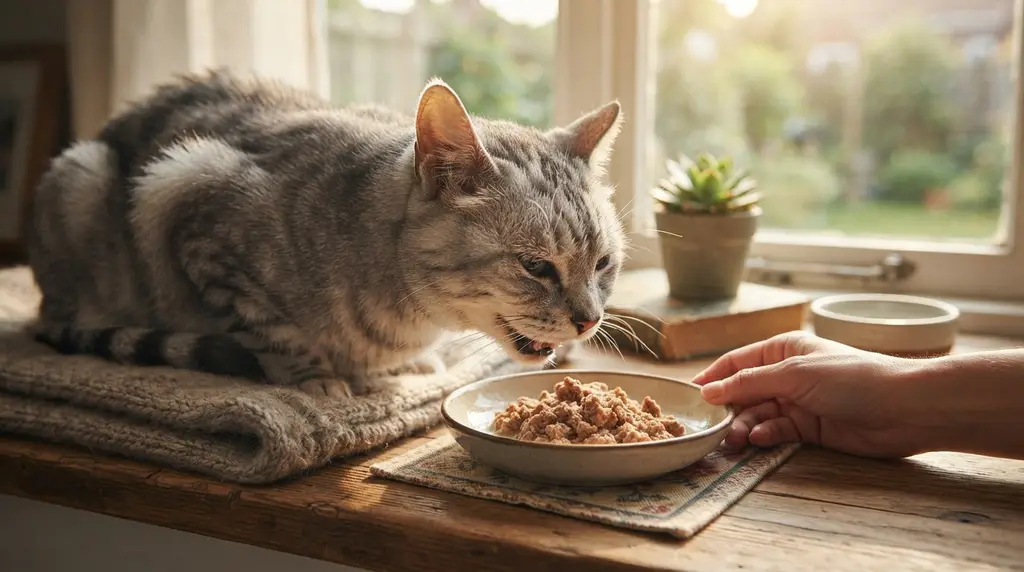
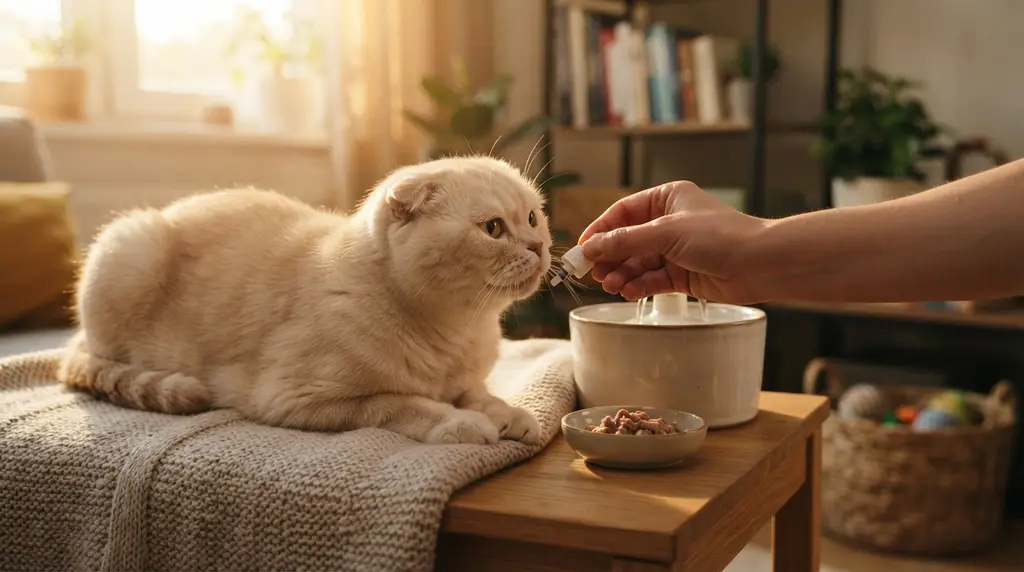
Liquid supplements have recently gained a lot of attention primarily because their palatability is usually better than tablets or capsules, and they are easier to mix into wet food or pâté. For senior cats who are picky eaters, have dental issues, or are difficult to medicate, liquid formulas are indeed more user-friendly.
- Picky Eaters: Can be mixed in small amounts with wet food to reduce resistance.
- Cats with Dental Problems: No need to chew, reducing feeding stress.
- Cats Who Drink Little Water: Can be given with wet food to encourage hydration.
- Cats Needing Short-Term Support: Such as during seasonal changes or post-operative recovery, but still requires veterinary assessment.
It's important to note that liquid doesn't automatically mean safe. Some products, to enhance palatability, may contain more flavorings, fats, sugars, or high sodium ingredients. Senior cats have reduced metabolic capacity, so before long-term use, it's best to check the ingredient list and recommended daily dosage.
5 Key Points for Choosing Nutritional Supplements for Senior Cats
1. Confirm the Completeness of Their Main Diet First
Nutritional supplements can only complement, not replace, the main diet. If a cat is consistently fed incomplete wet food, treats, or human food, nutritional imbalances can occur even with added supplements. Senior cats should have a foundation of wet food, dry kibble, or a fresh food diet that meets their nutritional needs.
2. Clearly Check Active Ingredients and Amounts
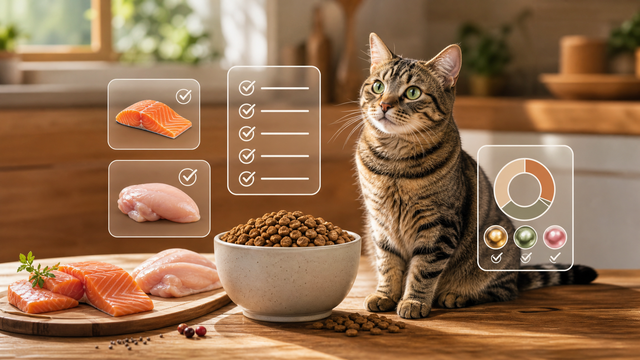
Good products will clearly list ingredients, amounts, feeding guidelines, and target users. If a product only claims to "boost energy" or "enhance immunity" without specific ingredients, it's best to be cautious. Common areas of focus for senior cat supplements include Omega-3 fatty acids, probiotics, joint support, taurine, and B vitamins, but the need for each depends on the individual cat's situation.
3. Avoid Using Too Many Products at Once
Many owners buy supplements for joints, digestion, skin, immunity, and urinary health simultaneously. This can lead to over-consumption of certain nutrients and makes it difficult to determine which product is actually effective. It's recommended to introduce only one new product at a time and observe for 2 to 4 weeks before evaluating whether to continue.
4. Consult Your Veterinarian First for Chronic Conditions
The most common issues in senior cats include chronic kidney disease, diabetes, hyperthyroidism, heart disease, and joint degeneration. Some supplements may affect calorie intake, mineral balance, protein levels, or medication absorption. Therefore, cats with chronic illnesses should not blindly follow general recommendations.
5. Palatability is Important, But Don't Rely Solely on Your Cat's Preference
It's important that your cat is willing to eat, but if a product relies heavily on strong flavors to attract them, it might make them even pickier in the long run. It's advisable to start with a low dose, choose products with clear labeling, complete brand information, and traceable sources, and avoid treating supplements as unlimited daily snacks.
Daily Feeding Recommendations for Senior Cats
If you want to supplement your senior cat's nutrition, the safest approach is to keep records. Weigh them regularly each week and monitor their appetite, water intake, urine output, stool consistency, activity level, and coat condition. If any of these consistently worsen, don't just rely on supplements; find the underlying cause first.
- Start by feeding 1/4 to 1/2 of the recommended dose.
- Mix with a small amount of wet food to prevent complete rejection of the meal.
- Monitor for vomiting, soft stools, itchy skin, or changes in appetite.
- Do not use multiple high-calorie nutritional pastes as daily treats.
- Schedule at least 1 to 2 health check-ups per year.
Frequently Asked Questions (FAQ)
Do Senior Cats Absolutely Need Nutritional Supplements?
Not necessarily. If their main diet is complete, their weight is stable, and their energy and appetite are normal, they may not need extra supplements. If there are noticeable signs of aging or health changes, it's recommended to get a check-up before choosing products.
Can Liquid Supplements Be Given Daily?
It depends on the product's ingredients and the cat's health status. General wellness products can be given according to the label. However, for cats with chronic illnesses, those on medication, or those with abnormal kidney values, consult your veterinarian first.
Can Nutritional Pastes Be Used to Supplement Calories for Picky Senior Cats?
They can be used as a short-term supplement but cannot replace regular meals long-term. If pickiness is accompanied by weight loss, vomiting, bad breath, or lethargy, dental, kidney, gastrointestinal, or endocrine issues should be ruled out first.
How Do I Know if a Supplement is Working?
It's recommended to introduce only one new product at a time and record weight, appetite, stool, activity level, and coat condition. If there's no improvement after several weeks of observation, or if adverse effects occur, stop the supplement and consult a professional.
CatGarden | A luxury cat-only hotel in Banqiao, offering boarding and grooming services.
Further Reading
- How to Choose Cat Churu: Low Sodium, Grain-Free, and Senior Treat Guide 2026
- What to Do if Your Cat Drinks Too Little Water? 7 Ways to Increase Water Intake and Key Points for Urinary Tract Prevention 2026
- Cat Diabetes Management Guide: Early Signs, Dietary Control, and Insulin Care Essentials 2026
Conclusion: Supplements Should Be Tailored to the Individual Cat
The key to nutritional supplements for senior cats isn't buying the most, but buying the right amount, feeding safely, and observing closely. Prioritizing their main diet, hydration, weight management, and regular health check-ups, then choosing supplements for genuinely needed areas, is the most stable way to care for your senior cat.
If you have upcoming travel, are moving, or are concerned about your senior cat's unstable eating habits at home, you can also consider cat boarding and professional care services. Caretakers can assist in recording appetite, elimination, and daily status, helping you detect changes earlier.
→ Learn about CatGarden Professional Cat Grooming Services
FAQ
Do senior cats absolutely need supplements?
Not necessarily. If the cat's main diet is complete, their weight is stable, and their energy and appetite are normal, extra supplements may not be needed. If there are changes in weight or appetite, a health check-up is recommended to determine the cause.
Which cats are suitable for liquid supplements?
Liquid supplements are palatable and easy to administer, making them suitable for picky eaters, cats with dental issues who don't need to chew, cats who drink little water, and those needing short-term nutritional support during seasonal changes or after surgery.
Can high-calorie nutritional paste replace meals for picky senior cats?
No. Nutritional paste can be a short-term supplement but cannot replace regular meals long-term. If picky eating is accompanied by weight loss, vomiting, or bad breath, seek veterinary attention to rule out dental, kidney, or gastrointestinal diseases.
How can I assess if the supplements given to my cat are effective?
It's recommended to introduce only one new product at a time. Weigh your cat weekly and record their appetite, bowel movements, activity level, and coat condition. If there's no improvement after several weeks or if adverse effects like vomiting or soft stools occur, stop the supplement and consult a professional.
CatGarden offers curated supplies, cat boarding, and grooming
Book services or shop online.