Cat Diabetes Management Guide: Early Signs, Diet Control, and Insulin Care Essentials
Why is Cat Diabetes Suddenly a Hot Topic in 2026? Recent discussions in the international veterinary community about the 2026 AAHA Cat Diabetes Management Guidelines have brought "cat diabetes" back into the spotlight for pet owners. The reason is straightforward: diabetes doesn't just affect humans; cats can also develop abnormal blood sugar regulation due to age, weight, activity levels, diet, and other endocrine issues.

Key takeaways
- Typical early signs of feline diabetes include a noticeable increase in water intake, more frequent urination, increased appetite despite weight loss, poor coat condition, and weakness or unsteadiness in the hind legs.
- Diagnosing feline diabetes cannot rely on a single blood glucose reading. Veterinarians need to conduct a comprehensive assessment combining medical history, physical examination, blood and urine tests, and fructosamine levels to rule out temporary hyperglycemia caused by stress.
- Dietary changes directly impact blood sugar. If insulin therapy has begun, do not make sudden, significant changes to the diet to avoid the risk of hypoglycemia.
- If your cat exhibits symptoms of hypoglycemia such as weakness, tremors, unsteadiness, confusion, or seizures, seek immediate veterinary attention as directed; never adjust insulin dosage on your own.
Why is Cat Diabetes Suddenly a Hot Topic in 2026?
Recent discussions in the international veterinary community about the 2026 AAHA Cat Diabetes Management Guidelines have brought "cat diabetes" back into the spotlight for pet owners. The reason is straightforward: diabetes doesn't just affect humans; cats can also develop abnormal blood sugar regulation due to age, weight, activity levels, diet, and other endocrine issues.
What's more troublesome is that cats are very good at hiding their discomfort. Many owners initially just notice their cat "drinks a bit more lately," "the litter box is wetter," or "they're getting thinner but still eating." By the time their energy levels drop, hind leg weakness appears, or they become dehydrated, more aggressive medical intervention is often required.
This article will explain early signs of cat diabetes, diagnostic methods, dietary control, insulin care, and daily observation points in a way that owners can understand, helping you detect problems earlier and work with your veterinarian to create a safe plan.
Common Early Signs of Cat Diabetes
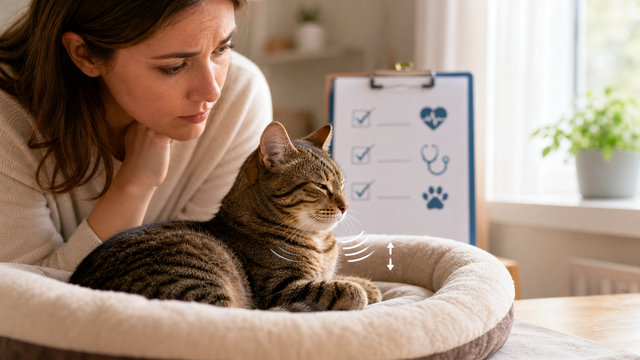
The most typical clues for cat diabetes are usually related to "water, urine, appetite, and weight." If your cat exhibits any of the following, it's recommended not to just observe for a long time but to schedule a veterinary check-up.
- Noticeably increased water intake: The water bowl empties faster than before, or they start actively seeking water.
- Increased urine volume: Litter clumps become larger and heavier, requiring more frequent scooping.
- Increased appetite but weight loss: They seem to eat a lot, but their body shape becomes thinner.
- Deterioration of coat condition: Fur becomes greasy, messy, with reduced grooming frequency.
- Hind leg weakness: Changes in gait, hind limbs seem unstable or walk in a crouched position.
These symptoms don't necessarily all point to diabetes; they could also be related to kidney disease, thyroid issues, urinary tract problems, or stress. The key is: if the changes persist, they warrant investigation.
Which Cats Need More Attention?
Any cat can develop blood sugar issues, but some groups are at higher risk. Senior cats, overweight cats, less active indoor cats, and those on long-term medication or with chronic inflammatory conditions require more consistent health monitoring.
If your cat already has obesity, pancreatitis, chronic oral inflammation, or other endocrine diseases, blood sugar, urine glucose, and weight records should be included in their annual check-ups. For multi-cat households, it's also advisable to observe each cat's drinking and urination separately, rather than just looking at the overall litter box condition.
How Does a Veterinarian Typically Diagnose?
Diagnosing cat diabetes cannot rely on a single blood glucose reading, as a cat's blood sugar can temporarily rise due to stress at the vet's office. Veterinarians usually combine medical history, physical examination, blood tests, urine tests, and indicators like fructosamine to comprehensively assess whether there is persistent hyperglycemia.
What Records Should You Prepare in Advance?
- Weight changes over the past 2 to 4 weeks.
- Daily water intake or frequency of drinking.
- Litter clump size, urine volume, and urination frequency.
- Changes in appetite, energy levels, vomiting, diarrhea, or gait.
- A list of current main food, treats, supplements, and medications.
This information can help the veterinarian quickly determine the direction of the problem and avoid missing important clues due to relying solely on memory.
Diet Control is a Core Part of Management
Diabetes management in cats often involves dietary adjustments, but please do not make drastic food changes suddenly on your own, especially for cats already on insulin therapy. Dietary changes affect blood sugar, and without corresponding medication adjustments, they can increase the risk of hypoglycemia.
Generally, veterinarians may discuss suitable food types, calorie control, and weight loss speed based on the cat's condition, kidney status, pancreatic health, and overall medical history. If the cat is overweight, the goal is not rapid weight loss but a safe, stable reduction of fat burden.
Key Points for Home Feeding
- Maintain fixed feeding times, avoiding inconsistent amounts.
- Reduce high-calorie treats and extra pureed foods.
- Record daily food intake; contact your vet immediately if they suddenly stop eating.
- In multi-cat households, it's best to feed separately to prevent the diabetic cat from stealing other cats' food.
What to Pay Attention to with Insulin Care?
If your veterinarian determines that insulin therapy is necessary, the most important thing for owners is to learn how to store, draw, inject, and observe the cat's response correctly. Do not adjust the dosage on your own, and don't give an extra dose just because the blood sugar looks high on a particular day.
Hypoglycemia is a condition that requires special caution. If your cat shows signs of weakness, trembling, unsteadiness, confusion, or seizures, follow the emergency procedures your veterinarian has taught you and seek immediate veterinary care.
Many cats can achieve better blood sugar control with stable treatment, dietary management, and weight management; however, whether medication can be reduced or stopped must be decided by the veterinarian based on follow-up results.
Daily Care Checklist: Spotting Risks Early
- Weigh your cat regularly each week, recording trends rather than single numbers.
- Observe any changes in water intake, urination, appetite, and energy levels.
- Attend regular follow-up appointments to monitor blood sugar and urine status.
- Maintain moderate activity, such as with feather wands, puzzle feeders, and vertical spaces.
- Before boarding or traveling, confirm the procedures for medication administration, injections, and dietary handovers.
If your cat requires boarding care, be sure to inform the facility in advance about their medical history, medication schedule, dietary restrictions, and emergency contact information. Diabetic cats can be boarded, but they require a clearer care plan.
Frequently Asked Questions FAQ
Can Cat Diabetes Be Cured?
Some cats may show improved blood sugar levels, even entering remission, after early detection, stable treatment, weight control, and dietary management. However, whether medication can be discontinued must be evaluated by a veterinarian and cannot be decided by the owner.
Does Increased Drinking in Cats Always Mean Diabetes?
Not necessarily. Increased drinking can also be related to kidney disease, thyroid disease, urinary problems, weather, or changes in the water content of their diet. If the changes persist, blood and urine tests are recommended.
Can Diabetic Cats Eat Treats?
Treats usually need to be restricted in type and quantity, especially high-calorie, high-carbohydrate, or irregularly fed snacks. The safest approach is to list all treats for your veterinarian to review.
Does Insulin Need to Be Injected Daily?
Whether daily injections are needed, how many times a day, and the dosage all depend on the veterinarian's diagnosis and follow-up results. Owners should not adjust these on their own to avoid uncontrolled hyperglycemia or the danger of hypoglycemia.
CatGarden | Luxury Cat Hotel in Banqiao, offering boarding and grooming services.
Further Reading
- 2026 Comprehensive Guide to Cat Health Check-ups: Items, Frequency, and Preparation
- New Drug for Chronic Kidney Disease in Cats Coming Soon? What Owners Need to Know in 2026: Early Signs, Diagnosis, and Daily Care
- 2026 What to Do If Your Cat Drinks Too Little Water? 7 Ways to Increase Water Intake and Key Points for Urinary Tract Prevention
- Can Cats Sleep With You? 2026 Guide to Zoonotic Diseases, Allergies, and Safe Co-sleeping
Conclusion: The Earlier the Detection, the Better the Chance for Stable Control
Cat diabetes may sound serious, but what's truly frightening is discovering it too late. As long as you are willing to record changes in water intake, urine volume, appetite, weight, and energy levels, and seek veterinary care promptly when abnormalities occur, you can give your cat a better chance for care.
If you are arranging cat boarding, long-term travel, or need to hand over special care instructions, feel free to communicate your cat's medical history and care needs with the cattery in advance, ensuring your cat is cared for with peace of mind within their familiar routine.
→ Learn about CatGarden's full range of house brand products
FAQ
Is it possible for cats with diabetes to be cured or stop medication?
Some cats, with early detection, stable treatment, weight management, and dietary control, may see their blood sugar improve or even enter remission. However, whether medication can be reduced or stopped must be evaluated by a veterinarian; owners should not make this decision independently.
Does a noticeable increase in a cat's water intake definitely mean they have diabetes?
Not necessarily. Increased water intake can also be related to kidney disease, thyroid issues, urinary problems, changes in weather, or alterations in food moisture content. If the change persists, it is recommended to seek veterinary care for blood and urine tests.
What records should owners prepare before a veterinary visit for a diabetic cat?
It is recommended to prepare records of recent weight changes (2-4 weeks), daily water intake or drinking frequency, litter box clump size and urination frequency, appetite, energy levels, gait changes, and a list of current main food, treats, supplements, and medications.
Can diabetic cats still eat treats after diagnosis?
Generally, the types and amounts of treats need to be restricted, especially high-calorie or irregularly fed snacks. The safest approach is to provide your veterinarian with a complete list of all treats for their confirmation.
CatGarden offers curated supplies, cat boarding, and grooming
Book services or shop online.