Cat Health Checkup Guide: Understanding Tests, Frequency, and Preparation
Why is a cat health checkup more important in 2026? Cats are adept at hiding discomfort, often only seeking veterinary care when they stop eating, vomit, or can't urinate, by which time conditions like kidney disease, dental issues, diabetes, thyroid problems, or urinary tract issues may have progressed significantly.

Key takeaways
- Healthy adult cats aged 1-7 years should have an annual health check-up. Senior cats over 7 years old, due to increased risk of chronic diseases, should be checked every six months.
- 3 to 7 days before the check-up, record your cat's appetite, water intake, urination, defecation, and weight changes. However, kittens, diabetic cats, and cats with chronic illnesses should not stop eating on their own; consult your vet first about fasting requirements.
- If your cat shows symptoms such as not eating for over 24 hours, decreased urine output or inability to urinate, continuous vomiting, or rapid breathing, these are emergency situations. Do not wait for a routine check-up; seek veterinary care immediately.
- If your budget for health check-ups is limited, it is recommended that adult cats prioritize blood and urine tests. For senior cats, blood pressure, thyroid, and kidney-related indicators should be prioritized.
Why is a Cat Health Checkup More Important?
Cats are masters at hiding discomfort. They often only seek veterinary care when they stop eating, vomit, or can't urinate. By this point, conditions like kidney disease, dental issues, diabetes, thyroid problems, or urinary tract issues may have progressed significantly. The value of a cat health checkup isn't just for when they're sick, but for identifying risks early, making treatment simpler and more manageable financially.
Common issues for indoor cats in Taiwan include insufficient activity, low water intake, weight gain, and accumulated stress. The rainy season leading into summer can also bring about skin problems, ear infections, fungal issues, and urinary discomfort. Regular checkups are like an annual safety inspection, helping you understand if there are underlying chronic changes behind the "looks fine" facade.
How Often Should a Cat Have a Health Checkup?
Kittens: Building a Strong Foundation
Kittens typically undergo checkups in conjunction with vaccinations, deworming, and spay/neuter assessments. If you've just adopted a cat, or if they're coming from outdoors or a shelter, it's recommended to first check their weight, gums, ear mites, and gastrointestinal parasites. Screening for infectious diseases like Feline Leukemia Virus (FeLV) and Feline Immunodeficiency Virus (FIV) may also be necessary.
Adult Cats (1-7 Years Old): Once a Year
Healthy adult cats are recommended to have a yearly health checkup. This should include at least a physical examination, weight check, oral assessment, blood work, and urinalysis. If your cat is a picky eater, vomits frequently, drinks little water, has changes in litter box habits, or suddenly loses weight, don't wait for the annual checkup.
Senior Cats (7+ Years Old): Twice a Year
Senior cats have an increased risk of kidney disease, heart problems, joint issues, dental disease, and endocrine disorders. An annual checkup might be too long for older cats; a checkup every six months is recommended for monitoring. If your cat already has chronic kidney disease, diabetes, hyperthyroidism, or heart disease, the frequency will be determined by your veterinarian.
What Are Common Health Checkup Items?
- Physical Examination: Listening to the heart and lungs, palpation, weight measurement, and checking eyes, ears, mouth, nose, skin, and lymph nodes.
- Blood Tests: To assess for anemia, infection, liver and kidney function, blood sugar levels, and inflammation.
- Urinalysis: Particularly important for cats, this helps detect decreased kidney concentrating ability, crystals, urinary tract infections, or diabetes.
- X-rays or Ultrasound: To evaluate the heart, lungs, abdominal organs, bladder stones, kidney structure, or gastrointestinal foreign bodies.
- Blood Pressure and Thyroid Tests: Recommended for senior cats, as hypertension and hyperthyroidism are often overlooked.
- Dental Examination: Periodontal disease can cause pain, bad breath, and decreased appetite, and may also increase systemic inflammation.
When Should You Not Wait for a Checkup?
Regular checkups cannot replace the assessment of acute conditions. If your cat exhibits any of the following changes, it's recommended to contact your veterinarian immediately:
- Significant lack of appetite or lethargy for over 24 hours.
- Frequent trips to the litter box, decreased urine output, blood in urine, or suspected inability to urinate.
- Rapid weight loss, sudden increase in water intake.
- Continuous vomiting, diarrhea, open-mouth breathing, or rapid breathing.
- Sudden hiding, limping, increased aggression, or aversion to being touched.
Especially for male cats, inability to urinate can be a critical emergency and should not be merely observed. Small changes in your cat's behavior can often be a cry for help.
How to Prepare for a Health Checkup?
Record Daily Changes
In the 3-7 days leading up to the appointment, record their appetite, water intake, litter box usage (size of clumps), bowel movements, weight, and frequency of vomiting. For multi-cat households, take photos of the litter box, vomit, or any unusual behavior to help the veterinarian make a diagnosis.
Ask About Fasting Requirements
Some blood tests or imaging procedures require fasting. However, fasting is not suitable for kittens, diabetic cats, or cats with chronic illnesses. Inquire with the clinic when booking your appointment and do not stop medications or change their diet abruptly on your own.
Reduce Travel Stress
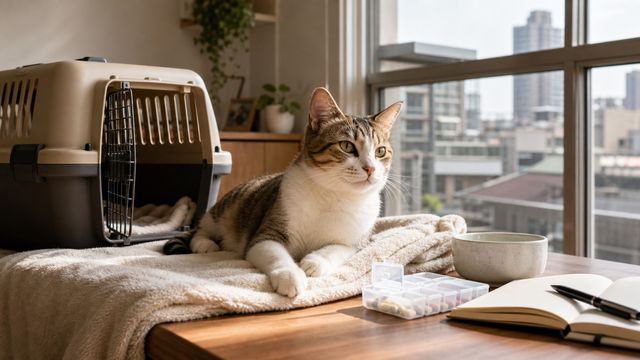
You can place the carrier in your home beforehand and line it with a familiar blanket. For anxious cats, ask about the suitability of pheromones, scheduling during quieter times, or other stress-reduction methods.
How to Budget for Costs?
The cost of a cat health checkup varies depending on the clinic, location, and specific tests performed. Basic physical exams and simple blood tests are less expensive. Adding urinalysis, X-rays, ultrasound, blood pressure, or thyroid and cardiac assessments will increase the cost. It's recommended not to solely focus on the cheapest option, but to ensure the proposed package meets your cat's age and medical history.
If your budget is limited, adult cats can prioritize blood and urine tests. For senior cats, it's recommended to include blood pressure, kidney-related indicators, and thyroid tests. Performing the right tests is more important than performing the most tests.
Conclusion: Make Health Checkups a Habit of Early Detection
Kittens should focus on vaccinations and basic screenings. Adult cats need annual checkups, and senior cats are best monitored every six months. It's also important to observe their appetite, urine output, weight, water intake, and behavior daily. The more you understand their daily routine, the earlier you can detect abnormalities.
If you have an upcoming business trip, move, or boarding arrangement, you might also consider completing a basic health checkup beforehand to ensure your cat is stable before leaving them in someone else's care. CatGarden offers boarding and daily care services for cats, as well as nutritional supplements and supplies suitable for picky eaters and cats with sensitive stomachs, ensuring your cat's quality of life is maintained through health checkups, care, and a secure environment.
Frequently Asked Questions (FAQ)
Does a cat health checkup require immediate veterinary attention?
If your cat shows signs of lethargy, significantly decreased appetite, abnormal breathing, persistent vomiting or diarrhea, abnormal urination, or rapidly worsening symptoms, it's recommended not to just observe at home. Contact your veterinarian as soon as possible to arrange an examination.
How long can I observe at home?
If the symptoms are mild, temporary, and your cat's energy and appetite are normal, you can observe for 24 hours and record any changes. However, for kittens, senior cats, cats with chronic illnesses, or when multiple symptoms occur simultaneously, it's advisable to seek veterinary care sooner.
What is most important in daily care?
Consistent diet, clean drinking water, good environmental hygiene, stress reduction, and regular health checkups are the fundamental preventive measures for most cat health issues. If there are specific disease risks, care should be adjusted according to veterinary recommendations.
Can this article replace a veterinary diagnosis?
No. This article provides reference for owners to assess and care for their cats; it cannot replace actual examinations, tests, and veterinary diagnoses. If symptoms persist or you are unsure about the severity, the safest course of action is to seek professional veterinary assistance.
CatGarden | Luxury Cat Hotel in Banqiao, offering boarding and grooming services.
Further Reading
- What Are the Common Diseases in Russian Blue Cats? Veterinarian Explains 6 Major Issues and Prevention Methods
- Is Your Cat's Eye Cloudy Due to Cataracts? Veterinarian Teaches You 5 Early Symptoms, Causes, and Treatment Guide
- Are Tabby Cats Gentle or Temperamental? Experienced Cat Owner Reveals 5 Common Personality Types
→ Explore CatGarden's Full Range of Own Brand Products
FAQ
How often should cats have a health check-up?
Healthy adult cats aged 1-7 years are recommended to have an annual check-up. Senior cats over 7 years old, due to increased risks in various organ and endocrine functions, should be checked every six months.
Do I need to fast my cat before a health check-up?
Some blood tests or imaging may require fasting. However, kittens, diabetic cats, and cats with chronic illnesses are not suitable for self-imposed fasting. It is recommended to confirm specific requirements with your veterinary clinic when scheduling the appointment.
What situations require immediate veterinary attention and cannot wait for a routine check-up?
If your cat stops eating for over 24 hours or becomes lethargic, frequently visits the litter box and appears unable to urinate, experiences rapid weight loss, has continuous vomiting, or is breathing rapidly, contact your veterinarian immediately.
If my budget for a health check-up is limited, which tests should I prioritize?
For adult cats, prioritizing blood and urine tests is recommended. For senior cats, it is advised to prioritize assessments of blood pressure, kidney-related indicators, and thyroid function.
CatGarden offers curated supplies, cat boarding, and grooming
Book services or shop online.