Can AI Analyze Cat Health from Photos? Understanding Stress, Pain, and When to Seek Veterinary Care
What are cat AI health apps analyzing? Limitations of photos, expressions, and daily changes. In recent years, many owners have used cat AI health apps to take photos of their cats, wondering if they are too stressed, in pain, or unwell.
Key Takeaways
- Cat AI health apps typically analyze facial expressions, eye openness, ear angle, posture, and activity logs. They can also incorporate weight, water intake, or elimination data to provide a health score or risk alert. However, these tools only reflect the cat's current state and cannot substitute for veterinary physical exams, blood tests, urine tests, or imaging.
- If your cat exhibits open-mouth breathing, rapid breathing, noticeable chest or abdominal movement, or pale or purplish gums, contact a veterinarian or emergency clinic immediately. Do not wait for AI analysis.
- Be concerned if an adult cat stops eating for more than a day. For kittens, senior cats, or those with chronic illnesses, delaying veterinary care is even more critical.
- If a male cat frequently enters and exits the litter box, squats for a long time without urinating, cries out in pain, or licks his genitals, it could indicate a urinary tract blockage. This cannot be diagnosed by an app, nor should you simply try changing the water or litter.
- The most practical role for AI is to transform scattered observations into records. Before a vet visit, compile photos, videos, food intake, water consumption, urination/defecation habits, weight, and any unusual behaviors from the past 3 to 7 days to help the vet understand changes more quickly.
What Do Cat AI Health Apps Analyze? Limitations of Photos, Expressions, and Daily Changes
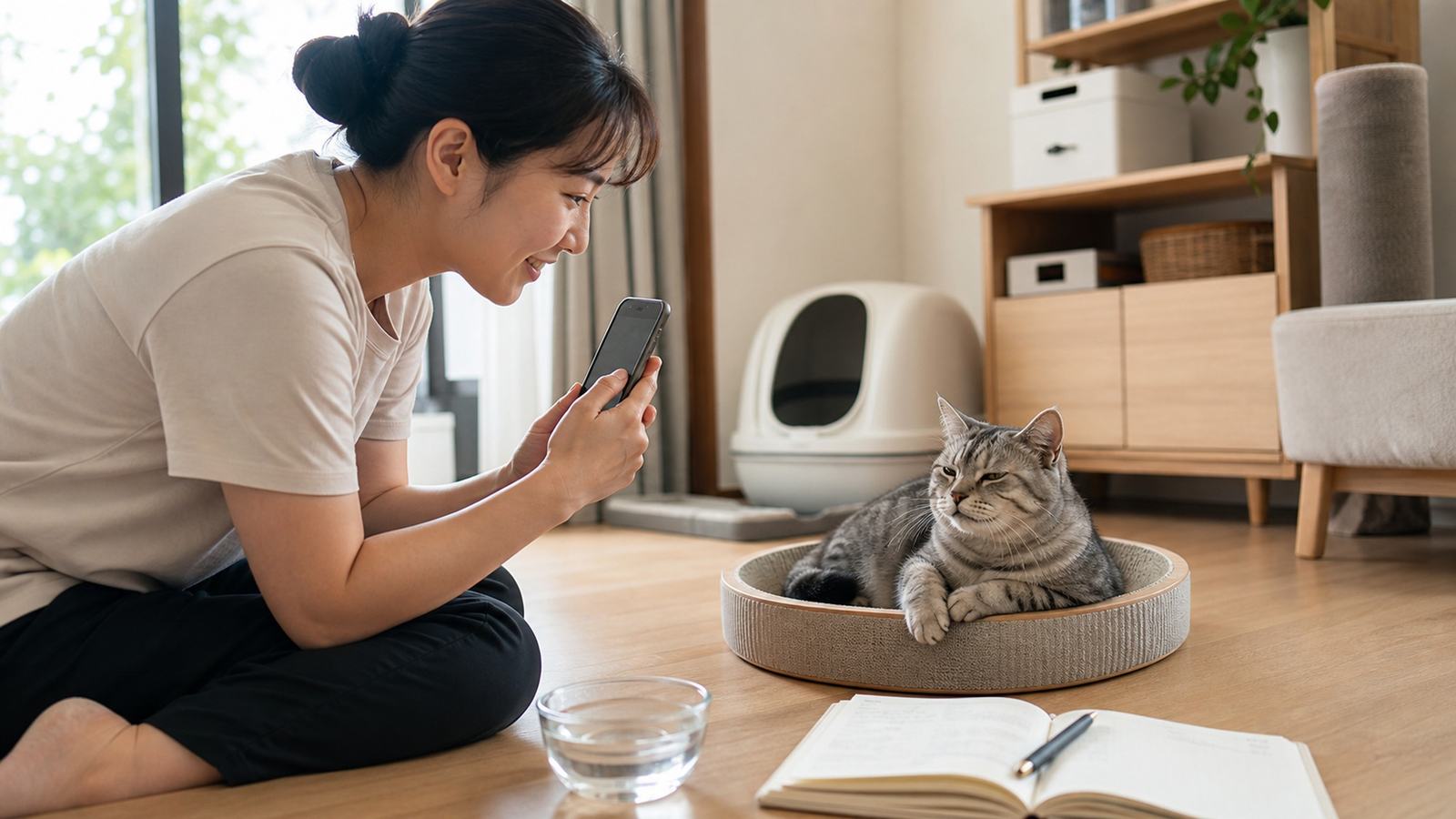
In recent years, many owners have used cat AI health apps to take photos of their cats, wondering if they are too stressed, in pain, or unwell. These tools typically analyze facial expressions, eye openness, ear angle, posture, and activity logs. They may even incorporate weight, water intake, or elimination data to provide a health score or risk alert.
However, what a photo can show is only the "current state," not a complete diagnosis. Cats are naturally adept at hiding discomfort. Your cat might appear normal in front of the camera but could actually have a decreased appetite or abnormal urination. Cat AI is best used as a reminder tool and cannot replace veterinary physical exams, blood tests, urine tests, or imaging.
What Photos Most Easily Overlook
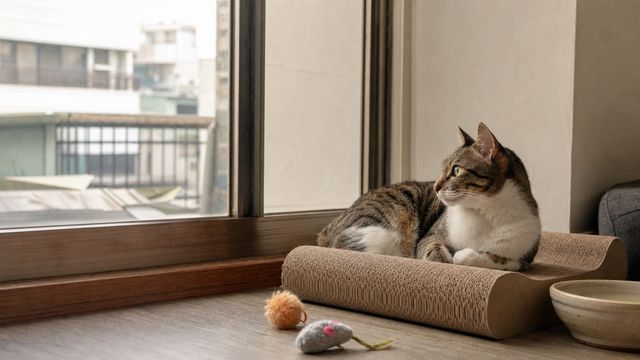
Photo quality, lighting, angle, fur color, and breed can all affect interpretation. For brachycephalic (flat-faced) cats, long-haired cats, and black cats, facial details are inherently harder to discern from a photo. In Taiwan's humid and hot summers, a cat lying still might simply be hot, tired, or uncomfortable with its environment, not necessarily sick.
What we use for this
CatGarden’s own products, shipped from Taiwan Premium CatnipFrom CA$36.65 per jarFree shipping on multi-packs
If AI Indicates High Stress or a Lower Health Score, What Should Owners Check First?
If your cat's AI health app shows high stress levels, don't jump to conclusions immediately. Owners should review recent changes such as moving house, renovations, a new family member, a change in litter or food, or the relocation of the litter box. Cats are highly sensitive to environmental changes, especially in limited urban living spaces where inadequate pathways and hiding spots can lead to increased tension.
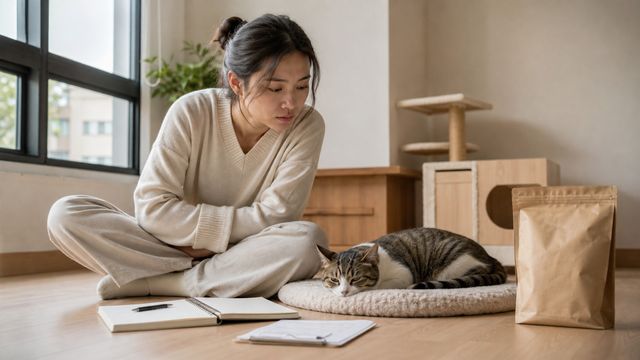
Also, observe if daily behaviors have changed in conjunction. Is your cat hiding more, excessively grooming, suddenly aggressive, meowing more, changing sleep patterns, or unwilling to be touched in a specific area? When the AI score drops and these behavioral changes occur simultaneously, it's worth documenting more carefully, rather than just focusing on a single score.
Perform Three Basic Checks First
- Environment: Is the litter box clean? Is there a quiet resting place? Is the home too hot or humid?
- Diet: How much has your cat eaten today? Has water intake increased or decreased? Has it suddenly become a picky eater?
- Elimination: Are the urine volume, clump size, defecation frequency, and stool shape different from usual?
When Not to Wait for AI Analysis: Red Flags for Breathing, Appetite, and Well-being
Some situations cannot wait for a cat AI app's analysis and are not suitable for home observation alone. If your cat exhibits open-mouth breathing, rapid breathing, noticeable chest or abdominal movement, or pale or purplish gums, you should contact a veterinarian or emergency clinic as soon as possible. Abnormal breathing in cats is usually serious, and delays can rapidly increase the risk.
Appetite is also a critical boundary. If an adult cat clearly stops eating for more than a day, or if a kitten, senior cat, or chronically ill cat suddenly stops eating, delaying veterinary care is not recommended. If your cat becomes very lethargic, unsteady on its feet, is vomiting continuously, has bloody diarrhea, or appears unable to urinate, seek immediate veterinary attention.
Pay Special Attention to Urinary Issues
If a male cat frequently enters and exits the litter box, squats for a long time without urinating, cries out in pain, or licks his genitals, it could indicate a urinary tract blockage. This condition cannot be diagnosed by an app, nor should you simply try changing the water or litter. In Taiwan's humid seasons, coupled with insufficient water intake, urinary problems require daily attention.
How to Turn AI Tools into a Record-Keeping Assistant Before a Vet Visit
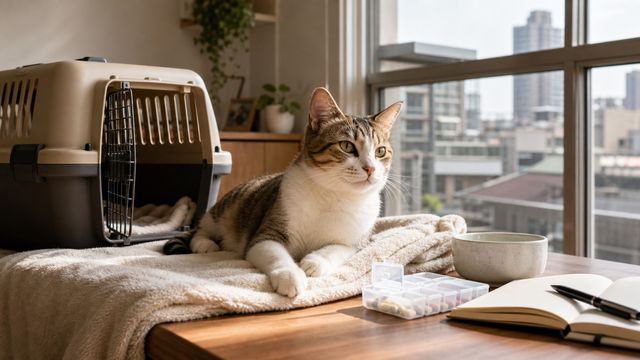
The most practical role for cat AI is to help owners transform scattered observations into records. Before a vet visit, you can compile photos, videos, food intake, water consumption, urination/defecation habits, weight, and any unusual behaviors from the past 3 to 7 days. This allows the veterinarian to understand changes more quickly. Specific data is more helpful for diagnosis than simply saying, "He's acting strange."
When taking photos, it's recommended to use a consistent angle and time, such as taking photos of the face, walking posture, and standing posture before dinner each day. For videos, you can record their walking, jumping up and down, eating, and behavior after using the litter box. These records do not need editing, nor should you deliberately try to elicit expressions from your cat; the closer they are to daily life, the more valuable they are.
Key Points to Prepare for the Vet Before Your Visit
- Onset Time: Did the abnormality appear today, or has it been ongoing for several days?
- Magnitude of Change: How much has appetite, urine volume, activity level, and weight deviated from the norm?
- Visual Records: Clear photos and short videos are more useful than vague descriptions.
- Tool Results: You can provide AI trends, but do not treat them as diagnostic conclusions.
Daily Health Monitoring Checklist for Taiwanese Owners: Water Intake, Litter Box, and Weight
Daily health monitoring doesn't need to be complicated; the key is consistency and comparability. Taiwan's hot summers and humid rainy seasons can easily affect a cat's water intake, skin condition, and litter box odor. Owners can combine cat AI tools with basic records to establish their own health baseline.
Regarding water intake, observe the speed at which the water bowl level drops, whether your cat prefers running water, and if urine clumps are becoming smaller. For the litter box, check the number, size, color, and odor of urine clumps, as well as defecation status. It's most accurate to note this when scooping the litter. It's recommended to weigh your cat once a week, especially for overweight cats, senior cats, and those changing their diet.
Simple Daily Checklist
- Appetite: Did your cat finish its usual portion today?
- Water Intake: Has water consumption significantly increased or decreased?
- Litter Box: Are urine clumps, stools, and frequency of use normal?
- Energy Level: Is your cat willing to interact, play, and jump to its usual spots?
- Weight: Record weekly to avoid gradual weight loss going unnoticed.
Truly effective health management combines technology with the familiar routines of daily life. Cat AI can help you identify trends, but the person who knows your cat's usual behavior best is still the one caring for them every day. If you notice a declining score accompanied by significant behavioral changes, you should be more vigilant.
FAQ
Can Cat AI Directly Diagnose Illness?
It is not recommended to use cat AI as a diagnostic tool. It can alert you to changes in expression, activity, or health scores, but diseases still require confirmation by a veterinarian through questioning, physical examination, and necessary tests.
If AI Says My Cat Has High Stress, Do I Have to Take Them to the Vet?
If the score is high only once, first check the environment, litter box, appetite, and elimination. If high stress persists for several days, or is accompanied by not eating, hiding, aggression, inappropriate urination, or excessive grooming, it is recommended to consult a veterinarian.
How Long Can a Cat Go Without Eating Before Needing Veterinary Care?
Be cautious if an adult cat clearly stops eating for more than a day. For kittens, senior cats, or those with chronic illnesses, do not delay. If accompanied by lethargy, vomiting, diarrhea, or abnormal breathing, seek veterinary care immediately.
How Detailed Do Daily Records Need to Be to Be Helpful?
You don't need to write lengthy entries every day. Simply record food intake, water consumption, urine clumps, stools, weight, and any unusual behaviors consistently. With photos or short videos, veterinarians can usually better understand the cat's actual changes.
What Factors Most Easily Affect AI Photo Interpretation?
Photo quality, lighting, angle, fur color, and breed can all affect interpretation. For brachycephalic cats, long-haired cats, and black cats, facial details are inherently harder to discern from a photo.
Daily Care Reminders for Taiwanese Owners
To make health monitoring more consistent, start with the things your cat uses daily: a clean litter box, appropriate litter, sufficient water bowls, and wet or nutritionally balanced dry food are more practical foundations than just looking at scores. CatGarden offers a variety of cat supplies suitable for Taiwan's humid climate and home care needs, making it easier for you to observe water intake, elimination, and daily status, and to detect issues early.
Further Reading
- Do You Need to Find a Cat-Friendly Veterinary Clinic When Taking Your Cat to the Vet? First, Consider Dog-Cat Separation, Waiting Room Stress, and Equipment
- Can Cat Periodontal Disease Affect Overall Health? Don't Just Blame Bad Breath or Slow Chewing on Dirty Teeth
- What to Prepare When Changing Vets or Transferring Your Cat? Organize Medical Records, Test Reports, and Medication History First
Frequently Asked Questions
Can Cat AI Directly Diagnose Illness?
It is not recommended to use cat AI as a diagnostic tool. It can alert you to changes in expression, activity, or health scores, but diseases still require confirmation by a veterinarian through questioning, physical examination, and necessary tests.
If AI Says My Cat Has High Stress, Do I Have to Take Them to the Vet?
If the score is high only once, first check the environment, litter box, appetite, and elimination. If high stress persists for several days, or is accompanied by not eating, hiding, aggression, inappropriate urination, or excessive grooming, it is recommended to consult a veterinarian.
How Long Can a Cat Go Without Eating Before Needing Veterinary Care?
Be cautious if an adult cat clearly stops eating for more than a day. For kittens, senior cats, or those with chronic illnesses, do not delay. If accompanied by lethargy, vomiting, diarrhea, or abnormal breathing, seek veterinary care immediately.
How Detailed Do Daily Records Need to Be to Be Helpful?
You don't need to write lengthy entries every day. Simply record food intake, water consumption, urine clumps, stools, weight, and any unusual behaviors consistently. With photos or short videos, veterinarians can usually better understand the cat's actual changes.
What Factors Most Easily Affect AI Photo Interpretation?
Photo quality, lighting, angle, fur color, and breed can all affect interpretation. For brachycephalic cats, long-haired cats, and black cats, facial details are inherently harder to discern from a photo.
CatGarden offers curated supplies, cat boarding, and grooming
Book services or shop online.