What Are the Symptoms of Hypokalemia in Cats? Weak Hind Legs and Inability to Lift the Neck — Don't Wait
What is feline hypokalemia? Why does it cause leg weakness? Feline hypokalemia refers to a lower-than-normal concentration of potassium ions in a cat's blood. Potassium is an important electrolyte for maintaining muscle contraction, nerve conduction, and heart rhythm. When the concentration is insufficient, the first symptom owners often notice is "strange walking" or "weak hind legs."

Key Takeaways
- Feline hypokalemia means the potassium ion concentration in a cat's blood is below the normal range. Potassium is a crucial electrolyte for muscle contraction, nerve conduction, and heart rhythm.
- The most typical symptoms of feline hypokalemia are weak hind legs, altered gait (like being drunk, inability to jump up), and an inability to lift the neck, causing the head and neck to droop.
- Hypokalemia is often linked to kidney disease, long-term poor appetite, vomiting and diarrhea, diabetes treatment, certain medications, or nutritional imbalances. A blood test by a veterinarian is needed for diagnosis.
- If your cat is unsteady on its feet, drags its hind legs, has a noticeably drooping neck, or is reluctant to get up, or if it experiences rapid breathing, weakness, seizures, persistent vomiting/diarrhea, or refuses to eat or drink, seek immediate veterinary care or emergency services without delay.
- When changing cat food, gradually transition over 7 to 10 days, observing appetite, bowel movements, energy levels, and coat condition. Senior cats, due to a higher prevalence of kidney disease and chronic conditions, require more frequent blood tests.
What is Feline Hypokalemia? Why Does It Cause Leg Weakness?
Feline hypokalemia refers to a potassium ion concentration in a cat's blood that is lower than the normal range. Potassium is a vital electrolyte for maintaining muscle contraction, nerve conduction, and heart rhythm. When the concentration is insufficient, the first symptom owners often notice is "strange walking" or "weak hind legs." Some cats may suddenly be unable to jump onto the sofa, or they might lie down after walking a few steps. This can sometimes be mistaken for aging or simple laziness.
Potassium deficiency prevents muscles from contracting properly, so it doesn't just affect the hind legs. The neck, back, front legs, and even respiratory muscles can become weak. Clinically, hypokalemia can be associated with kidney disease, long-term poor appetite, vomiting and diarrhea, diabetes treatment, certain medications, or nutritional imbalances. It's not a condition that can be diagnosed by the naked eye; a blood test by a veterinarian to check electrolytes is required to confirm feline hypokalemia.
Hypokalemia Isn't a Single Disease, But a Warning Sign from the Body
Many owners might first suspect a sprain, joint pain, or old age. However, hypokalemia often has deeper underlying causes. Especially in Taiwan's humid and hot summers, when cats experience decreased appetite, reduced water intake, and gastrointestinal instability, their physical condition can deteriorate more rapidly. If your cat already has kidney disease, chronic gastrointestinal issues, or is on medication, it's not advisable to just observe without taking action.
It's important to note that simply buying supplements to replenish potassium isn't the solution. While dangerously low potassium is risky, supplementing too much can also affect the heart. The dosage and method must be determined by a veterinarian based on blood test results. What owners truly need to do is detect abnormalities early and clearly record changes in diet, bowel movements, and activity.
How to Recognize Common Symptoms: Weak Hind Legs, Inability to Lift Neck, Lethargy
One of the most classic signs of feline hypokalemia is weakness in the hind legs or an altered gait. Cats may be unsteady on their hind legs, their hindquarters may sag, they might walk as if drunk, or they may suddenly be unable to jump onto places they previously could with ease. Some cats will sit down to rest for a long time, not out of pain that makes them cry out, but because they "lack the strength to move."
Another symptom that warrants serious attention is the inability to lift the neck. Cats may hold their head and neck low, with their chin close to the ground, unable to lift their head to look at you. This is often described as neck weakness. If accompanied by decreased appetite, lethargy, hiding, rapid breathing, or reluctance to move, it should not be dismissed as just being tired.
Changes in Energy and Appetite Are Also Important
Hypokalemia doesn't always manifest dramatically at first. Some cats simply become quieter, sleep more, stop chasing toys, or respond slowly when called. In many Taiwanese homes, especially smaller urban apartments, cats have limited activity space, making subtle decreases in jumping ability easy to overlook. Owners should pay attention to whether their cat is spending less time in high places, not using cat trees as much, or hesitating before entering or exiting the litter box.
Decreased appetite should also be considered, as poor food intake makes it harder for the body to maintain electrolyte balance. If a cat eats very little for two consecutive meals, and this is combined with vomiting, diarrhea, or noticeable weakness, it's not advisable to wait. This is especially true for adult and senior cats with existing chronic conditions, where feline hypokalemia might be just one part of a general decline.
When Not to Wait Until Tomorrow: Emergency Warning Signs
If your cat is unsteady on its feet, drags its hind legs, has a noticeably drooping neck, or is completely unwilling to get up, it is recommended to contact a veterinary clinic or emergency service immediately. Hypokalemia can affect muscle and heart function, and delaying treatment can make the condition more difficult to manage. Even if it turns out not to be hypokalemia, these symptoms themselves indicate that your cat is experiencing significant discomfort.
Furthermore, if your cat experiences rapid breathing, weakness, lethargy, seizures, persistent vomiting or diarrhea, significant changes in urine output, or refuses to eat or drink at all, do not wait until the next day's regular appointment. Emergency services in some parts of Taiwan have limited options at night. It is advisable to research and identify veterinary clinics near your home that offer nighttime emergency care. Before going, you can call ahead to describe the symptoms and confirm if immediate transport is necessary.
Do Not Self-Medicate with Human Potassium Supplements or Home Remedies
Seeing the words "hypokalemia," many people instinctively think of potassium supplementation. However, cats cannot be treated the same way as humans. Human potassium tablets, sports drinks, electrolyte powders, or internet remedies can cause gastrointestinal irritation or electrolyte imbalances. The truly safe course of action is to have a veterinarian determine the appropriate treatment based on blood test results, kidney function, heart condition, and degree of dehydration.
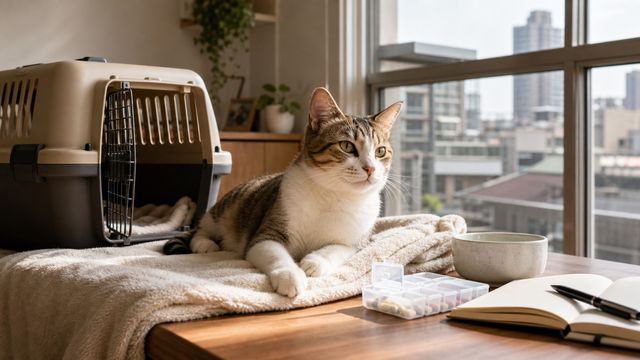
If your cat is very weak, do not force-feed large amounts of water or food. Improper force-feeding can lead to choking and increased stress. A more practical approach is to keep the cat warm, minimize handling, prepare a carrier, and bring recent dietary and symptom information to the vet.
When Suspecting a Link to Cat Food: What Records to Prepare Before Seeing a Vet
If you suspect that feline hypokalemia is related to cat food, wet food, or a recent diet change, it's helpful to organize your dietary records before your vet visit. Include the brand, flavor, batch number, storage method, date opened, approximate daily intake, and whether any other treats or supplements were given. This information will help the veterinarian determine if there's insufficient intake, absorption issues, or if an underlying disease is affecting potassium balance.
It's also recommended to document the timeline of symptoms. For example, on which day did the inability to jump start, on which day did the appetite decrease, whether there was vomiting or diarrhea, and if there were changes in water intake or urine output. If you have video footage of your cat walking or its neck drooping, bringing it to the vet can be very helpful. Short videos are often more effective than verbal descriptions in helping the veterinarian assess the severity.
Preserve Packaging and Leftover Food
If the symptoms appear shortly after a diet change, don't rush to discard the packaging. The batch number, expiration date, and ingredient list on the packaging can be important clues for follow-up investigations. Leftover food should be sealed and stored to prevent moisture or contamination, but it's not recommended to continue feeding from a suspicious batch.
Taiwan's humid climate means dry food can easily become damp if not stored properly after opening. It's best to avoid pouring kibble directly into unwashed and dried containers; it's preferable to seal it in its original packaging within a food storage bin. If your cat experiences loss of appetite, diarrhea, or lethargy after eating the food, be sure to inform the veterinarian about the storage environment as well.
Daily Risk Reduction: Diet Changes, Storage, and Health Tracking
The most important ways to reduce the risk of feline hypokalemia are stable nutrition and regular health check-ups. When changing cat food, do not switch abruptly. It's recommended to transition gradually over 7 to 10 days, observing appetite, bowel movements, energy levels, and coat condition. If your cat has a sensitive stomach, is older, or has a history of kidney disease, it's safer to consult your veterinarian before making dietary changes.
Pay attention to food storage in daily life, especially during Taiwan's rainy season and summer when humidity is high, as dry food can easily become damp. Canned food should not be left at room temperature for too long after opening. Dry food should be sealed, kept away from light, and stored in a cool place. Opened wet food should be refrigerated and consumed quickly. Food freshness is not just about palatability; it also affects whether your cat will eat consistently.
Establish Simple Health Tracking Habits
Owners can regularly monitor a few indicators weekly: weight, appetite, water intake, litter box size, stool consistency, and jumping ability. These records don't need to be complex; noting the date of any abnormalities in your phone's memo app can be very useful. When your cat does get sick, these records can help the veterinarian quickly identify changes.
For senior cats, regular blood tests are particularly important because kidney disease and electrolyte abnormalities are often not apparent in the early stages. If your cat has experienced hypokalemia before, follow-up care should not just be based on whether they "seem energetic." Please follow your veterinarian's recommendations for follow-up blood tests to ensure potassium levels and related values are stable.
FAQ
Will feline hypokalemia resolve on its own?
It is not recommended to expect it to resolve on its own. Even if it's a mild change due to a temporary decrease in appetite, the underlying cause needs to be identified. If it's related to kidney disease, gastrointestinal issues, or medication effects, delaying treatment can lead to recurring or worsening symptoms.
Does weakness in a cat's hind legs always mean hypokalemia?
Not necessarily. Weakness in the hind legs can also be related to trauma, blood clots, neurological problems, joint pain, diabetes, or other metabolic diseases. Feline hypokalemia is an important possibility, but confirmation requires blood tests and veterinary examination.
Can I buy potassium supplements for my cat myself?
Self-supplementation is not recommended. While low potassium is risky, excessively high potassium can also be dangerous, particularly affecting the heart. Whether supplementation is needed, how much to give, and in what form should be determined by a veterinarian based on test results.
If my cat becomes weak after changing food, should I stop feeding it immediately?
If your cat shows a significant decrease in appetite, vomiting, diarrhea, or weakness after a diet change, it is recommended to stop feeding the suspected food, preserve the packaging and batch number, and consult a veterinarian as soon as possible. Do not repeatedly test the same food, as this may delay treatment.
Are senior cats more prone to hypokalemia?
Senior cats, due to the higher prevalence of kidney disease, chronic conditions, and fluctuations in appetite, do indeed require closer attention to electrolyte abnormalities. It is recommended to schedule regular blood tests as advised by your veterinarian and to monitor weight, water intake, urine output, and activity levels.
Conclusion CTA
Taking care of your cat's health also means ensuring you have the right daily supplies. From fresh, easy-to-store staple foods and storage methods suitable for Taiwan's humid climate, to products that encourage your cat to drink water and use the litter box consistently, all these factors influence your ability to detect abnormalities early. CatGarden offers a curated selection of cat supplies for owners who want to ensure their cat's diet, hygiene, and home care are well-managed, making daily observations easier and providing peace of mind for your cat's well-being.
Further Reading
- What to Do If Your Cat Food Is Suspected of Having Issues: Keep Batch Numbers, Record Symptoms, and Consult Your Vet
- What to Do If Your Cat Becomes Weak in the Hind Legs After Eating Kibble? Distinguish Between Blood Clots, Neurological Issues, and Emergency Signs
- Can Cat Health Be Assessed Using AI Photo Analysis? Understand the Boundaries of Stress, Pain, and Veterinary Care
Common Questions
Will feline hypokalemia resolve on its own?
It is not recommended to expect it to resolve on its own. Even if it's a mild change due to a temporary decrease in appetite, the underlying cause needs to be identified. If it's related to kidney disease, gastrointestinal issues, or medication effects, delaying treatment can lead to recurring or worsening symptoms.
Does weakness in a cat's hind legs always mean hypokalemia?
Not necessarily. Weakness in the hind legs can also be related to trauma, blood clots, neurological problems, joint pain, diabetes, or other metabolic diseases. Hypokalemia is an important possibility, but confirmation requires blood tests and veterinary examination.
Can I buy potassium supplements for my cat myself?
Self-supplementation is not recommended. While low potassium is risky, excessively high potassium can also be dangerous, particularly affecting the heart. Whether supplementation is needed, how much to give, and in what form should be determined by a veterinarian based on test results.
If my cat becomes weak after changing food, should I stop feeding it immediately?
If your cat shows a significant decrease in appetite, vomiting, diarrhea, or weakness after a diet change, it is recommended to stop feeding the suspected food, preserve the packaging and batch number, and consult a veterinarian as soon as possible. Do not repeatedly test the same food, as this may delay treatment.
Are senior cats more prone to hypokalemia?
Senior cats, due to the higher prevalence of kidney disease, chronic conditions, and fluctuations in appetite, do indeed require closer attention to electrolyte abnormalities. It is recommended to schedule regular blood tests as advised by your veterinarian and to monitor weight, water intake, urine output, and activity levels.
CatGarden offers curated supplies, cat boarding, and grooming
Book services or shop online.