Does Taking Your Cat to the Vet Require a Cat-Friendly Clinic? Consider Dog-Cat Separation, Waiting Room Stress, and Equipment First
What is a cat-friendly veterinary clinic? It's more than just seeing cats. Many owners search for "cat-friendly veterinary clinics" or "cat specialists" when scheduling appointments, but true cat-friendliness goes beyond a clinic that treats cats or has pictures of cats in the exam room.
Key Takeaways
- True cat-friendliness isn't just about a clinic seeing cats or having cat photos in the exam room. The core is a medical process that understands feline behavioral characteristics, such as a quiet waiting area, allowing cats to be observed in the upper half of their carrier, avoiding forceful handling, and giving cats time to adapt during examinations.
- The purpose of dog-cat separation is to reduce unnecessary stimuli before a cat's appointment. Ideal practices include separate waiting areas, placing cat carriers in higher, quieter spots, covering carriers with cloths, staggered appointment times, or having owners wait in their cars for their turn.
- If your cat exhibits rapid breathing, persistent vomiting, inability to urinate, seizures, sudden collapse, suspected poisoning, or severe trauma, prioritize veterinary clinics with emergency services, imaging capabilities, or rapid referral options.
- Chronic or complex conditions like kidney disease, heart problems, diabetes, thyroid issues, long-term appetite loss, or unexplained weight loss often require blood tests, urinalysis, X-rays, ultrasounds, or even cardiac ultrasounds and specialist evaluations, making clinics with more comprehensive equipment more suitable.
- Before your appointment, note your cat's appetite, water intake, urination and defecation habits, weight changes, vomiting frequency, medication history, and any recent food changes. For abnormal behaviors, consider recording videos, as symptoms may not appear at the clinic, and home records become crucial clues.
What is a Cat-Friendly Veterinary Clinic? It's More Than Just Seeing Cats
Many owners search for "cat-friendly veterinary clinics" or "cat specialists" when scheduling appointments, but true cat-friendliness goes beyond a clinic that treats cats or has pictures of cats in the exam room. For cats, being outdoors, unfamiliar scents, barking dogs, and being handled out of their carriers are all potential stressors. A good veterinary environment aims to minimize these stimuli, helping cats maintain a stable state.
The core of cat-friendliness lies in a medical process that understands feline behavioral characteristics. This includes having a quiet waiting area, allowing cats to be observed in the upper half of their carrier, whether medical staff avoid forceful handling, and if cats are given time to adapt during examinations. These details might not be flashy, but they directly impact a cat's cooperation and the quality of the examination.
Cat-Friendly Doesn't Mean It's Always Necessary
For routine check-ups, vaccinations, or simple skin or gastrointestinal issues, a local veterinary clinic with a good reputation, clear communication, and patience with cats might also be suitable. The key isn't the label but whether the clinic can complete basic consultations and examinations with your cat in a low-stress state. Owners can use "cat-friendly" as a guideline for selection, not the sole criterion.
What we use for this
CatGarden’s own products, shipped from Taiwan Premium CatnipFrom CA$36.65 per jarFree shipping on multi-packs
Why is Dog-Cat Separation Important? Waiting Room Stress Affects Examination Performance
Cats are sensitive to sounds, smells, and environmental changes. If the waiting room also has large dogs barking and unfamiliar animals approaching their carriers, cats can become highly anxious even before entering the exam room. Stress can elevate heart rate, breathing, and blood pressure, and may cause cats to freeze, hiss, become aggressive, or refuse to be touched. This makes it much harder for the veterinarian to assess their true pain, mood, or reactions.
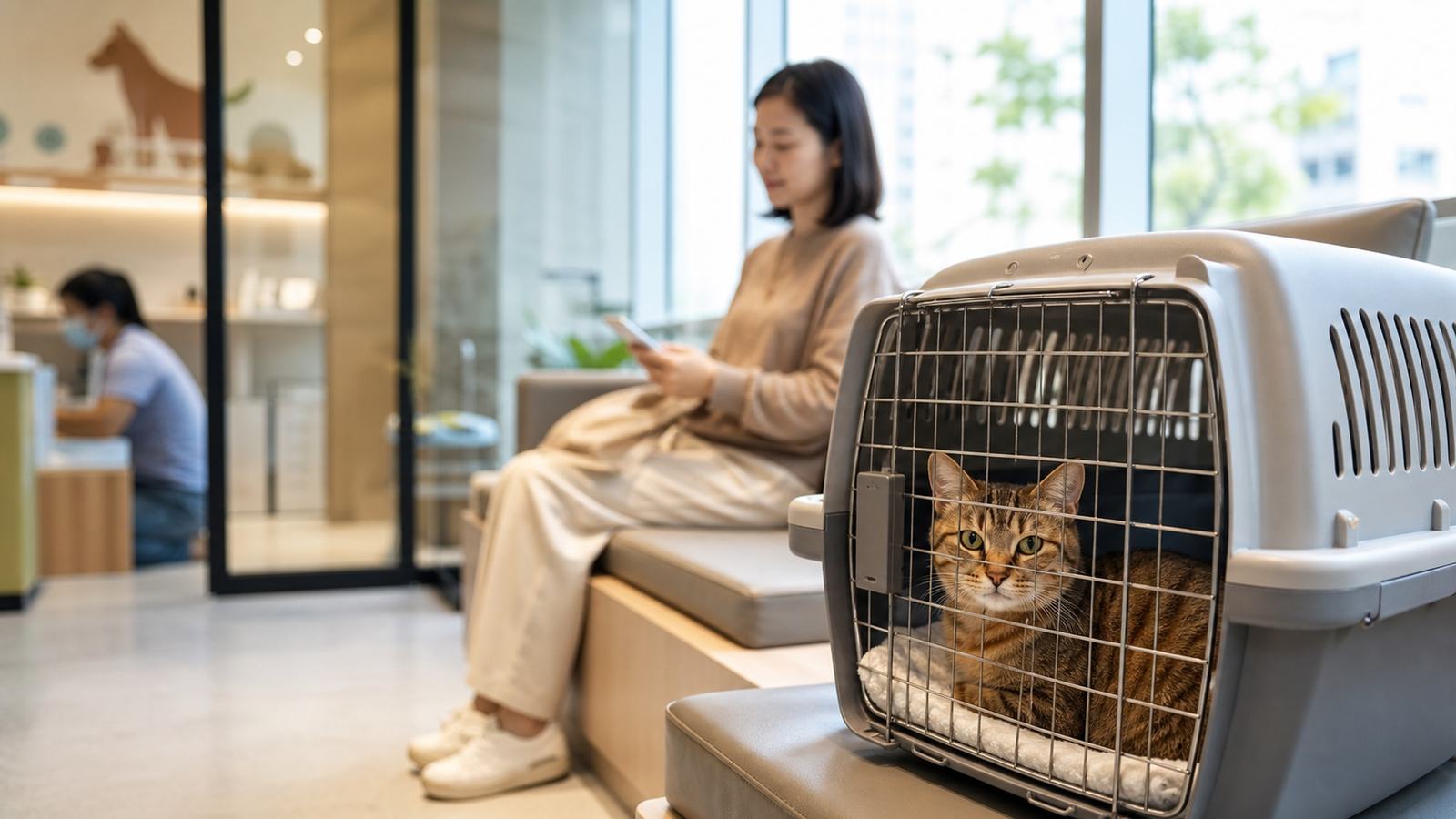
The purpose of dog-cat separation is to reduce unnecessary stimuli for cats before their appointments. Ideally, cats would have a separate waiting area, or at least their carriers could be placed in a higher, quieter spot, away from direct dog sniffing. Some clinics offer to cover carriers with cloths, stagger appointment times, or have owners wait in their cars for their turn – these are all practical approaches.
Waiting Room Stress Also Affects Owner Perception
When cats behave aggressively or fearfully at the clinic, owners might assume they have a "bad temper." In reality, it's often just excessive stress. A cat that is gentle at home might become a completely different animal in an unfamiliar environment. Choosing a clinic that reduces waiting room stress is more considerate to veterinarians, cats, and owners alike.
First-Time Vet Visit: What Details Can You Observe on Site?
During your cat's first visit to a clinic, you don't need to immediately judge whether it's good or bad; you can observe the process. Whether the reception staff reminds you to keep the carrier elevated, avoids letting dogs and cats get too close, or if the waiting area is well-ventilated and not overly noisy are practical indicators. Veterinary clinic spaces in urban areas are often limited, so complete separation might not be feasible, but at least you should see the clinic consciously managing the flow of animals.
After entering the exam room, observe how the veterinarian approaches your cat. A better approach usually involves first asking about the cat's condition at home, its reaction to going out, and its diet and elimination habits, then deciding whether to open the carrier based on the cat's state. If medical staff immediately try to pull the cat out or forcefully restrain it, the cat may become more resistant to future vet visits.
Communication is More Important Than Decor
Owners can also note whether the veterinarian is willing to explain the purpose of examinations, potential risks, and key points for post-visit observation. A good vet visit experience isn't one where the cat isn't stressed at all, but rather one where the medical team explains the reason behind each step. If the veterinarian can clearly explain when follow-up visits are needed and when emergency care is required, it's usually more reassuring than just receiving a bag of medication.
When to Consider a Veterinary Clinic with Comprehensive Equipment or Referral Capabilities
Not every problem can be handled solely in a small clinic. If your cat experiences rapid breathing, persistent vomiting, inability to urinate, seizures, sudden collapse, suspected poisoning, or severe trauma, prioritize veterinary clinics with emergency services, imaging capabilities, or rapid referral options. These situations require immediate assessment and are not recommended to be managed solely based on online articles.
Clinics with more comprehensive equipment are also suitable for chronic illnesses or complex conditions, such as kidney disease, heart problems, diabetes, thyroid issues, long-term appetite loss, or unexplained weight loss. These cats often require blood tests, urinalysis, X-rays, ultrasounds, or even cardiac ultrasounds and specialist evaluations. If the original clinic proactively suggests a referral, it indicates that the medical team is aware of their equipment and expertise limitations.
Comprehensive Equipment Doesn't Always Mean It's Best for Every Visit
Larger hospitals typically offer more diagnostic options, but they may also involve longer waiting times and a busier environment. For stable follow-ups or minor issues, a regular veterinarian familiar with the cat's medical history can provide better continuity. Owners can consider daily care, routine check-ups, and emergency/critical care needs separately, establishing a primary clinic for regular visits and having one or two emergency or referral options on standby.
How to Prepare Your Cat's Carrier, Scent, and Health Records Before the Visit
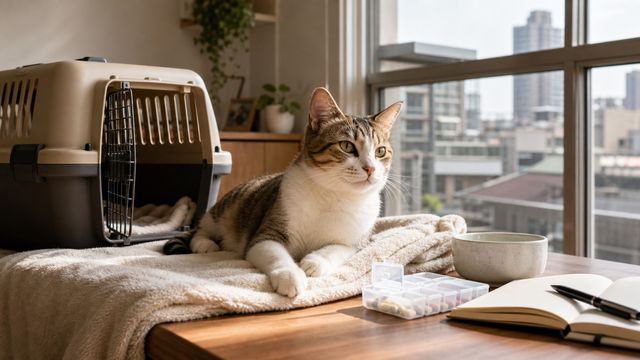
Preparation before the vet visit is often more effective than last-minute soothing at the clinic. It's best to keep the carrier in your home normally, with familiar bedding or blankets inside, so your cat sees it as a regular space rather than associating it only with shots and vet visits. Before leaving, you can cover part of the carrier with a cloth to reduce visual and auditory stimulation during travel.
Scent is also important, especially in Taiwan's humid and hot summers, where travel can make cats more agitated. Avoid suddenly washing the carrier or spraying strong fragrances or disinfectants before the visit; familiar scents can actually increase a sense of security. If the veterinarian has recommended using pheromone products, you can use them as directed before leaving, but do not substitute them for necessary medical treatment.
Health Records Can Help the Veterinarian Make a Faster Diagnosis
When preparing information for your cat's vet visit, it's recommended to note their appetite, water intake, urination and defecation habits, weight changes, vomiting frequency, medication history, and any recent changes in food. If there are any unusual behaviors, such as frequent trips to the litter box, hiding, or changes in vocalization, consider recording videos for the veterinarian. Your cat may not exhibit symptoms at the clinic, making your home records a crucial clue.
FAQ
Q1: Is it mandatory to find a cat-friendly veterinary clinic for my cat's visit?
Not necessarily. If a clinic can properly manage dog-cat proximity, waiting room stress, in-room procedures, and communication between staff and owners, it might be very suitable for your cat, even if it's not specifically labeled as cat-friendly.
Q2: My cat is very afraid of going out. Can I wait for it to get better on its own before seeing a vet?
It depends on the symptoms. For mild discomfort, you can call and ask for advice first. However, if your cat is not eating, cannot urinate, has abnormal breathing, is vomiting continuously, or is very lethargic, seek veterinary attention as soon as possible and do not delay due to fear of going out.
Q3: Should I choose a hard-shell or soft carrier for my cat?
For most vet visit scenarios, a sturdy hard-shell carrier that can be opened from the top or has a removable lid is recommended, as it allows veterinarians to examine the cat with less stress. Soft carriers are suitable for short trips and calm cats, but special attention should be paid to their support and ease of cleaning.
Q4: Does the same cat need to see the same veterinarian consistently?
For chronic illnesses, senior cats, or those requiring long-term monitoring, seeing the same clinic can help build a medical history and is generally more beneficial. However, owners should still have emergency and referral options ready to avoid difficulties in finding suitable resources when needed.
Q5: Do I need to fast my cat before the appointment?
General consultations do not always require fasting. However, if blood draws, sedation, anesthesia, or imaging tests are anticipated, follow the clinic's instructions. It's best to inquire when booking to avoid having to reschedule upon arrival.
Closing CTA
Ensuring a smooth vet visit for your cat involves not only choosing the right veterinary clinic but also crucial daily preparation. A sturdy and easy-to-clean carrier, familiar-scented bedding, absorbent pee pads, and appropriate bowls and care items for post-surgery or illness can reduce last-minute rushes. CatGarden offers a curated selection of cat supplies, from travel to cleaning and daily care, helping you prepare for every vet visit with greater peace of mind.
Further Reading
- Can Feline Periodontal Disease Affect Overall Health? Bad Breath and Slow Chewing Aren't Just About Dirty Teeth
- What to Prepare When Changing Vets or Referring a Cat: Organize Medical Records, Test Reports, and Medication History First
- What to Note Before Your Cat's Vaccination? Check Their Energy, Appetite, and Allergy History First
Frequently Asked Questions
Is it mandatory to find a cat-friendly veterinary clinic for my cat's visit?
Not necessarily. If a clinic can properly manage dog-cat proximity, waiting room stress, in-room procedures, and communication between staff and owners, it might be very suitable for your cat, even if it's not specifically labeled as cat-friendly.
My cat is very afraid of going out. Can I wait for it to get better on its own before seeing a vet?
It depends on the symptoms. For mild discomfort, you can call and ask for advice first. However, if your cat is not eating, cannot urinate, has abnormal breathing, is vomiting continuously, or is very lethargic, seek veterinary attention as soon as possible and do not delay due to fear of going out.
Should I choose a hard-shell or soft carrier for my cat?
For most vet visit scenarios, a sturdy hard-shell carrier that can be opened from the top or has a removable lid is recommended, as it allows veterinarians to examine the cat with less stress. Soft carriers are suitable for short trips and calm cats, but special attention should be paid to their support and ease of cleaning.
Does the same cat need to see the same veterinarian consistently?
For chronic illnesses, senior cats, or those requiring long-term monitoring, seeing the same clinic can help build a medical history and is generally more beneficial. However, owners should still have emergency and referral options ready to avoid difficulties in finding suitable resources when needed.
Do I need to fast my cat before the appointment?
General consultations do not always require fasting. However, if blood draws, sedation, anesthesia, or imaging tests are anticipated, follow the clinic's instructions. It's best to inquire when booking to avoid having to reschedule upon arrival.
CatGarden offers curated supplies, cat boarding, and grooming
Book services or shop online.