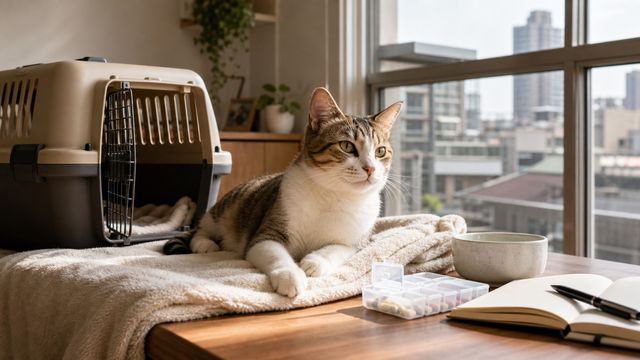
What to Note Before Your Cat Gets Vaccinated? Check Their Energy, Appetite, and Allergy History First
Before your cat gets vaccinated, confirm these 5 things: 1. Is their energy level normal? The first step before taking your cat for vaccinations is to observe their energy levels. Cats that usually seek pets, patrol the house, or play with a feather wand might be hiding all day if they suddenly...
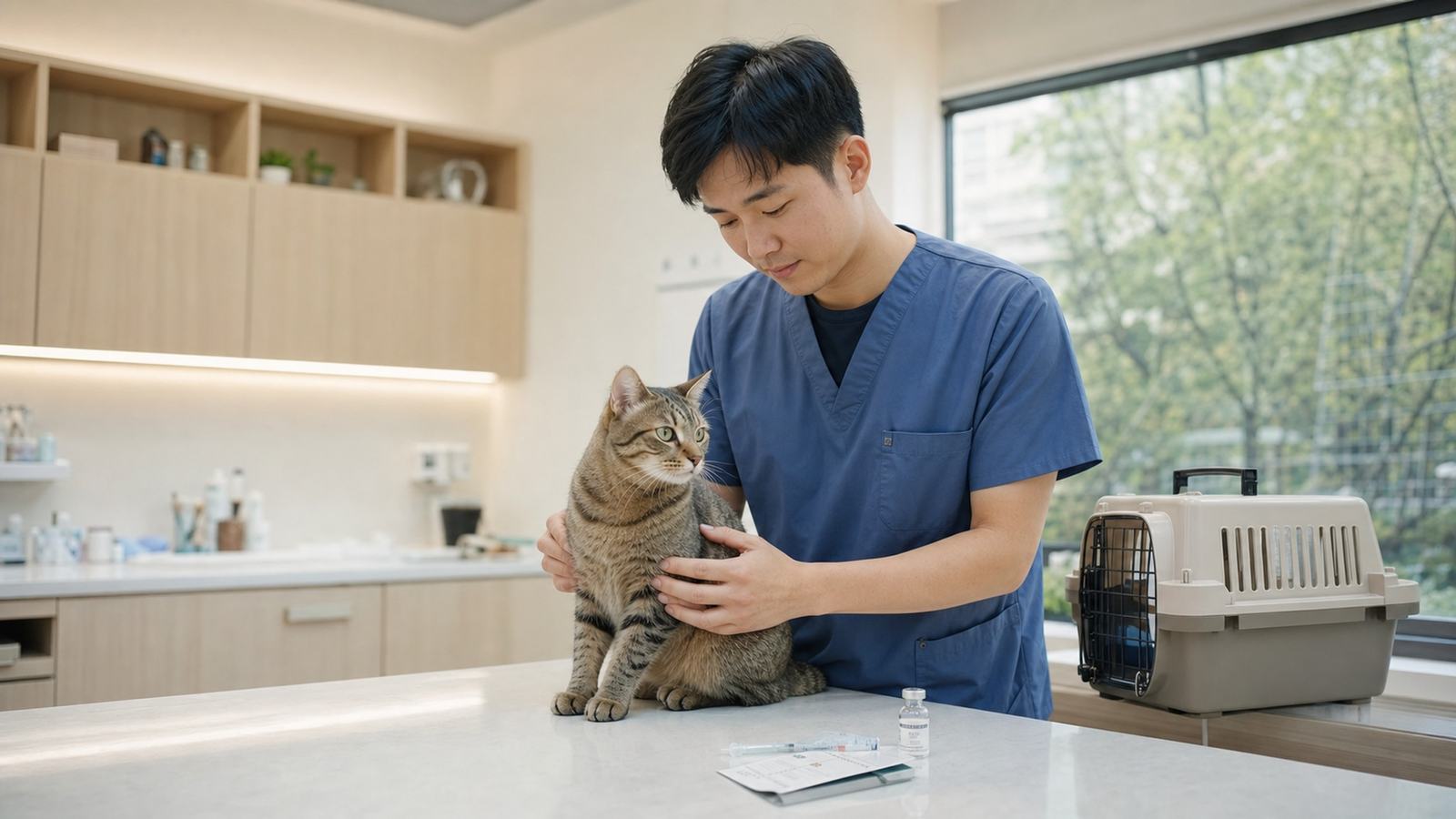
Key Takeaways
- Before vaccination, confirm your cat's energy, appetite, water intake, and elimination status. Pay special attention if they completely refuse to eat the day before or on the day of, only licking a few bites, or even refusing their favorite wet food.
- If your cat has a fever, is noticeably weak, has acute vomiting/diarrhea, respiratory symptoms, is unable to urinate, or has a wound infection on the day of vaccination, it's usually not recommended to proceed. They should be examined by a vet first.
- If your cat has previously experienced facial swelling, generalized itching, vomiting, rapid breathing, or lethargy after vaccination, inform your vet proactively. Allergy history also includes medications, food, dewormers, or topical treatments.
- Within 24 to 48 hours after vaccination, monitor your cat's energy, appetite, body temperature, breathing, and the injection site. Contact your vet or emergency services immediately if symptoms like facial swelling, hives, persistent vomiting, difficulty breathing, or collapse occur.
- Vaccination pre-checks differ for kittens, adult cats, and senior cats: Kittens focus on age and weight, adult cats on annual records and lifestyle risks, and senior cats require more attention to blood tests, kidney, liver, thyroid, and heart conditions.
Before Your Cat Gets Vaccinated, Confirm These 5 Things First
1. Is Their Energy Level Normal?
The first step before taking your cat for vaccinations is to observe their energy levels. Cats that usually seek pets, patrol the house, or play with a feather wand might be hiding all day or reacting slower if they suddenly... It's not recommended to rush vaccinations if they're not feeling well. Vaccines stimulate the immune system, and if your cat's body is unstable that day, it can be difficult to determine if subsequent reactions are due to the vaccine or an underlying discomfort.
Before heading out, check if your cat walks normally, their eyes are clear, and their breathing isn't rapid. Taiwan's summers are hot and humid, and cats can also appear lethargic due to heat, stress, or dehydration. If their condition is significantly different from usual, it's advisable to call the veterinary clinic first and consider a consultation if necessary.
2. Is Their Appetite, Water Intake, and Elimination Normal?
Appetite is a crucial indicator to observe before your cat receives vaccinations. Pay close attention if your cat completely refuses to eat the day before or on the day of, only licking a few bites, or even refusing their favorite wet food. A sudden significant increase or decrease in water intake can also indicate a health issue.
Elimination status also needs to be confirmed, such as diarrhea, constipation, frequent urination, blood in urine, or being unable to urinate despite frequent trips to the litter box. These shouldn't be dismissed as minor issues. Especially since cats are good at hiding pain, by the time owners notice abnormalities, it's often already worth having the vet examine them.
3. Are They Vomiting, Coughing, Sneezing, or Have a Fever?
If your cat has recently experienced vomiting, coughing, persistent sneezing, nasal discharge, or increased eye discharge, they may not be suitable for vaccination on that day. These symptoms could be related to gastrointestinal or respiratory infections or stress, and the cause needs to be clarified first. In multi-cat households, if other cats are showing similar symptoms, it's even more important to inform the vet.
Some owners might think it's "just a small cold," but it's best to vaccinate your cat when their body is stable. If your cat is currently on medication, bring the medication bag or prescription information for the vet to assess. Don't stop medication on your own or force a vaccination schedule; professional evaluation is safer.
4. Allergy History and Past Vaccine Reactions
If your cat has previously experienced facial swelling, generalized itching, vomiting, rapid breathing, or lethargy after vaccination, you must inform your vet proactively. Even if it was just "feeling a bit less energetic for two days after the last vaccination," it's worth noting. The vet might adjust the vaccination schedule, observation period, or vaccine type based on the situation.
Allergy history includes not only vaccines but also medications, food, dewormers, or topical treatments. It's recommended for owners to record past reactions in their phone's memo app, including the date, symptoms, recovery time, and whether they sought veterinary care. This information will be very helpful for future cat vaccinations.
5. Deworming, Health Check, and Vaccination Records
For kittens or newly adopted cats, it's recommended to first confirm if they've had a basic health check, fecal test, and deworming. If the cat has parasites, severe malnutrition, or suspected infections, the vet might suggest addressing their health status first before scheduling vaccinations. Vaccines aren't beneficial if given too early; they should be administered at the appropriate time.
Also, bring the vaccination booklet or past medical records before heading out. If the booklet is lost, you can ask the original veterinary clinic if they can provide a duplicate record. Complete records prevent duplicate vaccinations and are convenient for confirming your cat's vaccination status when boarding, grooming, or visiting different clinics.
What we use for this
CatGarden’s own products, shipped from Taiwan Pro ProbioticsFrom CA$26.60 per boxFree shipping on multi-packs
When is it Not Suitable to Vaccinate Your Cat Immediately?
If your cat has a fever, is noticeably weak, has acute vomiting/diarrhea, respiratory symptoms, is unable to urinate, or has a wound infection on the day of vaccination, it's usually not recommended to proceed. These conditions indicate that the body might be dealing with other issues, and vaccination could complicate observation. The correct approach is to have the vet examine them first to determine if treatment or postponement is necessary.
Cats that have recently moved, been newly adopted, just bathed, or undergone long-distance transport should also be assessed based on their stress levels. Many cats in urban areas of Taiwan live in small apartments and are particularly sensitive to going out, car rides, and unfamiliar scents. If your cat is already panting, drooling, or hiding at the bottom of their carrier due to fear, it's advisable to let them calm down first and then discuss vaccination arrangements with the vet.
Pregnant, lactating, cats undergoing treatment for chronic diseases, or those on immunomodulatory drugs should not make decisions independently. These situations don't mean they can never be vaccinated, but rather that the vet needs to assess the risks and necessity. As long as owners clearly communicate their medical history, medications, and lifestyle needs, the vet can more easily arrange a suitable schedule.
How Do Pre-Vaccination Checks Differ for Kittens, Adult Cats, and Senior Cats?
Kittens: Focus on Age, Weight, and Basic Health
Before kittens receive vaccinations, their age, weight, appetite, bowel movements, and parasite status are usually confirmed. If a kitten is too thin, has diarrhea, is anemic, or there's suspicion of panleukopenia, the vet might recommend examination before scheduling vaccinations. Newly adopted kittens often require a quarantine period to prevent potential infections from spreading to other cats in the household.
Kitten vaccinations are typically not a single dose but a series of core immunizations scheduled according to age. Owners should keep track of the next vaccination date to avoid long intervals. If there are already adult cats in the home, extra caution is needed regarding vaccination and quarantine arrangements before and after the kitten's arrival.
Adult Cats: Focus on Annual Records and Lifestyle Risks
Before vaccinating adult cats, in addition to a basic physical examination, their past vaccination records are reviewed for completeness. If a cat never goes outdoors and no new cats are introduced to the household, the risk assessment will differ from cats that frequently go out, visit groomers, board, or come from foster environments. The vet will recommend necessary vaccines and frequency based on their lifestyle.
If adult cats have issues like obesity, dental disease, skin problems, or chronic gastrointestinal issues, these should also be disclosed before vaccination. While these may not necessarily affect vaccination, they help the vet make a more comprehensive assessment. The purpose of cat vaccinations is to establish protection based on their lifestyle risks.
Senior Cats: Focus on Chronic Diseases and Physical Burden
Before vaccinating senior cats, it's recommended to pay more attention to blood tests, kidney, liver, thyroid, and heart conditions. Many senior cats appear normal externally but may already have early chronic diseases. If there's recent weight loss, increased water intake, or fluctuating appetite, a health check is highly recommended.
Senior cats are not necessarily unable to be vaccinated, but the assessment needs to be more precise. The vet might adjust the vaccination plan based on their age, medical history, and needs for going out or boarding. Owners should not decide solely based on age but consider their overall health status.
Preparing Vaccination Records for Boarding, Grooming, or Travel
If you plan to board your cat, take them for grooming, attend an exhibition, move, or travel long distances soon, it's advisable to confirm their vaccination records in advance. Many catteries or grooming services require proof of vaccination within its valid period, commonly for the F3 or other core vaccines. Don't wait until the day before check-in to discover they're expired, as it takes time for the body to build immunity after vaccination.
Preparation is simple: bring the vaccination booklet, take clear photos of the vaccination dates and clinic stamps, and ensure the cat's name or microchip information matches. If the records are in the veterinary clinic's system, you can request a certificate beforehand. For multi-cat households, it's recommended to create separate albums for each cat to avoid temporary data retrieval issues.
If your cat has never been boarded before, in addition to their vaccination records, assess their ability to adapt to a new environment. You can practice short outings or prepare familiar towels, bedding, and their usual food. Vaccination records are a basic requirement, but a stable physical and mental state is equally important.
How Long to Monitor After Vaccination? Which Reactions Require a Vet Visit?
After vaccination, it's recommended to observe your cat for a short period near or within the veterinary clinic, especially for cats with a history of allergic reactions. Within 24 to 48 hours after returning home, monitor their energy, appetite, body temperature, breathing, and the injection site. Mild fatigue or a slight decrease in appetite might be common reactions, but they should gradually improve.
If your cat experiences facial swelling, hives, persistent vomiting, severe diarrhea, difficulty breathing, unsteadiness, collapse, or loss of consciousness, contact your veterinarian or emergency services immediately. If the injection site develops a continuously enlarging lump, is noticeably painful, or doesn't resolve after a period, return to the vet for confirmation. Do not self-medicate with human medications or painkillers, as this can be very dangerous for cats.
On the day of return home, allow your cat to rest quietly. Avoid bathing, grooming, moving, or engaging in strenuous play immediately. Maintain their usual diet and avoid changing their food or treats on the same day to prevent difficulty in assessing gastrointestinal reactions. The key to post-vaccination care is to reduce stress and detect abnormalities early.
Conclusion: A Little More Pre-Vaccination Check Goes a Long Way for Your Cat's Peace of Mind During Outings
Vaccinating your cat isn't just about checking if the date has arrived; it's about ensuring their body is suitable for it on that day. Checking their energy, appetite, elimination, medical history, and allergy records before heading out can reduce unnecessary risks and help the vet quickly grasp the situation. Especially for cats preparing for boarding, grooming, or travel, complete vaccination records will facilitate smoother arrangements.
If you are planning for your cat to stay at a boarding facility soon, it is recommended to organize their vaccination booklet, daily dietary habits, and health notes. Cat Garden Cattery prioritizes health checks before check-in, assisting owners with more stable and secure resting environments for their cats during business trips, travel, or temporary care needs. Please ensure your cat's vaccination records are still within their valid period before making a reservation.
FAQ
Can Cat Vaccinations Be Given Early?
Whether vaccinations can be given early depends on the vaccine type, the time of the last vaccination, and the cat's health status. If it's for boarding or travel purposes, it's recommended to consult your vet a few weeks in advance and not to set the date yourself, as too early or too frequent vaccinations may not be suitable.
Can Cats Be Bathed Before Vaccination?
It is generally not recommended to bathe your cat immediately before or after vaccination. Bathing is a stressful event for most cats and can destabilize their physical condition. If grooming or bathing is necessary, it's best to schedule it separately from the vaccination and consult your vet or the grooming service provider first.
Do Indoor Cats Still Need Vaccinations?
Indoor cats have a lower risk, but it doesn't mean the risk is entirely eliminated. Humans can bring pathogens home, and there's also the possibility of moving, vet visits, boarding, or new cats joining the household. Whether vaccinations are needed and their frequency should be discussed with your vet based on your cat's lifestyle.
How Long is it Abnormal for a Cat to Have No Appetite After Vaccination?
Some cats may experience temporary fatigue or a decrease in appetite after vaccination, but they should typically recover gradually within 1 to 2 days. If your cat completely refuses to eat for more than a day, shows significantly decreased energy, or exhibits symptoms like vomiting, difficulty breathing, or facial swelling, seek veterinary attention promptly.
How to Prepare Vaccination Records Before Boarding or Grooming?
Many catteries or grooming services require proof of vaccination within its valid period, commonly for the F3 or other core vaccines. It's recommended to bring the vaccination booklet, take clear photos of the vaccination dates and clinic stamps, and ensure the cat's name or microchip information matches. Don't wait until the day before check-in to discover they're expired.
Further Reading
- How Often Should Cats Be Vaccinated? A Schedule Guide for Kittens, Adults, and Before Boarding
- Does Your Cat Need a Regular Family Vet? Building Records for Vaccinations, Chronic Illnesses, and Emergencies
- Should Stray Cats Be Tested for Parasites? A Guide to Soft Stools, Isolation, and Fecal Tests
Common Questions
Can Cat Vaccinations Be Given Early?
Whether vaccinations can be given early depends on the vaccine type, the time of the last vaccination, and the cat's health status. If it's for boarding or travel purposes, it's recommended to consult your vet a few weeks in advance and not to set the date yourself, as too early or too frequent vaccinations may not be suitable.
Can Cats Be Bathed Before Vaccination?
It is generally not recommended to bathe your cat immediately before or after vaccination, as bathing is a stressful event for most cats and can destabilize their physical condition. If grooming or bathing is necessary, it's best to schedule it separately from the vaccination and consult your vet or the grooming service provider first.
Do Indoor Cats Still Need Vaccinations?
Indoor cats have a lower risk, but it doesn't mean the risk is entirely eliminated. Humans can bring pathogens home, and there's also the possibility of moving, vet visits, boarding, or new cats joining the household. Whether vaccinations are needed and their frequency should be discussed with your vet based on your cat's lifestyle.
How Long is it Abnormal for a Cat to Have No Appetite After Vaccination?
Some cats may experience temporary fatigue or a decrease in appetite after vaccination, but they should typically recover gradually within 1 to 2 days. If your cat completely refuses to eat for more than a day, shows significantly decreased energy, or exhibits symptoms like vomiting, difficulty breathing, or facial swelling, seek veterinary attention promptly.
How to Prepare Vaccination Records Before Boarding or Grooming?
Many catteries or grooming services require proof of vaccination within its valid period, commonly for the F3 or other core vaccines. It's recommended to bring the vaccination booklet, take clear photos of the vaccination dates and clinic stamps, and ensure the cat's name or microchip information matches. Don't wait until the day before check-in to discover they're expired.
CatGarden offers curated supplies, cat boarding, and grooming
Book services or shop online.