Should You Test Stray Cats for Parasites? First, Check for Soft Stools, Isolate, and Get a Fecal Exam
Should you test stray cats for parasites? First, check for soft stools, isolate, and get a fecal exam. Why is a fecal exam necessary after adopting a stray cat? When you first adopt a stray cat, many owners focus on whether it's sneezing, has a runny nose, fleas, or wounds, but its gastrointestinal health is also important.
Key Takeaways
- Stray cats may drink unclean water, eat spoiled food, or come into contact with other cats' feces, making them more prone to parasitic infections than indoor cats. If you notice soft stools, diarrhea, mucus in the stool, or a strong odor, a fecal exam is recommended.
- Common feline parasites include roundworms, hookworms, and tapeworms, which can cause diarrhea, bloating, and poor weight gain. Giardia and Trichomonas are protozoa that often manifest as recurrent soft stools, mucus in the stool, strong odor, and intermittent symptoms.
- If your newly adopted cat has watery diarrhea, bloody stools, black stools, vomiting, lethargy, or a significant decrease in appetite, or if its stools remain unformed for more than 2-3 days, seek veterinary attention immediately. Kittens, senior cats, pregnant cats, or very underweight stray cats are more susceptible to dehydration from diarrhea.
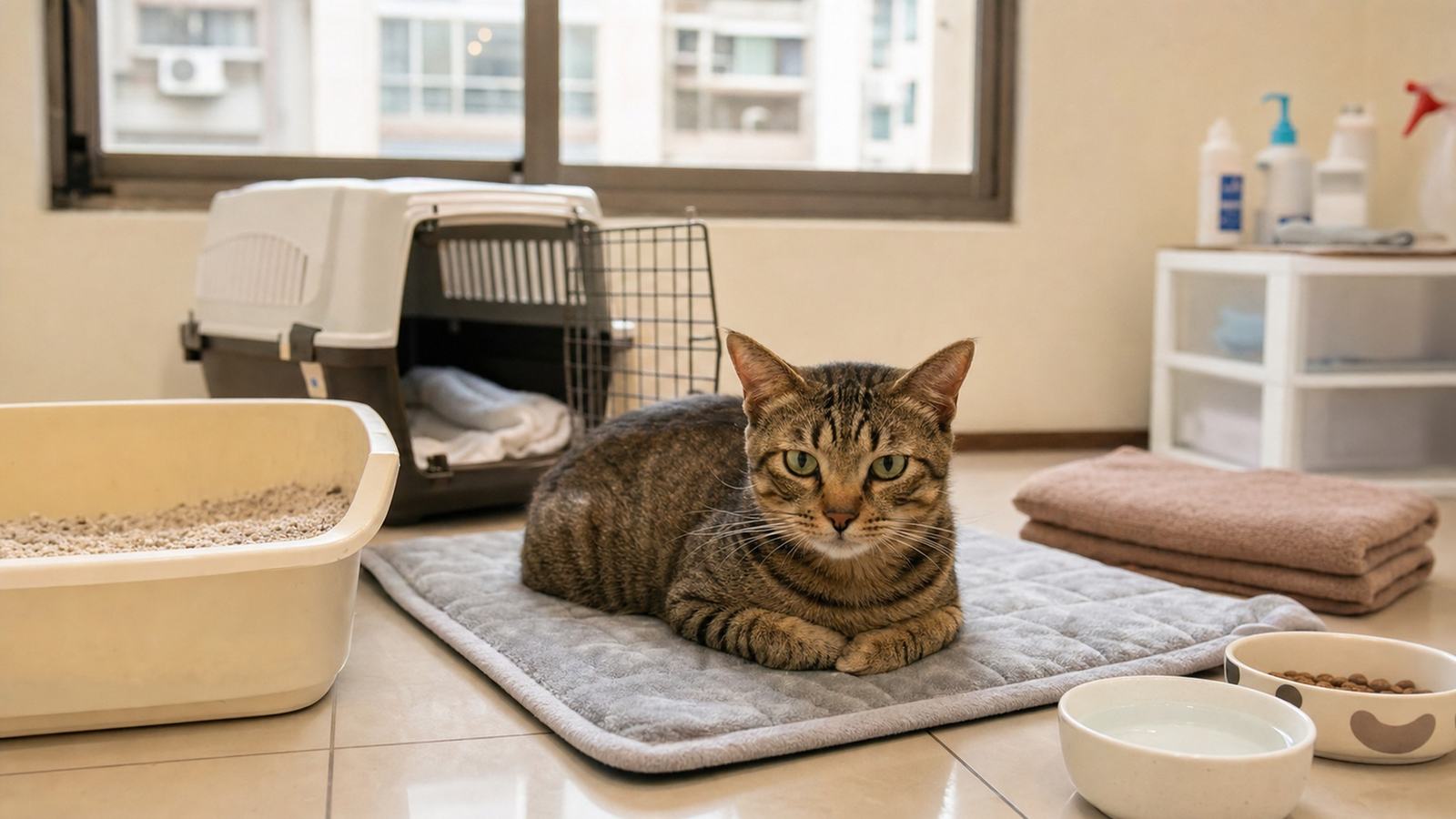
- It's recommended to isolate new cats in a separate room for the first 2 weeks, providing them with their own litter box, food and water bowls, bedding, and cleaning supplies to prevent cross-contamination with resident cats.
- When taking your cat to the vet, bring a fresh stool sample in a clean bag or container, preferably collected within 12 hours, for more accurate diagnosis. Bring photos of stool, medication records, and defecation records for follow-up visits.
Should You Test Stray Cats for Parasites? First, Check for Soft Stools, Isolate, and Get a Fecal Exam
Why Is a Fecal Exam Necessary After Adopting a Stray Cat?
When you first adopt a stray cat, many owners focus on whether it's sneezing, has a runny nose, fleas, or wounds, but its gastrointestinal health is also important. Stray cats living outdoors may drink unclean water, eat spoiled food, or come into contact with other cats' feces, making them more prone to feline parasites than indoor cats. Even if they appear healthy, any instance of soft stools, diarrhea, mucus in the stool, or a strong odor warrants a fecal exam.
A fecal exam isn't just for detecting worms; it helps veterinarians determine the cause of intestinal issues. Soft stools can result from dietary changes, stress, alterations in gut flora, or parasitic/protozoal infections. Self-medicating without a proper diagnosis can lead to administering the wrong treatment and delaying necessary care. This is especially crucial if you have resident cats, as prompt testing and isolation can reduce the risk of cross-infection.
What's the Difference Between Giardia, Trichomonas, and General Intestinal Parasites?
There isn't just one type of feline parasite, and their treatments can vary. Common parasites like roundworms, hookworms, and tapeworms are intestinal worms that can cause diarrhea, bloating, poor weight gain, or impaired nutrient absorption. Some parasite eggs may not be detected in every stool sample, so your vet might recommend retesting or preventative deworming based on symptoms, age, and lifestyle history.
Giardia and Trichomonas are protozoa, often presenting as recurrent soft stools, mucus in the stool, a strong odor, and symptoms that come and go. Giardia is easily transmitted in humid environments; Taiwan's humid rainy season and summers, coupled with shared litter boxes in multi-cat households, necessitate diligent cleaning and isolation. Trichomonas infections sometimes require specific diagnostic methods and may not be identified through a standard fecal exam alone, making follow-up vet visits important.
When Should You See a Veterinarian Immediately?
If your newly adopted cat exhibits watery diarrhea, bloody stools, black stools, vomiting, lethargy, or a significant decrease in appetite, don't wait too long to seek veterinary care. Kittens, senior cats, pregnant cats, or very underweight stray cats are more susceptible to dehydration from diarrhea. If stools remain unformed for more than 2-3 days, or if symptoms worsen during isolation, consult your veterinarian for re-evaluation.
Some feline parasite infections may not immediately make a cat appear ill but can cause prolonged soft stools, leading to soiling around the anus, unstable appetite, or stalled weight gain. If you have other cats, delaying treatment can also worsen environmental contamination. When taking your cat to the vet, bring a fresh stool sample in a clean bag or container, preferably collected within 12 hours, for more accurate diagnosis.
Isolation, Litter Boxes, and Cleaning Arrangements for New Cats for the First 2 Weeks
For the first 2 weeks after a new cat arrives home, it's recommended to isolate it in a separate room and avoid sharing space with resident cats. The isolation area should have its own litter box, food and water bowls, bedding, and cleaning supplies to prevent cross-contamination of items. In smaller homes with limited space, a study, a dry bathroom area, or a well-ventilated small room can be used, ensuring the cat has a place to hide, rest, and stay dry.
Litter boxes should ideally be cleaned at least 1-2 times daily, and even more frequently during periods of soft stools. Wash your hands after scooping. If you suspect a feline parasite or protozoal infection, regularly clean the area around the litter box, mats, and areas the cat frequently walks on. When cleaning, avoid using heavily scented products to mask odors; the focus should be on removing fecal contamination and using appropriate cleaning methods as recommended by your veterinarian.
What to Observe During Isolation?
Isolation isn't about confining the cat but rather about making it easier for owners to monitor the new cat's condition. Daily recording of appetite, water intake, energy levels, stool consistency, and frequency can help the veterinarian assess the progression of illness. If stools change from watery to mushy and then gradually form, it usually indicates that care is improving, but treatment should still be completed as prescribed by the vet.
Also, observe if the new cat frequently licks its anus, has stool stuck to its hindquarters, exhibits noticeable gurgling sounds in its abdomen, or has an urgent need to defecate. These details, though seemingly minor, are very helpful in assessing intestinal health. If resident cats sniff around the isolation room door, prevent them from coming into contact with the new cat's litter scoop, litter box, or cleaning cloths.
Preparing Supplies During Treatment to Prevent Recurrent Infections
During feline parasite treatment, prepare supplies with the principles of "easy to clean, easy to separate, and easy to replace." Choose litter boxes that are easy to rinse. Keep scoops, trash bags, wet wipes, and gloves within the isolation area to minimize contamination from moving items around. If the cat tends to step in soft stools, use washable mats instead of difficult-to-clean thick blankets.
Avoid drastic changes to the diet, as dietary shifts can also complicate soft stools. If your vet recommends gastrointestinal prescriptions, probiotics, or specific medications, administer them on time. Do not stop medication prematurely just because the stools temporarily improve, as this can delay treatment or lead to recurrent infections. For multi-cat households, ensure there are enough litter boxes for each cat and temporarily avoid sharing water bowls, food bowls, and bedding.
Cleaning is as Important as Vet Visits
Many recurrent infections are not due to ineffective medication but to persistent sources of contamination in the environment. Protozoa like Giardia can cause recurrent gastrointestinal issues if a cat steps in a contaminated litter box and then licks its paws. During treatment, it's recommended to regularly clean litter boxes and keep the area around them dry. In Taiwan's humid seasons, use a dehumidifier to reduce dampness.
During follow-up vet visits, your veterinarian may arrange repeat fecal tests to check for remaining eggs, protozoa, or signs of inflammation. Owners can bring stool photos, medication records, and defecation records to the appointment; this information is more precise than simply stating "it's a bit better." By combining examination, treatment, isolation, and cleaning, managing feline parasites after adopting a stray cat becomes much more manageable.
FAQ
Is it mandatory to test stray cats for feces?
It is recommended, especially if there are soft stools, diarrhea, mucus in the stool, a strong odor, or if there are other cats in the household. Fecal exams can help determine if there are parasites, protozoa, or other gastrointestinal issues. If the cat shows no symptoms, you can also ask your veterinarian about fecal testing and deworming during its initial health check-up.
Does soft stool in cats always mean a parasite infection?
Not necessarily. Soft stools can be caused by stress, dietary changes, sensitive digestion, infections, or feline parasites. Since there are many possible causes, it's not recommended to rely solely on the appearance of the stool for self-diagnosis. If soft stools are persistent, recurrent, or accompanied by lethargy and decreased appetite, medical attention should be sought.
Is 2 weeks of isolation enough for a new cat?
2 weeks is a common basic observation period, but the actual duration depends on the cat's health status and test results. If the cat is still experiencing diarrhea, undergoing medication, or has not passed follow-up tests, extending the isolation period is recommended. Allow the new cat and resident cats to get acquainted gradually once the stools are stable and the veterinarian deems it safe.
If I only have one cat at home, do I still need to clean so thoroughly?
Yes. Even without resident cats, environmental contamination can cause a cat to repeatedly ingest pathogens itself. Litter boxes, mats, bedding, and frequently used areas should be cleaned regularly. Simplifying supplies during treatment is more efficient than extensive cleaning afterward.
Care Supplies CTA
The most daunting part of adopting a stray cat is feeling unprepared. Having isolation supplies ready beforehand will make care much smoother. CatGarden's cat supplies can help you organize the essentials for a new cat's arrival, including litter boxes, litter, cleaning supplies, carriers, food bowls, and daily consumables, suitable for small families and multi-cat households in Taiwan. If you are currently dealing with soft stools or suspected parasitic infections, it's recommended to follow your veterinarian's diagnosis and treatment plan first, then supplement with easy-to-clean, easy-to-replace supplies to help your new cat adapt to its new life with more peace of mind.
Further Reading
- Can Cats Get Heartworm? With More Mosquitoes in Summer, First Check for Coughing, Appetite, and Prevention Medication
- Does Your Cat's Strange Posture Mean Discomfort? First Check These Warning Signs: Arched Back, Tucked Belly, and Lying Flat
- What to Prepare for a Vet Visit with Your Cat? Health Records, Stool Photos, and a List of Concerns to Organize First
Frequently Asked Questions
Is it mandatory to test stray cats for feces?
It is recommended, especially if there are soft stools, diarrhea, mucus in the stool, a strong odor, or if there are other cats in the household. Fecal exams can help determine if there are parasites, protozoa, or other gastrointestinal issues.
Does soft stool in cats always mean a parasite infection?
Not necessarily. Soft stools can be caused by stress, dietary changes, sensitive digestion, infections, or feline parasites. If soft stools are persistent, recurrent, or accompanied by lethargy and decreased appetite, medical attention should be sought.
Is 2 weeks of isolation enough for a new cat?
2 weeks is a common basic observation period, but the actual duration depends on the cat's health status and test results. If the cat is still experiencing diarrhea, undergoing medication, or has not passed follow-up tests, extending the isolation period is recommended.
If I only have one cat at home, do I still need to clean so thoroughly?
Yes. Even without resident cats, environmental contamination can cause a cat to repeatedly ingest pathogens itself. Litter boxes, mats, bedding, and frequently used areas should be cleaned regularly.
Why shouldn't I stop medication on my own even if the stool temporarily improves?
If your vet recommends gastrointestinal prescriptions, probiotics, or specific medications, administer them on time. Do not stop medication prematurely just because the stools temporarily improve, as this can delay treatment or lead to recurrent infections.
CatGarden offers curated supplies, cat boarding, and grooming
Book services or shop online.