Is Your Cat's Strange Posture a Sign of Discomfort? Recognizing Signs of Arching, Tucking, and Lying Low
When your cat's posture seems unusual, it's important to first determine if they are relaxed or uncomfortable. Cats sometimes sleep in peculiar positions or suddenly become still in a corner. If you notice a change in your cat's posture, don't immediately assume they are sick; observe their current state.
Key Takeaways
- Relaxed cats typically have soft eyes, natural ear positions, and steady breathing, responding when called. However, if they maintain a posture for a long time, appear stiff, or resist being touched, be alert.
- An arched back combined with a tucked belly, cautious walking, and reluctance to jump may indicate discomfort in the abdomen, back, joints, or urinary system. Cats are adept at hiding pain, so subtle postural changes can be early signals.
- For male cats, frequent trips to the litter box, prolonged squatting without urination, could signal a urinary emergency. If accompanied by a tucked belly, arched back, vocalizations, licking the urinary opening, blood in urine, or inappropriate urination, seek veterinary care immediately.
- If your cat exhibits open-mouth breathing, rapid breathing, or pale/purple gums, don't wait to observe at home; contact a veterinarian promptly. Also, seek immediate care if your cat hasn't eaten for over a day, is repeatedly vomiting, seems unable to urinate, has a distended abdomen, is limping, or suddenly loses the ability to jump.
- Cats are highly sensitive to many human medications. Pain relievers, cold medicines, or over-the-counter drugs can be dangerous. Do not administer medication yourself, even for apparent stomach pain or unusual gait.
Is Your Cat's Strange Posture a Sign of Discomfort?
Cats sometimes contort themselves into peculiar angles while sleeping or might suddenly curl up in a corner and remain still. When you notice your cat's posture is different from usual, don't rush to conclude they are sick. First, assess their current expression, muscle tension, and environmental context. Relaxed cats usually have soft eyes, natural ear positions, and steady breathing, and they will respond when called.
If your cat is merely shifting positions briefly, stretching, and then returning to normal, it's usually safe to observe. However, if they maintain the same posture for an extended period, their body appears stiff, or they resist being touched or held, you should be vigilant. Especially in Taiwan's humid and hot summers, cats might alter their resting behavior due to heat, stress, gastrointestinal upset, or pain.
Common Characteristics of Relaxed Postures
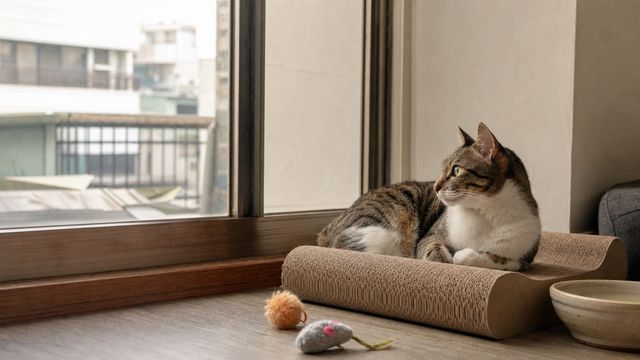
A relaxed cat might lie on its side, expose its belly, or sit in a "loaf" position, perhaps even resting its head against furniture. These postures don't necessarily indicate abnormality. The key is whether they can get up naturally, walk normally, and maintain their appetite. If your cat's posture is unusual but they are otherwise energetic, playful, and eating well, it's generally okay to document and observe.
Arching Back, Tucking Belly, Lying Low: How to Interpret Common Signs of Discomfort
An arched back doesn't always signify aggression or fear; it can also be related to pain. If your cat's back is arched, their abdomen is tucked, they walk cautiously, or are reluctant to jump up or down, it could indicate discomfort in their abdomen, back, joints, or urinary system. At such times, don't focus solely on a single action; consider it in conjunction with recent changes in their lifestyle.
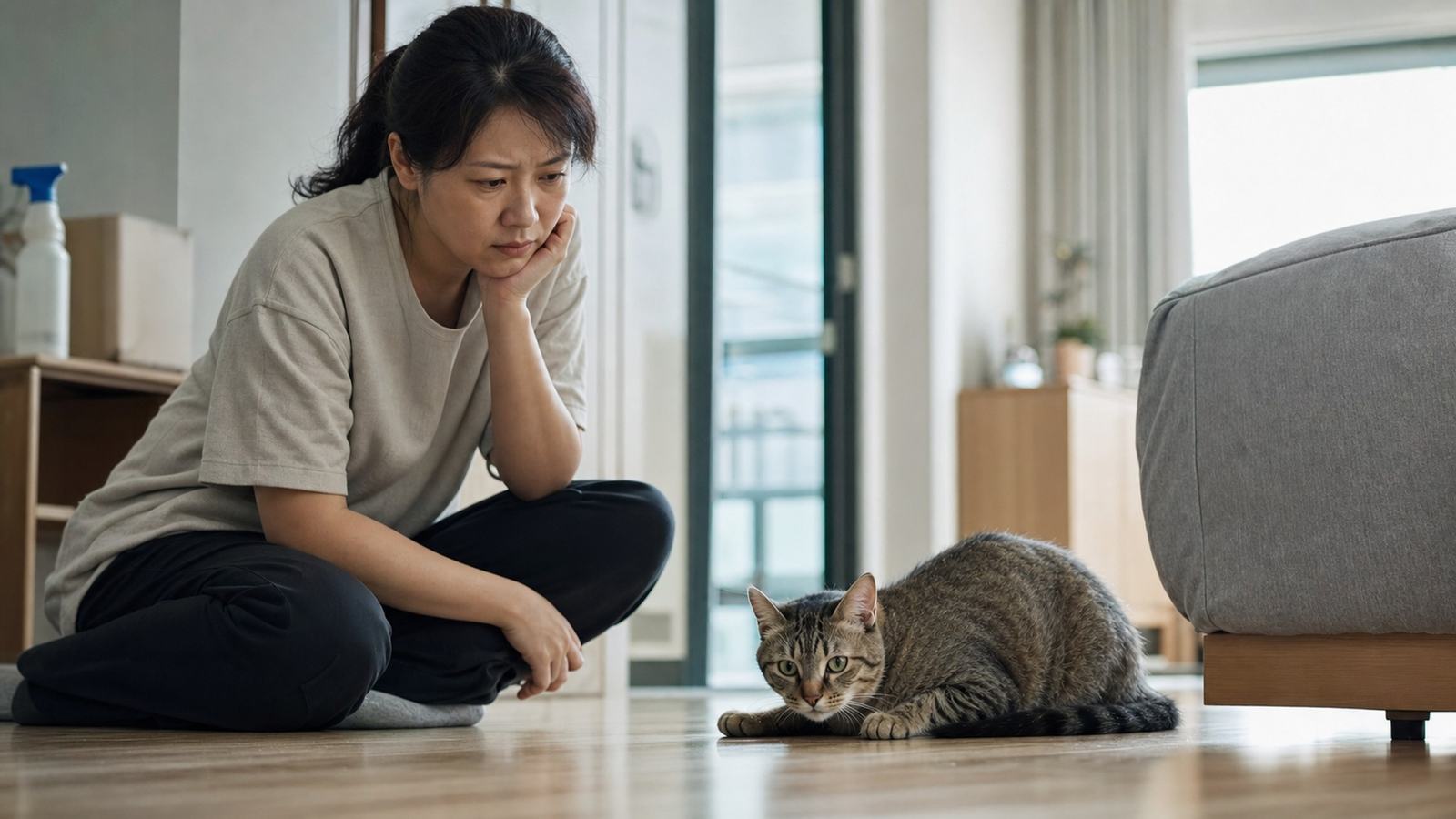
Tucking the belly is common when experiencing abdominal discomfort, nervousness, or pain. The cat might pull its limbs in tightly, not stretching its body. If a cat that usually sleeps sprawled out suddenly curls into a ball for a long time, eats less, or doesn't allow you to touch its belly, you need to pay attention. Cats are very good at enduring pain, so subtle details in their posture can sometimes be early warning signs.
Lying Low Motionlessly: Observe Breathing and Responsiveness
Lying low can sometimes be a prelude to play, other times a sign of fear, and also a sign of discomfort. Healthy low-lying usually involves focused eyes, a moving tail, and responsiveness to sounds. Uncomfortable low-lying might involve flattened ears, a vacant stare, rapid breathing, or constant hiding. If your cat lies low and is unwilling to move, or shows clear hesitation when moving, don't dismiss it as just a mood.
Observe in Conjunction with Appetite, Breathing, Litter Box Habits, and Activity Levels
The most practical way to determine if your cat's posture is problematic is to see if "other habits have changed along with it." For example, a sudden decrease in appetite, increased or decreased water intake, or a noticeable drop in activity level are all signals that need to be recorded. You can use your phone to take videos of their posture and gait, which will be helpful when explaining to the veterinarian.
Litter box habits are also crucial. Especially for male cats, frequent trips to the litter box, prolonged squatting without urination, could indicate a urinary emergency. If the cat is tucking its belly, arching its back, and accompanied by vocalizations, licking the urinary opening, blood in urine, or inappropriate urination, seek veterinary care immediately. These situations cannot be resolved by simply changing food or observing for a day.
Simple Records You Can Keep at Home
- Time: When did the abnormal posture start, and how long has it lasted?
- Appetite: Have they eaten less, become picky, or stopped eating altogether?
- Litter Box: Has there been a change in urine volume, stool consistency, or frequency of use?
- Activity: Are they reluctant to jump, play less, walking slower, or hiding?
- Breathing: Is their breathing rapid, open-mouthed, or is there significant chest/abdominal movement while resting?
This information is more helpful than simply saying "they seem strange." This is especially true in multi-cat households or small urban apartments where cats have many hiding places, making it easier for owners to discover abnormalities later. If you can record your cat's posture, appetite, and litter box habits together, your subsequent assessment will be more accurate.
Situations That Don't Wait: Warning Signs Requiring Immediate Veterinary Care
If your cat exhibits open-mouth breathing, rapid breathing, or pale or purple gums, do not observe them at home for too long; contact a veterinary hospital immediately. Cats do not typically pant like dogs when resting quietly, so open-mouth breathing is usually a significant warning sign. If accompanied by lying low and lethargy, immediate attention is even more critical.
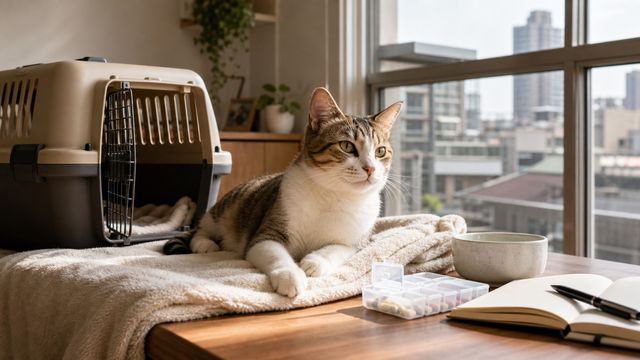
Additionally, if your cat has not eaten for more than a day, is repeatedly vomiting, appears unable to urinate, has a distended abdomen, is limping, or suddenly loses the ability to jump, it is also recommended to seek veterinary care promptly. If the change in posture is accompanied by painful vocalizations, increased aggression, or complete refusal to be touched, do not force handling or examination. It's best to place them in a carrier, minimize stimulation, and let a professional veterinarian assess the situation directly.
Do Not Self-Medicate with Human Drugs
Cats are highly sensitive to many human medications. Pain relievers, cold medicines, or over-the-counter drugs can be dangerous. Even if it seems like just stomach pain or an unusual gait, self-medicating is not recommended. The safest approach is to record the symptoms, take videos, and inquire with the veterinary hospital if emergency care is needed.
Before Going to a Cat Hotel or Groomer: Inform Them About Abnormal Postures
Before booking a cat hotel or grooming appointment, if your cat has recently shown signs like an arched back, tucked belly, lying low motionlessly, slower walking, or decreased appetite, it's advisable to inform them proactively. This isn't overreacting; it allows the care staff to assess if the cat is suitable for boarding, bathing, or grooming. For cats, going out, unfamiliar environments, and grooming procedures can all increase stress.
If your cat's abnormal posture has persisted for some time, it's best to see a veterinarian first before arranging accommodation or grooming. Bathing, blow-drying, and nail trimming, in particular, require physical tolerance. If the cat is already uncomfortable, the process might make them more anxious. Clearly communicating their health status provides peace of mind for the cat, the owner, and the care staff.
Information to Prepare Before Going Out
- Time of last abnormality: For example, lying low started last night, or tucking the belly this morning.
- Has a veterinarian been consulted: Any diagnosis, medication, or movements to avoid?
- Daily habits: Are they usually nervous, afraid of hairdryers, or wary of strangers?
- Diet and litter box: Have their eating, drinking, urination, and defecation habits been normal recently?
Good cat hotels and grooming services will pay attention to these details, not just the appointment time. If the care staff are aware of the cat's recent condition, they can adjust their interaction methods, observation frequency, and environmental arrangements. For cats prone to stress, these small considerations are practical forms of protection.
FAQ
Does an arched back always mean a cat is uncomfortable?
Not necessarily. Cats may arch their backs when stretching, startled, or preparing to play. However, if the arched back is accompanied by a tucked belly, loss of appetite, hiding, slower walking, or refusal to be touched, it's a sign to watch for pain or physical discomfort.
How long can I observe a cat that is lying low and not moving?
If their energy level, appetite, breathing, and litter box habits are normal, you can observe for a short period and take photos for documentation. However, if they exhibit rapid breathing, open-mouth breathing, inability to urinate, vomiting, complete loss of appetite, or obvious signs of pain, it's recommended not to wait and to seek veterinary care promptly.
Does a cat tucking its belly mean it has a stomach ache?
Tucking the belly can be related to abdominal discomfort, but it can also be a sign of nervousness, cold, or other pain responses. If accompanied by decreased appetite, vomiting, abnormal stools, frequent litter box visits, or reluctance to have their belly touched, a veterinary examination is recommended.
Can a cat with abnormal posture still go for grooming?
If it's just a temporary change in posture with normal energy and appetite, you can inform the grooming staff and continue to observe. However, if the abnormality has persisted, the cat appears uncomfortable, or there are issues with breathing, urination, or appetite, it's recommended to seek veterinary care first before scheduling grooming.
How can I record my cat's abnormal posture at home?
You can record when the abnormality started and how long it lasted, whether appetite has decreased, changes in litter box urine volume, stool, and frequency of use, whether they are reluctant to jump or play or are hiding, and if their breathing is rapid or open-mouthed while resting. Take photos and videos of their posture and gait to help explain to the veterinarian.
Conclusion
Your cat's posture is a crucial daily clue, but you cannot draw conclusions from a single action alone. By observing changes in posture in conjunction with appetite, breathing, litter box habits, and activity levels, you can detect problems requiring attention earlier. If you are planning to arrange cat hotel stays or grooming services, or wish to stock up on carriers, litter boxes, daily cleaning supplies, and stress-relief products, CatGarden can assist in providing care and product recommendations tailored to the Taiwanese owner's needs, based on your cat's personality and health condition.
Further Reading
- What to Prepare for a Vet Visit with Your Cat? Organize Health Records, Stool Photos, and a Checklist of Concerns
- How to Care for a Cat Lying Down for Extended Periods? Check for Bedsores, Fecal Soiling, and Hind Leg Weakness First
- How to Interpret Cat Bald Spots? Differentiate Between Skin Disease, Overgrooming, and Stress Signals
Frequently Asked Questions
Does an arched back always mean a cat is uncomfortable?
Not necessarily. Cats may arch their backs when stretching, startled, or preparing to play. However, if the arched back is accompanied by a tucked belly, loss of appetite, hiding, slower walking, or refusal to be touched, it's a sign to watch for pain or physical discomfort.
How long can I observe a cat that is lying low and not moving?
If their energy level, appetite, breathing, and litter box habits are normal, you can observe for a short period and take photos for documentation. However, if they exhibit rapid breathing, open-mouth breathing, inability to urinate, vomiting, complete loss of appetite, or obvious signs of pain, it's recommended to seek veterinary care promptly.
Does a cat tucking its belly mean it has a stomach ache?
Tucking the belly can be related to abdominal discomfort, but it can also be a sign of nervousness, cold, or other pain responses. If accompanied by decreased appetite, vomiting, abnormal stools, frequent litter box visits, or reluctance to have their belly touched, a veterinary examination is recommended.
Can a cat with abnormal posture still go for grooming?
If it's just a temporary change in posture with normal energy and appetite, you can inform the grooming staff and continue to observe. However, if the abnormality has persisted, the cat appears uncomfortable, or there are issues with breathing, urination, or appetite, it's recommended to seek veterinary care first before scheduling grooming.
How can I record my cat's abnormal posture at home?
You can record when the abnormality started and how long it lasted, whether appetite has decreased, changes in litter box urine volume, stool, and frequency of use, whether they are reluctant to jump or play or are hiding, and if their breathing is rapid or open-mouthed while resting. Take photos and videos of their posture and gait to help explain to the veterinarian.
CatGarden offers curated supplies, cat boarding, and grooming
Book services or shop online.