Caring for a Cat That Lies Down Too Much: Signs of Bedsores, Fecal Stains, and Hind Leg Weakness
If your cat is lying down more than usual and not moving much, don't just dismiss it as laziness. While cats naturally sleep a lot, a sudden change to prolonged lying down, infrequent position changes, or lack of interest in food or toys warrants attention. This is especially true for senior cats, post-operative cats, and those with chronic illnesses.
Key Takeaways
- The biggest risk for cats lying down for extended periods is prolonged pressure on the same body parts. Areas like the hips, shoulders, outer ankles, chest, and elbows can experience poor circulation, leading to redness, hair loss, or skin breakage. Early-stage bedsores may appear as simple skin redness or hardening.
- Cats that lie down for long periods or have weak hind legs often can't make it to the litter box in time. Urine and feces staining their rear, hind legs, and tail base can irritate the skin, causing rashes, eczema, or infections. Long-haired cats, overweight cats, and senior cats are particularly susceptible.
- If your cat is lying down excessively and also not eating or drinking, has rapid breathing, sudden hind leg weakness, inability to urinate, persistent vomiting, or a decreased level of consciousness, seek veterinary attention immediately. Sudden dragging of the hind legs, cold paws, or loud cries of pain may indicate an emergency.
- If your cat is simply sleeping more but is still eating, drinking, playing, and using the litter box when awake, you can usually observe them. However, if they are noticeably inactive for an entire day or their activity level is significantly lower than usual, it's advisable to be vigilant.
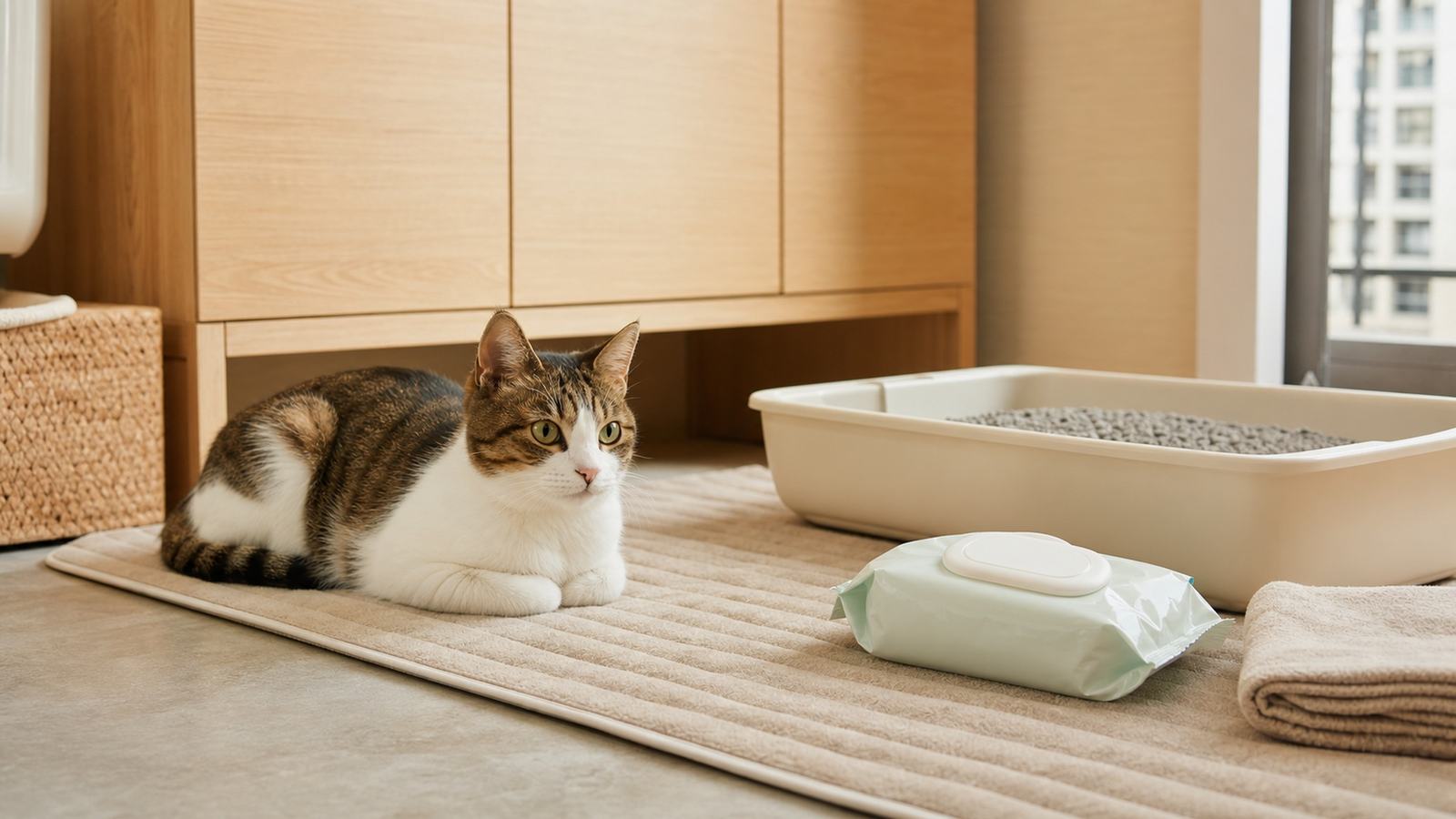
- For localized cleaning, gently wipe away dirt with a warm, damp gauze pad or pet wipe. Avoid vigorous scrubbing. After cleaning, ensure the area is thoroughly dried with a towel or hairdryer, as moisture can worsen skin problems.
Don't Just Assume Laziness When Your Cat Lies Down Too Much
Cats naturally love to sleep, but if your cat suddenly starts lying down for extended periods, rarely changes position, or shows no interest in their favorite food or toys, it shouldn't be dismissed as laziness. This is particularly true for senior cats, cats recovering from surgery, and cats with chronic illnesses. Prolonged lying down can indicate declining energy, pain, dehydration, or reduced mobility.
In Taiwan's humid and hot summers, especially during the rainy season when indoor humidity is high, cats that lie down for long periods are more prone to skin issues like trapped moisture, matted fur, and lingering urine odor. Owners should observe if their cat is still drinking water, eating, and using the litter box independently, and if they show hesitation when turning over or moving. If these changes occur suddenly, it's recommended not to delay seeking advice.
How to Observe Hind Leg Weakness, Instability, and Pain Signals
When your cat is lying down for extended periods, the first thing to check is whether they can stand up normally. Observe if their hind legs slip, splay outwards, or drag when they stand, or if they sit down after only a few steps. Difficulty jumping onto the sofa or entering/exiting the litter box can also be signs of hind leg weakness or joint pain.
Pain in cats doesn't always manifest as vocalization. Many cats become quiet, hide, or avoid being touched on their lower back or hind legs. You can approach them gently and observe if they retract their legs, flick their tail, flatten their ears, or suddenly bite when their hips, knees, or paws are touched. Avoid forcibly trying to make them stand, as this could cause further injury.
Simple Behavioral Changes to Record
- Whether they can walk to their water bowl, food bowl, and litter box independently each day.
- If their hind legs drag on the ground, cross over, tremble, or appear unstable.
- If they suddenly stop jumping high, climbing stairs, or are reluctant to be held.
- Any noticeable decline in their walking posture compared to the previous day.
Bedsores and Skin Problems Most Common in Cats That Lie Down Too Much
The primary concern for cats lying down for extended periods is prolonged pressure on the same body parts. Areas like the hips, shoulders, outer ankles, chest, and elbows can experience poor circulation, leading to redness, hair loss, or skin breakage. Early-stage bedsores may appear as simple skin redness or hardening, but continued pressure can lead to oozing, crusting, or even infection.
When checking your cat's skin daily, gently part the fur and don't just look at the surface. If your cat has dense or matted fur, skin problems can often be hidden until an odor is detected, indicating inflammation. During humid seasons, using a dehumidifier to keep resting areas dry and employing soft, washable mats can help distribute pressure.
Key Points for Home Care
If your cat lies down but can still reposition themselves, place flat, soft cushions in their usual resting spots to prevent wrinkles from pressing on the skin. If they rarely change position on their own, assist them with regular repositioning as recommended by your veterinarian and check pressure points for redness. If there is broken skin, discharge, or a foul odor, do not apply human ointments; seek veterinary care immediately.
Managing Fecal Stains, Odors, and Localized Cleaning
When cats lie down for extended periods or have weak hind legs, they may not be able to reach the litter box in time, or their squatting posture may be unstable, leading to urine and feces staining their rear, hind legs, and tail base. Fecal matter on the fur not only causes odor but can also irritate the skin, leading to rashes, eczema, or infections. This is particularly common in long-haired cats, overweight cats, and senior cats.
To clean, first dampen a gauze pad or pet wipe with warm water and gently wipe away the dirt. Avoid vigorous scrubbing. If the fur has become matted into hard clumps, it's best to have it handled by a groomer experienced with cats or a veterinarian to prevent accidental cuts close to the skin. After cleaning, ensure the area is thoroughly dried with a towel or hairdryer, as moisture can worsen skin problems.
Environmental Adjustments You Can Make
- Switch to a litter box with a low entrance to make it easier for cats with weak hind legs to get in and out.
- Place food bowls, water bowls, and sleeping mats closer together to reduce their need to move.
- Clean soiled mats daily to prevent lingering odors from irritating the skin.
- For long-haired cats, trim the fur around their rear end to reduce the likelihood of staining.
When to See a Vet Immediately and How to Track Changes
If your cat is lying down excessively and also not eating or drinking, has rapid breathing, sudden hind leg weakness, inability to urinate, persistent vomiting, or a decreased level of consciousness, seek veterinary attention immediately. Signs like suddenly dragging their hind legs, having cold paws, or loud cries of pain may indicate an emergency and are not suitable for home observation. For senior cats, if they are noticeably inactive for one or two consecutive days, it's also recommended to schedule a check-up.
Using your phone to record short videos of your cat walking, standing up, and using the litter box can be more helpful for the veterinarian than verbal descriptions. You can also keep a log of their food and water intake, frequency of urination and defecation, weight, and overall demeanor. These records can help differentiate between temporary discomfort and the worsening of a chronic condition.
Recommended Recording Items
- Date, time, and the cat's mental state for the day.
- Food intake, water consumption, urination, and defecation status.
- Ability to stand independently, walk, jump up and down.
- Any redness, broken skin, odor, or discharge on the skin.
FAQ
How long is too long for a cat to lie down?
If your cat is simply sleeping more but is still eating, drinking, playing, and using the litter box when awake, you can usually observe them. However, if they are noticeably inactive for an entire day or their activity level is significantly lower than usual, it's advisable to be vigilant.
Can I bathe a cat that lies down a lot?
Not always suitable. Bathing may cause stress and hypothermia for cats that are weak, in pain, or have wounds. It's recommended to start with localized cleaning and seek assistance from a veterinarian or professional cat groomer if necessary.
Can I apply medication if I find bedsores?
It is not recommended to use human medications without veterinary guidance. Cats groom themselves, and some ointments may not be suitable for them. If there is broken skin, discharge, or a foul odor, a veterinarian should assess the situation.
Is hind leg weakness always due to aging?
Not necessarily. Degenerative joint disease, neurological issues, injuries, blood clots, nutritional deficiencies, or internal medical conditions can all cause hind leg weakness. Sudden onset requires prompt veterinary examination.
How do I observe signs of hind leg weakness or pain in my cat?
Observe if their hind legs slip, splay outwards, or drag when they stand, or if they sit down after only a few steps, or have difficulty jumping onto the sofa. Cats in pain often become quiet, hide, or avoid being touched on their lower back or hind legs. They may retract their legs, flick their tail, or suddenly bite when touched.
Keeping Cats That Lie Down a Lot Clean and Comfortable
When caring for cats that lie down a lot or have slowed mobility, the focus isn't on making them look beautiful, but on keeping their skin dry, preventing fecal matter from soiling their fur, and reducing pressure during rest. If you are caring for a senior cat, a recovering cat, or a long-haired cat in Taiwan, Cat Garden can help assess suitable grooming methods and recommend easy-to-clean, replaceable cat supplies to make daily care more stable and less strenuous.
Further Reading
- Understanding Cat Bald Spots: Distinguishing Skin Disease, Overgrooming, and Stress
- Choosing a Cat Spay/Neuter Clinic: Pre-Surgery Check-ups, Anesthesia Equipment, and Post-Op Care
- Is Cat Rehabilitation Effective? Acupuncture, Laser Therapy, and What to Ask Before Seeing a Vet for Neurological Issues
Frequently Asked Questions
How long is too long for a cat to lie down?
If your cat is simply sleeping more but is still eating, drinking, playing, and using the litter box when awake, you can usually observe them. However, if they are noticeably inactive for an entire day or their activity level is significantly lower than usual, it's advisable to be vigilant.
Can I bathe a cat that lies down a lot?
Not always suitable. Bathing may cause stress and hypothermia for cats that are weak, in pain, or have wounds. It's recommended to start with localized cleaning and seek assistance from a veterinarian or professional cat groomer if necessary.
Can I apply medication if I find bedsores?
It is not recommended to use human medications without veterinary guidance. Cats groom themselves, and some ointments may not be suitable for them. If there is broken skin, discharge, or a foul odor, a veterinarian should assess the situation.
Is hind leg weakness always due to aging?
Not necessarily. Degenerative joint disease, neurological issues, injuries, blood clots, nutritional deficiencies, or internal medical conditions can all cause hind leg weakness. Sudden onset requires prompt veterinary examination.
How do I observe signs of hind leg weakness or pain in my cat?
Observe if their hind legs slip, splay outwards, or drag when they stand, or if they sit down after only a few steps, or have difficulty jumping onto the sofa. Cats in pain often become quiet, hide, or avoid being touched on their lower back or hind legs. They may retract their legs, flick their tail, or suddenly bite when touched.
CatGarden offers curated supplies, cat boarding, and grooming
Book services or shop online.