What to Prepare for a Vet Visit with Your Cat? Organize Health Records, Stool Photos, and a Question List First
Why organize health records before seeing the vet? The most common situation when taking your cat to the vet isn't "no symptoms," but that symptoms may not appear in the examination room. Cats are very stoic and can easily hide discomfort due to stress.

Key Takeaways
- Cats are stoic and can temporarily hide discomfort due to stress, so symptoms may not always appear in the clinic. Therefore, health records organized by the owner beforehand are often more helpful than descriptions given at the moment.
- When organizing health records, focus on three key points: when it started, how often it occurs, and how much it differs from normal. For example, "started eating less three days ago" is clearer than simply saying "acting strange."
- If your cat eats significantly less for over a day, or if it's accompanied by lethargy, vomiting, or diarrhea, it's advisable not to delay. Schedule an appointment or consult the veterinary hospital as soon as possible. Also, be particularly vigilant for frequent urination, inability to urinate, or blood in the urine.
- It's recommended to weigh your cat consistently every week or two, especially for senior cats, those on a weight loss plan, or cats with chronic illnesses. If you don't have a pet scale, you can roughly estimate by weighing yourself holding the cat and then subtracting your own weight.
- If your cat experiences difficulty breathing, inability to urinate, weakness, continuous seizures, severe trauma, or ingests unknown medication or toxins, contact the veterinary hospital or emergency service immediately. Do not delay seeking medical attention to take photos or collect materials.
Why Organize Health Records Before Seeing the Vet
The most common situation when taking your cat to the vet isn't "no symptoms," but that symptoms may not always appear in the examination room. Cats are very stoic and can easily hide discomfort due to stress, so health records organized by the owner beforehand are often more helpful than descriptions given at the moment. Details like decreased appetite, increased water intake, or changes in bowel movements are easily underestimated or unclear if relying solely on memory.
The purpose of preparing records is not self-diagnosis, but to help the veterinarian quickly grasp the timing, frequency, and severity of changes. This information is even more crucial for first-time vet visits, when switching to a new clinic, or when your cat has a chronic condition. Organizing recent conditions into a simple list can make consultations more efficient and reduce the chance of missing key clues.
Focus on Three Key Points: Time, Frequency, and Change
Your records don't need to be as detailed as a medical chart. Just focus on "when it started, how often it occurs, and how much it differs from normal." For instance, "started eating less three days ago," "vomits once a day this week," or "litter box clumps have been larger recently" are clearer than simply saying "acting strange." If you have multiple cats, it's best to note which cat is experiencing the issue to avoid confusion.
How to Record Appetite, Water Intake, Elimination, and Weight
Appetite is one of the most valuable items to track before a vet visit. You can record approximately how much dry food, wet food, or treats your cat eats daily, whether they suddenly become picky, only lick the gravy without eating the meat, or refuse food they normally love. If your cat eats significantly less for over a day, or if it's accompanied by lethargy, vomiting, or diarrhea, it's advisable not to delay. Schedule an appointment or consult the veterinary hospital as soon as possible.
Water intake and changes in urination are also important, especially in Taiwan's humid and hot summers. Air-conditioned rooms and dehumidified environments can lead owners to misjudge their cat's drinking habits. You can observe how often you refill the water bowl, the speed at which the water level in the fountain drops, and the size and frequency of urine clumps in the litter box. Be particularly vigilant if you notice frequent urination, inability to urinate, prolonged time spent in the litter box, or blood in the urine.
Don't Just Look at "Presence or Absence" for Stool and Weight
Stool records can include frequency, shape, color, consistency, and the presence of mucus or blood. Constipation, loose stools, or diarrhea can be related to diet, stress, parasites, gastrointestinal issues, or other health problems. The more specific your description, the more it helps the veterinarian determine the next steps for examination. For weight, it's recommended to weigh your cat consistently every week or two, especially for senior cats, cats on a weight loss plan, or cats with chronic illnesses.
If you don't have a pet scale at home, you can roughly estimate by "weighing yourself holding the cat and then subtracting your own weight." While not as precise as a clinic scale, a series of numbers can still show trends. Significant weight loss or gain in a short period is worth mentioning proactively during your vet visit.
When Photos, Videos, and Samples Are Helpful
Many symptoms are obvious at home but may not reappear in the clinic. In such cases, photos and videos are very valuable. You can use your phone to record coughing, sneezing, unsteady gait, twitching, pre- and post-vomiting behavior, or abnormal urination posture. Videos don't need to be edited; as long as they clearly capture the action, sound, and duration, they are usually sufficient.
Stool photos are also useful, especially when the stool is loose, diarrheal, appears to contain worms, blood, or foreign objects. If the veterinary hospital asks you to bring a stool sample, use a clean zip-top bag or a specimen container. Try to select a fresh sample and avoid mixing in too much litter. You can call ahead to confirm if a sample is needed and how to store it to avoid a wasted trip.
Don't Delay Emergency Care for Photos
Photos and videos are supplementary and should not replace medical judgment. If your cat experiences difficulty breathing, inability to urinate, weakness, continuous seizures, severe trauma, or ingests unknown medication or toxins, contact the veterinary hospital or emergency service immediately. Don't spend too much time collecting materials. Take photos if possible, but prioritize medical attention if not. Safety always comes first.
What Information to Bring for Medications, Supplements, and Past Medical History
Before seeing the vet, please organize all medications, supplements, nutritional supplements, dewormers, and topical treatments your cat is currently taking. It's best to photograph the packaging, ingredient labels, dosage, and frequency of use, or bring them directly to the clinic. Many owners may not consider supplements as "medication," but for veterinarians, this information can influence treatment decisions.
Also, prepare your cat's past medical history, such as previous urinary tract issues, kidney disease, heart disease, stomatitis, skin allergies, pancreatitis, diabetes, or anesthetic reactions. If you have past blood tests, urine tests, X-rays, or ultrasound reports, bring hard copies or save them on your phone. When seeing a vet at a different clinic, this information can reduce the need for repeat tests and help the doctor compare changes in your cat's condition.
List Your Questions in Advance
Clinic time is limited, and owners may forget what they originally wanted to ask when their cat is stressed. It's recommended to write down a list of questions in your phone's memo app, such as whether a change in diet is needed, how long to administer medication, under what circumstances to return for a follow-up, whether bathing is allowed, or if a cone collar is necessary. After asking, you can also briefly note down the doctor's instructions to avoid miscommunication among family members at home.
Carrier, Appointment Time, and Post-Visit Observation Should Also Be Prepared
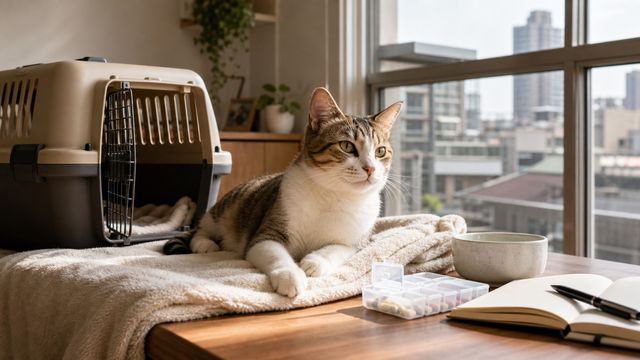
A carrier is the most basic safety equipment for taking your cat to the vet. It's recommended to use a sturdy, well-ventilated model that opens from the top or front. Before going out, you can place a familiar towel inside the carrier to reduce your cat's anxiety. If your cat is very afraid of going out, you can leave the carrier open in the house for a few days beforehand, allowing them to enter and exit freely. Do not carry your cat or use flimsy bags, as they could escape if startled on the way, which is very dangerous.
Appointment times also affect the quality of the visit. If your cat is prone to stress, ask the veterinary hospital if you can schedule an appointment during a quieter time. Confirm transportation, parking, or waiting room rules in advance. Travel can be unpredictable during peak hours in urban areas. If you're traveling across districts from Banqiao, New Taipei, or Taipei City, allow for buffer time and avoid making your cat wait too long on the road or in the waiting room.
Post-Visit Observation Is More Important Than You Think
After the vet visit, continue to observe your cat's appetite, energy levels, urination, defecation, and any reactions at the injection site or wound. If medication is prescribed, complete the full course as directed by the veterinarian; do not stop medication just because your cat seems to be improving. If your cat experiences persistent vomiting, severe lethargy, abnormal breathing, inability to urinate, or worsening symptoms, contact the veterinary hospital immediately.
If you have multiple cats, they might hiss or reject the cat that visited the vet due to the clinic's scent. You can let the visiting cat rest in a quiet room first, and reintroduce them once the scent has faded. Providing a clean litter box, a comfortable resting place, and easily digestible food can also help your cat return to its normal routine more quickly.
FAQ
Q1: Do I always need to bring stool samples when taking my cat to the vet?
Not necessarily. Bringing stool samples to every vet visit is not always required. It is recommended to bring a fresh sample if your cat has diarrhea, loose stools, blood in the stool, suspected parasites, or if the veterinary hospital specifically requests it. Calling ahead to confirm will be more reliable than preparing it last minute.
Q2: My cat is very afraid of going out, but do they still need regular vet check-ups?
Yes. Fear of going out does not mean regular health check-ups can be skipped, especially for senior cats and those with chronic illnesses who require monitoring. You can train them with the carrier in advance, schedule appointments during quiet times, and ask the vet for stress-reduction advice if necessary.
Q3: Can I give my cat over-the-counter or human medication before a vet visit?
It is not recommended. Many human medications can be dangerous for cats, and dosages cannot be directly converted based on human weight. If you suspect your cat is unwell, contact the veterinary hospital first and provide complete information about any medications or supplements already administered.
Q4: I don't record daily. What should I do if I need to see the vet urgently?
Try to recall the changes over the past week and organize general information about appetite, water intake, urination, defecation, energy levels, and weight. Supplement this with photos, videos, current diet, and medication information, which can also be very helpful. The key is to describe honestly; don't guess numbers to appear complete.
Also Prepare Daily Supplies Before the Vet Visit
Cat care doesn't stop at the clinic; it's also in their daily diet, litter box habits, grooming, and preparation for outings. Having a sturdy carrier, suitable litter, easy-to-clean food bowls, and observation tools can make both before and after vet visits smoother. If you want to stock up on daily care supplies for your cat, you can visit CatGarden to choose from popular cat products used by Taiwanese owners, covering everything from outings and grooming to diet and care, ensuring peace of mind for every vet visit and subsequent care at home.
Further Reading
- How to Care for a Cat That's Lying Down for Extended Periods? Check for Pressure Sores, Fecal Stains, and Hind Leg Weakness Signals
- How to Interpret Cat Bald Spots? Differentiate Between Skin Disease, Over-Grooming, and Stress Signals
- How to Choose a Veterinary Clinic for Cat Neutering? Ask About Pre-Surgery Check-ups, Anesthesia Equipment, and Post-Operative Care First
Common Questions
Do I always need to bring stool samples when taking my cat to the vet?
Not necessarily. Bringing stool samples to every vet visit is not always required. It is recommended to bring a fresh sample if your cat has diarrhea, loose stools, blood in the stool, suspected parasites, or if the veterinary hospital specifically requests it. Calling ahead to confirm will be more reliable than preparing it last minute.
My cat is very afraid of going out, but do they still need regular vet check-ups?
Yes. Fear of going out does not mean regular health check-ups can be skipped, especially for senior cats and those with chronic illnesses who require monitoring. You can train them with the carrier in advance, schedule appointments during quiet times, and ask the vet for stress-reduction advice if necessary.
Can I give my cat over-the-counter or human medication before a vet visit?
It is not recommended. Many human medications can be dangerous for cats, and dosages cannot be directly converted based on human weight. If you suspect your cat is unwell, contact the veterinary hospital first and provide complete information about any medications or supplements already administered.
I don't record daily. What should I do if I need to see the vet urgently?
Try to recall the changes over the past week and organize general information about appetite, water intake, urination, defecation, energy levels, and weight. Supplement this with photos, videos, current diet, and medication information, which can also be very helpful. The key is to describe honestly; don't guess numbers to appear complete.
What should I pay attention to after returning home from the vet?
After returning home, observe your cat's appetite, energy levels, urination, defecation, and any reactions at the injection site or wound. If medication is prescribed, complete the full course as directed by the veterinarian; do not stop medication just because your cat seems to be improving. If your cat experiences persistent vomiting, severe lethargy, abnormal breathing, inability to urinate, or worsening symptoms, contact the veterinary hospital immediately.
CatGarden offers curated supplies, cat boarding, and grooming
Book services or shop online.