Can Cats Get Heartworm? Watch for Coughing, Appetite Changes, and Prevention When Mosquitoes Increase in Summer
What is feline heartworm? How does it differ from canine heartworm? Feline heartworm is a parasitic disease transmitted by mosquito bites, with adult worms primarily residing near the heart and pulmonary arteries. Many owners have heard of canine heartworm but assume cats are less susceptible, which is a common misconception.
Key Takeaways
- Cats can get heartworm. Even indoor cats that never go outside are not entirely risk-free; infection can occur if they are bitten by a mosquito carrying larvae.
- The main difference between feline and canine heartworm is that cats typically have fewer worms, but these can trigger significant lung inflammation. Even a small number of heartworms can pose a serious risk.
- Cats infected with heartworm may not always show typical symptoms. However, if they exhibit coughing, rapid breathing, wheezing, open-mouth breathing, decreased activity, poor appetite, or weight loss, they should see a veterinarian promptly.
- Diagnosing feline heartworm is not as straightforward as in dogs. Your vet may recommend blood tests, imaging, and owner-provided information about the cat's environment, medication history, and videos of symptoms can be very helpful.
- Prevention is more important than treatment. Owners can focus on regular prevention, environmental control, symptom observation, and health records. Your vet will choose the appropriate preventive medication based on the cat's age, weight, and lifestyle.
What is Feline Heartworm? How Does it Differ from Canine Heartworm?
Feline heartworm is a parasitic disease transmitted by mosquito bites, with adult worms primarily residing near the heart and pulmonary arteries. Many owners have heard of canine heartworm but assume cats are less susceptible, which is a common misconception. While cats are not the ideal host for heartworms, they can still become infected if bitten by a mosquito carrying larvae.
The biggest difference between cats and dogs is that cats typically have fewer worms, but these can trigger significant lung inflammation. Because there are fewer worms, diagnosis can sometimes be less straightforward than in dogs, and symptoms are often mistaken for asthma, hairballs, or general respiratory issues. For cats, even a small number of heartworms can pose a serious risk.
Why Are Cats More Likely to Be Overlooked?
Cats are good at hiding discomfort. Early signs might be reduced activity, eating more slowly, or occasional coughing. In multi-cat households, small city apartments, or busy families, these changes can easily be dismissed as being due to hot weather or laziness. If mosquitoes become more prevalent in the summer, feline heartworm should definitely be added to your observation list.
Do Indoor Cats Have a Risk? Situations to Watch For With More Mosquitoes in Taiwan's Summer
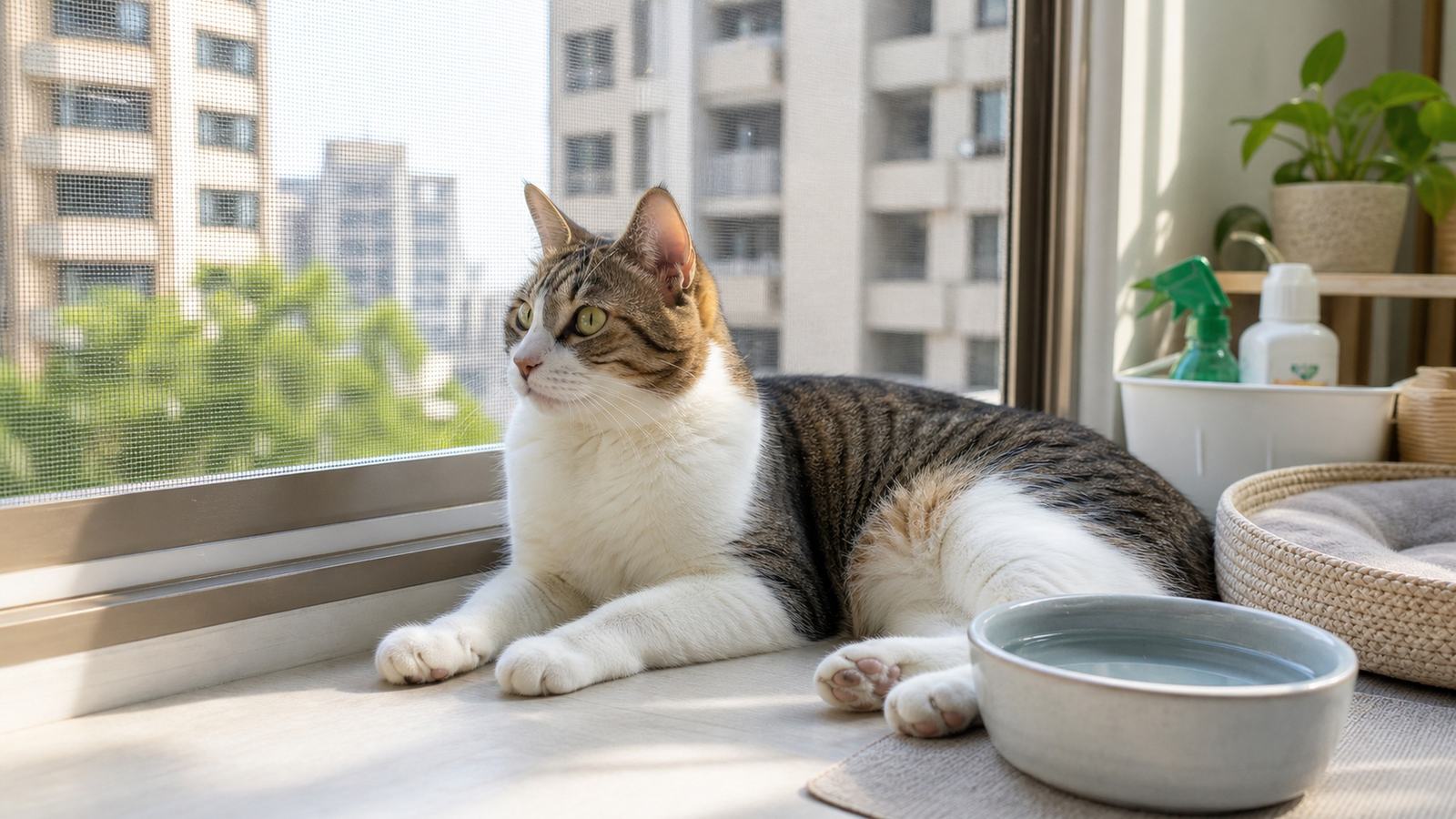
Indoor cats are not risk-free. Taiwan's humid summers, combined with the rainy season, afternoon thunderstorms, stagnant water on balconies, and damp basement or stairwell environments, can all lead to an increase in mosquitoes. Mosquitoes don't need a cat to go outside to reach them; they can enter homes through gaps in screens, doors, elevators, or hallways.
Owners in metropolitan areas like New Taipei City or Taipei often assume higher floors are safer, but as long as there are mosquitoes in the house, there's an exposure risk. Balconies with potted plants, water trays, or drainage holes, or frequent opening of doors for deliveries or trash disposal, all provide opportunities for mosquitoes to enter. For cats that never go outside, prevention concepts can be even more easily overlooked.
Which Household Situations Require Extra Caution?
- Mosquitoes are frequently seen near balcony, bathroom, or kitchen drains.
- Your cat enjoys spending time by windows, near balcony doors, or at the entrance.
- There are parks, ditches, many potted plants, or underground parking garages near your home.
- You are not consistently using preventive medication as recommended by your veterinarian during the summer.
If you've ever killed a mosquito inside your home, it means your indoor cat may still be exposed to the vector. The key to preventing feline heartworm isn't whether your cat goes outside, but assessing the likelihood of mosquito bites in their living environment.
What we use for this
CatGarden’s own products, shipped from Taiwan Pro ProbioticsFrom CA$26.60 per boxFree shipping on multi-packs
Coughing, Wheezing, Poor Appetite: Which Symptoms Warrant a Prompt Vet Visit?
Cats may not always show typical symptoms after infection, and some may appear normal. However, if your cat exhibits coughing, rapid breathing, wheezing, open-mouth breathing, or decreased activity, it's advisable not to observe for too long on your own. Respiratory problems in cats can change rapidly, and delays can increase the difficulty of treatment.
Poor appetite, weight loss, vomiting, and lethargy can also be warning signs. These symptoms don't necessarily indicate feline heartworm; they could be related to asthma, heart disease, infections, or gastrointestinal issues. The important thing is not to self-medicate with human drugs or to attribute all changes solely to "hairballs" or "hot weather."
When Should You Seek Veterinary Care Immediately?
- Noticeably rapid breathing, with quick chest and abdominal movements even at rest.
- Open-mouth breathing, wheezing, or sudden weakness.
- Persistent coughing, especially if accompanied by decreased appetite.
- A missed dose of preventive medication, followed by unusual symptoms during mosquito season.
During your visit, your veterinarian may recommend blood tests, imaging, or other assessments based on the situation. Because diagnosing feline heartworm is not as straightforward as in dogs, owner-provided information about the cat's environment, medication history, and videos of symptoms can be very helpful.
How to Prevent Heartworm: Medication, Environmental Mosquito Control, and Common Misconceptions
Prevention is generally more important than treatment, especially since managing feline heartworm is more complex than in dogs. Owners should discuss options with a veterinarian familiar with cats to choose a preventive medication suitable for their cat's age, weight, and lifestyle. Different products have varying usage methods, frequencies, and target audiences. It is not recommended to use dog medication or internet remedies for cats.
Feline heartworm prevention requires consistency, not just thinking about it when mosquitoes appear. Taiwan has long, humid summers, and some households may encounter mosquitoes year-round. Therefore, consult your vet about the need for long-term, regular prevention. If you have multiple cats, ensure each one has an appropriate medication plan.
Environmental Mosquito Control is Also Essential
- Regularly clear stagnant water from balconies, plant saucers, and bathroom corners.
- Inspect window screens and door gaps to reduce mosquito entry into the home.
- Avoid exposing cats to unknown mosquito repellent essential oils or insecticide products.
- Always confirm the safety of any environmental agents for cats before use.
Common misconceptions include: "Indoor cats don't need prevention," "Only stop medication in winter," and "Cats rarely get it, so it's not a concern." In reality, the need for prevention should be determined by the living environment, mosquito density, the cat's health status, and veterinary recommendations. Cats with chronic respiratory issues, in particular, should not take risks.
Before Boarding or Grooming, What Health Records Can Owners Prepare?
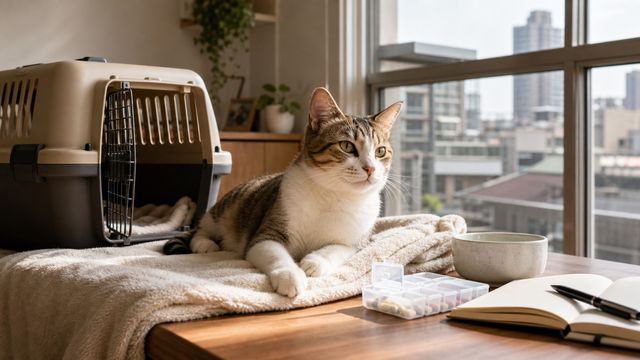
If your cat is preparing for boarding, grooming, a move, or short-term stays, it's recommended to compile basic health information. This includes the date of the last check-up, vaccination records, dates of flea and heartworm prevention medication, any chronic disease medications, and a history of coughing or wheezing. This information can help caregivers quickly understand the cat's condition.
While an external environment doesn't guarantee risk, unfamiliar surroundings can stress a cat, potentially exacerbating pre-existing, subtle discomforts. If your cat has recently experienced respiratory issues, appetite changes, or lethargy, it's best to see a vet first before arranging boarding or grooming. For cats suspected of having feline heartworm or respiratory problems, stabilizing their health is more important than rushing appointments.
Recommended List of Information to Prepare
- Preventive medication brand, date of last dose, and next scheduled dose.
- Recent videos of symptoms, such as coughing, wheezing, or rapid breathing.
- Veterinary clinic name, contact information, and list of commonly used medications.
- Dietary habits, allergy history, and common reactions when stressed.
Keeping this information in your phone's notes app allows for quick access when needed. For cat care, complete records are not just a formality but help make every outing more manageable.
Conclusion: Summer Mosquito Prevention Starts with Daily Care
Can cats get heartworm? Yes, they can, and even indoor cats are not entirely risk-free. With more mosquitoes in Taiwan during the summer, owners can focus on regular prevention, environmental cleaning, symptom observation, and health records. If you notice coughing, wheezing, poor appetite, or significant changes in behavior, consult your veterinarian promptly.
Caring for a cat isn't just about fixing problems when they arise; it's about proactively reducing risks. If you're organizing summer mosquito prevention supplies, boarding essentials, or daily care items, CatGarden also offers a selection of cat products suitable for Taiwanese cat families, from carriers and cleaning supplies to daily health supplements, to help owners prepare a more complete care routine. When choosing products, prioritize cat safety, veterinary recommendations, and practical living situations, making prevention a small, achievable habit every day.
FAQ
Q1: Do indoor cats really need heartworm prevention?
Indoor cats can still be bitten by mosquitoes, so whether prevention is needed should be discussed with your veterinarian. Taiwan's summers are humid with long periods of mosquito activity. If you frequently see mosquitoes in your home, it's recommended not to completely disregard prevention.
Q2: Is coughing in cats always heartworm?
Not necessarily. Coughing can also be related to asthma, infections, allergies, hairballs, or other diseases. However, persistent coughing, wheezing, or decreased appetite warrant a veterinary check-up. Do not self-diagnose and delay treatment.
Q3: Can I use heartworm medication for dogs on cats?
It is not recommended. Cats can be sensitive to certain ingredients, and dog medication may not be suitable for cats. Any heartworm preventive medication should be used as recommended by a veterinarian, based on the cat's weight, age, and health status.
Q4: Can feline heartworm be treated?
The approach to treating feline heartworm differs from that in dogs. Clinically, care is usually arranged based on symptoms, examination results, and risk assessment. The key is not to wait until symptoms are severe; regular prevention is more reliable.
Further Reading
- Cat's Strange Postures: Are They Uncomfortable? Recognizing Warning Signs Like Arched Backs, Tucked Bellies, and Lying Flat
- What to Prepare for a Vet Visit with Your Cat? Health Records, Stool Photos, and Question Lists First
- Caring for a Cat That Lies Down for Long Periods: Check for Bedsores, Fecal Stains, and Hind Leg Weakness First
Common Questions
Do indoor cats really need heartworm prevention?
Indoor cats can still be bitten by mosquitoes, so whether prevention is needed should be discussed with your veterinarian. Taiwan's summers are humid with long periods of mosquito activity. If you frequently see mosquitoes in your home, it's recommended not to completely disregard prevention.
Is coughing in cats always heartworm?
Not necessarily. Coughing can also be related to asthma, infections, allergies, hairballs, or other diseases. However, persistent coughing, wheezing, or decreased appetite warrant a veterinary check-up. Do not self-diagnose and delay treatment.
Can I use heartworm medication for dogs on cats?
It is not recommended. Cats can be sensitive to certain ingredients, and dog medication may not be suitable for cats. Any heartworm preventive medication should be used as recommended by a veterinarian, based on the cat's weight, age, and health status.
Can feline heartworm be treated?
The approach to treating feline heartworm differs from that in dogs. Clinically, care is usually arranged based on symptoms, examination results, and risk assessment. The key is not to wait until symptoms are severe; regular prevention is more reliable.
What health records should be prepared before boarding or grooming?
It is recommended to compile the date of the last check-up, vaccination records, dates of flea and heartworm prevention medication, any chronic disease medications, and a history of coughing or wheezing. You can also prepare recent videos of symptoms and a list of commonly used medications.
CatGarden offers curated supplies, cat boarding, and grooming
Book services or shop online.