Does Your Cat Need a Regular Veterinarian? A Guide to Vaccinations, Chronic Illnesses, and Emergency Records
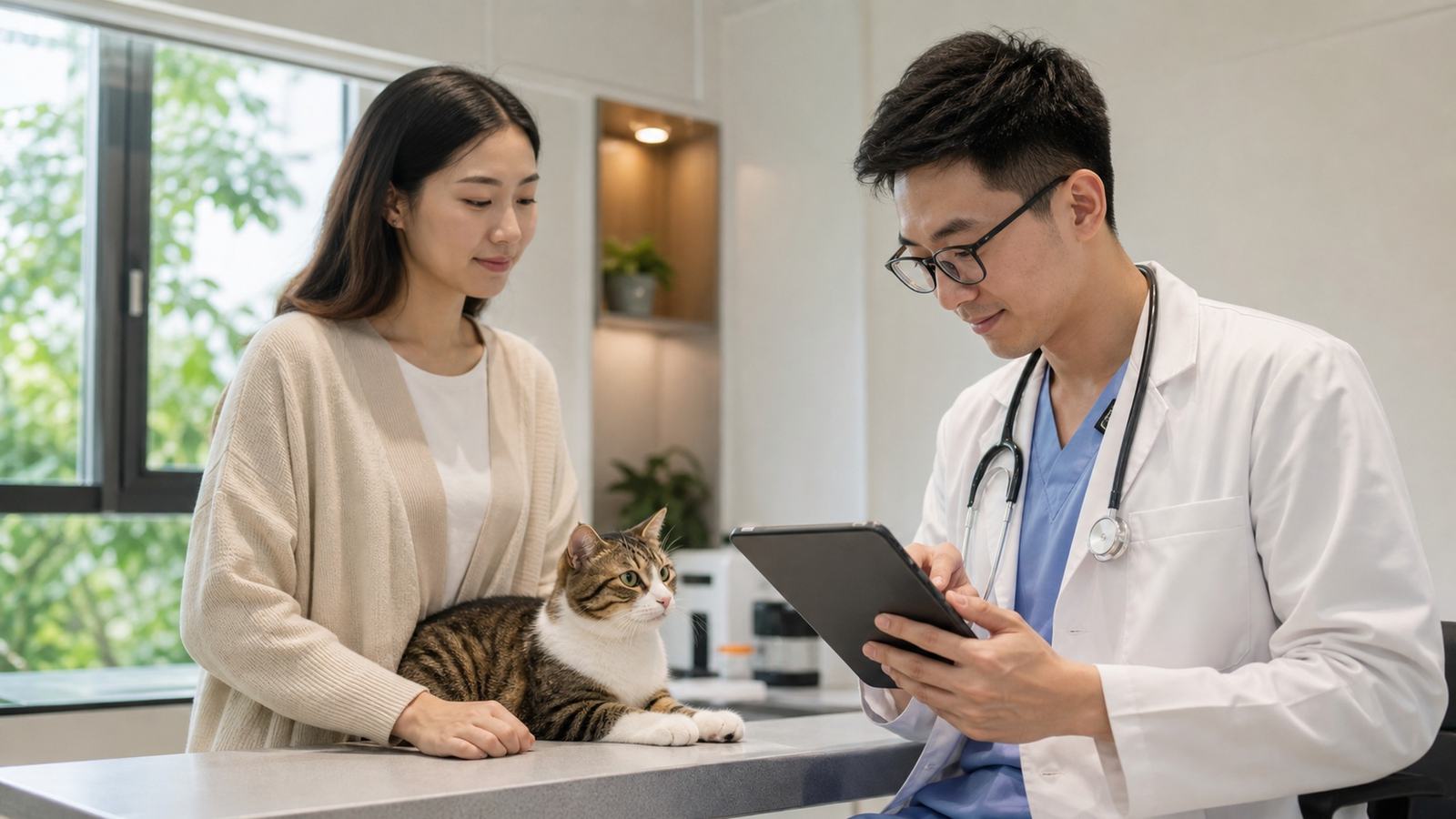
What is a feline family vet, and how does it differ from emergency or specialty clinics? A cat's family vet is the primary veterinarian who is familiar with their long-term health status. They don't necessarily have to be the same vet every time, but it's best to establish a complete record at the same animal hospital.
Key Takeaways
- Your cat's family vet doesn't have to be the same doctor every time, but it's best to establish a complete record at the same animal hospital. This allows for continuous tracking of vaccinations, check-ups, medications, allergic reactions, and past medical history.
- Regular vets, emergency clinics, and specialty hospitals are not interchangeable. Emergency services handle immediate dangers (like difficulty breathing, seizures, severe trauma, or poisoning), while specialists focus on complex issues such as heart, kidney, eye, or cancer problems. Your regular vet acts as the gateway for health management, helping to determine if a referral or emergency visit is needed.
- Kittens, senior cats, and cats with chronic conditions (such as kidney disease, thyroid issues, diabetes, heart disease, or stomatitis) particularly benefit from long-term follow-up with a regular vet. This allows for comparison of blood tests, urine tests, weight, and medication responses over time, reducing the need for repeated examinations.
- When visiting a regular vet for the first time, it's recommended to bring your existing vaccination booklet, past test reports, medication records, spay/neuter date, and any history of allergic or anesthetic reactions.
- If your cat experiences difficulty breathing, open-mouth panting, a bluish tongue, continuous seizures, collapse, severe trauma, heavy bleeding, or suspected poisoning, or if a male cat frequently visits the litter box but cannot urinate, go directly to an emergency clinic without waiting for your regular vet's office to open.
What is a Feline Family Veterinarian? How Does it Differ from Emergency and Specialty Clinics?
A cat's family veterinarian can be understood as the frontline vet who is familiar with their long-term health status. It's not essential to see the same doctor every time, but it's best to establish a complete record at the same animal hospital so that vaccinations, check-ups, medications, allergic reactions, and past medical history can be continuously tracked. For cats, a stable veterinary environment can also reduce the stress of each outing.
Emergency clinics focus on handling immediate dangers, such as difficulty breathing, seizures, severe trauma, or poisoning. Specialty clinics typically handle further diagnosis for complex issues like heart, kidney, eye, or cancer problems. A regular vet acts more like a health management gateway, helping to determine which situations can be observed and which require a referral or emergency visit. These three are not mutually exclusive but rather divide responsibilities based on the cat's current condition.
Which Cats Specifically Need a Regular Veterinarian?
Kittens, Senior Cats, and Cats with Chronic Illnesses
Kittens need to complete vaccinations, deworming, spay/neuter assessments, and growth monitoring. If records are scattered across different hospitals each time, it can be problematic. A regular vet can track weight changes, appetite, bowel movements, and vaccination schedules, which is very helpful for kitten care. Especially in Taiwan's humid environment, skin, ear, and gastrointestinal issues are common, and early observation is more ideal than waiting until the problem becomes severe.
Senior cats and cats with chronic illnesses require long-term follow-up with a family veterinarian even more. Conditions like kidney disease, thyroid issues, diabetes, heart disease, or stomatitis are not problems that can be resolved in a single visit. A regular hospital can compare blood tests, urine tests, weight, and medication responses over time, reducing repeated examinations and making it easier to adjust the care plan.
Cats That Get Easily Stressed, Aggressive, or Motion Sick
Some cats hiss, drool, hide in their carriers, or become incontinent in the car as soon as they go out. These cats are better suited to establishing a regular veterinary visit routine. A familiar hospital knows their personality and can arrange for quieter appointment times or remind owners if stress-reducing methods need to be used beforehand. For owners in small urban apartments, planning the outing route in advance can also reduce the cat's stress.
If a cat tends to be aggressive during vet visits, regular records can protect both the medical team and the cat. The hospital can know in advance if the cat needs to be wrapped in a towel, examined in stages, or if certain stimuli should be avoided. This isn't about labeling but about making future visits safer and more efficient.
What Information Should Be Prepared for Establishing Health Records for the First Time?
When visiting a regular veterinary hospital for the first time, it's recommended to bring your existing vaccination booklet, past test reports, medication records, spay/neuter date, and any history of allergic or anesthetic reactions. If your cat has been treated at other hospitals, you can also organize the names of illnesses, examination items, and approximate dates. The more complete the information, the better the veterinarian can determine if the current condition is a new problem or an extension of an old one.
Daily observation is also important, including what food or wet food they normally eat, water intake, urine output, stool consistency, vomiting frequency, and weight changes. If your cat coughs, limps, has tremors, or makes unusual noises, you can record a video for the veterinarian to see. Many cats will endure or hide symptoms in the examination room, so videos and records can provide crucial information.
When establishing a relationship with a family veterinarian, you can also inquire about the hospital's appointment system, whether they can be contacted at night, and if they have partner emergency or referral hospitals. This information may seem unnecessary in normal times, but it can save a lot of confusion during an actual emergency. Owners can also save the hospital's phone number, address, and emergency contact information in their phone's memo app.
How to Organize Records for Vaccinations, Deworming, Check-ups, and Pre-Boarding
For vaccination records, it's recommended to keep track of the date, type of vaccine, next booster time, and any reactions after administration. If your cat has experienced fever, lethargy, or allergies, be sure to remind the veterinarian before the next vaccination. For multi-cat households in Taiwan, cat hotel stays, or grooming appointments, vaccination status is usually a basic requirement.
Deworming records can be divided into internal and external parasites, noting the brand used, date, weight, and any issues with fleas, ticks, or ear mites. Even strictly indoor cats can be exposed to parasites carried in on shoes, balconies, by other pets, or from the environment. During the rainy season and hot summer months, skin and external parasite problems require particular attention.
Health check-up data can be organized in cloud folders or phone albums, such as "Blood Tests," "Urine Tests," "X-rays," "Ultrasound," or "Dental." After each examination, briefly note the report date and the veterinarian's recommendations; this will be very convenient for future follow-up visits. A regular family veterinarian can assess whether an early follow-up is needed based on changes in past values.
If your cat is going to stay at a boarding facility, get a bath, or be groomed, it's recommended to prepare their vaccination booklet, recent health status, dietary habits, medication instructions, and emergency contact information in advance. For cats with chronic illnesses, senior cats, or those who get easily stressed, it's best to confirm if boarding is suitable and if the veterinarian needs to provide care recommendations. These records allow caregivers to quickly understand the cat's condition.
Situations Where You Shouldn't Wait for Your Regular Vet and Should Go Directly to Emergency
If your cat experiences difficulty breathing, open-mouth panting, a bluish tongue, continuous seizures, collapse, severe trauma, heavy bleeding, or suspected poisoning, do not wait for your regular vet's office to open; go directly to an emergency clinic. If a male cat frequently visits the litter box but cannot urinate, it could be urinary obstruction, a high-risk situation. Delaying treatment for these issues can lead to rapid deterioration of the condition.
Additionally, persistent vomiting, complete lack of appetite for more than a day, sudden hind leg weakness, severe abdominal pain, abnormal body temperature, or postpartum complications also warrant prompt veterinary attention. While a regular vet is important, judging emergency situations correctly should not be delayed by the desire to "wait for a familiar doctor." If you are already on your way, you can also call your regular hospital to inform them, and then bring the emergency clinic report back for follow-up.
FAQ
Is it mandatory to see the same veterinarian every time?
It's not necessary to see the same doctor every time, but it is recommended to stick with the same animal hospital or medical team. The key is to have continuous health records so that the veterinarian can see past examinations and medication responses.
Do indoor cats also need a family veterinarian?
Yes. Indoor cats can still have dental, kidney, urinary, skin, weight, and chronic health issues, although symptoms may be noticed later by owners. Regular follow-ups can help catch minor changes early.
How often is it best to take a cat for a check-up?
Healthy adult cats can typically have an annual check-up. Senior cats or cats with chronic illnesses may need check-ups every six months, or even more frequently as advised by the vet. The actual frequency depends on age, medical history, weight, and lifestyle.
When changing veterinary clinics, should I bring old records?
Yes, it is recommended. Vaccination booklets, test reports, imaging data, medication names, and diagnostic records can help the new clinic quickly understand the cat's condition and avoid unnecessary repeat examinations.
Is it necessary to see a vet before a cat stays at a boarding facility?
If the cat's recent energy and appetite are normal, and vaccination and deworming records are complete, it's not always necessary to see a vet before every boarding stay. However, for kittens, senior cats, cats with chronic illnesses, or those who have recently experienced vomiting, diarrhea, or skin issues, a veterinary assessment is recommended.
Conclusion
Establishing a family veterinarian isn't about turning every minor issue into a vet visit; it's about creating a reliable health map for your cat. When vaccination, check-up, chronic illness, and emergency records are well-organized, owners can make more informed decisions about boarding, grooming, or choosing daily supplies that are suitable for their cat. CatGarden offers cat boarding, grooming, and pet supply services, catering to Taiwanese owners who want to ensure every detail of their cat's care is well-managed, providing meticulous attention from daily life to short-term stays.
Further Reading
- Do you need to test stray cats for parasites? A guide to soft stools, isolation, and fecal exams
- Can cats get heartworm? As mosquitoes increase in summer, watch for coughing, appetite changes, and prevention medication
- Is your cat's posture strange? Signs of discomfort like arching back, tucked abdomen, and lying flat
Frequently Asked Questions
Is it mandatory to see the same veterinarian every time?
It's not necessary to see the same doctor every time, but it is recommended to stick with the same animal hospital or medical team to ensure continuous health records and allow the veterinarian to review past examinations and medication responses.
Do indoor cats also need a family veterinarian?
Yes. Indoor cats can still develop dental, kidney, urinary, skin, weight, and chronic health problems, though owners may notice symptoms later. Regular follow-ups can help detect minor changes early.
How often is it best to take a cat for a check-up?
Healthy adult cats can typically have an annual check-up. Senior cats or cats with chronic illnesses may need check-ups every six months, or even more frequently as advised by the vet, depending on their age, medical history, weight, and lifestyle.
When changing veterinary clinics, should I bring old records?
Yes, it is recommended. Vaccination booklets, test reports, imaging data, medication names, and diagnostic records can help the new clinic quickly understand the cat's condition and avoid unnecessary repeat examinations.
Is it necessary to see a vet before a cat stays at a boarding facility?
If the cat's recent energy and appetite are normal, and vaccination and deworming records are complete, it's not always necessary to see a vet before every boarding stay. However, for kittens, senior cats, cats with chronic illnesses, or those who have recently experienced vomiting, diarrhea, or skin issues, a veterinary assessment is recommended.
CatGarden offers curated supplies, cat boarding, and grooming
Book services or shop online.