What Are the Common Diseases in Dragon Li Cats? Veterinarian Explains 6 Major Issues and Prevention Methods
Dragon Li cats are one of the most popular native cat breeds in Chinese-speaking regions. They are robust, independent, and intelligent, leading many to believe they are "easy to care for and rarely get sick." While they do have a stronger constitution than many purebred cats, this doesn't mean they are immune to health problems.

Dragon Li cats (also sometimes referred to as "Li Hua cats") are one of the most popular native cat breeds in Chinese-speaking regions. They are robust, independent, and intelligent, leading many to believe they are "easy to care for and rarely get sick." While they do have a stronger constitution than many purebred cats, this doesn't mean they are immune to health problems.
In fact, any cat can develop various issues if their diet is improper, they experience significant environmental stress, or lack regular health check-ups. Dragon Li cats also have a few specific common problems that require attention. Here, we've compiled the 6 most common health issues seen in Dragon Li cats in veterinary clinics in 2026, along with everyday prevention methods you can implement at home to safeguard your feline friend's well-being.
Key Takeaways
- Dragon Li cats have an average lifespan of 15-20 years. For adult cats aged 1 to 7, annual health check-ups are recommended. For senior cats over 7, comprehensive check-ups every six months are advised.
- Neutering/spaying reduces a cat's basal metabolic rate by approximately 20-30%. Combined with the Dragon Li cat's naturally hearty appetite, it's crucial to feed them at fixed times and in controlled portions, and to engage them in 15-20 minutes of activity daily to maintain a healthy weight.
- While Dragon Li cats do not have breed-specific genetic diseases, common clinical issues include lower urinary tract disease (FLUTD), dental calculus, gastrointestinal hairballs, upper respiratory viral infections, being overweight, and skin parasites.
- For daily dental care, brushing your cat's teeth 2-3 times a week and scheduling a professional dental examination annually can prevent plaque calcification into tartar, which can lead to gum inflammation and difficulty eating.
I. Lower Urinary Tract Disease: The Silent Enemy of Dragon Li Cats
Lower urinary tract disease (FLUTD) is a common concern for all domestic cats, and Dragon Li cats are no exception. Common clinical signs include frequent trips to the litter box with only small amounts of urine, blood in the urine, urinating outside the litter box, and vocalizing during urination. Male cats are at higher risk of urinary blockage due to their narrower urethras, which can be life-threatening in severe cases.
Numerous factors can contribute to FLUTD, including insufficient water intake, an imbalanced mineral ratio in the diet, and stress (such as moving house or conflicts in multi-cat households). Dragon Li cats are naturally alert and particularly sensitive to environmental changes, making stress-induced idiopathic cystitis not uncommon in this breed.
Prevention focuses on "increasing water intake" and "reducing stress." You can place multiple water bowls around the house or use a pet drinking fountain. Incorporating wet food into their diet can also help increase fluid intake. Litter box cleanliness is also vital – a dirty litter box can cause cats to hold their urine, increasing the burden on their urinary tract. If your Dragon Li cat exhibits abnormal urination, consult a veterinarian promptly; do not delay.
II. Dental Issues: Tartar Buildup and Gum Problems Are More Common Than You Think
Many cat owners overlook their cat's dental health until they notice slower eating, chewing on one side, excessive drooling, or a noticeable bad breath, realizing the problem has become significant. While Dragon Li cats may not be as prone to severe stomatitis as some other breeds, tartar buildup and gum inflammation are quite common in middle-aged and senior Dragon Li cats.
Tartar accumulation is a gradual process. Food debris forms plaque on the teeth, and if not properly cleaned, plaque calcifies into tartar, further irritating the gum tissue. Over time, this can lead to loose teeth, difficulty eating, and even affect overall nutrient absorption.
Daily prevention can be approached from several angles: if your cat tolerates brushing, 2-3 times a week is ideal. If your cat strongly resists, consider dental treats or water additives as a supplement. More importantly, it's recommended to have your cat undergo an annual dental examination so the veterinarian can assess if professional cleaning is necessary.
III. Gastrointestinal and Hairball Issues: Eating Well Doesn't Mean Digesting Well
Dragon Li cats typically have a good appetite (perhaps even too good), but "being able to eat" doesn't equate to "no gastrointestinal problems." Vomiting, soft stools, constipation, and bloating are common signs of gastrointestinal discomfort. Among these, hairball issues are a concern that even short-haired cats cannot entirely avoid.
Although Dragon Li cats are short-haired, their coat is quite dense, and they shed a considerable amount during seasonal changes. Cats groom themselves daily, ingesting a large amount of loose fur. If their gastrointestinal motility isn't smooth, hairballs can accumulate in the digestive tract, leading to occasional hairball vomiting or, in severe cases, intestinal obstruction.
Regular grooming can reduce the amount of loose fur your cat ingests. Dietary fiber supplementation can also be helpful. If your Dragon Li cat frequently experiences dry heaving or vomits hairballs, consider using hairball control supplements like CatGarden Hairball Control Powder, made in Taiwan, to help hairballs pass smoothly with feces and reduce the burden on the digestive system. If vomiting frequency suddenly increases or is accompanied by a loss of appetite, be sure to consult a veterinarian to rule out other potential causes.
IV. Upper Respiratory Issues: Sneezing Isn't Just a "Little Cold"
Sneezing, runny nose, and increased eye discharge – these symptoms are not uncommon in Dragon Li cats, especially during kittenhood or the adjustment period to a new environment. Upper respiratory issues are typically associated with feline herpesvirus (FHV-1) or feline calicivirus (FCV). These viruses have a high infection rate in cat populations, and once infected with herpesvirus, cats become lifelong carriers, experiencing recurrent flare-ups when their immune system is compromised or they are stressed.
Dragon Li cats rescued from the streets are more likely to have had early infections with upper respiratory viruses. Common recurring symptoms include intermittent sneezing, loss of appetite due to nasal congestion, and red, watery eyes. While most cases are not fatal, recurrent flare-ups can cause significant discomfort and affect the cat's quality of life.
Prevention involves administering core vaccines on schedule as a fundamental step to reduce the severity of infections. Maintaining a stable environment and minimizing stressors is also crucial. For cats prone to recurrent upper respiratory symptoms, some veterinarians recommend daily L-Lysine supplementation to help maintain respiratory health. Of course, if symptoms persist for more than a few days or worsen significantly, seek veterinary attention; do not self-diagnose.
V. Weight Management: "Chubby" Doesn't Equal "Healthy"
Dragon Li cats are naturally endowed with a hearty appetite, and coupled with a reduced metabolic rate after neutering/spaying, being overweight is a very common problem. Many cat owners find chubby cats cute, but excess weight places additional strain on a cat's joints, cardiovascular system, and endocrine system, increasing various health risks.
To assess if your cat is overweight, use the "Body Condition Score (BCS)": viewed from above, you should see a distinct inward curve at the waist. When you run your hands along their ribs, you should feel them under a thin layer of fat. If you cannot feel the ribs at all, or if there's no visible waistline from above, it's time to focus on weight management.
The core of weight management is "controlling calorie intake" and "increasing activity levels." Scheduled, portion-controlled feeding is easier for calorie management than free-feeding. Choosing a diet high in quality protein and low in carbohydrates is also beneficial. Additionally, spending 15-20 minutes daily playing with a wand toy not only helps maintain body condition but also satisfies the Dragon Li cat's strong hunting instincts, offering a win-win situation.
VI. Skin and External Parasite Issues: Don't Ignore Signs of Frequent Itching
If your Dragon Li cat frequently scratches, excessively licks its fur leading to localized hair loss, or develops red rashes or small bumps on its skin, be aware of potential skin problems. Common causes include allergic dermatitis due to flea bites, fungal infections (commonly known as ringworm), or environmental or food allergies.
Dragon Li cats that have previously lived outdoors are more likely to have fleas or ear mites. Even indoor-only cats can be indirectly infected if other pets enter the home or if humans bring in parasite eggs from outside. Fungal infections thrive in humid, warm environments, and Taiwan's climate is conducive to fungal growth.
Prevention methods include: regularly using external parasite prevention medication recommended by your veterinarian, maintaining good ventilation and dryness in your home environment, and regularly washing your cat's bedding and supplies. If you notice localized hair loss or skin abnormalities, take your cat to the veterinarian for an examination as soon as possible; skin problems become harder to treat the longer they are left unaddressed. Ensure your cat is thoroughly dried after baths to prevent dampness from exacerbating skin issues.
General Recommendations for Daily Preventive Care
In addition to prevention methods for specific issues, the following daily habits can help you fundamentally safeguard your Dragon Li cat's health:
- Regular Health Check-ups: Recommended every six months for kittens and senior cats, and at least annually for adult cats. Many problems have no obvious symptoms in their early stages and can only be detected early through blood and urine tests.
- Timely Vaccinations and Deworming: Core vaccines (FVRCP) and regular internal and external parasite prevention are fundamental. Do not skip these just because your cat is an indoor-only pet.
- Quality Diet Combination: Choose a staple food that meets AAFCO nutritional standards. A combination of dry and wet food can balance nutrient and water intake. Functional wet foods like CatGarden Luxury Functional Wet Food, produced in an officially certified factory in Thailand, can be a good option for daily wet food supplementation to increase water intake.
- Maintain a Stable Living Environment: Dragon Li cats are sensitive to environmental changes. Moving, the introduction of new family members, or significant furniture rearrangement can cause stress. Any changes should be introduced gradually.
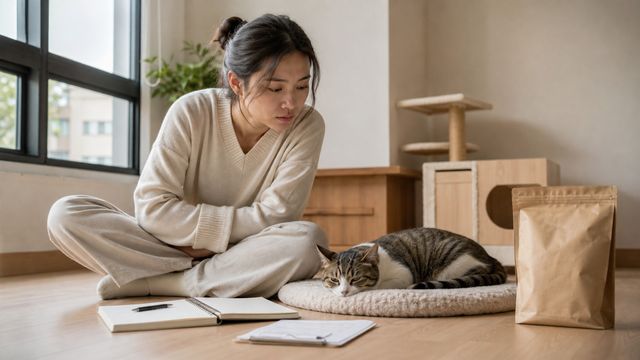
- Daily Observation and Record-Keeping: Develop a habit of observing your cat's eating, drinking, urination, and defecation patterns, including changes in appetite, water intake, frequency and consistency of urine and feces, and energy levels. The earlier an abnormality is detected, the easier it is to manage.
Frequently Asked Questions
Are Dragon Li cats truly healthier than purebred cats?
Due to their greater genetic diversity, Dragon Li cats are indeed less prone to the hereditary issues common in purebred cats (such as polycystic kidney disease in Persians or cartilage problems in Scottish Folds). However, this does not mean Dragon Li cats don't get sick. Urinary tract issues, dental problems, and obesity are just as common in Dragon Li cats. Regardless of the breed, regular health check-ups and good daily care are essential for all cats.
How often should a Dragon Li cat have a health check-up?
It is generally recommended that adult Dragon Li cats (1-7 years old) have at least one comprehensive health check-up annually, including basic blood and urine tests. For cats over 7 years old entering their senior years, it is recommended to increase this to every six months, as many chronic conditions begin to emerge during this stage. Kittens will typically receive a basic health assessment from the veterinarian during their vaccination series.
Are Dragon Li cats prone to genetic diseases?
Compared to purebred cats, Dragon Li cats do not currently have any specifically documented breed-specific genetic diseases. However, this does not mean there is zero risk – individual variations, dietary habits, and living environments all affect health status. Rather than worrying about genetic issues, it's more practical to focus on daily preventive care and regular health check-ups, which are the most realistic health investments for any cat.
Is it normal for Dragon Li cats to sneeze?
Occasional sneezes, one or two at a time, usually don't require much concern; it might just be irritation from dust or odors. However, if your cat sneezes repeatedly, accompanied by nasal discharge or eye discharge, and it persists for more than two or three days, it's advisable to take them to the veterinarian to rule out upper respiratory infections or other issues. This is especially important for kittens or newly adopted Dragon Li cats whose immune systems are still adapting.
Are neutered/spayed Dragon Li cats particularly prone to weight gain?
Neutering/spaying does reduce a cat's basal metabolic rate by approximately 20-30%. If their food intake is not adjusted accordingly, weight gain is likely. Dragon Li cats naturally have a more robust appetite, so after neutering/spaying, even more attention needs to be paid to calorie control. It is recommended to discuss appropriate daily calorie intake with your veterinarian after neutering/spaying and to implement scheduled, portion-controlled feeding, avoiding free-feeding.
Conclusion: Attentive Observation is the Best Prevention
Dragon Li cats are robust and adaptable felines, but even the best constitution requires good care to maintain. Urinary tract, dental, gastrointestinal, respiratory, weight, and skin issues – these 6 common problems might sound like a lot, but the core preventive concepts are consistent: provide a high-quality diet, maintain a clean and stable environment, spend a few minutes each day observing your cat's condition, and schedule regular veterinary check-ups.
Cat ownership is a long-term commitment. Dragon Li cats can live an average of 15-20 years. Starting in 2026, establish good health management habits for your beloved Dragon Li cat! With attentive observation and timely action, many problems can be effectively managed in their early stages. After all, daily preventive care is a gentler choice for both your cat and your wallet than the costs of later medical treatment 🐱
References
CatGarden | Luxury Cat Hotel in Banqiao, offering boarding and grooming services.
Further Reading
- Dragon Li Cat vs. Tabby Cat: 6 Key Differences
- Dragon Li Cat Price Analysis: Adoption Costs 2025
- Dragon Li Cat Care Guide: 8 Essential Tips for Beginners
- Dragon Li Cat Personality: 7 Key Traits
- 5 Key Factors to Extend Dragon Li Cat Lifespan
→ Learn about CatGarden Cat Probiotics
CatGarden offers curated supplies, cat boarding, and grooming
Book services or shop online.