How Long Do Dragon Li Cats Live? 2025 Vet Statistics and 5 Key Factors for Longevity
Dragon Li cats have an average lifespan of 12 to 18 years, influenced by genetics, diet quality, medical care, and environmental management. During their time hosting Dragon Li cats at CatGarden Inn, we've observed that those receiving regular check-ups, balanced diets, and stable indoor environments are noticeably more vibrant and maintain better physical condition in their senior years compared to those with less comprehensive care.

Dragon Li cats have an average lifespan of 12 to 18 years, influenced by genetics, diet quality, medical care, and environmental management. During their time hosting Dragon Li cats at CatGarden Inn, we've observed that those receiving regular check-ups, balanced diets, and stable indoor environments are noticeably more vibrant and maintain better physical condition in their senior years compared to those with less comprehensive care. Here are 5 key factors to help you scientifically extend your beloved cat's healthy lifespan.
Key Takeaways
- The average lifespan of a domestic Dragon Li cat is between 12 and 18 years (potentially over 20 with excellent care), while stray Dragon Li cats average only 3 to 5 years.
- 2025 statistics show that spayed/neutered domestic cats live 2 to 3 years longer than intact cats, but their basal metabolic rate decreases by about 20% to 30% post-surgery, requiring stricter calorie control.
- Recommended health check-up frequency for adult cats aged 1 to 7 years is at least once a year. For cats aged 7 and above, entering their senior years, this should increase to every six months.
- An adult Dragon Li cat weighing 4 to 5 kg requires approximately 200 to 250 kcal per day. The ideal adult weight typically falls between 3.5 and 5.5 kg.
How Long Do Dragon Li Cats Actually Live? What Does the Latest 2025 Data Say?
According to clinical statistics from international veterinary journals and domestic animal hospitals, the average lifespan of a domestic Dragon Li cat falls between 12 and 18 years, with some well-cared-for individuals living over 20 years. Compared to many purebred cats (like Persian cats averaging 12-14 years, Scottish Folds averaging 11-13 years), the Dragon Li cat's lifespan is quite remarkable.
This is largely attributed to the Dragon Li cat's genetic diversity. Purebred cats, due to long-term inbreeding, are prone to accumulating genetic diseases such as polycystic kidney disease and hypertrophic cardiomyopathy. The Dragon Li cat, being a natural breed, has a rich gene pool and generally possesses a stronger innate constitution. A large-scale survey of Asian domestic cats in 2025 indicated that the median lifespan of mixed-breed and natural breed cats was about 1.5 to 2.5 years longer than that of purebred cats.
However, "good innate constitution" does not mean they can be neglected. The data also points out that stray Dragon Li cats have an average lifespan of only 3 to 5 years, a stark contrast to their domestic counterparts. This highlights that the quality of aftercare is the true determinant of lifespan.
Key to Longevity 1: A Nutritionally Balanced Diet is the Cornerstone of a Long Life
Although Dragon Li cats are not picky eaters, "not picky" does not mean "eating anything is healthy." Many owners, because their Dragon Li cats eat everything, neglect the quality of their diet. Long-term feeding of low-quality kibble or excessive human food leads to problems like obesity, increased kidney burden, and nutritional imbalances.
The consensus in veterinary nutrition is that cats, as obligate carnivores, require a high proportion of high-quality animal protein in their diet, while controlling carbohydrate intake. It is recommended to primarily feed high-quality wet food or fresh food, supplemented with an appropriate amount of dry food. Wet food not only has a higher protein content but also helps cats replenish water, which is beneficial for kidney health. For example, Luxury Functional Can containing high-quality tuna and functional nutrients is a good choice for both taste and nutritional supplementation, suitable as part of their daily diet.
Furthermore, Dragon Li cats are prone to overeating due to their hearty appetite, making weight management particularly important. Obesity is a high-risk factor for feline diabetes, arthritis, and fatty liver disease. It is recommended to use a timed and portion-controlled feeding method. Adult cats require about 200-250 kcal per day based on their weight; typically, an adult cat weighing 4-5 kg needs this amount.
Key to Longevity 2: Gut Health and Digestive System Maintenance
Dragon Li cats' digestive systems may seem robust, but clinical digestive issues remain one of the top three reasons for feline vet visits. Vomiting, soft stools, constipation, and hairball accumulation, over time, can affect nutrient absorption efficiency and consequently impact overall health.
Maintaining a balanced gut flora is the core strategy for preventing digestive problems. 2025 pet nutrition research continues to confirm that regular supplementation with feline-specific probiotics can effectively improve the gut environment, help maintain immune function, and reduce inflammatory responses. The auxiliary effect of probiotics is even more pronounced during dietary changes or stressful periods (moving, new family members). CatGarden's Probiotics are designed for feline intestines and are convenient for daily maintenance, easily mixed into food.
Another easily overlooked issue is hairballs. Dragon Li cats are short-haired, and while they don't shed as much as long-haired breeds, their frequent grooming means they ingest a considerable amount of loose fur. Hairballs accumulating in the digestive tract can cause vomiting in mild cases, and in severe cases, can lead to intestinal obstruction requiring surgery. Regular grooming combined with hairball-reducing products can significantly lower this risk.
Key to Longevity 3: Regular Health Check-ups and Early Disease Detection
Cats are notorious for "hiding pain." By the time owners notice abnormalities, the disease has often progressed to the middle or late stages. This is why veterinarians constantly emphasize the importance of regular health check-ups.
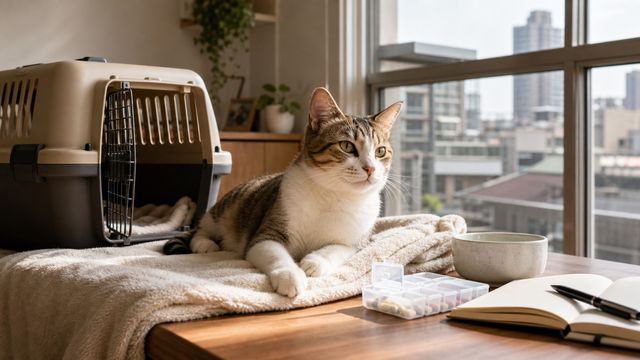
For adult Dragon Li cats aged 1 to 7 years, at least one basic health check-up per year is recommended, including blood tests (liver and kidney function, blood cell count), urinalysis, and weight and body condition assessment. For cats aged 7 and above, entering their senior years, the frequency should increase to every six months, adding tests for thyroid function, blood pressure measurement, and abdominal ultrasound.
The most common age-related diseases in Dragon Li cats include: chronic kidney disease (CKD), hyperthyroidism, diabetes, and dental disease. Chronic kidney disease is the number one killer of cats, but if detected and managed in the early stages (IRIS Stage I or II), the cat's quality of life and survival time can be significantly improved.
Vaccinations should also not be overlooked. Even for fully indoor Dragon Li cats, core vaccines (panleukopenia, feline calicivirus, feline herpesvirus) are recommended to be administered regularly according to veterinary advice. For the prevention and daily maintenance of feline herpesvirus, supplementing with lysine is also a common supportive measure recommended by many veterinarians.
Key to Longevity 4: Indoor Environment and Mental Health
As mentioned earlier, stray Dragon Li cats have an average lifespan of only 3 to 5 years, with the biggest difference being the environment. Outdoor environments are full of fatal risks such as car accidents, infectious diseases, poisoning, and fighting injuries. Keeping cats entirely indoors is one of the most direct and effective ways to extend a cat's lifespan.
However, indoor living does not mean simply confining a cat at home. Dragon Li cats are naturally active and have strong hunting instincts. If the environment lacks stimulation, they can develop boredom, anxiety, excessive grooming, or overeating behaviors, which can also affect their health in the long run.
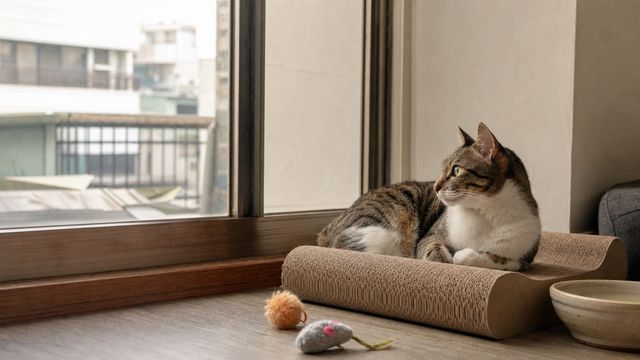
Creating a stimulating indoor environment is crucial: vertical spaces (cat trees, shelves), hiding spots, interactive toys, and window perches are essential. Allocate at least 15 to 20 minutes of interactive playtime daily, using a feather wand to simulate hunting behavior, which both expends energy and fulfills psychological needs.
The cleanliness of the litter box also directly impacts a cat's urinary tract health and mental state. Cats are naturally clean animals; a dirty litter box can cause them to hold their urine, increasing the risk of urinary tract diseases. It is recommended to clean the litter box at least once daily and choose litter with good odor control and low dust to maintain a comfortable toileting experience.
Key to Longevity 5: Spaying/Neutering and Weight Management
The positive impact of spaying/neutering on cat longevity is well-supported by numerous studies. 2025 statistics show that spayed/neutered domestic cats live 2 to 3 years longer than intact cats. Spaying significantly reduces the risk of pyometra and mammary tumors in females, while neutering in males reduces injuries and infectious diseases from territorial fights.
A key consideration after spaying/neutering is weight management. The procedure can decrease a cat's basal metabolic rate by about 20-30%. If food intake is not adjusted, they can gain weight rapidly. It is recommended to discuss dietary adjustments with your veterinarian after spaying/neutering, choose formulas suitable for altered cats, and maintain daily exercise.
Regularly weighing your cat is the simplest way to monitor their health. Sudden weight changes (either gain or loss) can be early signs of illness. It is recommended to weigh your cat monthly and record the results, seeking veterinary attention promptly if any abnormalities are detected. The ideal adult Dragon Li cat weight is typically between 3.5 and 5.5 kg, but the actual standard varies depending on the individual's frame size. It is best to have your veterinarian provide a personalized recommendation based on their Body Condition Score (BCS).
Frequently Asked Questions
Are Dragon Li cats and tabby cats the same?
Yes, "Dragon Li cat" is the correct term for the breed, and "tabby cat" refers to the coat pattern. The Dragon Li cat (Chinese Li Hua) is a native Chinese natural breed, recognized by the CFA (Cat Fanciers' Association). They are characterized by their brown or grey tabby markings, robust physique, and strong adaptability.
At what age is a Dragon Li cat considered a senior cat?
Generally, cats enter their senior years around age 7, and are considered elderly cats from age 11 onwards. Due to their good constitution, some Dragon Li cats remain energetic even at 10 years old. However, it is recommended to increase the frequency of health check-ups starting at age 7, paying early attention to common senior issues like kidney and thyroid function.
What health problems are Dragon Li cats prone to?
Due to their high genetic diversity, Dragon Li cats have a relatively low incidence of hereditary diseases. However, like all domestic cats, they can still face issues such as chronic kidney disease, urinary tract diseases, dental problems (tartar, gingivitis), and obesity-related illnesses. Regular health check-ups, a balanced diet, and adequate hydration are the best preventive measures.
Can feeding stray Dragon Li cats extend their lifespan?
Providing food at designated spots can improve the nutritional status of stray cats, but its impact on lifespan is limited. The biggest threats to stray cats are car accidents, infectious diseases, and harsh weather, which cannot be solved by feeding alone. If conditions permit, assisting with TNR (Trap-Neuter-Return) or helping them find adoptive homes are the most effective ways to truly extend their lifespan.
Do Dragon Li cats need supplements?
If their diet is already balanced and complete, healthy adult Dragon Li cats do not necessarily need additional supplements. However, in specific situations, such as supplementing with hairball remedies during heavy shedding seasons, probiotics for sensitive stomachs, or lysine for cats with a history of feline herpesvirus, these are common veterinary recommendations. The key is to choose based on individual needs rather than blind supplementation.
The Dragon Li cat is a gift from nature to the Chinese world – intelligent, independent, with a strong constitution and deep affection for their owners. With attentive care regarding diet and nutrition, maintaining a good home environment, consistent regular check-ups, and proper spaying/neutering and weight management, your Dragon Li cat has every chance to accompany you through many wonderful years, a decade or two. Every thoughtful daily detail is like depositing into your cat's health savings account. Starting today, give your Dragon Li cat the best care possible.
CatGarden|Luxury Villa-Style Cat Hotel in Banqiao, offering boarding and grooming services.
Further Reading
CatGarden offers curated supplies, cat boarding, and grooming
Book services or shop online.