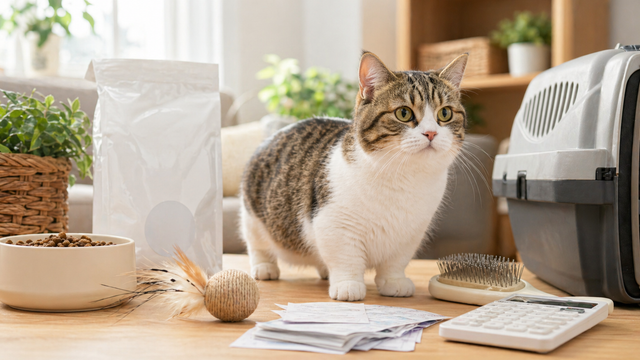
What's a Reasonable Price for a Dragon Li Cat? A Complete Analysis of Adoption vs. Purchase Costs in 2025
How much does a Dragon Li cat really cost? Understand the truth behind the "price." The Dragon Li cat (often written as "Lihua cat") is the most common tabby-patterned cat on Taiwanese streets, known for its independent personality and robust health, making it a top choice for many new cat owners. But you...
Key Takeaways
- Adoption fees for Dragon Li cats in Taiwan range from NT$0 to NT$4,000 (public shelters: NT$0-500; rescue organizations: NT$1,500-4,000). Purchase prices from pet stores are typically NT$3,000-8,000.
- If a cat is rehomed for free by friends or family and hasn't received medical care, expect to pay NT$3,000-6,000 for basic check-ups, vaccinations, deworming, and spaying/neutering.
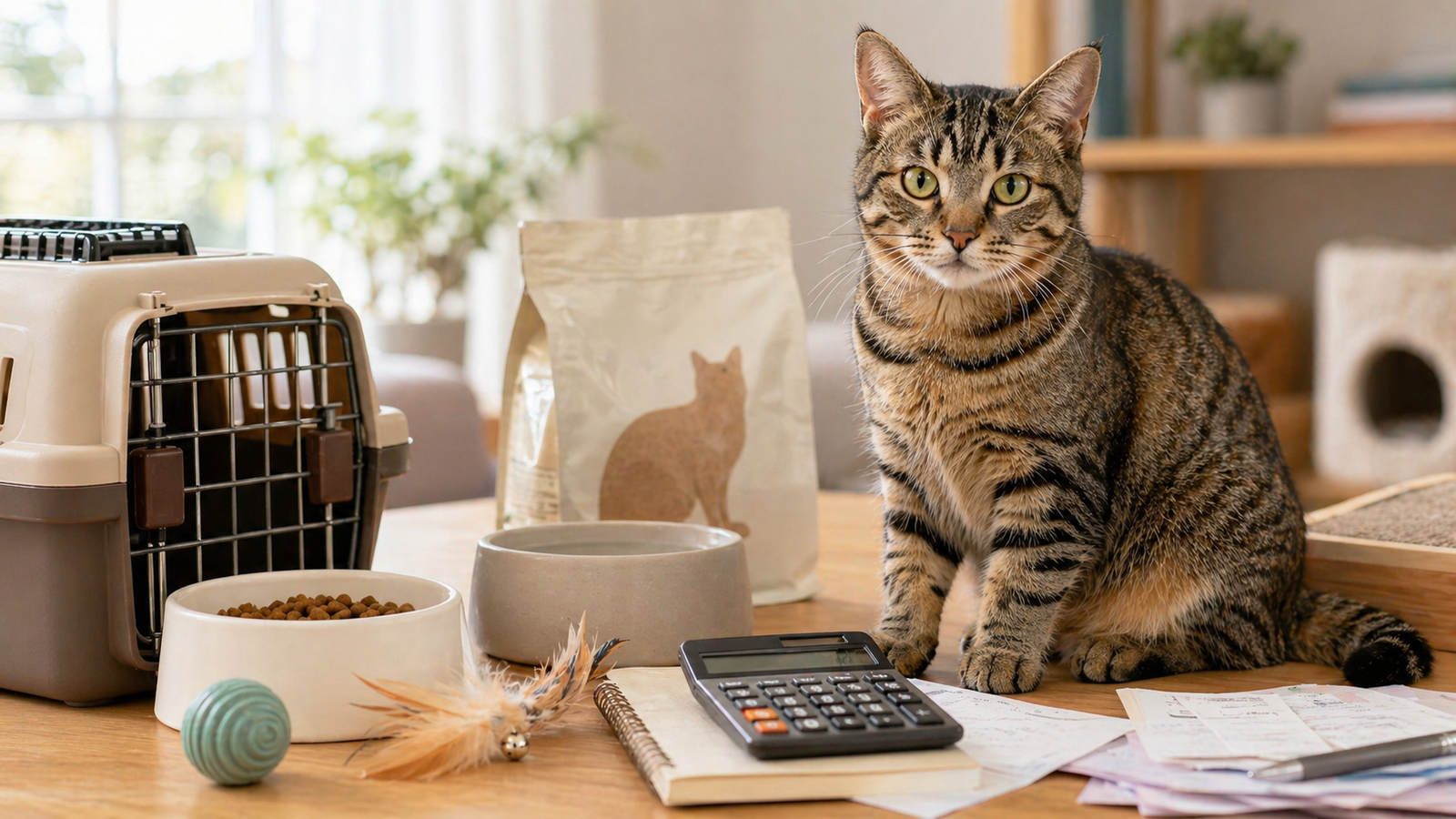
- Basic monthly expenses for an adult Dragon Li cat are approximately NT$1,400-6,000 (food: NT$800-2,500; litter: NT$200-600; healthcare averaged: NT$300-1,000; supplies/miscellaneous: NT$100-500).
- The average lifespan of a Dragon Li cat is 12-18 years, with total lifetime costs estimated between NT$200,000 and NT$1,000,000.
How Much Does a Dragon Li Cat Really Cost? Understanding the Truth Behind the "Price"
The Dragon Li cat (often referred to as "Lihua cat") is the most common tabby-patterned cat found on Taiwanese streets. Known for its independent nature and robust health, it's a perennial favorite among first-time cat owners. But you might be wondering: what's a reasonable price for a Dragon Li cat? Some say adoption is free, while others see them priced at several thousand dollars in pet stores. With such a wide range, how do you decide?
In reality, the "cost to acquire a cat" is just the tip of the iceberg. What truly impacts your wallet are the ongoing monthly expenses for food, medical care, and supplies. With slight price increases expected in 2026 for goods and veterinary services, it's most practical to look at the overall cost before deciding to bring a cat home. This article will break down the cost differences between adoption and purchase in the simplest terms, helping you budget for a Dragon Li cat.
Adopting a Dragon Li Cat: 2026 Channels and Costs
In Taiwan, you rarely need to "buy" a Dragon Li cat. They aren't a rare breed, and numerous Dragon Li cats are waiting for homes in shelters and rescue organizations across the country. Here are the most common adoption channels and their associated costs in 2026:
Public Shelters (County/City Animal Homes)
This is the most cost-effective option. Most public shelters have an adoption fee of NT$0. Some counties may charge a small fee for microchip implantation and registration, around NT$300-500. Cats from shelters often come with basic health checks, their first vaccination, and sometimes even spaying/neutering, saving you significant initial medical expenses. The downside is fewer choices for kittens and potentially incomplete health histories.
Private Rescue Organizations and Groups
This is currently the most popular channel for adopting Dragon Li cats. Rescues typically charge an "adoption fee" or "medical co-payment," ranging from NT$1,500 to NT$4,000. This fee usually covers: basic blood tests, deworming, one to two vaccinations, and spaying/neutering surgery (if the cat is old enough). Some rescues may adjust prices based on the medical costs already invested in the cat, which is entirely reasonable – you're not "buying" the cat, but rather contributing to its prior care expenses.
Rehoming by Friends/Family or Online Giveaways
The cost is usually NT$0. However, be cautious: cats rehomed without the oversight of a rescue organization may not have received any medical treatment. You'll need to take them to a veterinarian for a full check-up, vaccinations, deworming, and spaying/neutering, which can cost anywhere from NT$3,000 to NT$6,000. So, while seemingly free, the actual cost might not be less.
Purchasing a Dragon Li Cat: Why It's Not Recommended
To be clear: there are virtually no legitimate breeders specializing in Dragon Li cats in Taiwan. If you see Dragon Li cats advertised for sale in pet stores or online for NT$3,000-8,000 or even more, be highly suspicious. Cats from such sources may come from unethical breeding environments, raising concerns about their health and socialization.
The charm of the Dragon Li cat lies in its natural beauty and wild spirit, not in a pedigree certificate. Spending a large sum on a cat that can be adopted for free elsewhere is not only uneconomical but also indirectly fuels the market for unethical breeding. If you genuinely want to own a Dragon Li cat, adoption is undoubtedly the smartest and most loving choice in 2026.
Adoption vs. Purchase Cost Comparison
- Adoption from Public Shelter: NT$0-500 (most include basic medical care)
- Adoption from Rescue Organization: NT$1,500-4,000 (includes medical co-payment)
- Rehoming by Friends/Family: NT$0 (but self-funded medical care approx. NT$3,000-6,000)
- Purchase from Pet Store: NT$3,000-8,000 (not recommended, source often questionable)
How Much Does it Cost to Own a Dragon Li Cat Monthly? 2026 Expense Breakdown
Bringing a cat home is just the beginning of the financial commitment. Here's an estimated breakdown of the basic monthly expenses for an adult Dragon Li cat in 2026 to help you prepare financially and mentally:
Food Costs: NT$800-2,500 per month
Dragon Li cats are known for not being picky eaters, but "not picky" doesn't mean you can feed them just anything. It's recommended to primarily use high-quality wet food or dry kibble, supplemented with complementary wet food for hydration. For nutritious and reliable options, consider functional complementary wet foods like CatGarden Luxury Functional Cans containing Vitamin E. These can also support health during daily feeding, and being produced in a Thai government-certified factory, they offer peace of mind. Monthly food costs for an adult cat typically range from NT$800 to NT$2,500, depending on your chosen brands and feeding methods.
Litter Costs: NT$200-600 per month
Cat litter is a consistent monthly expense. Clay litter is cheaper but heavier, while tofu litter can be flushed but is more expensive. For one cat, you'll need about 6-10 kg of litter per month. If you live in an apartment and are concerned about odors, choosing a litter with good deodorizing properties can save you trouble. CatGarden Ultra-Fine Tofu Litter 3.0 is a fine-grained tofu litter that clumps quickly, produces less dust, and is gentler on your cat's respiratory system.
Medical and Healthcare Costs: NT$300-1,000 per month (averaged)
Annual vaccinations (e.g., FVRCP) cost around NT$600-800. Annual health check-ups (including blood and urine tests) are approximately NT$1,500-3,000. Deworming medication, given quarterly, costs about NT$300-500. Averaging these annual costs per month brings the total to about NT$300-500. If your cat has chronic health conditions, these costs will increase. Important Reminder: Always consult a veterinarian immediately for any health concerns; do not self-diagnose or delay treatment.
Supplies and Miscellaneous: NT$100-500 per month
This includes replacements for scratching posts, toys, and nail trimming supplies. Initial one-time purchases of larger items (litter box, carrier, food bowls) might cost NT$1,500-4,000, followed by smaller, recurring supply costs.
Total Monthly Expense Estimate
- Basic (Budget-Conscious): Approx. NT$1,400-2,500 per month
- Standard (Quality Focused): Approx. NT$2,500-4,000 per month
- Premium (Health & Food Quality Focused): Approx. NT$4,000-6,000 per month
Considering a Dragon Li cat's average lifespan of 12-18 years, the total lifetime cost of ownership can range from NT$200,000 to NT$1,000,000. This isn't meant to scare you, but to ensure prospective cat owners are financially prepared to provide a stable home for their feline companion.
Hidden Costs New Owners Often Overlook for Dragon Li Cats
Many people only consider the "visible" costs and forget about these easily overlooked expenses:
Spaying/Neutering Fees
If the cat is not spayed/neutered at the time of adoption, the cost for male cats is around NT$1,500-2,500. For female cats, it's an abdominal surgery, costing approximately NT$2,500-4,500. Spaying/neutering not only prevents reproduction but also contributes positively to the cat's behavioral stability and long-term health.
Emergency Medical Expenses
Accidental ingestion of foreign objects, urinary tract issues, injuries... these can happen unexpectedly. An emergency visit with hospitalization can range from NT$3,000 to tens of thousands of dollars. It's advisable to maintain an "emergency fund" for your cat, ideally between NT$10,000-20,000, for unforeseen circumstances. Pet insurance is also an option, with plans available in 2026 for around NT$300-800 per month.
Home Environment Adjustments
Reinforcing window screens, installing balcony safety nets, tidying up electrical cords, removing toxic plants... these seemingly small safety measures can add up, costing approximately NT$1,000-5,000. However, this investment is well worth it, as prevention is always cheaper than emergency treatment.
Boarding or Pet-Sitting Fees
If you need to travel for business or leisure, cat boarding typically costs NT$300-600 per day, while in-home pet-sitting services range from NT$400-800 per visit. Even if you travel only a few times a year, these costs can be significant.
Are Dragon Li Cats Worth Owning? Evaluating Their Value Based on Personality
After discussing all these costs, you might ask: are Dragon Li cats easy to own? From an owner's perspective, Dragon Li cats offer excellent "value for money" for several reasons:
Relatively Robust Health: As a naturally evolved native cat breed, Dragon Li cats are less prone to genetic health issues compared to some purebreds. This doesn't mean they never get sick; regular check-ups and vaccinations are still essential, but overall medical expenses tend to be lower than for purebred cats.
Adaptable: Dragon Li cats adapt well to their environment, thriving in anything from small apartments to houses. They are also generally less prone to severe stress reactions from moving or environmental changes.
Distinct and Engaging Personalities: Dragon Li cats are typically intelligent, active, and have strong personalities. Interacting with them is like having an opinionated little roommate. Many Dragon Li cat owners report that once trust is established, their cats can be just as affectionate as purebred cats.
However, it's also true that Dragon Li cats generally have high energy levels. If you're looking for a cat that will quietly nap on the sofa all day, a Dragon Li cat might surprise you with its liveliness. Providing ample vertical space, interactive toys, and at least 15 minutes of playtime daily are key to successfully owning a Dragon Li cat.
Frequently Asked Questions
What's the difference between a Dragon Li cat and a tabby cat?
Strictly speaking, the "Dragon Li cat" (Chinese Dragon Li) is recognized as a formal breed in China. However, in common Taiwanese parlance, "Dragon Li cat" refers to any mixed-breed cat with tabby markings. "Tabby" is a general term for a coat pattern gene, not a breed name. Simply put, most "Dragon Li cats" commonly found in Taiwan are mixed-breed cats with tabby patterns; there's no need to get too caught up in the naming differences.
Are there any adoption requirements for Dragon Li cats?
Different adoption channels have varying screening criteria. Common requirements include being over 20 years old, having a stable income, ensuring a safe living environment (with window screens or safety nets), agreeing to provide regular updates on the cat's well-being, and committing to lifelong care. Some rescues may conduct home visits to ensure the cat goes to a safe environment; please view this process positively.
Are Dragon Li cats prone to illness? What special care do they need?
Dragon Li cats generally have robust health. However, like all cats, common health issues include urinary tract problems, dental issues, and sensitive stomachs. It's recommended to have a full health check-up annually and to monitor their water intake and litter box habits. If you notice a sudden decrease in appetite, lethargy, or frequent trips to the litter box, consult a veterinarian immediately.
What's the minimum monthly budget for a Dragon Li cat?
If you're extremely budget-conscious, the minimum monthly expense for an adult Dragon Li cat is around NT$1,400 (including basic food and litter). However, it's advisable to budget at least NT$2,500 per month to cover averaged medical costs and basic supply replacements, ensuring a reasonable quality of life for your cat.
I already have a cat; what should I consider when adopting another Dragon Li cat?
For multi-cat households, the most crucial aspects are the "quarantine period" and "gradual introduction." Upon arrival, the new cat should be isolated in a separate room for at least 7-14 days. During this time, complete basic health checks and deworming. Once confirmed healthy, slowly introduce the cats through scent swapping and supervised interactions through doorways. Rushing the introduction can lead to conflict and stress; patience is key to a successful multi-cat home.
Conclusion: Welcoming a Dragon Li Cat the Right Way – Surprisingly Affordable
Returning to the original question: what's a reasonable price for a Dragon Li cat? The answer is: you can bring home a healthy Dragon Li cat for an adoption fee of NT$0-4,000, which is quite affordable compared to other cats. What truly requires careful planning are the subsequent monthly living expenses of NT$2,000-4,000, and an emergency medical fund of at least NT$10,000.
Dragon Li cats don't need fancy pedigrees to prove their worth. With their robust health, distinct personalities, and abundant companionship, they become wonderful partners in your life. If you're ready in 2026, visit your local shelters or rescue organizations – your destined Dragon Li cat might just be waiting there for you 🐾
CatGarden – A Luxury Cat-Only Hotel in Banqiao, Offering Boarding and Grooming Services.
Further Reading
- Dragon Li Cat vs. Tabby Cat: 6 Key Differences
- Dragon Li Cat Care Guide: 8 Essential Tips for Beginners
- 6 Common Health Issues in Dragon Li Cats and Prevention
- 7 Personality Traits of Dragon Li Cats
- 5 Key Tips to Extend a Dragon Li Cat's Lifespan
→ Learn about [CatGarden: The Brand Closest to Cats](/ "CatGarden: The Brand Closest to Cats")
CatGarden offers curated supplies, cat boarding, and grooming
Book services or shop online.