New Kitten Won't Stop Crying? Don't Panic! Understand Their 5 "Meow-ssages"
Persistent crying in a new kitten is a normal stress response to a new environment. Common reasons include fear of the unfamiliar, hunger (due to an underdeveloped digestive system), difficulty regulating body temperature, and seeking attention. Each reason requires a different approach to comfort your kitten.
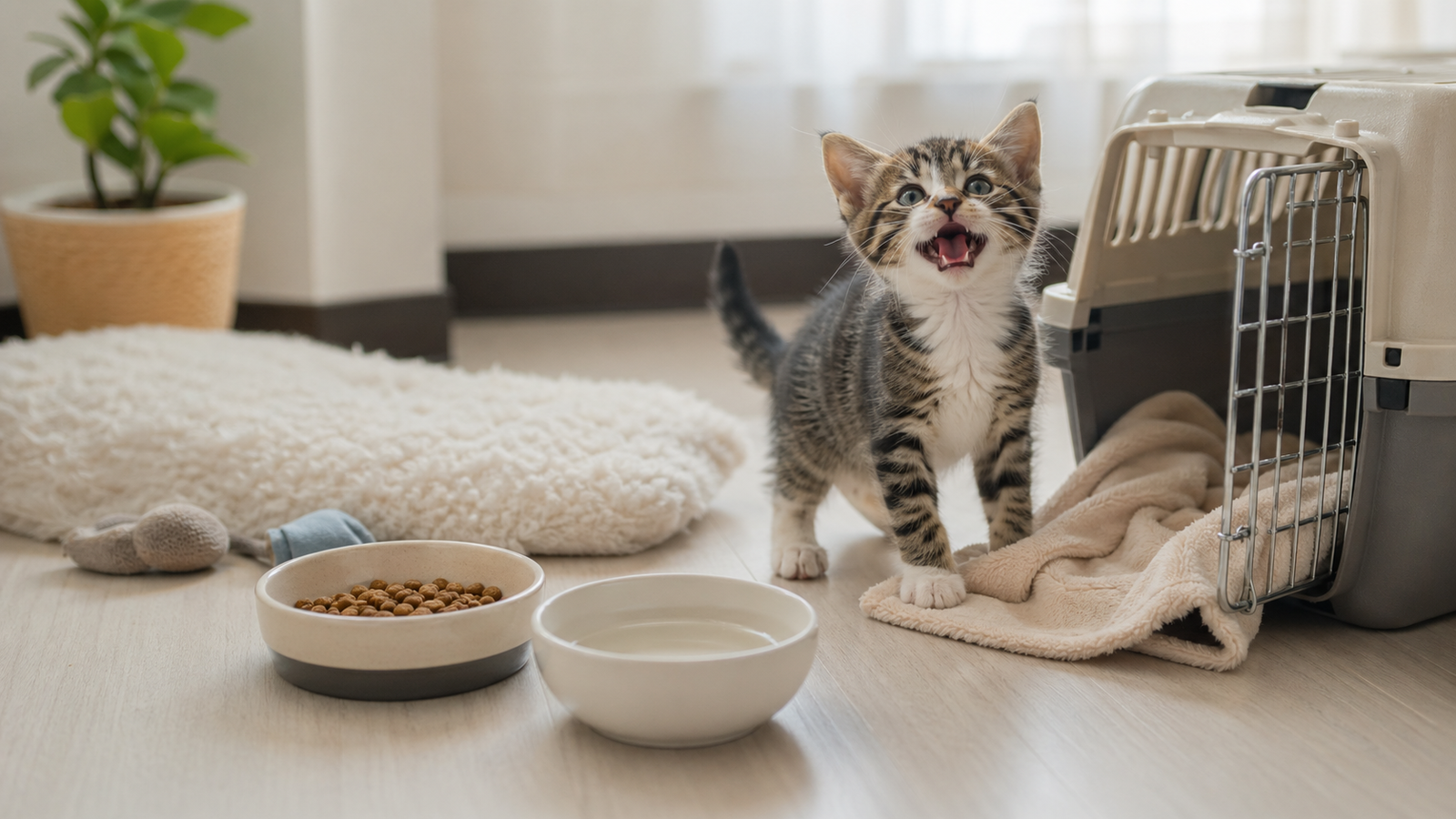
Persistent crying in a new kitten is a normal stress response to a new environment. Common reasons include fear of the unfamiliar, hunger (due to an underdeveloped digestive system), difficulty regulating body temperature, and seeking attention. Each reason requires a different approach to comfort your kitten. At CatGarden Hotel, we observe that persistent, high-pitched crying in kittens who are away from their mothers for the first time, especially if accompanied by refusal to eat or lethargy, requires immediate assessment for health issues rather than just adaptation. Here's a breakdown of the meanings behind 5 types of kitten cries and how to respond, helping you quickly understand your little one's needs and provide the right care and companionship.
Key takeaways
- Kittens have underdeveloped digestive systems and small stomachs. If they haven't eaten for 4 to 5 hours, hunger can cause anxiety and persistent meowing.
- Kittens aged 2 to 4 months are at their most active. It's recommended to schedule 2 to 3 play sessions daily, each lasting about 15 to 20 minutes. This helps them expend energy and reduces nighttime vocalization.
- If a kitten exhibits weak cries or continuous high-pitched meowing, accompanied by refusal to eat, lethargy, or diarrhea, these are warning signs of illness and require immediate health assessment.
- For kitten care, it's advisable to use an open litter box with a low entry point. Cleaning it at least once or twice daily can prevent the kitten from protesting with vocalizations due to environmental discomfort.
Why Is My New Kitten Crying So Much? 5 Common Reasons Explained
1. Fear and Anxiety in an Unfamiliar Environment
For a kitten who has just left its mother and siblings, a new home is an "alien world" filled with unknown scents, sounds, and spaces. Loud TV noises or a suddenly operating robot vacuum can terrify kittens. Feeling scared and lonely, they may cry incessantly, hoping to call out to familiar presences or find a safe corner.
2. Hunger or Needing the Litter Box
A kitten's digestive system is still developing and their stomach capacity is very small, requiring frequent small meals. If it's been more than 4-5 hours since their last meal, hunger can make them restless and lead to loud "food orders."
Similarly, cats are clean animals. If the litter box is too dirty, in an inconvenient location, or has a high threshold, cats may hold it in rather than use it, protesting with cries: "Human, the litter box needs cleaning!"
3. A Cry for Help Due to Feeling Unwell
If a kitten's cries sound weak and listless, accompanied by poor appetite, lethargy, or diarrhea, it could be a warning sign of illness! Kittens who have just been weaned have weaker immune systems and are prone to upper respiratory infections or gastrointestinal issues. When experiencing pain or discomfort, cats can't express it verbally and can only cry out for help.
4. Full of Energy and Wants to Play!
Kittens aged 2 to 4 months are at their peak of curiosity and activity! If they don't have enough activity during the day to expend their energy, they'll use clear, rhythmic meows when bored to signal: "Come play with the feather wand!" This is actually a cute way for them to invite interaction.
5. Seeking Attention and Affection
Sometimes, a kitten cries for no complex reason; they simply want to attract your attention! Perhaps the kitten just wants to be petted or held, to confirm you are nearby. This "attention-seeking" cry often happens when you're focused on work or watching TV.
3 Smart Ways to Quickly Soothe a Crying Kitten
✅ Provide Warmth and Build Security
When your kitten cries, first speak to them in a gentle tone and pet them softly. Prepare a soft, warm bed and place an old piece of clothing or a blanket that smells like you or their mother inside; this can help them calm down quickly. If the kitten is still very anxious, consider using feline pheromone products (with your veterinarian's recommendation) to help them relax.
✅ Meet Their Physiological Needs: Eat Well, Sleep Well
- Dietary Care: Kittens need nutritious and easily digestible food. It's recommended to choose wet food specifically designed for kittens to ensure they get adequate nutrients for growth. For example, CatGarden's Luxury Functional Cans use premium white fish as a base, making the meat tender and easy to absorb. They are also fortified with taurine and vitamin E, which support healthy development of the kitten's eyes and heart. It's a delicious and nutritious choice!
- Litter Box Environment: Provide an open litter box with a low entry point and make it a habit to scoop the litter at least 1-2 times daily, ensuring a comfortable toileting experience for your kitten.
✅ Regular Playtime to Burn Off Excess Energy
Schedule 2-3 play sessions daily, each lasting about 15-20 minutes, using toys like feather wands or balls. A "power-down" session before bedtime is particularly effective in helping kittens expend energy, allowing them to sleep through the night without crying out of boredom.
Every meow from your kitten is proof of their effort to communicate with you. With a little patience to observe and understand, you'll not only meet their immediate needs but also build a deep bond of trust. Congratulations on becoming a new cat parent, and enjoy this sweet yet challenging journey!
Frequently Asked Questions
Should I worry about sudden changes in my cat's behavior?
Observation is key. Behavioral changes can stem from stress, environmental shifts, pain, or illness. If accompanied by abnormalities in appetite, elimination, or energy levels, it's advisable to seek veterinary consultation.
What's the first step to address behavioral issues in cats?
Start by documenting the time, location, frequency, and triggers of the behavior. Then, assess the litter box, diet, resting areas, interaction methods, and any sources of stress in the home.
Can I punish my cat to correct behavior?
Punishment is not recommended. It can increase stress and mistrust. Instead, focus on environmental adjustments, positive reinforcement, and establishing a stable routine to reduce problem behaviors.
References
CatGarden | A Luxury Cat-Only Hotel in Banqiao, offering boarding and grooming services.
Further Reading
- British Shorthair Cat Care Guide: 8 Essential Tips for New Owners
- British Shorthair Cat Price: 2025 Adoption vs. Purchase Cost Analysis
- Cat End-of-Life Care: Signs Your Cat is Ready to Pass and Hospice Guide
→ Learn more about CatGarden - The Brand Closest to Cats.
CatGarden offers curated supplies, cat boarding, and grooming
Book services or shop online.