American Shorthair Complete Guide: Breed Traits, Coat Patterns, Downsides, and Care Tips (2026)

When you think of the "American sweetheart" of the cat world, you're likely picturing the "American Shorthair" with its robust physique and beautiful markings. These cats, often called "Mei Duan" in Taiwan, are known for their friendly nature and striking appearance.

CatGarden Editorial TeamPublished 2025/05/17Updated 2026/10/05
Owner Experience Sharing
American Shorthair Complete Guide: Breed Traits, Coat Patterns, Downsides, and Care Tips (2026)

When you think of the "American sweetheart" of the cat world, you're likely picturing the "American Shorthair" with its robust physique and beautiful markings. The ancestors of the American Shorthair first arrived on the North American continent with early European immigrants. With their strong bodies and excellent hunting skills, they gradually multiplied in the new land, becoming one of America's most popular "native" cat breeds. First recorded in 1900, they were classified as domestic shorthair cats until 1960 when they were officially named "American Shorthair." Today, let's delve deep into this popular cat breed, understand their unique charm, and learn some essential care tips to better care for your furry friend!

The "Charms" of the American Shorthair: Advantages & Things to Note!

#### "Advantages" That Win Hearts at First Sight:

  • A Visual Treat with Diverse Coat Patterns: American Shorthairs boast exquisite and varied coat colors and patterns, from the classic silver tabby, brown tabby, to various solids and bi-colors, making them highly ornamental. Each cat has its unique beauty.
  • Gentle Yet Playful, Adaptable to Both Calm and Active Moments: American Shorthairs are generally very gentle in temperament, getting along well with humans and other pets, making them ideal for families with children. They also retain a lively and playful side, easily engaging in fun interactions with their families.
  • Naturally Robust and Highly Adaptable: They typically have strong and healthy bodies with abundant energy. Whether living in a small apartment or a larger house, they can adapt well to various living environments.

#### "Downsides" to Be Prepared For Before Bringing One Home:

  • Potential Risk of Genetic Diseases: Due to their genetic makeup, some American Shorthairs may carry the risk of "Hypertrophic Cardiomyopathy" (HCM). This is a heart condition that requires monitoring through regular health check-ups.
  • Watch Out for Hip Joint Issues: American Shorthairs are also more prone to hip dysplasia. Therefore, controlling their diet and preventing obesity is crucial to reduce the burden on their hip joints.

American Shorthair Care Tips for a Healthy and Happy Cat!

Want your American Shorthair master to be full of energy and free from worries every day? Here are a few care suggestions that owners must keep in mind:

  • "Regular Vet Check-ups" Are Essential, Pay Attention to Heart and Hip Joints: Given the potential genetic disease risks mentioned earlier, it's very important to take them for regular health examinations, especially focusing on their heart and hip joint conditions, and have your veterinarian assess them thoroughly.
  • "Dietary Control" is Key, Say Goodbye to Obesity: Control portion sizes. It's recommended to feed them on a "fixed schedule and fixed amount" basis to prevent them from becoming overweight due to overeating. Maintaining an ideal weight also reduces the burden on their heart and joints.
  • "Moderate Exercise" is Important for Maintaining Energy and a Good Physique: Although American Shorthairs are adaptable, they still need adequate exercise to stay healthy. Owners can spend some time each day interacting and playing with them using toys like feather wands and scratching posts. You can also moderately use products like CatGarden Premium Catnip to increase the cat's interest in toys, boost their willingness to be active, and help them maintain good health and a happy mood.

Who is the Ideal Owner for an American Shorthair?

Overall, American Shorthairs have a stable, affectionate, and somewhat playful temperament, making them a very suitable cat breed for general households. If you enjoy close interaction with your cat and can accept their occasional mischievousness, an American Shorthair will be a wonderful family member!

Do you also have a handsome and adorable American Shorthair at home? Or are you deeply attracted by their charm and preparing to welcome one home? Feel free to leave a comment below to share your care experiences, interesting stories with your American Shorthair, or any questions you may have! If you'd like to hear about other cat breeds, feel free to let us know anytime!

Key takeaways

  • The American Shorthair was first registered as a Domestic Shorthair in 1900, and was officially named 'American Shorthair' only in 1960.
  • Adult male American Shorthairs typically weigh around 5–7 kg and are more affectionate and clingy, while females weigh about 3.5–5 kg and are relatively independent.
  • American Shorthairs have a genetic predisposition to hypertrophic cardiomyopathy (HCM) and hip dysplasia. Regular check-ups and controlled feeding to prevent obesity are necessary.
  • The market price for American Shorthair kittens with pedigree papers ranges from approximately 30,000 to 80,000 NTD, with silver tabby and classic tabby being the most popular.

What Are the Different Types of American Shorthair Tabby Patterns? Silver, Brown, and Classic Tabby Identified

The most popular and recognizable pattern for "Mei Duan" in Taiwan is the tabby (Tabby) pattern, but tabby is not a single pattern but a whole family of markings. Here are the most common types of American Shorthair tabby patterns:

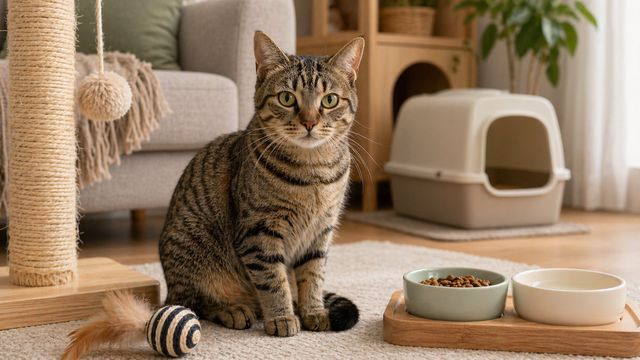
  • Classic Tabby: This is the most representative pattern of the American Shorthair. It features large, swirling, or bullseye-like marble patterns on the sides of the body and a distinct "M" marking on the forehead, which is what most people picture when they think of an American Shorthair.
  • Silver Tabby: The base color is silver-white with dark gray or black markings. The eyes are often green or golden-green. The overall appearance is very cool and imposing, making it a popular choice among American Shorthairs.
  • Brown Tabby: The base color ranges from warm brown to coffee brown, with dark brown or black markings. They look like miniature forest wildcats and are usually more lively in personality.
  • Mackerel Tabby: The markings on the sides of the body are thin, parallel vertical stripes, resembling fish bones, with distinct ring patterns on the limbs.
  • Tabby & White: Any tabby pattern combined with a white chest, white socks, or a white belly. Commonly known as "Mei Duan with White," they are also frequently seen in adoption markets.

Other variations like Cream Tabby, Gray (Blue) Tabby, and Folded Ear American Shorthairs occasionally appear. However, according to official American Shorthair breed standards, folded ears are not a formal breed characteristic. Be mindful of the breeding source for health when purchasing.

What Are the Downsides of American Shorthairs? Think About These 4 Points Before Getting One

Although American Shorthairs are affectionate and attractive, they are not suitable for every household. Common downsides and care challenges include:

  • Prone to Weight Gain, Loves to Eat: American Shorthairs usually have a good appetite. If fed freely, they can easily become "chubby orange cats." It's recommended to feed them at fixed times and in fixed amounts, and consider using probiotics to help maintain gut and digestive health.
  • Risk of Inherited Heart Disease (HCM): Hypertrophic Cardiomyopathy is a genetic disease commonly mentioned for American Shorthairs. It's recommended to arrange for annual heart ultrasound follow-ups. Consult a veterinarian if any related symptoms appear; do not self-diagnose.
  • Hip Joints Are Easily Burdened: Their sturdy build combined with a love for food puts a lot of pressure on their joints. Be mindful of height planning in households with frequent jumping up and down.
  • Significant Shedding: Although they have short hair, they have a dense undercoat, leading to surprising shedding during seasonal changes. Daily use of hairball control powder can help maintain smooth digestion and reduce hairball issues.

How Do Male and Female American Shorthairs Differ? How Does Their Personality Compare to Other Breeds?

Male American Shorthairs are generally larger (adults weigh about 5–7 kg) and tend to be more clingy and affectionate, seeking cuddles. Female American Shorthairs are smaller (about 3.5–5 kg) and relatively more independent, maintaining some distance, but are very loyal to their chosen owner.

Compared to Canadian Sphynx cats, American Shorthairs are more stable, have moderate exercise needs, and do not require special warming or frequent skin wiping. Sphynx cats are more clingy and require more grooming and care. If you are a first-time cat owner or have children at home, an American Shorthair is usually an easier choice to start with.

Common American Shorthair FAQs

Q1: How to distinguish between an American Shorthair tabby and a Taiwanese "Mekong Delta tabby" (mixed-breed tabby)?

Purebred American Shorthair tabbies have a distinct "M" on their forehead, symmetrical swirls or fishbone patterns, rounded cheeks, and a sturdy, square body. Mixed-breed tabbies have more random pattern arrangements and varying body types. For breed confirmation, it's recommended to request TICA or CFA pedigree certificates.

Q2: What did American Shorthairs look like a hundred years ago?

When registered in 1900, American Shorthairs were essentially working cats that traveled on immigrant ships to North America to catch mice. They were leaner then, with more pointed faces. It wasn't until they were officially named in 1960 that they were gradually bred into the round-faced, robust cats we see today.

Q3: Can American Shorthairs be kept indoors long-term?

Yes. American Shorthairs are highly adaptable. As long as they have sufficient vertical space (cat trees), toys for interaction, and a clean litter box environment, they are fine. We recommend using a Butter Toast Litter Box to ensure even larger American Shorthairs can use it comfortably.

Q4: How much does an American Shorthair kitten typically cost?

The price for an American Shorthair kitten with pedigree papers ranges from approximately NT$30,000 to NT$80,000. Silver tabbies and classic tabbies are priced higher due to their popularity. It's recommended to choose a reputable cattery that provides health checks and HCM screening reports for the parents, or consider adopting instead of buying.

Common Questions

What should new cat owners pay the most attention to?

It's recommended to first stabilize their diet, litter box, water, sleeping space, and daily observations. Avoid changing too many environmental factors at once, allowing the cat time to build a sense of security.

Does cat care need to be adjusted based on age?

Yes. Kittens, adult cats, and senior cats have different needs regarding diet, activity levels, medical check-ups, and environmental safety. Care methods should be adjusted according to age.

In what situations should professional help be sought?

If behavioral problems worsen, health symptoms recur, or there are abnormalities in appetite or elimination, it's recommended to consult a veterinarian, behaviorist, or professional caregiver.

References

\n

→ Learn about CatGarden - The Brand Closest to Cats\

CatGarden offers curated supplies, cat boarding, and grooming

Book services or shop online.
Back

Blog

American Shorthair Complete Guide: Breed Traits, Coat Patterns, Downsides, and Care Tips (2026)

CatGarden Editorial TeamPublished 2025/05/17Updated 2026/10/05
Owner Experience Sharing
American Shorthair Complete Guide: Breed Traits, Coat Patterns, Downsides, and Care Tips (2026)

When you think of the "American sweetheart" of the cat world, you're likely picturing the "American Shorthair" with its robust physique and beautiful markings. The ancestors of the American Shorthair first arrived on the North American continent with early European immigrants. With their strong bodies and excellent hunting skills, they gradually multiplied in the new land, becoming one of America's most popular "native" cat breeds. First recorded in 1900, they were classified as domestic shorthair cats until 1960 when they were officially named "American Shorthair." Today, let's delve deep into this popular cat breed, understand their unique charm, and learn some essential care tips to better care for your furry friend!

The "Charms" of the American Shorthair: Advantages & Things to Note!

#### "Advantages" That Win Hearts at First Sight:

  • A Visual Treat with Diverse Coat Patterns: American Shorthairs boast exquisite and varied coat colors and patterns, from the classic silver tabby, brown tabby, to various solids and bi-colors, making them highly ornamental. Each cat has its unique beauty.
  • Gentle Yet Playful, Adaptable to Both Calm and Active Moments: American Shorthairs are generally very gentle in temperament, getting along well with humans and other pets, making them ideal for families with children. They also retain a lively and playful side, easily engaging in fun interactions with their families.
  • Naturally Robust and Highly Adaptable: They typically have strong and healthy bodies with abundant energy. Whether living in a small apartment or a larger house, they can adapt well to various living environments.

#### "Downsides" to Be Prepared For Before Bringing One Home:

  • Potential Risk of Genetic Diseases: Due to their genetic makeup, some American Shorthairs may carry the risk of "Hypertrophic Cardiomyopathy" (HCM). This is a heart condition that requires monitoring through regular health check-ups.
  • Watch Out for Hip Joint Issues: American Shorthairs are also more prone to hip dysplasia. Therefore, controlling their diet and preventing obesity is crucial to reduce the burden on their hip joints.

American Shorthair Care Tips for a Healthy and Happy Cat!

Want your American Shorthair master to be full of energy and free from worries every day? Here are a few care suggestions that owners must keep in mind:

  • "Regular Vet Check-ups" Are Essential, Pay Attention to Heart and Hip Joints: Given the potential genetic disease risks mentioned earlier, it's very important to take them for regular health examinations, especially focusing on their heart and hip joint conditions, and have your veterinarian assess them thoroughly.
  • "Dietary Control" is Key, Say Goodbye to Obesity: Control portion sizes. It's recommended to feed them on a "fixed schedule and fixed amount" basis to prevent them from becoming overweight due to overeating. Maintaining an ideal weight also reduces the burden on their heart and joints.
  • "Moderate Exercise" is Important for Maintaining Energy and a Good Physique: Although American Shorthairs are adaptable, they still need adequate exercise to stay healthy. Owners can spend some time each day interacting and playing with them using toys like feather wands and scratching posts. You can also moderately use products like CatGarden Premium Catnip to increase the cat's interest in toys, boost their willingness to be active, and help them maintain good health and a happy mood.

Who is the Ideal Owner for an American Shorthair?

Overall, American Shorthairs have a stable, affectionate, and somewhat playful temperament, making them a very suitable cat breed for general households. If you enjoy close interaction with your cat and can accept their occasional mischievousness, an American Shorthair will be a wonderful family member!

Do you also have a handsome and adorable American Shorthair at home? Or are you deeply attracted by their charm and preparing to welcome one home? Feel free to leave a comment below to share your care experiences, interesting stories with your American Shorthair, or any questions you may have! If you'd like to hear about other cat breeds, feel free to let us know anytime!

Key takeaways

  • The American Shorthair was first registered as a Domestic Shorthair in 1900, and was officially named 'American Shorthair' only in 1960.
  • Adult male American Shorthairs typically weigh around 5–7 kg and are more affectionate and clingy, while females weigh about 3.5–5 kg and are relatively independent.
  • American Shorthairs have a genetic predisposition to hypertrophic cardiomyopathy (HCM) and hip dysplasia. Regular check-ups and controlled feeding to prevent obesity are necessary.
  • The market price for American Shorthair kittens with pedigree papers ranges from approximately 30,000 to 80,000 NTD, with silver tabby and classic tabby being the most popular.

What Are the Different Types of American Shorthair Tabby Patterns? Silver, Brown, and Classic Tabby Identified

The most popular and recognizable pattern for "Mei Duan" in Taiwan is the tabby (Tabby) pattern, but tabby is not a single pattern but a whole family of markings. Here are the most common types of American Shorthair tabby patterns:

  • Classic Tabby: This is the most representative pattern of the American Shorthair. It features large, swirling, or bullseye-like marble patterns on the sides of the body and a distinct "M" marking on the forehead, which is what most people picture when they think of an American Shorthair.
  • Silver Tabby: The base color is silver-white with dark gray or black markings. The eyes are often green or golden-green. The overall appearance is very cool and imposing, making it a popular choice among American Shorthairs.
  • Brown Tabby: The base color ranges from warm brown to coffee brown, with dark brown or black markings. They look like miniature forest wildcats and are usually more lively in personality.
  • Mackerel Tabby: The markings on the sides of the body are thin, parallel vertical stripes, resembling fish bones, with distinct ring patterns on the limbs.
  • Tabby & White: Any tabby pattern combined with a white chest, white socks, or a white belly. Commonly known as "Mei Duan with White," they are also frequently seen in adoption markets.

Other variations like Cream Tabby, Gray (Blue) Tabby, and Folded Ear American Shorthairs occasionally appear. However, according to official American Shorthair breed standards, folded ears are not a formal breed characteristic. Be mindful of the breeding source for health when purchasing.

What Are the Downsides of American Shorthairs? Think About These 4 Points Before Getting One

Although American Shorthairs are affectionate and attractive, they are not suitable for every household. Common downsides and care challenges include:

  • Prone to Weight Gain, Loves to Eat: American Shorthairs usually have a good appetite. If fed freely, they can easily become "chubby orange cats." It's recommended to feed them at fixed times and in fixed amounts, and consider using probiotics to help maintain gut and digestive health.
  • Risk of Inherited Heart Disease (HCM): Hypertrophic Cardiomyopathy is a genetic disease commonly mentioned for American Shorthairs. It's recommended to arrange for annual heart ultrasound follow-ups. Consult a veterinarian if any related symptoms appear; do not self-diagnose.
  • Hip Joints Are Easily Burdened: Their sturdy build combined with a love for food puts a lot of pressure on their joints. Be mindful of height planning in households with frequent jumping up and down.
  • Significant Shedding: Although they have short hair, they have a dense undercoat, leading to surprising shedding during seasonal changes. Daily use of hairball control powder can help maintain smooth digestion and reduce hairball issues.

How Do Male and Female American Shorthairs Differ? How Does Their Personality Compare to Other Breeds?

Male American Shorthairs are generally larger (adults weigh about 5–7 kg) and tend to be more clingy and affectionate, seeking cuddles. Female American Shorthairs are smaller (about 3.5–5 kg) and relatively more independent, maintaining some distance, but are very loyal to their chosen owner.

Compared to Canadian Sphynx cats, American Shorthairs are more stable, have moderate exercise needs, and do not require special warming or frequent skin wiping. Sphynx cats are more clingy and require more grooming and care. If you are a first-time cat owner or have children at home, an American Shorthair is usually an easier choice to start with.

Common American Shorthair FAQs

Q1: How to distinguish between an American Shorthair tabby and a Taiwanese "Mekong Delta tabby" (mixed-breed tabby)?

Purebred American Shorthair tabbies have a distinct "M" on their forehead, symmetrical swirls or fishbone patterns, rounded cheeks, and a sturdy, square body. Mixed-breed tabbies have more random pattern arrangements and varying body types. For breed confirmation, it's recommended to request TICA or CFA pedigree certificates.

Q2: What did American Shorthairs look like a hundred years ago?

When registered in 1900, American Shorthairs were essentially working cats that traveled on immigrant ships to North America to catch mice. They were leaner then, with more pointed faces. It wasn't until they were officially named in 1960 that they were gradually bred into the round-faced, robust cats we see today.

Q3: Can American Shorthairs be kept indoors long-term?

Yes. American Shorthairs are highly adaptable. As long as they have sufficient vertical space (cat trees), toys for interaction, and a clean litter box environment, they are fine. We recommend using a Butter Toast Litter Box to ensure even larger American Shorthairs can use it comfortably.

Q4: How much does an American Shorthair kitten typically cost?

The price for an American Shorthair kitten with pedigree papers ranges from approximately NT$30,000 to NT$80,000. Silver tabbies and classic tabbies are priced higher due to their popularity. It's recommended to choose a reputable cattery that provides health checks and HCM screening reports for the parents, or consider adopting instead of buying.

Common Questions

What should new cat owners pay the most attention to?

It's recommended to first stabilize their diet, litter box, water, sleeping space, and daily observations. Avoid changing too many environmental factors at once, allowing the cat time to build a sense of security.

Does cat care need to be adjusted based on age?

Yes. Kittens, adult cats, and senior cats have different needs regarding diet, activity levels, medical check-ups, and environmental safety. Care methods should be adjusted according to age.

In what situations should professional help be sought?

If behavioral problems worsen, health symptoms recur, or there are abnormalities in appetite or elimination, it's recommended to consult a veterinarian, behaviorist, or professional caregiver.

References

\n

→ Learn about CatGarden - The Brand Closest to Cats\

One email a month of cat-care tips

Hand-picked care, behavior and grooming tips once a month. Subscribe and we will send you our three most-read articles right away.

Keep reading