Is Your Cat's Rapid Breathing a Sign of Heart Disease? A Guide to HCM, Pancreatitis, and Hidden Illness Warnings
Rapid breathing in cats is not a symptom to observe for days. Especially if your cat is noticeably panting while resting quietly, has significant abdominal movement, breathes with their mouth open, or shows hiding, decreased appetite, and lethargy simultaneously, it could indicate heart disease, pancreatitis, or infection.

Rapid breathing in cats is not a symptom to observe for days. Especially if your cat is noticeably panting while resting quietly, has significant abdominal movement, breathes with their mouth open, or shows hiding, decreased appetite, and lethargy simultaneously, it could indicate heart disease, pancreatitis, infection, pain, or stress.
Cats are masters at hiding discomfort, and many illnesses initially appear as just being "a bit lazy," "not eating much," or "wanting to hide." However, breathing status is different; it directly relates to oxygen levels, circulation, and pain. The most important thing for owners is not to self-diagnose but to recognize danger signs and know when to seek immediate veterinary care.
Key takeaways
- Observe a cat's breathing when it is deeply asleep or resting quietly, counting the rise and fall of its chest and abdomen. If panting or abdominal exertion occurs without exercise or after a period of rest, it should not be solely attributed to hot weather.
- Early symptoms of Feline Hypertrophic Cardiomyopathy (HCM) are not obvious. When heart function is impaired, symptoms like rapid breathing and decreased activity may appear. It can even be accompanied by hind limb weakness, coldness, pain, or dragging, which are signs of thrombosis.
- Symptoms of Feline Pancreatitis are often atypical. Vomiting may not be continuous, nor will there be obvious signs of pain. Instead, rapid breathing may occur due to pain, dehydration, or inflammation, accompanied by decreased appetite, hiding, and abdominal tightness.
- Unlike dogs, cats do not commonly pant with their mouths open to cool down. If a cat exhibits open-mouth breathing, purplish gums, fainting, or inability to stand, it should be considered an emergency and immediate veterinary attention is required.
How to Judge Rapid Breathing in Cats? First, Check Resting Respiratory Rate
It's recommended to observe chest and abdominal movements when your cat is deeply asleep or resting quietly. One rise and fall counts as one breath. Healthy cats usually have stable resting breaths. If you notice a significant increase in respiratory rate, forceful abdominal effort, or enlarged nostril or chest movements, you should be alert.
If your cat has just been running, playing with a feather wand, or was startled, a temporary increase in breathing rate might return to normal. However, if they are still panting after a period of rest, or are breathing rapidly without any exertion, it should not be solely attributed to the heat.
- Observation Time: Choose when they are sleeping, lying down, or just waking up.
- Observation Method: Watch chest and abdominal movements; avoid touching the cat.
- Key Points to Record: Respiratory rate, appetite, energy level, urination, and hiding behavior.
- Danger Signs: Open-mouth breathing, purplish gums, collapse, or weakness require immediate veterinary attention.
Heart Disease HCM: The Hidden Cause of Rapid Breathing in Cats
Hypertrophic Cardiomyopathy, or HCM, is frequently mentioned among feline heart diseases. Its danger lies in the fact that it may not show obvious symptoms in the early stages. Owners might only realize the problem is severe when their cat suddenly starts panting, shows hind limb weakness, or has decreased activity.
When heart function is compromised, blood circulation and lung condition can deteriorate, leading to rapid breathing, fatigue, reluctance to move, hiding, or decreased appetite. Some cats may also exhibit signs related to blood clots, such as hind limb pain, dragging their legs, or sudden vocalizations of pain.
Which Cats Need Special Attention for Heart Risks?
Any cat can develop heart problems, but certain breeds, senior cats, those with heart murmurs detected by a veterinarian, or cats with a family history of heart disease should undergo more frequent check-ups. Even if a cat appears lively, early heart disease cannot be entirely ruled out.
- Increased or labored breathing during rest.
- Fatigue after brief play, with a noticeable decrease in activity level.
- Sudden reluctance to jump or move around.
- Hind limb weakness, coldness, or pain.
- Fainting, open-mouth breathing, or abnormal gum color.
Pancreatitis Can Also Make Your Cat Seem "Just a Little Off"
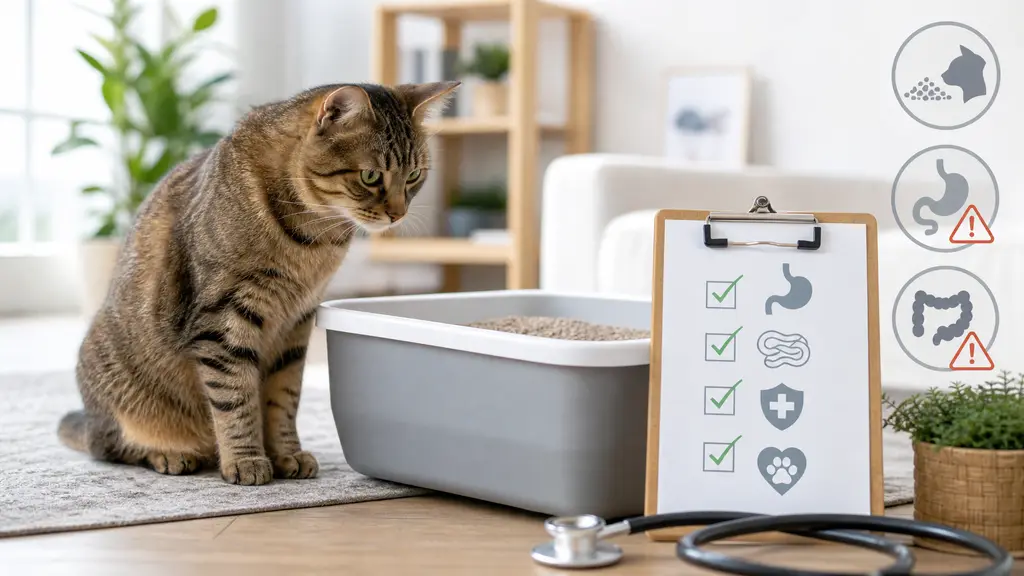
Pancreatitis in cats often presents atypically. Cats may not exhibit obvious pain like humans, nor do they always vomit persistently. Some cats simply stop eating, become quiet, hide in corners, or show decreased energy. In some cases, pain and discomfort can lead to rapid breathing.
Pancreatitis can occur alongside gastrointestinal issues, liver or gallbladder disease, or chronic inflammation, so it cannot be diagnosed based on a single symptom. If your cat experiences persistent decreased appetite, vomiting, diarrhea, or weight loss, or refuses even their favorite foods, it's best to have them examined by a veterinarian.
Common Warning Signs of Pancreatitis
- Noticeable decrease in appetite, or complete refusal to eat.
- Lethargy, hiding, reluctance to be held.
- Vomiting, diarrhea, or changes in stool consistency.
- Abdominal discomfort, tensing up, or becoming agitated when the belly is touched.
- Rapid breathing due to pain or dehydration.
What Other Diseases Can Cause Rapid Breathing in Cats?
Besides HCM and pancreatitis, rapid breathing can also be related to upper respiratory infections, pneumonia, asthma, anemia, fever, poisoning, trauma, pain, or high stress. In other words, rapid breathing is not a diagnosis of a single disease but a warning sign that requires investigation.
If your cat also sneezes, has a runny nose, or increased eye discharge, it might lean towards a respiratory infection. If they cough, wheeze, or adopt a "downward dog" posture with their neck extended while breathing, asthma or lung problems should be considered. Pale gums and weakness might be related to anemia or circulatory issues.
When Should You Seek Immediate Veterinary Care?
Any instance of open-mouth breathing in a cat should be treated as an emergency. Unlike dogs, cats do not typically pant with their mouths open to cool down. Unless they have just engaged in strenuous activity or are in extreme heat, open-mouth breathing usually indicates significant discomfort.
- Immediate Veterinary Care: Open-mouth breathing, purplish gums, fainting, inability to stand.
- Same-Day Veterinary Care: Persistent panting during rest, significant decrease in appetite, lethargy.
- Consult Promptly: Recurrent rapid breathing, or accompanied by coughing, vomiting, or weight loss.
- Do Not Delay: Kittens, senior cats, and cats with chronic illnesses are at higher risk.
What Can Owners Do Before Going to the Vet?
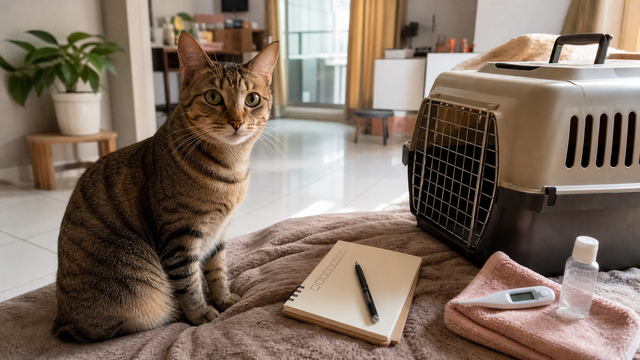
The first step is to minimize stimulation. Avoid constantly picking them up for examination, forcing food or water, or making them move around. Prepare a carrier, place a familiar towel inside, maintain a quiet environment, and contact your veterinarian as soon as possible.
You can use your phone to record their breathing. Note the start time, whether they have eaten, vomited, urinated, or defecated normally, and if they have recently bathed, groomed, boarded, changed food, or been exposed to new cats. This information can help the veterinarian make a faster diagnosis.
Routine Prevention: Don't Wait Until They're Panting to Start Caring
The core of feline disease prevention lies in recording daily changes. Appetite, water intake, weight, activity level, toileting habits, and breathing patterns are all valuable health clues. This is especially important in multi-cat households to avoid the situation of "not knowing which cat isn't eating."
Regular health check-ups, vaccinations, parasite control assessments, weight management, a stable diet, and a low-stress environment can reduce the likelihood of diseases progressing to a critical stage before being discovered. If your cat needs boarding or grooming, choose a care environment that understands feline behavior and can carefully observe their energy levels and appetite.
Frequently Asked Questions FAQ
Is rapid breathing in cats always a sign of heart disease?
Not necessarily. Heart disease is a significant cause, but asthma, infections, pain, fever, anemia, pancreatitis, or stress can also lead to rapid breathing. The key is not to guess but to seek veterinary examination based on the severity.
Can I observe if my cat breathes fast while sleeping?
If it's a brief increase due to dreaming and returns to normal after waking, you can record it. However, if they continue to pant during quiet rest, use their abdomen forcefully, or show decreased energy and appetite, it's recommended to consult a veterinarian the same day.
Is open-mouth breathing in cats very dangerous?
Yes, open-mouth breathing in cats is usually an emergency warning sign. Please minimize stimulation, place them in a carrier, and go to the veterinary hospital immediately. Waiting at home is not recommended.
Can pancreatitis cause a cat to pant?
Pancreatitis can cause rapid breathing due to pain, inflammation, dehydration, or general discomfort. However, whether it is pancreatitis requires assessment by a veterinarian through physical examination, blood tests, and imaging.
How can I prevent hidden illnesses in my cat normally?
It is recommended to have regular health check-ups, record weight and food intake, observe resting breathing, maintain an appropriate body condition, and pay attention to energy and appetite after seasonal changes, boarding, or grooming. Early detection is usually easier to manage than waiting until an emergency.
CatGarden | Banqiao Premium Cat Hotel, offering boarding and grooming services.
Further Reading
- What is Feline Panleukopenia in 2026? Signs of Kitten Infection, Transmission Routes, and Home Prevention Guide
- Can Cats Sleep With You? 2026 Guide to Zoonotic Diseases, Allergies, and Safe Co-Sleeping
- 2026 Rainy Season Cat Health Warning Signs: Don't Ignore These 4 Major Symptoms, When Should You Seek Immediate Care?
- 2026 What to Do About Cat Eye Discharge: Color Interpretation, Common Causes, and When to Seek Medical Attention
Conclusion: Rapid Breathing Is a Cry for Help from Your Cat
The biggest fear with rapid breathing in cats is mistaking it for just the heat, nervousness, or old age. When your cat is using its breathing to tell you it's uncomfortable, owners should address the risk proactively, not wait until their appetite is completely gone or they collapse.
If you need to travel for business or leisure soon, or are concerned about your cat's energy and appetite being monitored at home, consider choosing a professional care environment familiar with feline behavior. Stable, quiet boarding services that meticulously record daily status can ensure your cat is well cared for and provide you with peace of mind.
→ Learn about CatGarden's full range of house brand products
FAQ
Does rapid breathing in cats always mean heart disease?
Not necessarily. Heart disease is a significant cause, but asthma, respiratory infections, pain, fever, anemia, pancreatitis, or stress can also lead to faster breathing. The cause needs to be confirmed by a veterinarian.
What should I do if my cat starts breathing with its mouth open?
Open-mouth breathing in cats usually indicates extreme discomfort and is an emergency warning sign. Owners should first minimize stimulation, place the cat in a carrier with a familiar towel, and immediately transport it to an animal hospital for veterinary care.
Can pancreatitis cause a cat's breathing to become rapid?
Yes. When cats have pancreatitis, they may experience rapid breathing due to pain, inflammation, dehydration, or general discomfort. This is often accompanied by a significant decrease in appetite, lethargy, and hiding.
What preparations can an owner make before taking a cat to the vet?
Keep the environment quiet and minimize stimulation. Do not force-feed or give water. Owners can record the breathing status with their phone and note down the onset time, eating, and elimination patterns to provide to the veterinarian for reference.
CatGarden offers curated supplies, cat boarding, and grooming
Book services or shop online.