Is Cat Neutering Necessary? A Guide to Heat Cycles, Disease Prevention, and Post-Operative Care
Conclusion: Cat neutering isn't just about preventing kittens. Many owners search for "cat neutering" and first think about whether it's cruel, what age is best, or if they'll gain weight afterward. However, from a health care perspective, neutering is actually related to heat cycles,
Key takeaways
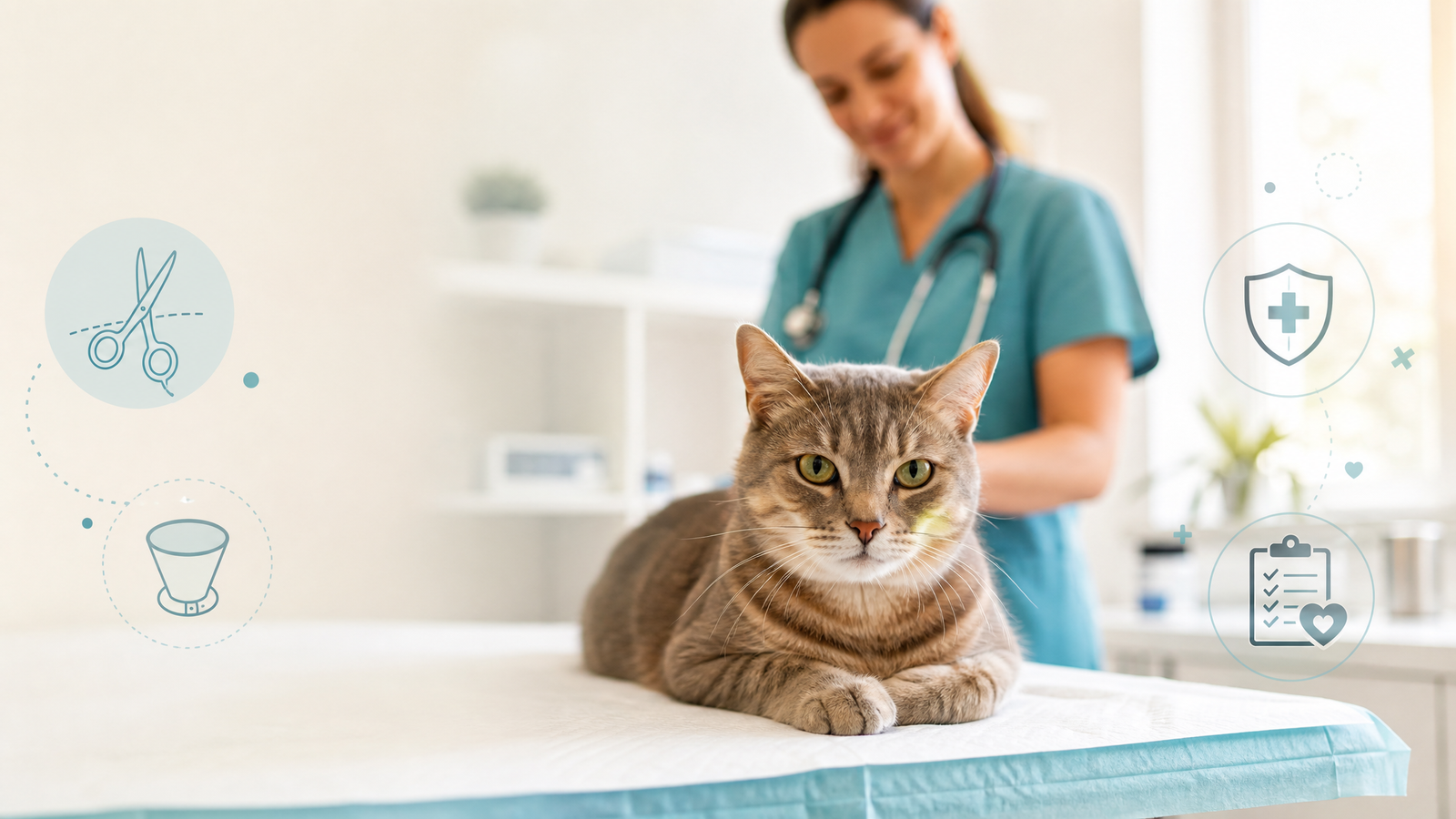
- Spaying female cats reduces the stress of repeated heat cycles and lowers the risk of pyometra and ovarian diseases. For male cats, it reduces the likelihood of running out the door to find a mate, fighting, and urine marking.
- The common practice for cat neutering/spaying is to schedule an assessment around the time of sexual maturity. However, it should be postponed or health stabilized if the cat is too thin, sick, not fully vaccinated, or experiencing fever, severe diarrhea, or rapid breathing.
- Before surgery, besides fasting from food and water, medical history should be reviewed, and risks of blood tests and anesthesia assessed. Never self-administer human painkillers or sedatives.
- Weight gain after neutering/spaying is not an inevitable outcome of the surgery. It stems from decreased activity and increased appetite due to hormonal changes. Calorie intake and activity levels need to be adjusted concurrently based on veterinary advice.
- After surgery, check the wound daily for dryness, redness, swelling, or opening. If the cat completely stops eating for more than a day, shows extreme lethargy, or has vomiting or abnormal breathing, contact the hospital immediately.
Conclusion: Cat Neutering Isn't Just About Preventing Kittens
When many owners search for "cat neutering," their first thoughts are about whether it's cruel, what age is best, or if their cat will gain weight afterward. However, from a health care perspective, neutering is actually related to heat cycle stress, the risk of roaming, fighting injuries, and the prevention of certain reproductive system diseases.
If you don't plan to breed your cat, it's generally recommended to discuss the appropriate timing for surgery with a trusted veterinarian. Even for indoor-only cats, who seemingly have no opportunity to mate outdoors, the howling, inappropriate urination, anxiety, and changes in appetite caused by heat cycles can still affect their quality of life.
Why Are Neutering Issues More Important to Owners in 2026?
In recent years, discussions about cat health have moved beyond just vaccines and food. More and more owners are becoming concerned about "preventive medicine." Neutering is a common topic in preventive care because it's not just about behavior management; it also involves future disease risks.
- Female cats: Can reduce the stress of repeated heat cycles and decrease the risk of pyometra, uterine diseases, and related conditions.
- Male cats: Can reduce the likelihood of escaping to find a mate, fighting, and spraying to mark territory.
- Multi-cat households: Helps reduce conflicts, chasing, and stress accumulation caused by heat cycles.
However, each cat's age, physical condition, chronic illnesses, and living environment are different. Whether surgery is suitable should be assessed by a veterinarian, not solely based on online advice.
When is the Best Time to Neuter a Cat?
The common practice is to schedule an assessment around the time of sexual maturity, but the actual timing will vary depending on weight, vaccination status, developmental stage, and the hospital's recommendations. If a kitten is too thin, ill, or not yet fully protected by vaccinations, the veterinarian may suggest stabilizing their basic health first.
Adult cats can also be neutered, but pre-operative examinations are even more crucial. If your cat is an older senior or has experienced shortness of breath, decreased appetite, abnormal weight loss, or concerns about chronic kidney disease, more comprehensive blood tests and anesthesia risk assessments are usually needed before surgery.
Pre-Operative Preparation: Don't Just Remember Fasting
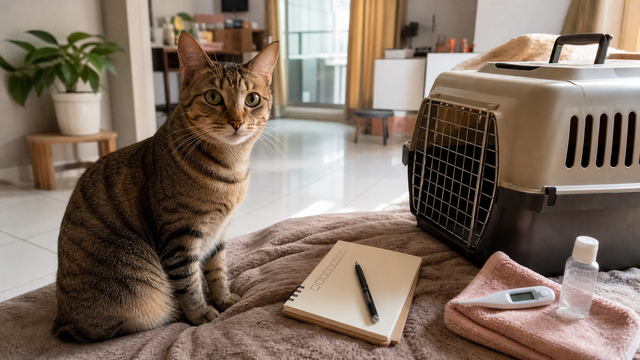
Before a cat's neutering surgery, owners are most often reminded about fasting from food and water. However, truly comprehensive preparation also includes organizing medical history and arranging the post-operative environment. It's recommended to organize recent appetite, urination and defecation habits, medications, allergy history, vaccination records, and any previous anesthesia experiences before the visit.
- Confirm if pre-operative blood tests are necessary.
- Prepare a sturdy carrier to prevent struggling during the trip to the vet.
- Arrange a quiet room for post-operative recovery, avoiding jumping and running.
- Inquire in advance about pain medication, Elizabethan collars, and follow-up appointment times.
If your cat is very afraid of going out or easily stressed, you can also discuss calming methods with your veterinarian beforehand. Do not self-medicate with human painkillers or sedatives, as these can be very dangerous for cats.
Post-Operative Care Essentials: Observation is More Important Than Supplements
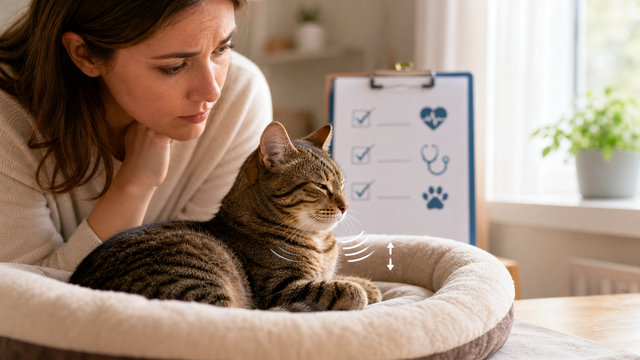
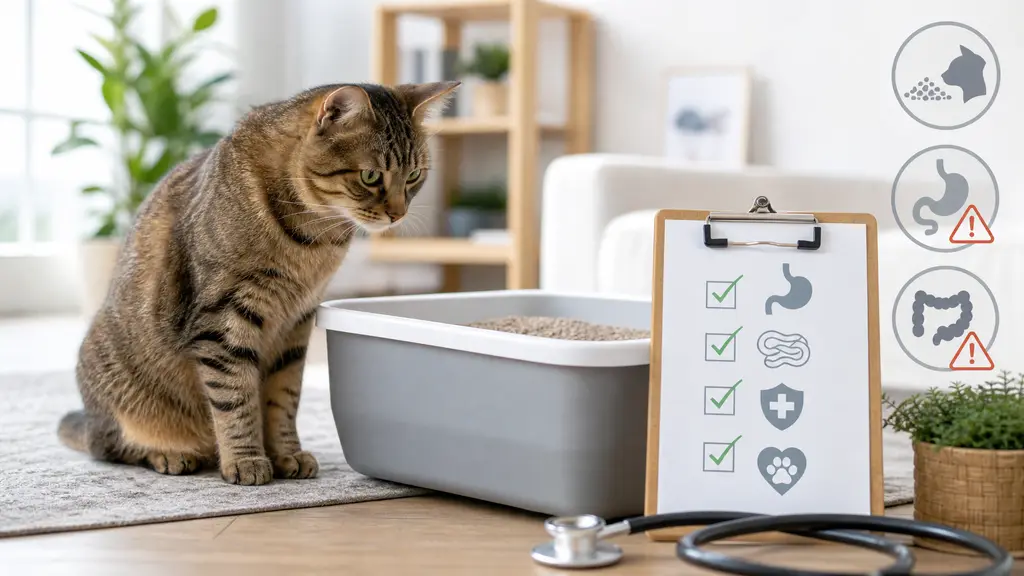
After neutering surgery, the owner's most important job is to monitor the incision site, energy levels, appetite, and elimination. When they first return home, cats may be unsteady on their feet due to anesthesia recovery, sleepy, or unwilling to eat. They usually need quiet rest and should not be bathed immediately, play chase games, or be allowed to jump onto high places.
Incision Care
Check the incision daily for dryness, obvious redness, swelling, discharge, odor, or opening. If your cat constantly licks the wound, use an Elizabethan collar or recovery suit as directed by your veterinarian to prevent infection and suture loosening.
Diet and Activity
Appetite may decrease temporarily after surgery, but if your cat still refuses to eat for more than a day, is very lethargic, or shows vomiting, abnormal breathing, or obvious abdominal pain, contact the vet immediately. During recovery, stick to their usual familiar food. It is not recommended to suddenly introduce a large number of supplements.
Will Neutering Definitely Cause Weight Gain?
Hormonal changes after neutering can lead to decreased activity and increased appetite in some cats, making them more prone to weight gain. However, "weight gain" is not an inevitable outcome of the surgery; it's a result of calorie intake and activity levels not being adjusted accordingly.
- Adjust daily calorie intake based on your veterinarian's recommendations.
- Regularly monitor weight and observe their waistline.
- Maintain activity levels through short, frequent play sessions.
- Treats, purees, and freeze-dried food should be included in the total calorie count.
If your cat is already overweight, it's recommended to establish a weight management plan both before and after surgery to avoid future stress on their joints and urinary tract, as well as the risk of diabetes.
When Should Neutering Be Postponed or Re-evaluated?
If your cat has a fever, severe diarrhea, loss of appetite, rapid breathing, or has experienced unexplained weight loss recently, it's usually not suitable to rush into surgery just to meet a deadline. Female cats suspected of being pregnant, nursing, or with unknown health conditions also need to be confirmed by a veterinarian first.
Neutering is a common surgery, but anesthesia still carries risks. The best decision is not "the sooner the better," but rather ensuring the cat is in a condition to tolerate it and that post-operative care is provided with someone who can offer stable companionship and observation.
Frequently Asked Questions (FAQ)
Will my cat's personality change after neutering?
Some cats may become more stable due to reduced heat cycle stress, but their personality won't be completely rewritten. Traits like shyness, fearfulness, or playfulness usually remain.
Can a female cat be spayed while in heat?
During heat, tissues are engorged, which can increase the difficulty and bleeding risk of surgery. Whether it's suitable to proceed should be determined by the veterinarian based on their assessment at the time.
Will my male cat still spray after neutering?
If spraying is related to marking territory due to heat cycles, it may improve after neutering. However, if the cause is stress, litter box issues, or urinary tract disease, it will require separate treatment.
How long after neutering can my cat take a bath?
Generally, you should wait until the incision has healed and your vet confirms it's safe. Bathing too soon can increase the risk of infection. It's best to follow your vet's instructions after the follow-up appointment.
Does my cat need to stay in the hospital after neutering?
Most healthy cats can return home the same day, but hospital procedures vary. If your cat is older or has special circumstances, the veterinarian may recommend a longer observation period.
This article was written by the Cat Care Team based on years of practical experience at Banqiao Pure Cat Hotel. It is for owner reference only. Please consult a veterinarian for any health concerns. If you need to arrange cat boarding or grooming services, you are welcome to use CatGarden's AI Smart Recommendation System to find the most suitable plan based on your cat's condition and manage your booking information entirely through the cloud.
CatGarden|Banqiao Villa-Style Pure Cat Hotel, offering boarding and grooming services.
Further Reading
- 2026 Kitten's First Year Health Blueprint: A Comprehensive Guide to Vaccinations, Nutrition, Socialization, and Check-up Schedules
- 2026 Caring for a Pregnant Cat: Symptoms, Gestational Changes, and Pre-Birth Preparation Guide
- 2026 What to Do About an Overweight Cat: Ideal Body Weight, Diabetes Risk, and Weight Loss Care Guide
- 2026 Cat Car Travel Training Guide: Reducing Vet Visit Stress, Carrier Acclimation, and Safe Travel Techniques
Conclusion: Treat Neutering as Part of a Health Plan
Cat neutering is not just a single surgery; it's a health plan that includes pre-operative assessment, anesthesia safety, post-operative observation, and weight management. If you are planning your cat's neutering, post-operative recovery, or short-term boarding, it's recommended to organize medical records, dietary habits, and care needs in advance so that the professional team can quickly understand the situation.
If you want your cat to have a quiet, stable recovery environment with attentive observation, you can also discuss options with a cat hotel or care team in advance to arrange a more peaceful recovery rhythm for your cat.
→ Learn about CatGarden Probiotics
FAQ
Will my cat's personality change after neutering/spaying?
Some cats may become calmer due to reduced heat cycle stress, but their original traits like shyness, fearfulness, or playfulness usually remain. Their personality won't be completely rewritten.
Can a female cat be spayed during her heat cycle?
During a heat cycle, tissues become engorged, increasing surgical difficulty and bleeding risk. Whether it's suitable to schedule surgery should be determined by the veterinarian based on the on-site condition.
Will my male cat stop spraying urine after being neutered?
If spraying is related to mating behavior, it may improve after neutering. However, if it's caused by stress, litter box issues, or urinary tract diseases, it will require separate treatment.
How long after neutering/spaying can my cat take a bath?
Bathing too soon increases infection risk. Generally, you should wait until the wound has completely healed and the veterinarian confirms it during a follow-up visit before bathing.
Does my cat need to stay in the hospital after neutering/spaying surgery?
Most healthy cats can usually go home the same day of the surgery. However, if the cat is older or has specific health conditions, the veterinarian might recommend a longer observation period at the hospital.
CatGarden offers curated supplies, cat boarding, and grooming
Book services or shop online.