What to Do If Your Cat Eats Litter? A Guide to Pica, Intestinal Blockages, and Health Warnings

A cat eating litter is a serious matter: first, distinguish between "occasional licking" and "repeated ingestion." If you find your cat lowering its head to lick the litter, the edge of the litter box, or even swallowing clumps of litter, the first step is not to scold, but to assess the frequency and situation. Kittens may
CatGarden Editorial TeamPublished 2026/05/05
health managementcat healthcat behavior
What to Do If Your Cat Eats Litter? A Guide to Pica, Intestinal Blockages, and Health Warnings

Key takeaways

  • Ingesting large amounts of clumping clay litter, tofu litter, or bentonite litter can cause them to absorb water and expand, leading to vomiting, constipation, abdominal pain, or even intestinal obstruction in cats.
  • If your cat repeatedly vomits within 24 hours, hasn't defecated for over 24 to 48 hours, shows signs of abdominal pain (arching its back), or has a significantly reduced appetite after ingesting litter, seek veterinary attention immediately.
  • In adult cats, repeatedly eating litter is often a sign of underlying health issues. Common causes include environmental stress, nutritional or mineral deficiencies, anemia, parasitic infections, and gastrointestinal diseases.
  • To reduce feline anxiety and the risk of pica (eating non-food items), it's recommended to have one litter box per cat plus an extra one in multi-cat households. Litter boxes should also be cleaned at least once or twice daily.

A Cat Eating Litter Is No Small Matter: First, Distinguish Between "Occasional Licking" and "Repeated Ingestion"

If you find your cat lowering its head to lick the litter, the edge of the litter box, or even swallowing clumps of litter, the first step is not to scold, but to assess the frequency and situation. Kittens might briefly try it out of curiosity, but if an adult cat repeatedly eats litter, you should suspect stress, nutritional deficiencies, gastrointestinal discomfort, or pica.

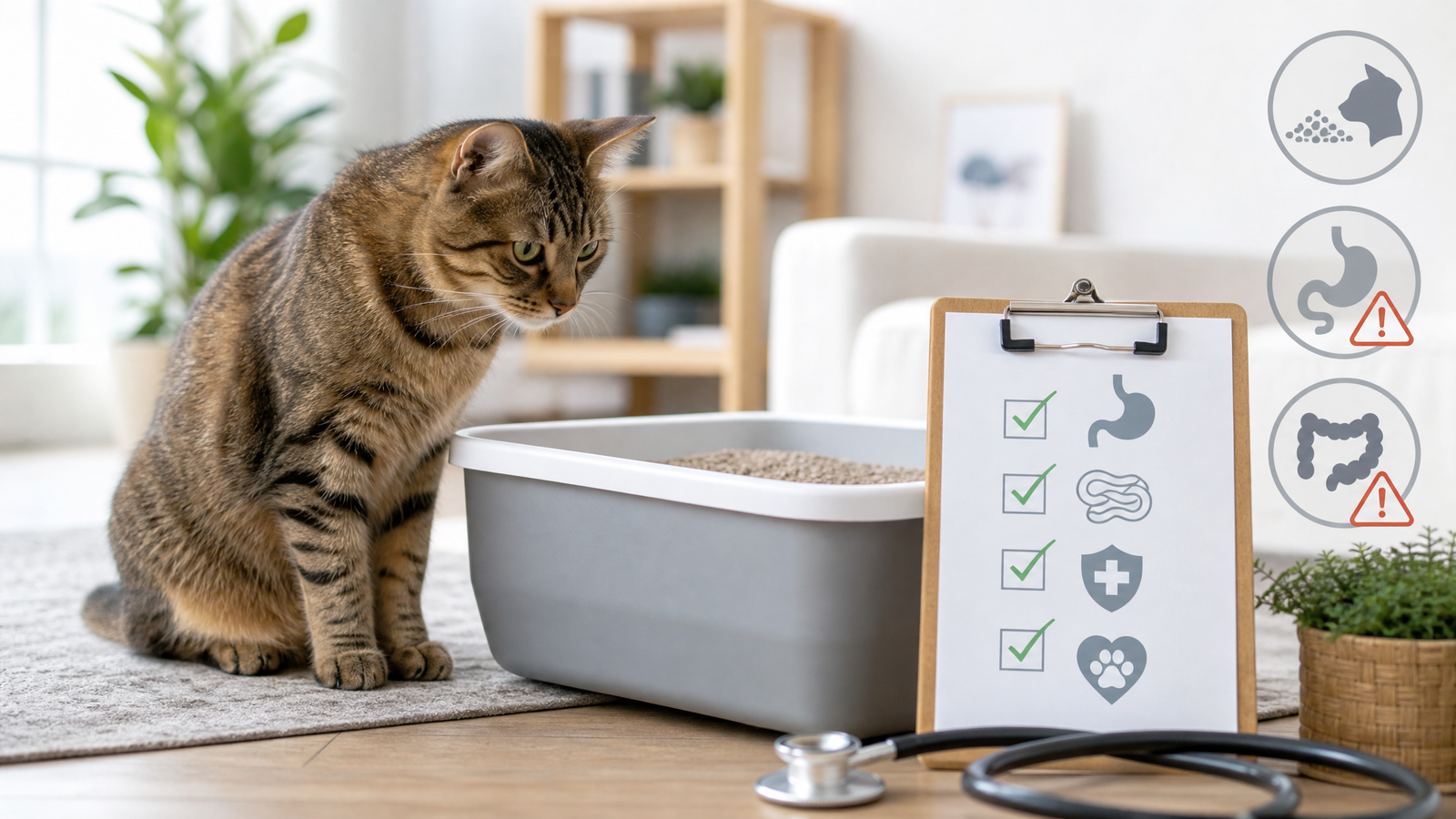
The real concern with cats eating litter is that the litter can absorb water and expand, irritate the digestive tract, or delay the diagnosis of an existing illness. Clumping mineral litter, tofu litter, and bentonite clay litter, in particular, can cause vomiting, constipation, abdominal pain, or the risk of intestinal blockage if ingested in large quantities.

Therefore, owners should view "eating litter" as a health signal, not just a bad habit. The sooner the cause is identified, the more likely small problems can be prevented from becoming emergencies.

Why Do Cats Eat Litter? Common Reasons Explained

1. Kitten Curiosity and Exploration

Kittens use their mouths to explore their environment. When they encounter a new litter box, smell, or texture, they might lick or nibble at it. If this happens only briefly, and the kitten's energy, appetite, and bowel movements are normal, you can usually observe and switch to a safer, low-dust litter.

2. Stress and Environmental Changes

Moving house, a new cat joining the family, boarding, construction noise, or changes in household routines can all lead to abnormal behaviors in cats. Some cats lick fabric or plastic, and may also turn their attention to the litter. These situations are often accompanied by hiding, excessive grooming, decreased appetite, or frequent vocalizations.

3. Nutritional or Mineral Deficiencies

If the diet is chronically unbalanced, or if the cat has malabsorption issues due to illness, they may exhibit behaviors like wanting to eat non-food items. While litter cannot provide nutrition, when they feel unwell, they might respond to their needs in the wrong way.

4. Anemia, Gastrointestinal Illness, or Metabolic Issues

Clinically, repeated pica is sometimes related to anemia, parasites, gastrointestinal inflammation, liver problems, or other chronic diseases. If your cat also shows pale gums, weight loss, lethargy, vomiting, diarrhea, or abnormal bowel movements, it's recommended to schedule a veterinary check-up as soon as possible.

What we use for this

CatGarden’s own products, shipped from Taiwan
See all products
Pro ProbioticsPro ProbioticsFrom CA$26.60 per boxFree shipping on multi-packs

When to Seek Immediate Veterinary Care: A List of Danger Signs

Not every instance of accidental ingestion will lead to disaster, but the following situations warrant professional attention rather than waiting it out at home:

  • Repeated vomiting or dry heaving within 24 hours.
  • Obvious abdominal pain, arched back, reluctance to have their belly touched.
  • No bowel movement for more than 24-48 hours.
  • Significantly decreased appetite or complete refusal to eat.
  • Lethargy, hiding, rapid breathing.
  • Ingesting a large amount of clumping litter or an unknown quantity.
  • Ingestion by kittens, elderly cats, or cats with chronic illnesses.

If you notice abnormal clumps in the litter box, reduced stool output, or if your cat repeatedly enters and exits the litter box without being able to defecate, be highly vigilant. The early signs of gastrointestinal blockage and urinary problems can sometimes be similar, and delays can have serious consequences.

Safe Steps You Can Take at Home

Remove High-Risk Litter First

If your cat is repeatedly eating clumping litter, it's recommended to temporarily switch to a material that clumps less easily, is low in dust, and is unscented. Avoid litters with strong fragrances or additives. Do not spray irritating liquids to deter your cat, as this may make them more fearful of the litter box, leading to urine retention or inappropriate urination.

Record Ingestion Frequency and Physical Condition

Please note the time, frequency, type of litter, whether it was swallowed, appetite, water intake, and bowel and urinary habits. If you need to see a veterinarian, this information can help the vet quickly determine if X-rays, blood tests, fecal tests, or abdominal palpation are necessary.

Increase Environmental Security

If you suspect stress is causing pica, first check the number of litter boxes, their placement, and cleaning frequency. For multi-cat households, the number of litter boxes should ideally be "number of cats plus one," placed in quiet, well-ventilated areas with easy escape routes. Daily interaction, providing more hiding spots, and vertical spaces can also reduce anxiety.

How to Prevent Your Cat from Eating Litter Again?

Prevention is not about a single method, but about addressing health, diet, and environment simultaneously. Simply removing the litter box might lead to bigger elimination problems.

  • Choose low-dust, unscented litter to reduce irritation and temptation.
  • Kittens can initially avoid strongly clumping litters to reduce the risk of expansion if swallowed.
  • Provide a complete main diet; do not replace meals with treats.
  • Regular deworming and health check-ups to rule out anemia, gastrointestinal, and metabolic issues.
  • Maintain litter box cleanliness, scooping 1-2 times daily at a minimum.
  • Increase toys, scent activities, and interactive playtime to redirect stress-related behaviors.

If your cat has a history of pica, it's advisable to keep plastic bags, strings, rubber bands, desiccants, and small objects out of reach. Eating litter is just one manifestation; the real management is the overall risk of your cat "wanting to eat non-food items."

Extra Vigilance During Boarding or Travel

When cats are in unfamiliar environments, they may alter their eating, elimination, and behavior due to nervousness. If your cat has a history of eating litter, inform the boarding or pet-sitting staff in advance about the type of litter, elimination habits, prohibited items, and medical history before arranging boarding or in-home care.

Professional care facilities monitor litter box usage, appetite, energy levels, and elimination changes. When abnormal behaviors occur, they can quickly report to the owner and recommend veterinary consultation. This record-keeping is especially important for cats with chronic illnesses, kittens, or highly anxious cats.

Frequently Asked Questions FAQ

Will My Cat Die If It Eats a Little Litter?

A small amount of licking may not be immediately life-threatening, but you should still monitor for vomiting, appetite changes, bowel movements, and energy levels. If a large amount of clumping litter is ingested, if it's a kitten, or if symptoms of discomfort appear, seek veterinary care promptly.

Is It Normal for Kittens to Eat Litter?

It's common for kittens to explore their environment with their mouths occasionally, but this doesn't mean it should be ignored. It's recommended to switch to a safer, low-dust, non-clumping litter and continue to observe if they repeatedly swallow it.

Is My Cat Eating Litter Because It's Lacking Iron?

Not necessarily. Pica can be related to stress, anemia, gastrointestinal issues, nutritional imbalances, or behavioral factors. Do not supplement iron on your own; excessive intake can pose other health risks and should be evaluated by a veterinarian.

Should I Change All the Litter Immediately?

If your cat is repeatedly eating the current litter, you can gradually switch to lower-risk litter types, but don't suddenly leave your cat without a litter box. When changing litter, you can mix the old and new types to avoid refusal of the litter box.

What Tests Are Needed If My Cat Eats Litter?

The veterinarian may order a physical examination, blood tests, fecal tests, X-rays, or ultrasound depending on the symptoms. If a blockage is suspected, imaging tests will be crucial.

CatGarden | Banqiao Villa-Style Cat Hotel, Offering Boarding and Grooming Services.

Further Reading

  • 2026 Comprehensive Guide to Cat Health Check-ups: Examination Items, Frequency, and Preparation
  • 2026 Rainy Season Cat Health Warnings: Don't Ignore These 4 Major Symptoms, When to Seek Immediate Care?
  • 2026 What to Do If Your Cat Drinks Too Little Water? 7 Methods to Increase Water Intake and Urinary Tract Prevention Tips
  • 2026 What to Do If Your Cat Has a Lot of Dandruff? A Guide to Seasonal Changes, Dryness, and Skin Disease Diagnosis

Conclusion: Treat Litter Eating as a Health Reminder

A cat eating litter should not be interpreted merely as mischievousness. It might be their way of telling you: the environment is too stressful, they are feeling unwell, or their litter box and diet need adjustment. With early observation, recording, and ruling out illness, most risks can be managed.

If your cat has chronic health conditions, is easily stressed, or will be undergoing boarding care, feel free to discuss litter box habits, dietary needs, and health records with the CatGarden care team in advance to ensure a more comfortable stay.

→ Learn about the full range of CatGarden's own brand products

FAQ

Is it normal for kittens to eat cat litter?

It's common for kittens to explore their environment with their mouths and briefly lick or chew litter out of curiosity. However, this shouldn't be ignored. Consider switching to a safer, low-dust litter that doesn't clump strongly, and continue to monitor for any persistent ingestion.

Is my cat eating litter because it's deficient in iron?

Not necessarily. Pica can be related to stress, anemia, gastrointestinal issues, or nutritional imbalances. Do not give your cat iron supplements without veterinary guidance, as excessive intake can be harmful. A veterinarian should assess and diagnose the cause.

If I catch my cat eating litter, should I immediately switch all the litter?

If your cat repeatedly eats litter, you can gradually switch to a low-dust, unscented litter that doesn't clump easily. However, avoid suddenly removing litter boxes or making a complete switch. A gradual transition by mixing the old and new litter can help prevent your cat from avoiding the litter box or holding its urine.

What kind of tests are usually performed when a cat is taken to the vet for eating litter?

The veterinarian may perform a physical examination, blood tests, fecal tests, X-rays, or ultrasounds, depending on the situation. Imaging tests are crucial for assessing the risk of intestinal obstruction.

CatGarden offers curated supplies, cat boarding, and grooming

Book services or shop online.
Back

Blog

What to Do If Your Cat Eats Litter? A Guide to Pica, Intestinal Blockages, and Health Warnings

CatGarden Editorial TeamPublished 2026/05/05
health managementcat healthcat behavior
What to Do If Your Cat Eats Litter? A Guide to Pica, Intestinal Blockages, and Health Warnings

Key takeaways

  • Ingesting large amounts of clumping clay litter, tofu litter, or bentonite litter can cause them to absorb water and expand, leading to vomiting, constipation, abdominal pain, or even intestinal obstruction in cats.
  • If your cat repeatedly vomits within 24 hours, hasn't defecated for over 24 to 48 hours, shows signs of abdominal pain (arching its back), or has a significantly reduced appetite after ingesting litter, seek veterinary attention immediately.
  • In adult cats, repeatedly eating litter is often a sign of underlying health issues. Common causes include environmental stress, nutritional or mineral deficiencies, anemia, parasitic infections, and gastrointestinal diseases.
  • To reduce feline anxiety and the risk of pica (eating non-food items), it's recommended to have one litter box per cat plus an extra one in multi-cat households. Litter boxes should also be cleaned at least once or twice daily.

A Cat Eating Litter Is No Small Matter: First, Distinguish Between "Occasional Licking" and "Repeated Ingestion"

If you find your cat lowering its head to lick the litter, the edge of the litter box, or even swallowing clumps of litter, the first step is not to scold, but to assess the frequency and situation. Kittens might briefly try it out of curiosity, but if an adult cat repeatedly eats litter, you should suspect stress, nutritional deficiencies, gastrointestinal discomfort, or pica.

The real concern with cats eating litter is that the litter can absorb water and expand, irritate the digestive tract, or delay the diagnosis of an existing illness. Clumping mineral litter, tofu litter, and bentonite clay litter, in particular, can cause vomiting, constipation, abdominal pain, or the risk of intestinal blockage if ingested in large quantities.

Therefore, owners should view "eating litter" as a health signal, not just a bad habit. The sooner the cause is identified, the more likely small problems can be prevented from becoming emergencies.

Why Do Cats Eat Litter? Common Reasons Explained

1. Kitten Curiosity and Exploration

Kittens use their mouths to explore their environment. When they encounter a new litter box, smell, or texture, they might lick or nibble at it. If this happens only briefly, and the kitten's energy, appetite, and bowel movements are normal, you can usually observe and switch to a safer, low-dust litter.

2. Stress and Environmental Changes

Moving house, a new cat joining the family, boarding, construction noise, or changes in household routines can all lead to abnormal behaviors in cats. Some cats lick fabric or plastic, and may also turn their attention to the litter. These situations are often accompanied by hiding, excessive grooming, decreased appetite, or frequent vocalizations.

3. Nutritional or Mineral Deficiencies

If the diet is chronically unbalanced, or if the cat has malabsorption issues due to illness, they may exhibit behaviors like wanting to eat non-food items. While litter cannot provide nutrition, when they feel unwell, they might respond to their needs in the wrong way.

4. Anemia, Gastrointestinal Illness, or Metabolic Issues

Clinically, repeated pica is sometimes related to anemia, parasites, gastrointestinal inflammation, liver problems, or other chronic diseases. If your cat also shows pale gums, weight loss, lethargy, vomiting, diarrhea, or abnormal bowel movements, it's recommended to schedule a veterinary check-up as soon as possible.

What we use for this

CatGarden’s own products, shipped from Taiwan
See all products
Pro ProbioticsPro ProbioticsFrom CA$26.60 per boxFree shipping on multi-packs

When to Seek Immediate Veterinary Care: A List of Danger Signs

Not every instance of accidental ingestion will lead to disaster, but the following situations warrant professional attention rather than waiting it out at home:

  • Repeated vomiting or dry heaving within 24 hours.
  • Obvious abdominal pain, arched back, reluctance to have their belly touched.
  • No bowel movement for more than 24-48 hours.
  • Significantly decreased appetite or complete refusal to eat.
  • Lethargy, hiding, rapid breathing.
  • Ingesting a large amount of clumping litter or an unknown quantity.
  • Ingestion by kittens, elderly cats, or cats with chronic illnesses.

If you notice abnormal clumps in the litter box, reduced stool output, or if your cat repeatedly enters and exits the litter box without being able to defecate, be highly vigilant. The early signs of gastrointestinal blockage and urinary problems can sometimes be similar, and delays can have serious consequences.

Safe Steps You Can Take at Home

Remove High-Risk Litter First

If your cat is repeatedly eating clumping litter, it's recommended to temporarily switch to a material that clumps less easily, is low in dust, and is unscented. Avoid litters with strong fragrances or additives. Do not spray irritating liquids to deter your cat, as this may make them more fearful of the litter box, leading to urine retention or inappropriate urination.

Record Ingestion Frequency and Physical Condition

Please note the time, frequency, type of litter, whether it was swallowed, appetite, water intake, and bowel and urinary habits. If you need to see a veterinarian, this information can help the vet quickly determine if X-rays, blood tests, fecal tests, or abdominal palpation are necessary.

Increase Environmental Security

If you suspect stress is causing pica, first check the number of litter boxes, their placement, and cleaning frequency. For multi-cat households, the number of litter boxes should ideally be "number of cats plus one," placed in quiet, well-ventilated areas with easy escape routes. Daily interaction, providing more hiding spots, and vertical spaces can also reduce anxiety.

How to Prevent Your Cat from Eating Litter Again?

Prevention is not about a single method, but about addressing health, diet, and environment simultaneously. Simply removing the litter box might lead to bigger elimination problems.

  • Choose low-dust, unscented litter to reduce irritation and temptation.
  • Kittens can initially avoid strongly clumping litters to reduce the risk of expansion if swallowed.
  • Provide a complete main diet; do not replace meals with treats.
  • Regular deworming and health check-ups to rule out anemia, gastrointestinal, and metabolic issues.
  • Maintain litter box cleanliness, scooping 1-2 times daily at a minimum.
  • Increase toys, scent activities, and interactive playtime to redirect stress-related behaviors.

If your cat has a history of pica, it's advisable to keep plastic bags, strings, rubber bands, desiccants, and small objects out of reach. Eating litter is just one manifestation; the real management is the overall risk of your cat "wanting to eat non-food items."

Extra Vigilance During Boarding or Travel

When cats are in unfamiliar environments, they may alter their eating, elimination, and behavior due to nervousness. If your cat has a history of eating litter, inform the boarding or pet-sitting staff in advance about the type of litter, elimination habits, prohibited items, and medical history before arranging boarding or in-home care.

Professional care facilities monitor litter box usage, appetite, energy levels, and elimination changes. When abnormal behaviors occur, they can quickly report to the owner and recommend veterinary consultation. This record-keeping is especially important for cats with chronic illnesses, kittens, or highly anxious cats.

Frequently Asked Questions FAQ

Will My Cat Die If It Eats a Little Litter?

A small amount of licking may not be immediately life-threatening, but you should still monitor for vomiting, appetite changes, bowel movements, and energy levels. If a large amount of clumping litter is ingested, if it's a kitten, or if symptoms of discomfort appear, seek veterinary care promptly.

Is It Normal for Kittens to Eat Litter?

It's common for kittens to explore their environment with their mouths occasionally, but this doesn't mean it should be ignored. It's recommended to switch to a safer, low-dust, non-clumping litter and continue to observe if they repeatedly swallow it.

Is My Cat Eating Litter Because It's Lacking Iron?

Not necessarily. Pica can be related to stress, anemia, gastrointestinal issues, nutritional imbalances, or behavioral factors. Do not supplement iron on your own; excessive intake can pose other health risks and should be evaluated by a veterinarian.

Should I Change All the Litter Immediately?

If your cat is repeatedly eating the current litter, you can gradually switch to lower-risk litter types, but don't suddenly leave your cat without a litter box. When changing litter, you can mix the old and new types to avoid refusal of the litter box.

What Tests Are Needed If My Cat Eats Litter?

The veterinarian may order a physical examination, blood tests, fecal tests, X-rays, or ultrasound depending on the symptoms. If a blockage is suspected, imaging tests will be crucial.

CatGarden | Banqiao Villa-Style Cat Hotel, Offering Boarding and Grooming Services.

Further Reading

  • 2026 Comprehensive Guide to Cat Health Check-ups: Examination Items, Frequency, and Preparation
  • 2026 Rainy Season Cat Health Warnings: Don't Ignore These 4 Major Symptoms, When to Seek Immediate Care?
  • 2026 What to Do If Your Cat Drinks Too Little Water? 7 Methods to Increase Water Intake and Urinary Tract Prevention Tips
  • 2026 What to Do If Your Cat Has a Lot of Dandruff? A Guide to Seasonal Changes, Dryness, and Skin Disease Diagnosis

Conclusion: Treat Litter Eating as a Health Reminder

A cat eating litter should not be interpreted merely as mischievousness. It might be their way of telling you: the environment is too stressful, they are feeling unwell, or their litter box and diet need adjustment. With early observation, recording, and ruling out illness, most risks can be managed.

If your cat has chronic health conditions, is easily stressed, or will be undergoing boarding care, feel free to discuss litter box habits, dietary needs, and health records with the CatGarden care team in advance to ensure a more comfortable stay.

→ Learn about the full range of CatGarden's own brand products

FAQ

Is it normal for kittens to eat cat litter?

It's common for kittens to explore their environment with their mouths and briefly lick or chew litter out of curiosity. However, this shouldn't be ignored. Consider switching to a safer, low-dust litter that doesn't clump strongly, and continue to monitor for any persistent ingestion.

Is my cat eating litter because it's deficient in iron?

Not necessarily. Pica can be related to stress, anemia, gastrointestinal issues, or nutritional imbalances. Do not give your cat iron supplements without veterinary guidance, as excessive intake can be harmful. A veterinarian should assess and diagnose the cause.

If I catch my cat eating litter, should I immediately switch all the litter?

If your cat repeatedly eats litter, you can gradually switch to a low-dust, unscented litter that doesn't clump easily. However, avoid suddenly removing litter boxes or making a complete switch. A gradual transition by mixing the old and new litter can help prevent your cat from avoiding the litter box or holding its urine.

What kind of tests are usually performed when a cat is taken to the vet for eating litter?

The veterinarian may perform a physical examination, blood tests, fecal tests, X-rays, or ultrasounds, depending on the situation. Imaging tests are crucial for assessing the risk of intestinal obstruction.

One email a month of cat-care tips

Hand-picked care, behavior and grooming tips once a month. Subscribe and we will send you our three most-read articles right away.

Keep reading