How Often Should Cats Have Health Check-ups? A Daily Observation Checklist from Kittenhood to Senior Years
One of the most heartbreaking aspects of cats is that they often don't show obvious signs of discomfort. Many owners only notice abnormalities when a "slight oddity" has already progressed to a point requiring veterinary attention. Therefore, cat health check-ups aren't just for when they're sick; they're about establishing a baseline.
One of the most heartbreaking aspects of cats is that they often don't show obvious signs of discomfort. Many owners only notice abnormalities when a "slight oddity" has already progressed to a point requiring veterinary attention. Therefore, cat health check-ups aren't just for when they're sick; they're about establishing a baseline for their body: current weight, kidney function, dental health, cardiopulmonary status, and normal appetite. Any future changes will then be easier to detect early on.
Key takeaways
- Cat health check frequency varies by age: Kittens need follow-ups based on development and vaccination schedules. Healthy adult cats should have an annual check-up. For senior cats, check-ups every six months are recommended.
- Monitor 6 key daily indicators at home regularly: appetite, water intake and urine output, body weight, breathing, activity level, and coat/cleanliness.
- Kitten check-ups focus on immunity and parasites. Adult cat check-ups emphasize teeth, weight, and liver/kidney function. Senior cats require regular monitoring for chronic conditions like kidney disease, heart issues, blood pressure, and joint problems.
- If a cat experiences continuous vomiting, refuses to eat for over a day, has difficulty breathing, or male cats frequently try to urinate without success, it could be life-threatening and requires immediate veterinary attention, not waiting for an annual check-up.
How Often Should Cats Have Health Check-ups?
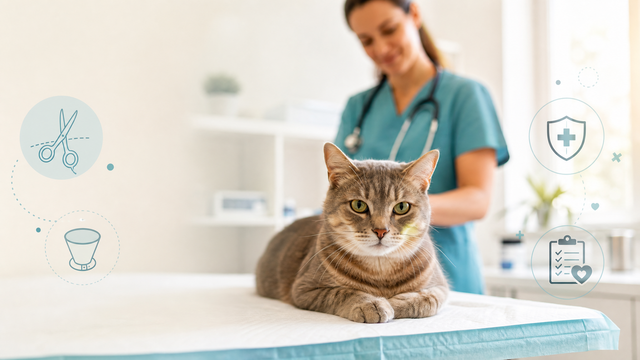
Check-up frequency can be stratified by age. Kittens in their first year require vaccinations, deworming, nutritional, and developmental assessments, with follow-up visits and basic checks as recommended by the veterinarian. Healthy adult cats can typically have an annual routine check-up. Once they enter their senior years, their bodies age faster than we might imagine, so increasing check-ups to every six months is recommended, especially for cats with a history of kidney, heart, dental, obesity, or urinary issues.
If your cat is naturally anxious and finds travel stressful, don't avoid check-ups entirely just to spare them discomfort. Discuss low-stress appointment times, carrier training, and essential examination items with a veterinarian familiar with your cat, turning the check-up into a predictable and prepared event.
What we use for this
CatGarden’s own products, shipped from Taiwan Pro ProbioticsFrom CA$26.60 per boxFree shipping on multi-packs
Key Health Check-up Focus Areas by Age
Kittens: Immunity, Parasites, and Growth Rate
A kitten's immune system is still developing. Common focus areas include vaccination schedules, fecal examinations, stable weight gain, eye and nasal discharge, appetite, and bowel movements. If you have other cats at home, isolation observation and basic checks are even more crucial to prevent introducing viruses or parasites to your existing feline group.
Adult Cats: Weight, Teeth, Urination, and Water Intake
Adult cats may seem stable, but problems can easily accumulate through subtle lifestyle details. Annual check-ups should assess gradual weight gain, dental calculus and gum inflammation, urine status, liver and kidney function tests, and blood sugar. If your cat suddenly drinks more water, produces larger urine clumps, has bad breath, or shows decreased activity, don't dismiss these as simply "getting older."
Senior Cats: Kidneys, Heart, and Chronic Pain
Senior cats require the most attention for early signs of chronic diseases. Kidney disease, thyroid issues, heart conditions, joint degeneration, and dental pain may first manifest in changes to appetite, weight, jumping height, sleeping location, and breathing patterns. Regular monitoring of blood tests, urine tests, and blood pressure provides a basis for adjusting care.
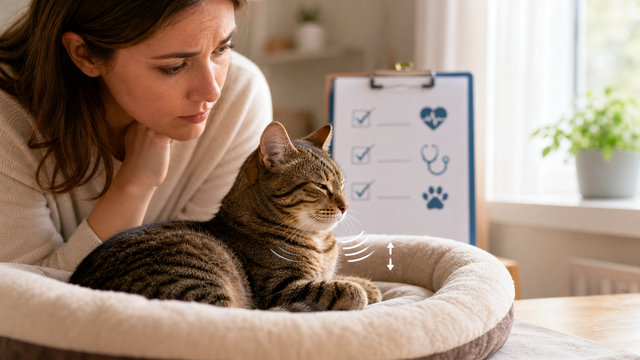
6 Things to Observe at Home
- Appetite: Don't just look at whether they finish their food; also consider eating speed, pickiness, and whether they suddenly only eat treats.
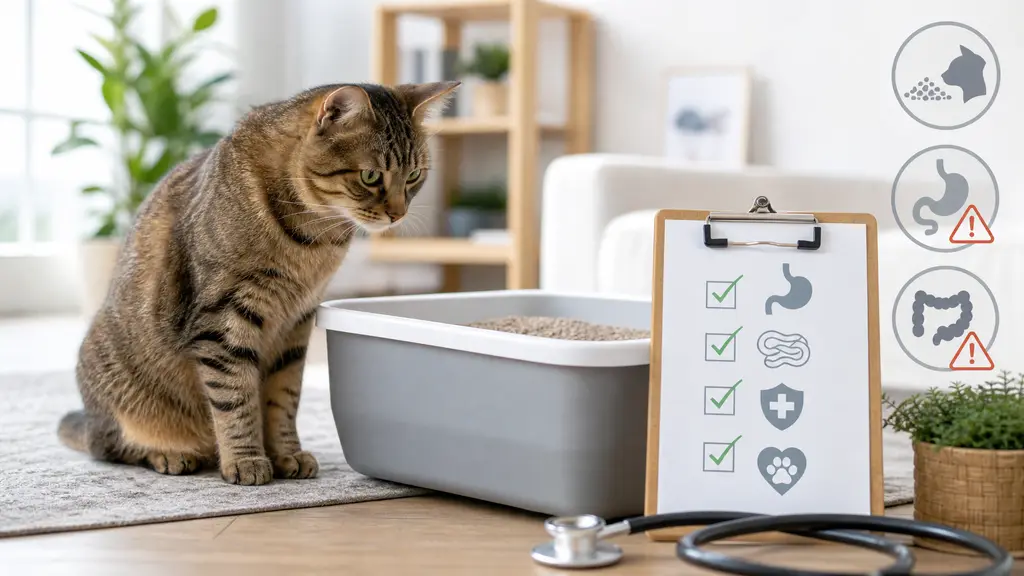
- Water Intake and Urine Output: Increased water consumption, larger urine clumps, or frequent trips to the litter box are worth noting.
- Weight: Weight loss in cats can often be masked by their fur. It's recommended to weigh them regularly or feel their ribs and waistline.
- Breathing: Rapid breathing at rest, open-mouth breathing, or forceful abdominal movements during breathing warrant prompt veterinary attention.
- Activity Level: Reduced jumping, hiding, sudden aggression, or lethargy can be related to pain or discomfort.
- Coat Condition and Grooming: A greasy coat, increased dandruff, or difficulty grooming their hindquarters or back can reflect changes in health.
When Not to Wait for an Annual Check-up
If your cat experiences persistent vomiting, refuses to eat for more than a day, has rapid breathing, bloody urine, difficulty urinating, sudden collapse, unsteady gait, pale gums, or hides excessively, do not wait for your scheduled check-up. These situations may require emergency care or immediate examination.
Specifically, if a male cat frequently visits the litter box but cannot urinate, it could be a urinary blockage, which is life-threatening if delayed. Rather than guessing the cause at home, call your veterinarian to describe the situation and determine if immediate transport to the clinic is necessary.
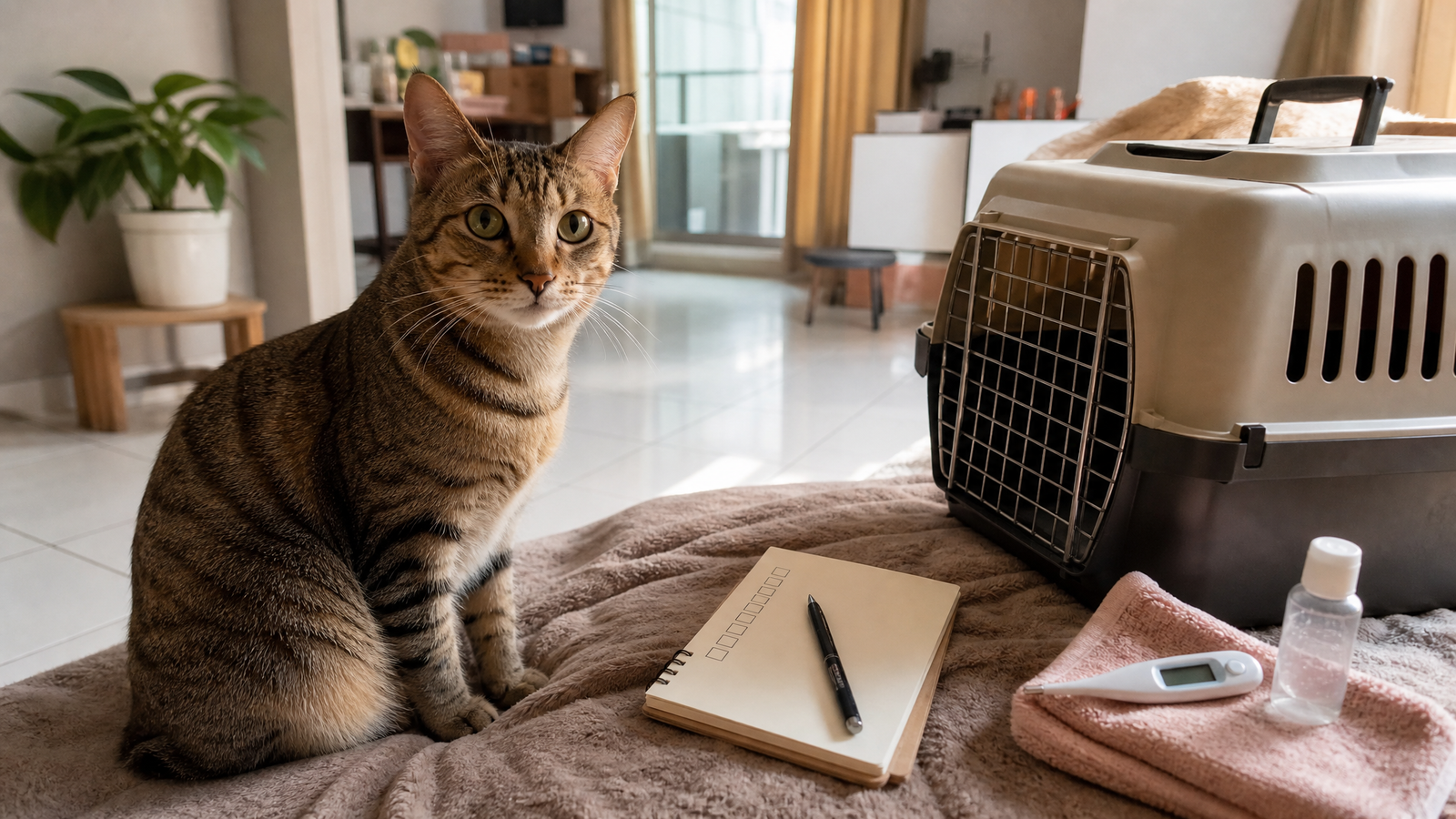
How to Prepare for a Check-up
- Record your cat's food intake, water consumption, urine clump size, and bowel movements for the past week.
- Take videos of any abnormal behaviors, such as coughing, unusual gait, rapid breathing, or failed jumps.
- Bring the names of the current food, wet food, and supplements your cat is taking, to help the veterinarian assess nutritional and medication risks.
- Introduce the carrier into the home beforehand, placing familiar towels and treats inside, to reduce stress on the day of departure.
If your cat is preparing for boarding, moving, or extended care by someone else, it's also beneficial to complete a basic health assessment beforehand. The more familiar the caregiver is with the cat's usual state, the earlier they can detect any issues with appetite, elimination, or demeanor.
Frequently Asked Questions FAQ
Do indoor cats also need regular health check-ups?
Yes. While indoor living reduces certain risks of infection and accidents, kidney disease, dental disease, obesity, heart, and endocrine problems can still occur. Regular check-ups help track changes early.
My cat seems healthy; can I wait two or three years between check-ups?
This is not recommended. Cats are very good at enduring discomfort, and by the time symptoms are obvious, treatment is often already necessary. For healthy adult cats, at least one annual check-up is recommended; for senior cats, discuss semi-annual check-ups with your veterinarian.
Does a cat health check-up always require blood work?
Not all items are necessary every time, but blood tests can provide information on liver and kidney function, blood sugar, inflammation, and anemia. The specific tests should be determined by age, medical history, and the veterinarian's assessment.
My cat is very afraid of going out; won't the stress of a check-up be more harmful?
Stress needs to be managed, but that doesn't mean avoiding check-ups entirely. You can use carrier acclimatization, familiar-scented towels, and book appointments during quieter times. If necessary, ask your veterinarian for advice on low-stress veterinary visits.
Further Reading
- Is Rapid Breathing in Cats a Sign of Heart Disease? A Guide to HCM, Pancreatitis, and Hidden Illness Warnings
- The First Year Health Blueprint for Kittens: A Guide to Vaccinations, Nutrition, Socialization, and Check-up Schedules
- Do Indoor Cats Need Deworming? Shoes, Insects, and Raw Food Can Bring Parasites Home
- What to Do If Your Cat is Overweight: Ideal Body Condition, Diabetes Risks, and Weight Loss Care Guide
Cat health check-ups are not about creating anxiety but about providing confidence in your care. If you are arranging boarding, travel, or extended care for your cat, we welcome you to communicate their age, medical history, diet, and daily habits with the cat hotel beforehand, ensuring every care experience provides the sense of security they truly need.
FAQ
My indoor cat seems healthy, does it still need regular check-ups?
Yes. While indoor living reduces infection risks, issues like kidney disease, dental problems, obesity, and heart conditions can still occur. Cats are also adept at hiding discomfort. Annual check-ups are recommended for adult cats, and every six months for senior cats.
Does my cat always need blood drawn during a check-up?
Not necessarily every time. Blood tests assess liver and kidney function, blood sugar, inflammation, and anemia. The specific tests should be determined by the cat's age, medical history, and the veterinarian's assessment.
My cat strongly dislikes going to the vet. How can I reduce its stress during check-ups?
You can help by placing the carrier at home in advance and associating it with treats and familiar-smelling towels to reduce anxiety. Schedule appointments during quieter times at the vet clinic and discuss low-stress visit options with your veterinarian. However, do not skip check-ups entirely because of this.
What preparations can owners make before a check-up?
It's recommended to record your cat's food intake, water consumption, and elimination habits over the past week. Take videos of any unusual behaviors and bring the names of the current food, wet food, and supplements your cat is taking for the veterinarian's evaluation.
CatGarden offers curated supplies, cat boarding, and grooming
Book services or shop online.