Your Kitten's First Year Health Blueprint: A Guide to Vaccinations, Nutrition, Socialization, and Check-up Schedules
Why can't your kitten's first year just be about "getting vaccinated"? Many new owners think the focus of kitten care is just getting core vaccinations on time. However, from a veterinary perspective, the first year after birth is actually a critical period for the development of the immune system, digestive tract, skeletal muscles, behavioral security, and human-cat interaction habits.

Key takeaways
- Kittens aged 2 to 4 months are in the golden period for core vaccinations, internal and external parasite control, and socialization. Socialization should involve short, low-stress sessions with the option to retreat, establishing safe experiences.
- Kittens aged 4 to 6 months will experience teething and increased activity. Owners should discuss the timing of spaying/neutering with their veterinarian during this period, based on weight, breed, and health status.
- Kitten diets require higher energy and specific nutrient ratios. When switching foods, transition gradually over 7 to 10 days to minimize the risk of soft stools and vomiting.
- Kittens aged 6 to 12 months still need body condition management (maintaining a feelable but not prominent rib cage and a visible waist) and should establish an annual health check record to monitor oral, cardiopulmonary, and abdominal health.
Why Can't Your Kitten's First Year Just Be About "Getting Vaccinated"?
Many new owners think the focus of kitten care is just getting core vaccinations on time. However, from a veterinary perspective, the first year after birth is actually a critical period for the development of the immune system, digestive tract, skeletal muscles, behavioral security, and human-cat interaction habits.
Recent international kitten health reports also remind us that kittens should not be treated simply as "smaller adult cats." Cats face different tasks at different months: sometimes it's vaccinations and deworming, other times it's diet changes, socialization, teething, spay/neuter evaluations, or even stress management. If you only seek veterinary care when your cat is sick, you risk missing opportunities for early prevention.
This article, centered on "Kitten's First Year Health," provides a reference schedule suitable for Taiwanese households, helping you guide your kitten's growth in a more systematic way.
Kittens 0 to 2 Months: First Confirm Source, Weight, and Basic Health
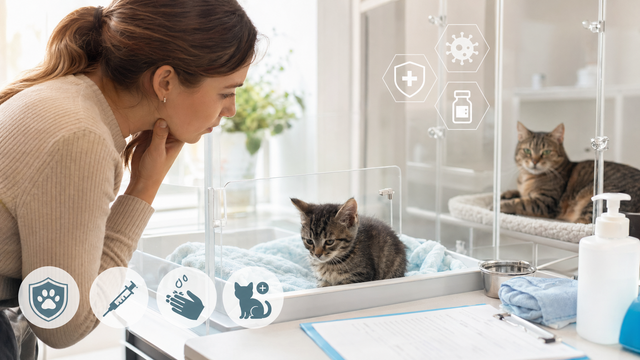
When a kitten first arrives home, the most important things are not immediate baths or buying lots of new supplies, but ensuring the cat is eating steadily, eliminating normally, is alert, and arranging a basic health check-up. Especially for adopted, rescued, or kittens with unknown origins, there may be issues with parasites, upper respiratory infections, fungal infections, or malnutrition.
- Weight Tracking: Kittens should gain weight steadily. If weight plateaus or drops, seek veterinary attention promptly.
- Fecal Observation: Soft stools, bloody stools, visible worms, or chronic diarrhea should not be managed solely with probiotics.
- Eye and Nose Condition: Yellow-green discharge, sneezing, or open-mouth breathing may indicate infection.
- Warmth and Safety: Kittens have poorer thermoregulation. Avoid environments that are too cold, damp, or have risks of falling from heights.
If you already have other cats at home, it's recommended to isolate and observe the new kitten first, complete initial checks, and then slowly introduce them to reduce the risk of infectious diseases and stress-related conflicts.
Kittens 2 to 4 Months: The Golden Period for Vaccinations, Deworming, and Socialization
Most kittens will begin their core vaccination plan during this stage. The actual vaccination timing should be determined by the veterinarian based on age, health status, previous vaccination records, and infection risk. Do not purchase vaccines from unknown sources yourself, and do not skip preventative measures just because the kitten appears healthy.
Care Focus During This Stage
- Vaccination Plan: Confirm core vaccinations, booster times, and potential side effects with your veterinarian.
- Internal and External Parasite Prevention: Choose safe medications based on weight; avoid using products intended for dogs.
- Stable Diet: Select a kitten-specific main food and avoid frequent changes that can cause digestive upset.
- Socialization Practice: Gently introduce the kitten to handling, brushing, nail trimming, travel carriers, and everyday sounds.
Socialization is not about exposing kittens to unfamiliar environments to stimulate them, but about creating safe experiences through short, low-stress interactions with the option to retreat. This will impact the cat's stability when visiting the vet, groomer, boarding facility, and interacting with people in the future.
Kittens 4 to 6 Months: Teething, Behavioral Outbursts, and Spay/Neuter Evaluation
Kittens' activity levels will significantly increase during this time, and behaviors like biting, sudden bursts of energy, climbing, and scratching furniture often become more common. This doesn't mean the cat is intentionally misbehaving; it reflects increasing hunting instincts, discomfort from teething, and energy demands. Owners need to provide appropriate outlets rather than relying solely on punishment.
- Teething Observation: Bad breath, drooling, refusal to eat, or severe gum swelling warrant a veterinary check.
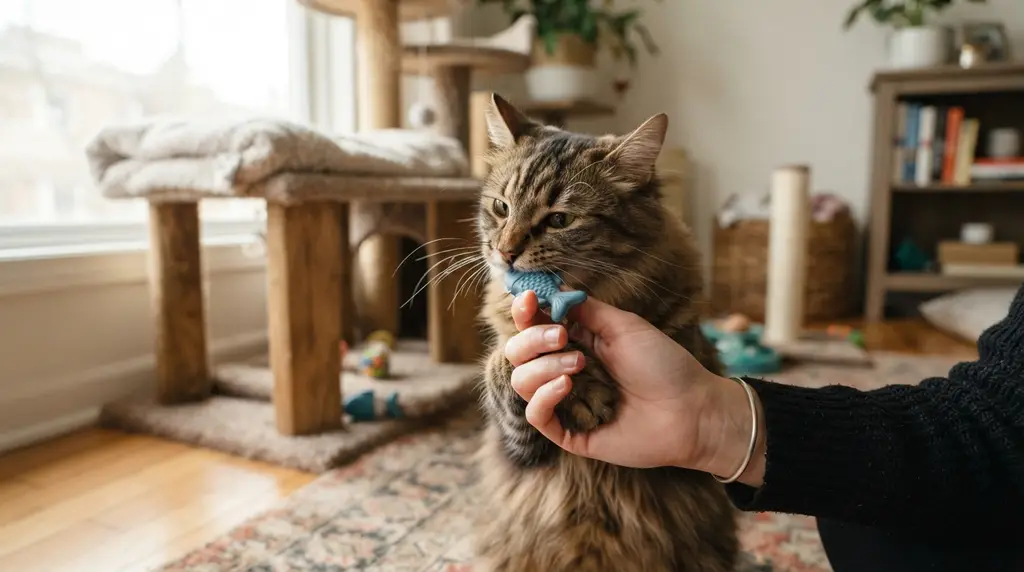
- Ending Playtime: Schedule interactive play sessions with wand toys daily, concluding with a treat or food.
- Scratching Post Placement: Provide scratching posts of different materials near sleeping areas, along common pathways, and next to furniture.
- Spay/Neuter Discussion: Discuss the appropriate timing with your veterinarian based on weight, breed, health status, and living environment.
If a kitten suddenly becomes aggressive, hides excessively, grooms itself too much, or loses its appetite, don't simply attribute it to "adolescence." Pain, digestive issues, urinary stress, or environmental conflicts can all lead to behavioral changes.
Kittens 6 to 12 Months: Growing Up and Stabilizing, Don't Treat Them as Adults Too Soon
Kittens at six months and older may look like mini adults, but their physical and psychological development is still ongoing. A common issue during this phase is owners becoming too relaxed: forgetting booster shots, not adjusting food intake for energy needs, rapid weight gain, or canceling check-ups because the cat is afraid of going out.
Items to Continue Monitoring in the Second Half of the Year
- Body Condition Assessment: You should be able to feel the ribs without them being prominent, and the waist should be visible. Avoid obesity starting from kittenhood.
- Water Intake and Urination: Pay attention to changes in urine volume, color, and litter box frequency.
- Annual Check-ups: Establish baseline records for weight, teeth, skin, heart, lungs, and abdominal palpation.
- Environmental Enrichment: Provide vertical spaces, hiding spots, window perches for observation, and regular play sessions.
If your kitten will need boarding, moving, long-distance travel, or introduction to new family members in the future, it's best to practice with travel carriers, short trips, and exposure to unfamiliar caregivers during kittenhood. This helps the cat understand that change doesn't necessarily mean danger.
Kitten's First Year Health Schedule Summary
- First Week Home: Isolation and observation, basic health check, fecal and appetite tracking.
- 2 to 4 Months: Vaccinations, deworming, kitten main food, socialization training.
- 4 to 6 Months: Teething, play planning, scratching post training, spay/neuter evaluation.
- 6 to 12 Months: Body condition management, annual check-ups, environmental enrichment, and stress adjustment.
Each kitten grows at a different pace. Premature kittens, those with malnutrition, previous illnesses, or specific breeds may require more frequent monitoring. The safest approach is to use this schedule as a framework for discussion and then have your veterinarian, who knows your cat well, create a customized plan.
Frequently Asked Questions FAQ
Do kittens absolutely need vaccinations?
Most kittens need core vaccinations as recommended by their veterinarian because their immune systems are not yet mature, and they are at higher risk of contracting diseases like panleukopenia. If a kitten is unwell, the vet may postpone vaccinations rather than skip them entirely.
How often do kittens need deworming?
The frequency depends on age, weight, origin, whether they go outdoors, and fecal test results. Safe dosages for kittens are crucial; it's not recommended to use adult or dog medications as substitutes.
Can kittens eat adult cat food directly?
It's not recommended. Kittens require higher energy and specific nutrient ratios for growth and should primarily be fed kitten food. If switching diets, transition gradually over 7 to 10 days to minimize the risk of soft stools and vomiting.
What if my kitten is very afraid of the travel carrier?
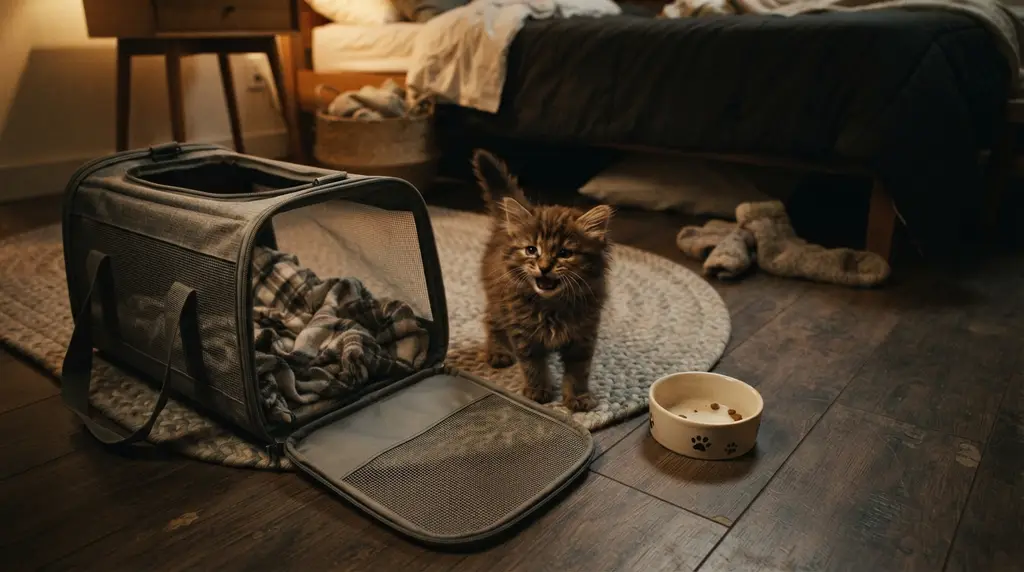
Leave the travel carrier out in the home regularly, place a familiar blanket inside, and occasionally put treats in it. This helps the cat associate the carrier with a safe space. Avoid bringing it out only before vet visits, as this can create negative associations.
How many check-ups does a kitten need in its first year?
There will typically be multiple visits for vaccinations, deworming, and spay/neuter evaluations. Even if they appear healthy, it's recommended to establish a comprehensive health record during the first year to compare future changes in weight, teeth, skin, and behavior.
CatGarden | A luxury cat-only hotel in Banqiao, offering boarding and grooming services.
Further Reading
- 2026 What is Feline Panleukopenia? Signs of Infection in Kittens, Transmission Routes, and Home Prevention Guide
- 2026 How Much is the Fine for an Unregistered Cat? Microchip Registration Process, Fees, and Essential Checklist for Owners
- 2026 What to Do If Your Cat Drinks Too Little Water? 7 Methods to Increase Water Intake and Key Points for Urinary Tract Prevention
- 2026 How to Care for a Pregnant Cat? Symptom Identification, Pregnancy Changes, and Comprehensive Pre-birth Preparation Guide
Conclusion: Taking Good Care of the First Year is the Best Health Gift You Can Give Your Kitten
The kitten's first year is not a single task but an entire period of health development. From vaccinations, deworming, nutrition, and socialization to annual check-ups, each step can reduce future health and stress risks. If you are preparing for kitten boarding, travel, or long-term care plans, it's advisable to organize vaccination records, dietary habits, and health status in advance, and discuss the most suitable arrangements with professional care teams.
To make your kitten's first boarding experience more comfortable, you can also book a pre-boarding health assessment and care consultation. This allows your cat to gradually adapt to a new environment in a safe and familiar rhythm.
→ Learn about CatGarden's full range of house brand products
FAQ
Can kittens eat adult cat food directly?
It is not recommended. Kittens require higher energy and specific nutrient ratios for growth and should primarily be fed kitten-specific food. When switching foods, transition gradually over 7 to 10 days to reduce gastrointestinal discomfort.
My kitten is very afraid of the carrier, how can I improve this?
You can place the carrier at home, line it with a familiar blanket, and occasionally put treats inside to build a positive association. Avoid only bringing it out for vet visits, which can create negative impressions.
My 4 to 6-month-old kitten often bites or dashes around. Is it being naughty on purpose?
No, this is usually a manifestation of hunting instincts, discomfort from teething, and increased energy needs. Owners can arrange daily play sessions with wand toys and provide scratching posts as an outlet for their energy.
What should I prioritize for a 0 to 2-month-old kitten just brought home?
The most important things are to confirm their eating, defecation, and energy levels, and to schedule a basic health check. If you have existing cats at home, they should be quarantined and observed first to prevent infectious diseases and stress conflicts.
CatGarden offers curated supplies, cat boarding, and grooming
Book services or shop online.