What is Feline Panleukopenia? Signs of Infection in Kittens, Transmission Routes, and Home Prevention Guide
Recent news of a stray kitten rescued after contracting feline panleukopenia in Taiwan has brought renewed attention to this highly contagious and high-risk disease. Feline panleukopenia isn't just a threat to stray cats; indoor cats that haven't completed their core vaccinations, have been exposed to contaminated environments, or

Recent news of a stray kitten rescued after contracting feline panleukopenia in Taiwan has brought renewed attention to this highly contagious and high-risk disease. Feline panleukopenia isn't just a threat to stray cats; indoor cats that haven't completed their core vaccinations, have been exposed to contaminated environments, or have new cats introduced to the household may also be at risk.
This article will cover what feline panleukopenia is, its common symptoms, transmission routes, when to seek veterinary care, home disinfection, and prevention methods for multi-cat households from a perspective most needed by cat owners. If you are caring for a kitten, have recently adopted a cat, or are planning for boarding, grooming, or vet visits, bookmark this article.
Key takeaways
- Feline panleukopenia, commonly known as cat plague, is primarily caused by feline parvovirus. It attacks rapidly dividing cells in the intestines, bone marrow, and immune system. Kittens and unvaccinated cats can deteriorate very quickly.
- Cat plague can be transmitted indirectly through feces, vomit, secretions, contaminated items, and human shoes or clothing. The virus is highly resistant in the environment, posing a risk even to indoor cats that do not go outside.
- Completing the core vaccination schedule as recommended by a veterinarian is the most crucial line of defense against cat plague. Supplements cannot replace vaccines or medical treatment.
- General alcohol or disinfectant cleaners may not be effective against the cat plague virus. Cleaning tools should be used in separate areas to prevent cross-contamination.
What is Feline Panleukopenia? Why are Kittens Particularly Vulnerable?
Feline panleukopenia, formally known as feline parvovirus, is primarily caused by the feline parvovirus. The virus attacks rapidly dividing cells, such as those in the intestines, bone marrow, and immune system, leading to common symptoms like vomiting, diarrhea, lethargy, decreased appetite, and a drop in white blood cell count.
Kittens, unvaccinated cats, and cats with weakened immune systems may experience rapid deterioration after infection. Some kittens may only show a decreased appetite one day and become significantly dehydrated and weak the next, so feline panleukopenia should not be treated with a "wait and see" attitude.
Common Symptoms of Feline Panleukopenia: Seek Veterinary Care Immediately Upon Noticing These Warning Signs
- Sudden refusal to eat or drink, showing no interest even in favorite foods.
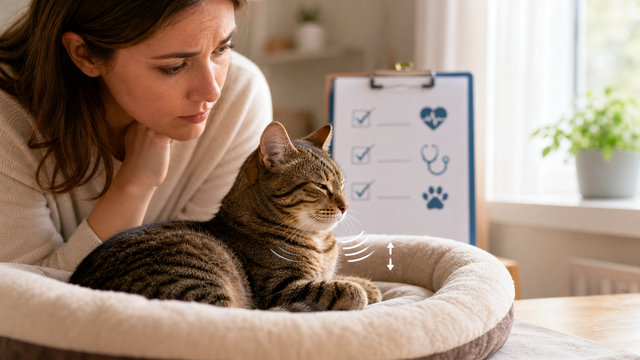
- Significant lethargy, curling up, lying down listlessly, or having a slow response.
- Vomiting or diarrhea, with stool potentially becoming loose, foul-smelling, or even bloody.
- Fever or abnormal body temperature, feeling unusually hot or cold to the touch.
- Dehydration, indicated by dry gums, poor skin elasticity, or sunken eyes.
If your cat is a kitten, recently found or adopted, or has had contact with cats of unknown origin, it is recommended to contact a veterinary clinic immediately if any of the above symptoms appear. Feline panleukopenia requires diagnosis by a veterinarian based on clinical signs, rapid tests, blood work, and overall condition; self-diagnosis based on online articles is not sufficient.
How is Feline Panleukopenia Transmitted? Indoor Cats Are Also at Risk
The feline panleukopenia virus can be indirectly transmitted through feces, vomit, secretions, contaminated litter boxes, food bowls, carriers, floors, or even human shoes and clothing. The virus is relatively resilient in the environment, so "the cat doesn't go outside" does not mean there is no risk.
Common High-Risk Scenarios
- Newly rescued or adopted kittens that have not yet undergone quarantine and examination.
- Multi-cat households sharing litter boxes and food bowls, with new cats not quarantined.
- Cats that have visited high-traffic locations such as shelters, boarding facilities, grooming salons, or veterinary clinics.
- Pet owners who have come into contact with outdoor cats without changing clothes or cleaning their shoes.
If you are introducing a new cat to your home, it is recommended to first arrange for a separate space, use separate food bowls, litter boxes, and supplies, and monitor their appetite, energy levels, bowel movements, and weight changes before gradually introducing them to your resident cat.
Can Feline Panleukopenia Be Prevented? Vaccination is the Most Important Defense
Dietary supplements cannot replace vaccination or treatment, but if your veterinarian confirms your cat is stable and requires daily gastrointestinal support, you may consider daily supplements like Probiotics for Specific Needs; if unsure, consult your veterinarian before supplementing.
The most crucial way to prevent feline panleukopenia is to administer core vaccinations as recommended by your veterinarian. Kittens typically require a series of primary vaccinations based on their age, followed by booster shots based on their lifestyle and veterinary assessment. If you are unsure about your cat's vaccination history, it is best to bring their vaccination booklet or existing records to your veterinarian for evaluation.
Key Points for Daily Prevention
- Complete the vaccination schedule, especially for kittens and newly adopted cats.
- Quarantine new cats first, to avoid sharing spaces with resident cats immediately upon arrival.
- Do not share supplies, keep litter boxes, food bowls, blankets, and carriers separate.
- Maintain environmental hygiene, promptly clean up vomit and feces.
- Wash hands after going out, wash hands and change clothes before handling resident cats after contact with outdoor cats.
What Should Owners Do If They Suspect Feline Panleukopenia?
The first step is to contact your veterinary clinic, describing the cat's age, vaccination status, onset of symptoms, presence of vomiting or diarrhea, and any history of contact with new cats. If the clinic advises a visit, transport the cat in a carrier and inform the reception staff about the potential infectious disease concern so they can arrange appropriate protocols.
The second step is to separate the suspected infected cat from other cats. Do not share litter boxes, food bowls, sleeping areas, or cleaning tools. It is also recommended to care for healthy cats first, then the suspected infected cat, followed by washing your hands and changing clothes.
The third step is to postpone any unnecessary outings, boarding, or grooming appointments. If there is a recent concern about infection in the household, it is essential to complete veterinary assessment and environmental disinfection before considering allowing the cat to enter public care facilities, which is safer for both your cat and others.
What to Consider for Home Disinfection? Not All Cleaners Are Effective
The feline panleukopenia virus is highly resistant to environmental conditions. General cleaning with scented products, alcohol wipes, or simple mopping may not be sufficient to decontaminate affected areas. Actual disinfection methods should be carried out according to veterinary recommendations and product instructions, paying close attention to bleach dilution ratios, contact times, and material safety.
- Remove visible feces, vomit, and organic debris before disinfecting.
- Discard contaminated fabrics, cardboard boxes, and scratching posts if they are difficult to clean.
- Ensure cats are removed from the area during disinfection and allow it to dry and ventilate before use.
- Use cleaning tools for specific zones; do not use a contaminated mop for the entire house.
How to Reduce the Risk of Transmission Before Boarding or Grooming?
If you plan to arrange for cat boarding, grooming, or short-term care, it is recommended to confirm vaccination records, recent health status, and the presence of vomiting or diarrhea beforehand. Professional cat hotels typically prioritize the health conditions of their guests; this is not to be difficult but to protect every cat.
Owners can also proactively disclose information such as whether the cat was recently adopted, has had recent veterinary visits, or if other cats in the household are ill. The more transparent the information, the better the care provider can arrange suitable spaces, cleaning procedures, and observation points.
Frequently Asked Questions (FAQ)
Is Feline Panleukopenia Contagious to Humans?
Feline panleukopenia primarily affects felines and is generally not transmissible to humans. However, humans can carry the virus on their shoe soles, clothing, or hands, indirectly facilitating transmission between cats. Therefore, cleaning is still necessary after contact with outdoor cats.
Can Vaccinated Cats Still Get Feline Panleukopenia?
Vaccination significantly reduces the risk of infection and severe illness, but its effectiveness can be influenced by factors such as age, immune status, and whether the vaccination schedule was completed. If symptoms appear, a veterinarian should still assess the situation; do not ignore warning signs simply because the cat has been vaccinated.
Can a Newly Found Kitten Be Brought Home to Meet Resident Cats Immediately?
It is not recommended. New cats should be quarantined, observed, and undergo basic examinations. Only after confirming there is no significant risk of infectious disease should they be gradually introduced to resident cats to avoid impacting the entire multi-cat household at once.
How Long After Treatment for Feline Panleukopenia Can a Cat Resume Normal Life?
Each cat's condition varies and requires veterinary judgment. Even if symptoms improve, appetite, bowel movements, energy levels, and infection control status must be confirmed before gradually resuming activities or arranging for boarding or grooming.
CatGarden | A luxury cat-only hotel in Banqiao, offering boarding and grooming services.
Further Reading
- 2026 Comprehensive Guide to Cat Health Check-ups: Items, Frequency, and Preparation
- 2026 Rainy Season Cat Health Warning Signs: Don't Ignore These 4 Symptoms, When to Seek Immediate Vet Care
- Guide to Preparing Your Cat for Their First Boarding Stay | 5 Steps to Reduce Anxiety for Overnight Stays
- How to Choose a Cat Hotel? 7 Key Indicators for Selecting a Cat Hotel in Banqiao in 2026
The frightening aspect of feline panleukopenia is its rapid progression and strong contagiousness. However, by completing vaccinations early, practicing good quarantine for new cats, being attentive to symptoms, and choosing care environments that prioritize cleanliness and health screening, the risk can be significantly reduced. If you are planning for cat boarding or require health status confirmation, feel free to discuss with the professional team at CatGarden. Prioritize safety first, then let your feline companion enjoy their stay with peace of mind.
FAQ
Can cat plague be transmitted to humans?
Cat plague primarily affects felines and is generally not transmissible to humans. However, humans can carry the virus on their shoe soles, clothing, or hands, indirectly facilitating transmission between cats.
Can a vaccinated cat still contract cat plague?
Vaccines significantly reduce the risk of infection and severe illness, but protection can be influenced by age, immune status, and the completeness of the vaccination series. If a cat shows suspected symptoms, a veterinarian should still evaluate and diagnose.
Can a newly found or adopted kitten have direct contact with resident cats?
It is not recommended. New cats should be isolated in a separate space, with separate food bowls and litter boxes. Observe their energy levels, appetite, and stool condition. After a basic examination confirms they are healthy, gradual contact can be introduced.
What precautions should be taken at home if a cat is suspected of having cat plague?
Immediately isolate the suspected cat and separate all their belongings. Care for healthy cats first, then the suspected infected cat. Thoroughly wash your hands and change clothes after contact.
CatGarden offers curated supplies, cat boarding, and grooming
Book services or shop online.