How to Choose Cat Food: A Guide for Picky Eaters, Ingredient Lists, and Nutritional Ratios
2026 Cat Food Recommendations: Prioritize Needs Before Brand. When searching for "cat food recommendations," many owners are initially drawn to rankings, flavors, or online reviews. However, the truly suitable staple food for your cat isn't necessarily the most popular bag, but rather one that meets their specific needs.

Key takeaways
- The order of ingredients indicates their proportion. The first few ingredients should prioritize clear animal protein sources (like chicken, turkey, salmon, or duck) rather than vaguely labeled meat by-products.
- For picky eaters, gradually transition to a new food over at least 7 to 10 days. If your cat eats almost nothing for over 24 hours, consult your veterinarian immediately.
- Higher protein isn't always better. If the protein source is of poor quality, or if the cat has kidney or liver disease, blindly pursuing high protein can actually increase the body's burden.
- Grain-free doesn't equal low-carb. Carbohydrates commonly found in dry food, such as potatoes, peas, rice, and corn, primarily serve to form the kibble and provide energy. The key is whether the overall carbohydrate proportion is too high.
2026 Cat Food Recommendations: Prioritize Needs Before Brand
When searching for "cat food recommendations," many owners are initially drawn to rankings, flavors, or online reviews. However, the truly suitable staple food for your cat isn't necessarily the most popular bag, but rather one that meets their needs regarding age, activity level, digestive health, drinking habits, and pickiness.
Cats are carnivores, so their staple food should focus on animal protein, fat sources, controlled minerals, and digestibility. Simply looking for terms like "high protein," "grain-free," or "natural" can lead you to overlook crucial aspects like calorie content, carbohydrate ratios, or additives that might not be suitable for your specific cat.
Before Choosing Cat Food, Identify Your Cat's Type
Different cats require different types of food. Kittens need calories and complete nutrition for growth; adult cats need maintenance of their body condition; and senior cats require more attention to kidney, joint, dental, and digestive health. If your cat has a chronic illness, consult your veterinarian for recommendations on prescription or specialized nutritional formulas.
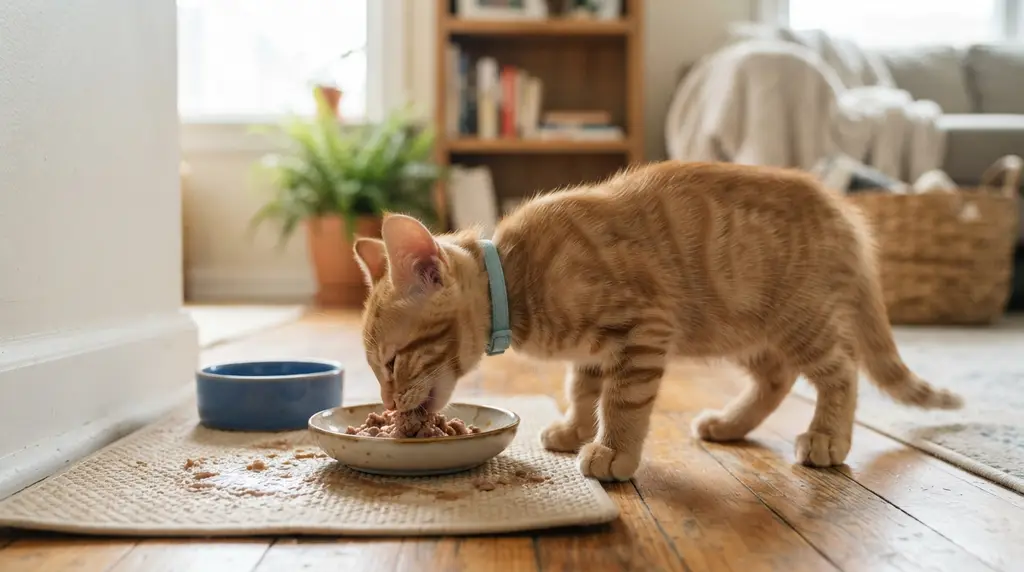
- Picky Eaters: Prioritize food with appealing meat aromas, appropriate kibble size, and a gradual transition process.
- Cats Prone to Weight Gain: Pay attention to calorie density, not just fat content.
- Cats with Sensitive Stomachs: Single-protein sources and shorter ingredient lists are usually easier to monitor.
- Cats Who Drink Little Water: In addition to dry food, consider incorporating wet food or adding incentives to encourage drinking.
What we use for this
CatGarden’s own products, shipped from Taiwan Quick-Dry Pet TowelFrom CA$49.35 per pieceFree shipping on multi-packs
How to Read Ingredient Lists: Avoid Marketing Gimmicks
The order of ingredients typically reflects their proportion in the food. Ideally, the first few ingredients should clearly list specific animal protein sources, such as chicken, turkey, salmon, or duck, rather than vague terms like "meat by-products." While by-products aren't inherently bad, clearer labeling makes it easier for owners to assess quality.
Also, pay attention to carbohydrate sources. Potatoes, peas, rice, corn, and tapioca can all be found in dry food and serve as binders and energy sources. The issue isn't whether grains are present, but rather if the overall ratio is too high, or if it causes gas, loose stools, or weight gain in your cat.
Is Higher Protein Always Better?
Not necessarily. Healthy adult cats generally need sufficient animal protein, but if the protein source is of poor quality, or if the cat has kidney or liver issues, blindly pursuing high protein can actually increase their burden. It's recommended to consider the protein source, ash content, phosphorus levels, calories, and your cat's overall condition simultaneously.
Key to Choosing Food for Picky Eaters: Don't Constantly Switch Flavors
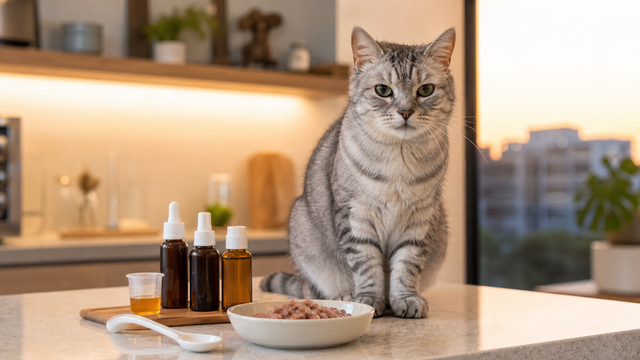
Picky eaters often cause owners anxiety, leading to a collection of various new flavors at home. However, frequently changing staple foods can make cats anticipate "the next tastier bag" and can also lead to digestive upset. A better approach is to establish a consistent staple food and then use small amounts of wet food, warm water, or probiotics to enhance palatability.
- Recommended food transition period: 7-10 days minimum, gradually increasing the proportion of new food.
- Avoid mixing too many brands at once, as it becomes difficult to determine the cause of loose stools or allergies.
- If your cat eats almost nothing for 24 hours, consult your veterinarian immediately.
- Keep a record of food intake, stool consistency, vomiting, coat condition, and weight changes.
How to Combine Dry Food, Wet Food, and Mixed Feeding?
Dry food is convenient for storage, calorie-dense, and aids in timed and portion-controlled feeding. Wet food has high water content, which is beneficial for cats who drink little, for urinary tract health, and for increasing satiety. Most households can adopt a mixed feeding approach: a small amount of dry food during the day, paired with a staple wet food can or wet food in the evening, adjusting portions based on total calorie intake.
If your cat is prone to urinary crystals, constipation, or drinks little water, relying solely on dry food for all nutritional needs is not recommended. Water hygiene, litter box conditions, and daily activity levels also impact urinary and digestive health.
2026 Shopping Checklist: Check These Points Before Buying
- Does it meet AAFCO, FEDIAF, or complete and balanced staple food standards?
- Are there clear animal protein sources listed in the first few ingredients?
- Are important information like calories, phosphorus, sodium, and magnesium indicated?
- Is the kibble size suitable for your cat's teeth and eating speed?
- Is a small package available for testing palatability first?
- Can it be stored properly to avoid moisture, oxidation, and rancidity?
Frequently Asked Questions FAQ
Do cat food recommendations always require grain-free options?
Not necessarily. Grain-free doesn't automatically mean low-carb or a better fit for all cats. The key is the overall formula, protein source, calories, and how well your cat digests it.
Can picky eaters have a different food every day?
Frequent switching is not recommended. Provide a staple food and use small amounts of wet food or warm water to enhance aroma, preventing them from developing a habit of waiting for new flavors.
Can kittens eat adult cat food?
Kittens require higher calories and specific nutrient ratios during their growth period. It's recommended to choose kitten or all-life-stages staple food and adjust portions based on weight and activity level.
What should I do if my cat has soft stools after eating new food?
Slow down the food transition process and observe if it's related to new protein, fats, or fiber. If diarrhea, vomiting, or lethargy persists, seek veterinary attention.
CatGarden | Banqiao's Villa-Style Pure Cat Hotel, offering boarding and grooming services.
Further Reading
- 2026 How to Choose Cat Wet Food: A Comprehensive Guide to Low Phosphorus, Gum-Free, Single-Meat Source, and Transparent Ingredients
- 2026 How to Choose Nutritional Supplements for Senior Cats: Liquid Supplements, Picky Eater Palatability, and Daily Feeding Guide
- 2026 How Much Cat Treats Per Day? Feeding Ratios for Purees, Freeze-Dried Treats, and Dental Chews
Conclusion: The Best Cat Food is One That Keeps Your Cat Stable, Both Inside and Out
When choosing cat food, don't just follow rankings. Consider the ingredients, calories, digestive response, water intake, and body condition together. If you're struggling with pickiness, soft stools, or coat issues, you can also adjust daily grooming, wet food pairings, and digestive care to help your cat eat with peace of mind and live comfortably.
To supplement your cat's daily care, visit CatGarden to choose suitable complementary foods, health supplements, and grooming products, creating a more stable care rhythm from diet to living environment.
→ Learn about CatGarden Pure Cat Grooming Services
FAQ
Do cat foods absolutely need to be grain-free?
Not necessarily. Grain-free doesn't mean low-carb, nor does it mean suitable for all cats. The focus should be on the overall formula, protein source, calories, and how well the cat digests it.
For picky eaters, can I switch between different flavors of food daily?
It's not recommended to frequently change the main food, as this can make your cat anticipate more flavorful new options or cause digestive upset. It's best to establish a regular main food and use small amounts of wet food, warm water, or probiotics to help improve palatability.
Can kittens eat adult cat food directly?
It's not recommended. Kittens require higher calories and specific nutrient ratios during their growth period. You should choose kitten or all-life-stages main food formulas and adjust feeding amounts based on weight and activity level.
What should I do if my cat develops soft stools after switching to a new food?
It's recommended to slow down the food transition process and observe if the soft stools are related to new protein, fat, or fiber. If diarrhea, vomiting, or lethargy persists, seek veterinary attention promptly.
CatGarden offers curated supplies, cat boarding, and grooming
Book services or shop online.